Rice and Roti Combo: The Ultimate Indian Meal Pairing Explained
When you think of a classic Indian meal, chances are rice and roti combo, a daily pairing of two foundational Indian carbohydrates that balance texture, flavor, and nutrition. Also known as chawal-roti, it’s not just a meal—it’s a rhythm. Millions eat this duo every day, not because it’s trendy, but because it works. One is soft and fluffy, the other light and grainy. One soaks up curry, the other scoops it. Together, they make a meal feel complete.
This combo isn’t random. It’s built on centuries of regional habits, seasonal ingredients, and practical nutrition. roti, a whole wheat flatbread made without oil or yeast, is dense in fiber and keeps you full longer. It’s the go-to in North India, where wheat grows easily and heat demands slow-digesting carbs. Meanwhile, rice, especially basmati, is lighter, quicker to digest, and preferred in the South and East where paddy fields dominate. In many homes, you’ll find roti for lunch and rice for dinner—or both on the same plate, depending on what’s being served. The real magic? They’re not competitors. They’re teammates. A spicy dal tastes richer with roti’s chew. A creamy biryani feels balanced with roti’s earthiness. And when you’re eating something oily or rich, rice cuts through it like a reset button.
Why This Combo Works Better Than Either Alone
People often ask: should you pick rice or roti? The answer isn’t either/or—it’s both. Nutritionally, they cover different bases. Roti gives you more protein and fiber, thanks to whole wheat. Rice gives you quick energy and is naturally gluten-free. Together, they offer a broader nutrient profile than either alone. Plus, there’s a cultural logic here: roti is for heartier dishes like paneer curry or chana masala. Rice is for lighter, saucy meals like fish curry or dal tadka. But when you serve both? You’re giving everyone a choice. Kids who hate wheat? They’ll grab rice. Someone watching carbs? They’ll take just roti. A guest from abroad? They get to try both.
And let’s not forget the practical side. Leftover roti? Reheat it. Leftover rice? Fry it up as pulao. Both store well, reheat easily, and rarely go to waste. That’s why you’ll find this combo in homes from Punjab to Kerala—not because of a recipe book, but because it’s smart, simple, and satisfying. You don’t need fancy ingredients. Just flour, water, salt, rice, and a stove.
In the posts below, you’ll find real tips on making the perfect roti, boiling rice for biryani, choosing between naan and rice, and even how to keep both soft for days. No fluff. Just what works in real kitchens. Whether you’re cooking for one or feeding a family, this combo is your foundation. And once you master it, everything else follows.
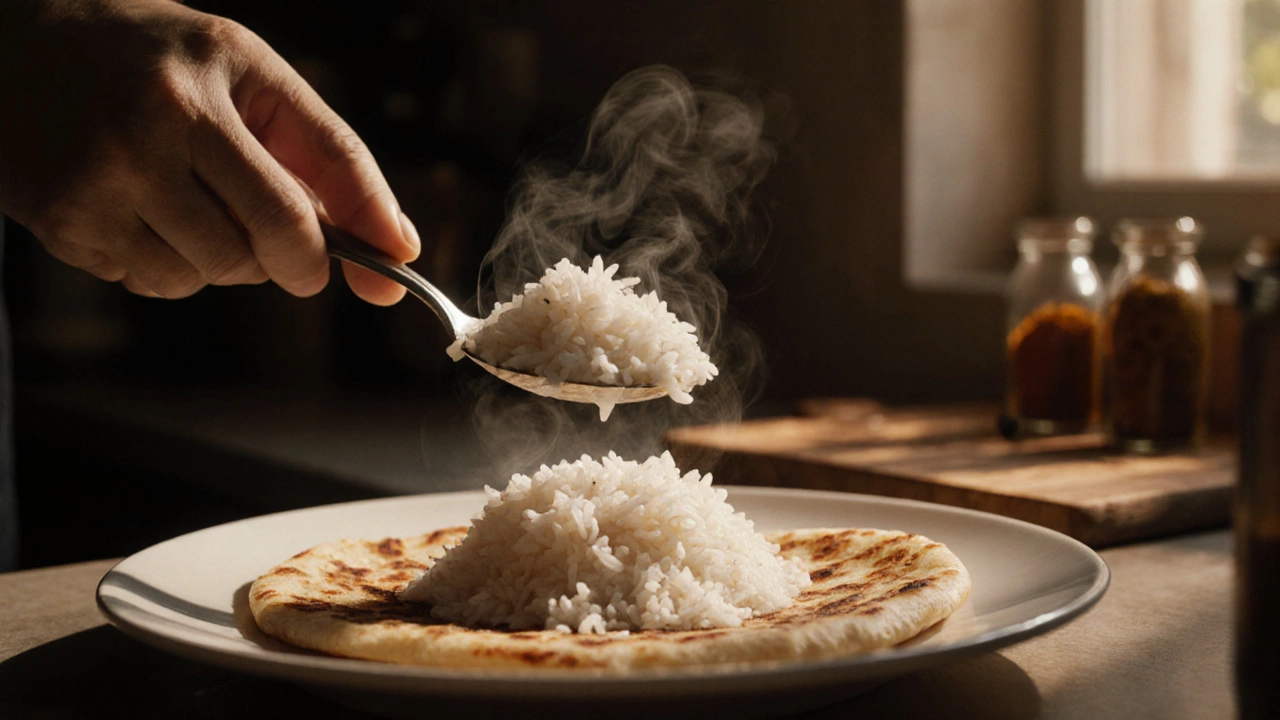
Why Put Rice Over Roti? The Surprising Reason & Handy Tips
Discover why many Indian homes serve rice over roti, the benefits, health tips, and step‑by‑step instructions for perfect layering.