Soak Paneer: Why It Matters and How to Do It Right
When you make soak paneer, the process of immersing fresh paneer in warm water to improve its texture and moisture content. Also known as paneer soaking, it’s a small step that makes a big difference in dishes like paneer tikka, palak paneer, or paneer butter masala. Skip it, and your paneer turns rubbery. Do it right, and it melts in your mouth—like it’s fresh from the dairy.
Paneer is a fresh cheese made by curdling milk with acid, then pressing out the whey. That pressing gives it structure, but it also squeezes out moisture. Without soaking, the paneer stays dry and dense, especially after frying or cooking in sauce. Soaking it for 10 to 20 minutes in warm salted water lets it rehydrate, softens the texture, and helps it absorb flavors better. It’s not magic—it’s science. Think of it like soaking dried beans before cooking. You’re not making it new; you’re restoring what was lost.
Some people skip soaking because they think it’s unnecessary. But if you’ve ever bitten into a tough, chewy piece of paneer in a curry, you know why this step matters. It’s not just about texture—it’s about balance. A well-soaked paneer holds up in spicy gravies without falling apart, stays juicy when grilled, and doesn’t turn chalky when reheated. And if you’re making paneer at home, soaking is even more important. Homemade paneer is often pressed harder and drier than store-bought, so it needs that extra touch.
There are a few ways to soak paneer. The simplest: warm water with a pinch of salt. Some add a splash of lemon juice or milk for extra flavor, but plain water works fine. Don’t use ice-cold water—it won’t rehydrate well. Don’t soak it for hours—it turns mushy. Ten to twenty minutes is the sweet spot. After soaking, gently pat it dry with a towel. That’s it. No fancy tools, no special skills.
Soaking paneer connects to other cooking habits you already know. Like soaking rice before biryani to keep grains separate. Or rinsing lentils to remove bitterness. These aren’t random steps—they’re fixes for how ingredients behave after processing. When you soak paneer, you’re doing the same thing: undoing the damage of pressing to get back what was lost.
You’ll find posts here that show you how to make paneer from scratch, how to use it in curries, and even what to use instead of lemon when making it. But none of that matters if the paneer itself is dry and tough. Soaking is the quiet hero in every Indian paneer dish. It doesn’t get talked about much. But once you try it, you’ll never go back.
Below, you’ll find real recipes and tips from home cooks who’ve learned the hard way—what works, what doesn’t, and how to make paneer taste like it should. No fluff. Just what you need to get it right.
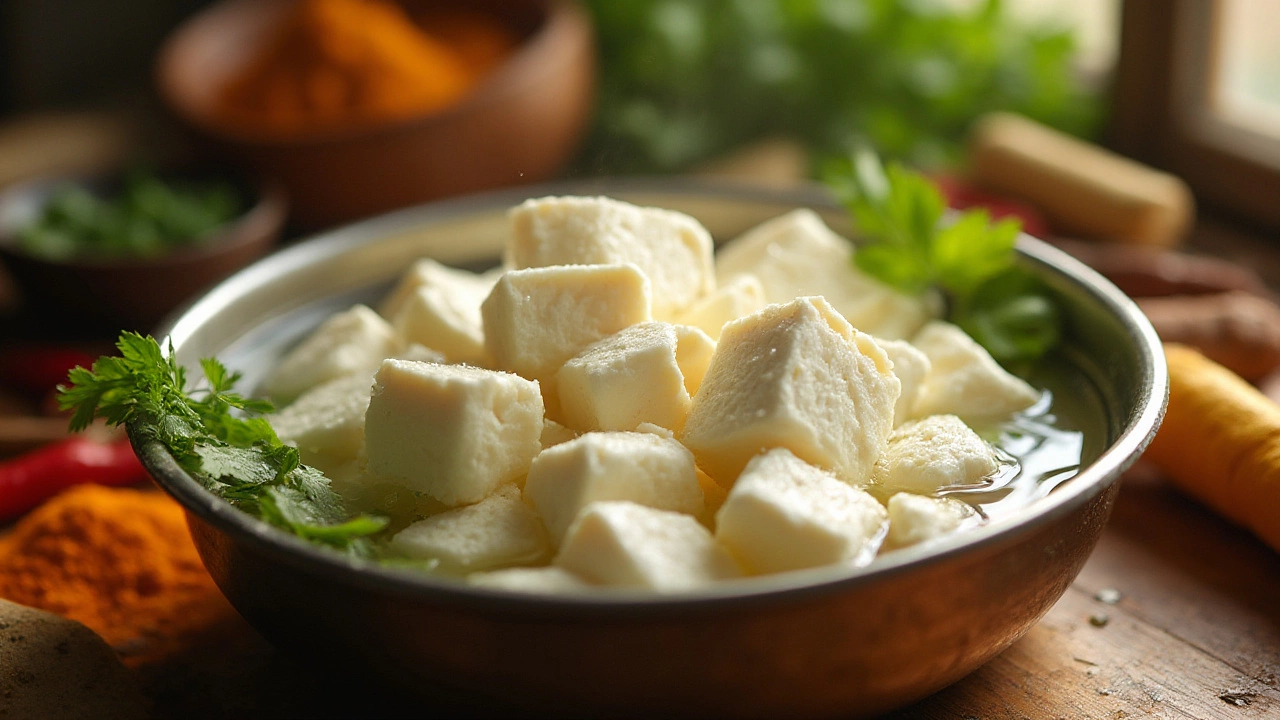
Why Soak Paneer in Water? Secrets to Soft and Tasty Paneer Dishes
Ever wondered why people soak paneer in water before cooking? Discover the real reasons and pro tips for getting the softest, tastiest paneer in your dishes.