Soakless Dal: Quick Indian Lentil Recipes Without Soaking
When you’re hungry and short on time, soakless dal, a method of cooking Indian lentils without pre-soaking them. Also known as no-soak dal, it’s the go-to trick for busy kitchens across India—whether you’re making toor dal, masoor dal, or chana dal in under 30 minutes. You don’t need to plan ahead. No overnight soaking. No forgotten pots. Just rinse, toss in the pressure cooker or pot, and walk away. The result? Creamy, flavorful dal that tastes just like the one your grandma made—only faster.
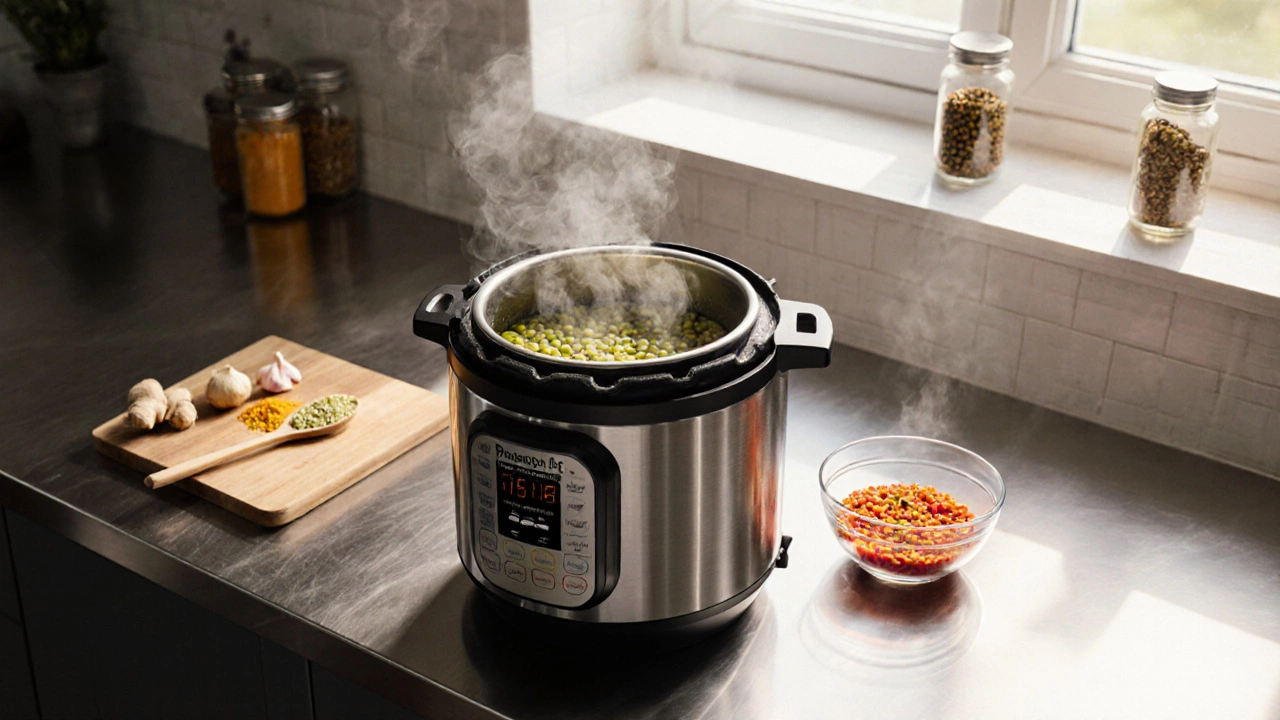
This isn’t a shortcut that sacrifices flavor. It’s a smart upgrade. Traditional soaking was meant to reduce cooking time and improve digestibility, but modern pressure cookers do that job better. A pinch of baking soda, a splash of lemon juice, or even just a longer simmer unlocks the same soft texture without the wait. And if you’ve ever tossed out soggy, over-soaked lentils? You know why this matters. pressure cooker dal, a method that uses high-pressure steam to cook lentils rapidly cuts cooking time by half. Indian lentil recipes, traditional dishes built on split pulses like urad, moong, and chana thrive on this approach. You get the same protein-rich, fiber-packed meal without the hassle.
Why does this work? Lentils aren’t like beans—they’re smaller, thinner, and cook faster. The outer skin breaks down easily under heat, especially with a little salt or acid added early. You don’t need to remove the skin. You don’t need to drain water. Just cook them in enough liquid, let the steam do the work, and you’ve got dal ready before your rice finishes steaming. This method saves water, energy, and time—all while keeping nutrients locked in. It’s the kind of tweak that makes daily cooking sustainable, not stressful.
Look at the recipes in this collection. You’ll find ways to fix bitter lentils, boost flavor with spices like cumin and hing, and even make dal in an instant pot without any prep. You’ll see how people use tomatoes, onions, and garlic to build depth fast. You’ll learn why some cooks add a teaspoon of sugar to balance acidity, or why turmeric isn’t just for color—it helps with digestion. This isn’t about following old rules. It’s about using tools you already have to make food that works for your life.
Whether you’re cooking for one, feeding a family after work, or just tired of waiting, soakless dal gives you back your time. And the best part? It still tastes like home.
Dal Varieties That Skip Soaking: Quick Guide
Discover which dal varieties need no soaking, learn quick cooking tricks, and get easy recipes for tasty, ready‑in‑minutes meals.