Soft Chapatis: How to Make Them Fluffy, Round, and Perfect Every Time
When you think of soft chapatis, a staple Indian flatbread made from whole wheat flour, water, and a pinch of salt, known for its pillowy texture and ability to wrap around curries and vegetables. It's not just bread—it’s the quiet hero of every Indian meal, the thing that soaks up gravy, holds together your dal, and feels like home even when you’re far away. Most people think soft chapatis are just about the recipe, but they’re really about technique. The difference between a hard, dry chapati and one that’s soft enough to fold without cracking comes down to three things: dough hydration, resting time, and how you cook it.
There’s a reason why roti making tips, practical advice on kneading, rolling, and cooking Indian flatbreads to achieve consistent results focus so much on the dough. If you skip the 30-minute rest after kneading, your chapatis will shrink and puff unevenly. If you roll them too thin in the center, they’ll tear. If you cook them on a cold tawa, they’ll stick and turn tough. And if you don’t press them gently with a cloth right after cooking, they’ll dry out fast. These aren’t tricks—they’re rules that every Indian household follows, passed down without being written down.
Even the Indian bread, a category of flatbreads including chapati, roti, naan, and paratha, each with distinct preparation methods and textures you buy at the store often misses the mark because it’s made for shelf life, not taste. Homemade soft chapatis don’t need preservatives. They just need patience. A little extra water in the dough, a warm place to rest, and a hot tawa are all you need. Some people swear by adding a teaspoon of yogurt or ghee to the dough—it helps with softness. Others use a damp cloth to cover the rolled-out chapatis before cooking. These aren’t secrets. They’re just habits that work.
And if you’ve ever wondered why your chapatis don’t puff up like your mom’s, it’s not magic. It’s heat. The right temperature turns moisture inside the dough into steam, and that steam is what makes them balloon. You don’t need a tandoor. Just a good tawa and a little patience. Once you get the hang of it, you’ll notice how much better they taste with dal, how they hold up to spicy sabzi, and how they stay soft even the next day—if you wrap them right.
That’s why the posts below aren’t just recipes. They’re fixes, hacks, and real-life solutions from people who’ve been there—making chapatis that stick, crack, or turn into cardboard. You’ll find out how to keep them soft for days, how to roll them perfectly round without a guide, and why the way you store them matters just as much as how you cook them. No fluff. No fancy terms. Just what works.
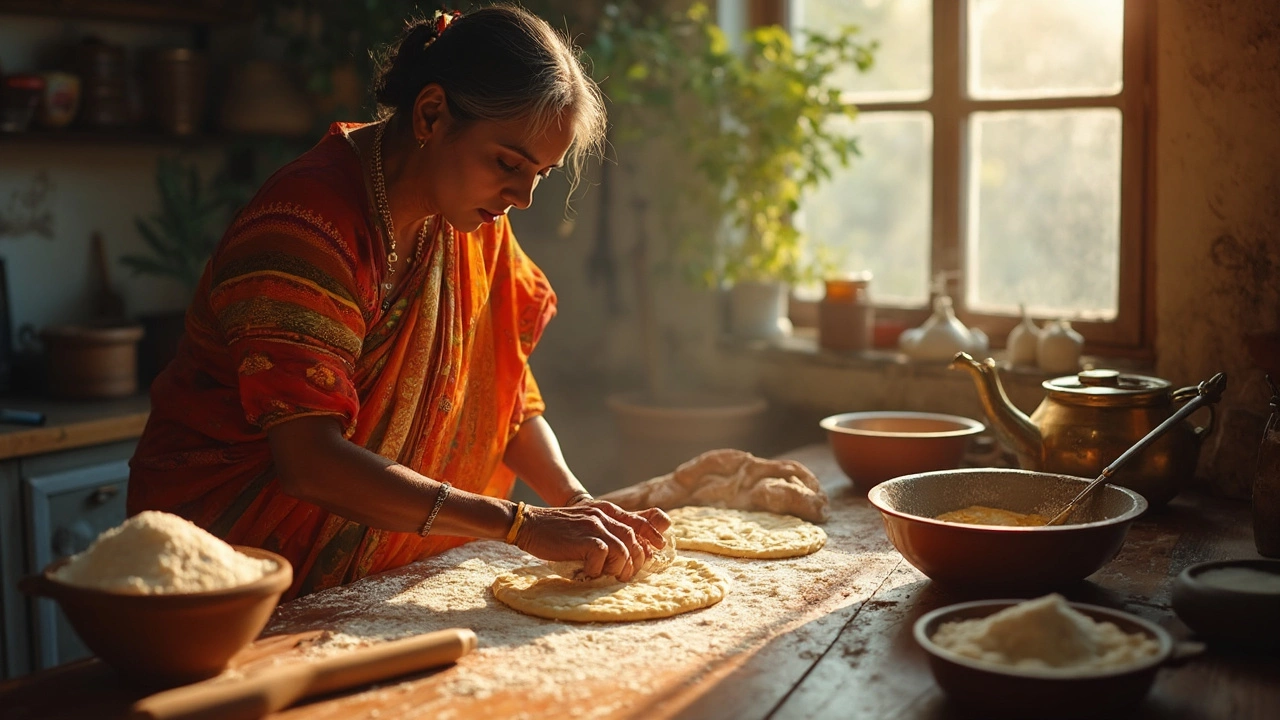
What is the Secret to Making Soft Chapatis? Simple Roti Making Tips
If your chapatis always turn out hard or chewy, you're not alone. Soft chapatis depend on small but important tricks, like dough consistency, resting time, and cooking technique. This article breaks down the real secrets to pillowy chapatis that stay soft for hours. It also busts a few myths and shares quick fixes for common problems. Anyone can master soft chapatis with a few simple changes.