Soft Dough: How to Get Perfect Texture for Roti, Naan, and More
When you’re making soft dough, a pliable, elastic mixture of flour, water, and sometimes fat or yogurt that forms the base for Indian flatbreads like roti and naan. Also known as Indian bread dough, it’s the foundation of countless meals—from breakfast chapatis to dinner naan. Getting it right isn’t about following a rigid recipe. It’s about feeling the texture, understanding how ingredients interact, and knowing when to stop kneading.
Most people think soft dough means adding more water, but that’s often the mistake. Too much water makes dough sticky and hard to handle. Too little makes it crumbly and tough after cooking. The real trick is balance. For roti, you want dough that’s smooth, slightly cool to the touch, and springs back gently when pressed. For naan, a little yogurt or milk adds tenderness, while a pinch of sugar helps with browning. The key is letting the flour hydrate fully—resting the dough for at least 20 minutes lets the gluten relax and the water absorb evenly. This is why your roti turns out soft for days, not hard the next morning.
Related to dough consistency, the physical state of the dough that determines how easily it rolls, stretches, and cooks is the temperature of your water. Cold water slows gluten development, giving you more time to work with the dough before it tightens up. Warm water speeds it up, which is fine if you’re in a hurry, but can lead to a chewier result. Then there’s flour type, the specific kind of wheat used, usually atta (whole wheat flour) in India, which has higher protein and fiber than all-purpose flour. Atta absorbs more water, so you need to adjust accordingly. If your dough feels dry, add water a teaspoon at a time. If it’s sticky, dust with flour—not too much, just enough to stop sticking.
What you’ll find in the posts below are real, tested fixes for soft dough problems. How to fix dough that won’t stretch. Why resting matters more than kneading. How to store dough overnight without drying it out. And how the same dough can make both fluffy roti and crisp tandoori naan, depending on how you handle it. No magic. No fancy tools. Just clear, step-by-step tricks that work in home kitchens across India.
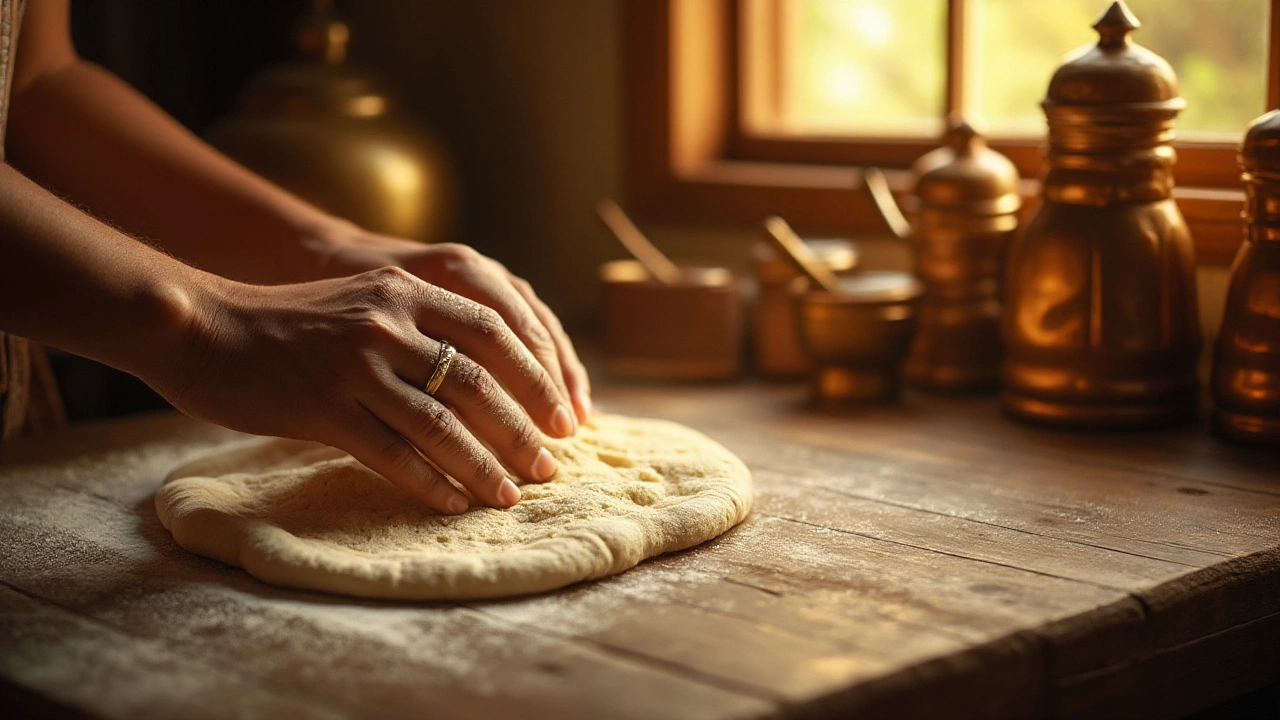
The Secret to Perfectly Soft Roti Dough: Tips and Tricks
Creating soft and fluffy roti that melts in your mouth is an art that many aspire to master. From selecting the right flour to achieving the perfect dough consistency, the process involves several key factors. Explore practical tips and intriguing facts that will elevate your roti-making skills. This guide delves into the intricacies of kneading, resting time, and moisture balance to help you craft roti that impresses both family and friends.