South Indian Food: Authentic Flavors, Fermented Batters, and Everyday Staples
When you think of South Indian food, a vibrant, spice-driven cuisine from the southern states of India known for its use of rice, lentils, coconut, and tamarind. Also known as Dravidian cuisine, it’s the kind of food that starts your day with a crisp dosa and ends it with a bowl of steaming sambar over rice. This isn’t just regional cooking—it’s a system built on fermentation, balance, and fresh ingredients that haven’t changed much in centuries.
What makes South Indian food stand out? It’s the dosa batter, a fermented mix of rice and black lentils that transforms overnight into light, airy, crispy pancakes. You won’t find this in North Indian kitchens—it’s a slow process that needs warmth, time, and patience. Then there’s sambar, a lentil-based vegetable stew flavored with tamarind, mustard seeds, and curry leaves, served with almost every meal. And let’s not forget chutney, the tangy, spicy condiment that cuts through richness—made from coconut, tomatoes, or lentils, never sweetened like jam. These aren’t side dishes. They’re the backbone of the meal.
South Indian food doesn’t rely on heavy cream or butter. It gets its depth from roasted spices, coconut oil, and the natural funk of fermentation. You’ll find idli steamed in bamboo baskets, vada fried into doughnut-shaped fritters, and rasam sipped like soup. It’s food that’s designed to be eaten daily, not just for festivals. And while it’s often labeled as "vegetarian," it’s not just about skipping meat—it’s about making plants the star. Rice isn’t just a side here; it’s the canvas. Roti? Rare. Dosa? Daily. That’s the rhythm.
What you’ll find in the posts below isn’t just recipes. It’s the why behind the how. Why do you ferment dosa batter for two days? Why is chutney jarred hot? Why is sambar never too thick? These aren’t random tricks—they’re rules passed down through generations. You’ll learn how to fix sour batter, how to stop lentils from tasting bitter, and how to make chutney that lasts without preservatives. This is South Indian food as it’s cooked at home—not in restaurants, not on TV, but in kitchens where the smell of mustard seeds popping is part of the morning alarm.
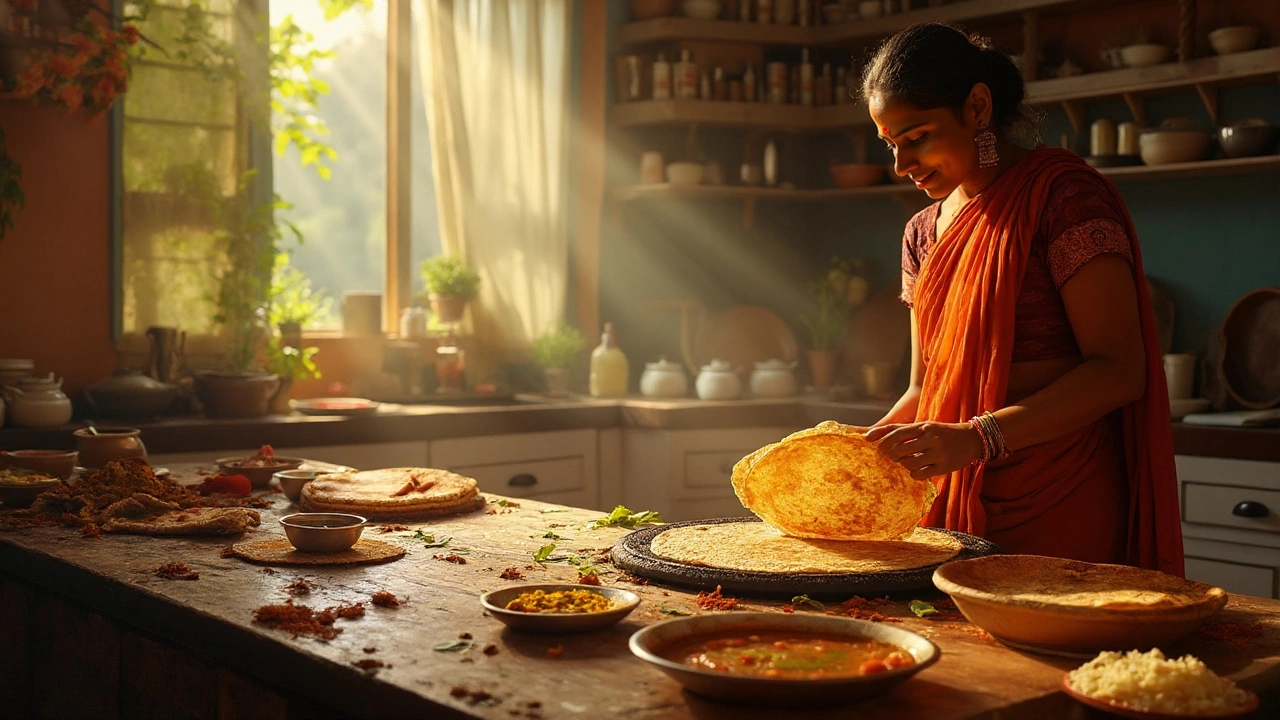
Can You Eat Dosa Every Day? Health Facts, Nutrition & Tips
Thinking of eating dosa every day? Get the facts on dosa's nutrition, health pros and cons, tasty variations, and tips to enjoy this South Indian classic wisely.