Spice Blends: Essential Indian Mixes for Flavor, Health, and Authentic Cooking
When you think of Indian food, you’re really thinking of spice blends, carefully balanced mixtures of ground seeds, roots, and dried fruits that define regional flavors and healing traditions. Also known as masalas, these blends aren’t just for taste—they’re the foundation of digestion, immunity, and deep, layered flavor in every home-cooked meal. Unlike pre-packaged powders from a store, traditional Indian spice blends are made fresh, toasted, and ground in small batches, unlocking oils and aromas that shelf-stable versions can’t match.
These blends aren’t random. tandoori spices, a mix of cumin, coriander, garam masala, paprika, and garlic, designed for high-heat cooking create that signature smoky char on chicken. curry spice blend, a dynamic mix often including turmeric, fenugreek, mustard seeds, and dried chilies builds depth in lentils and vegetables. And then there are the healing ones—like blends loaded with anti-inflammatory spices, turmeric, ginger, black pepper, and cinnamon, proven to reduce swelling and support gut health—used daily in dal and chutneys. These aren’t just recipes. They’re ancient formulas, passed down because they work.
You’ll find these blends in nearly every post here—not as abstract ideas, but as real tools. How do you make paneer without lemon? It’s not just vinegar—it’s the right spice base that balances acidity. Why is tandoori chicken so good? It’s not just the grill—it’s the masala rubbed in and left to breathe overnight. Even chutney isn’t just fruit and sugar—it’s a fermented spice blend that cuts through grease and wakes up your palate. These aren’t separate topics. They’re all connected by the same core: the power of spices used right.
What you’ll find below isn’t a list of random recipes. It’s a practical guide to how spice blends shape Indian cooking—from the dough for roti that’s brushed with ghee and cumin, to the biryani rice soaked in cardamom and cloves, to the dal that’s made bitter-free with a pinch of roasted cumin. Whether you’re trying to make your food taste more authentic, healthier, or just more satisfying, the answers are in the blend. No fancy tools. No hard-to-find ingredients. Just the right mix, at the right time, in the right amount.
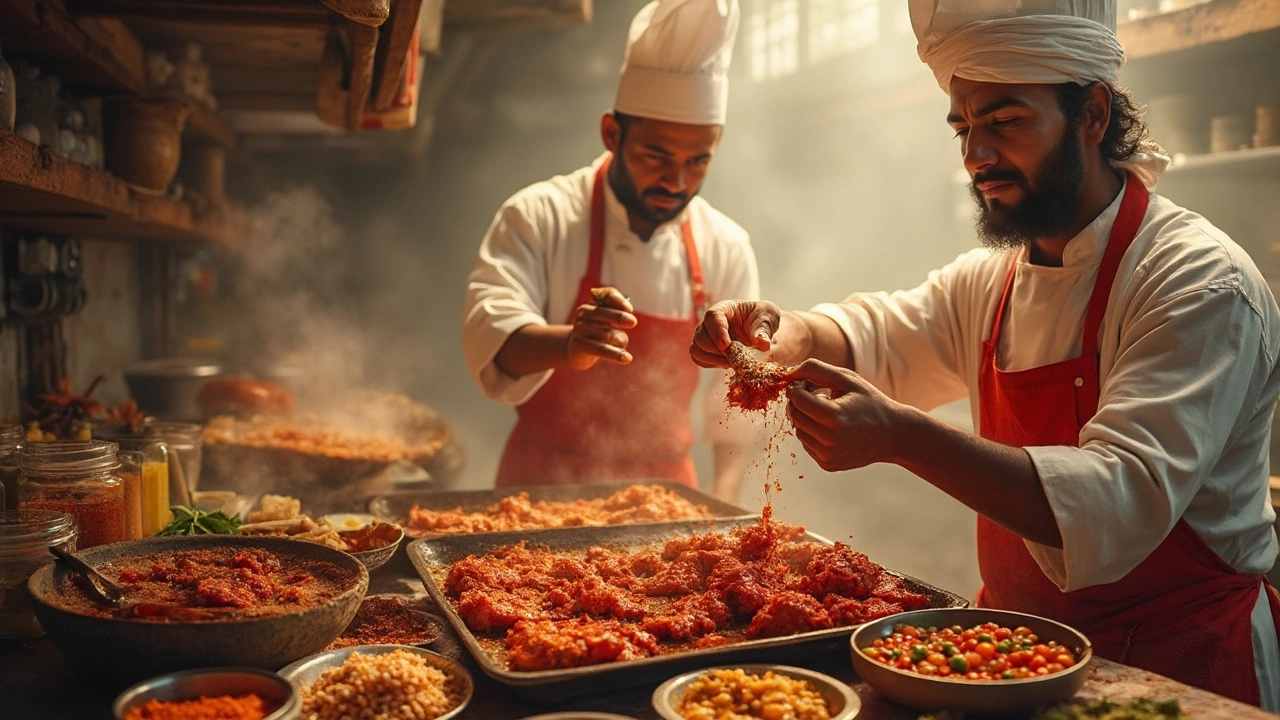
Are Tandoori and Tikka Paste the Same? Let's Unravel the Mystery
Tandoori and tikka pastes might seem interchangeable, but they each bring unique flavors to dishes. While both are key to achieving authentic Indian cuisine, they have distinct ingredients and uses. Dive into the world of these pastes to understand their differences and how to best use them in your cooking. Whether you're preparing a smoky tandoori chicken or a spicy tikka, this guide will help you make the perfect choice.