Street Vendors in India: What You Need to Know About Food, Culture, and Safety
When you think of street vendors in India, mobile food sellers who serve quick, flavorful meals on sidewalks, bus stops, and busy corners across the country. Also known as hawker stalls, they’re not just food sellers—they’re the real backbone of urban eating habits. Walk through any Indian city at dawn or dusk, and you’ll see them: the chai wallah pouring hot tea into tiny cups, the vada pav seller flipping golden fritters, the golgappa vendor stacking crispy shells with tangy water. These aren’t random setups. They’re part of a system that feeds millions every day—affordable, fast, and deeply personal.
Indian street food, a wide range of snacks and meals prepared and sold openly on streets, often using traditional recipes passed down for generations isn’t just about taste—it’s about rhythm. It fits into the pace of life. A student grabs a pani puri between classes. A driver eats a samosa while waiting for traffic to move. A worker starts their day with a hot paratha. This food isn’t fancy, but it’s reliable. And yes, it’s safe—if you know what to look for. Many people worry about hygiene, but most vendors follow unspoken rules: fresh oil, clean cloths, daily ingredient checks. The ones who don’t? They don’t stay in business long. The real danger isn’t the food itself—it’s the lack of awareness. Things like raw water, reused oil, or unrefrigerated chutneys can cause trouble. But so can avoiding street food altogether and missing out on some of India’s most authentic flavors.
Indian food culture, the way food is prepared, shared, and consumed in everyday life, shaped by region, religion, and history doesn’t separate home cooking from street cooking. The same spices—cumin, coriander, turmeric—show up in both. The same techniques—tempering, slow frying, fermenting—build flavor in kitchens and carts alike. Even the way people say "Tata" when leaving a stall isn’t just slang—it’s a quiet ritual, a nod to the speed and warmth of the exchange. This culture isn’t frozen in time. It’s evolving. More vendors now use covered stalls, disposable plates, and even digital payments. But the heart hasn’t changed: good food, made fast, for everyone.
What you’ll find in the posts below isn’t just a list of dishes. It’s a guide to understanding what makes street food work—why some items are safer than others, how to spot a trustworthy vendor, why certain flavors stick with you long after you’ve eaten, and how even simple things like chutney or roti play a role in daily survival. You’ll learn how to enjoy street food without fear, and why so many Indians wouldn’t trade it for a five-star restaurant.
Indian Street Food: Why Eating With Hands is Key
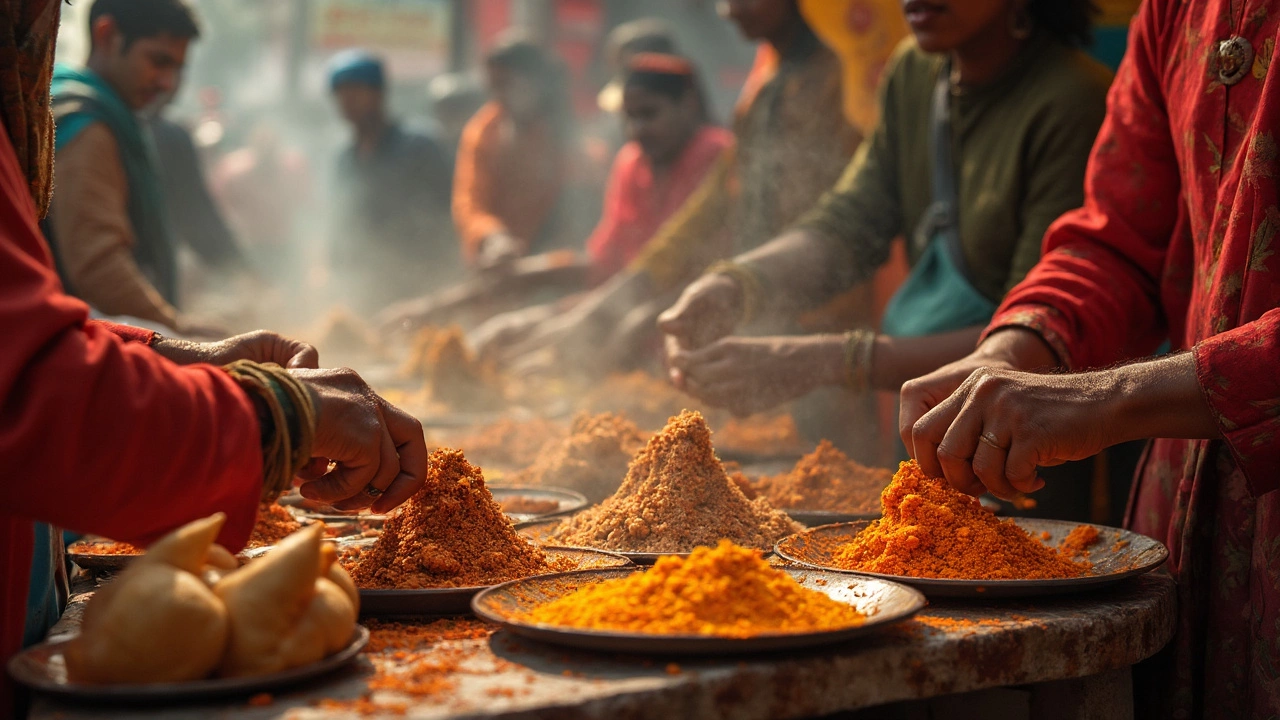
Indian street food bursts with flavors, colors, and the unique habit of eating with hands. This article explores why hands matter so much on India's bustling streets. You'll learn about tradition, science, and how vendors actually make things tastier and faster by hand. The article spills useful tips for visitors on embracing this messy, delicious style. There's a deeper story here, blending practicality, flavor, and community.