Sweet Taste in Indian Food
When you think of sweet taste in Indian food, a natural, balanced sweetness derived from jaggery, fruits, and spices rather than refined sugar. Also known as traditional Indian sweetness, it’s not just for desserts—it’s woven into curries, chutneys, and even lentils to round out sharp flavors. This isn’t about candy or syrup. It’s about how Indian cooking uses sweetness as a tool, not a dessert-only afterthought.
Take jaggery, an unrefined cane sugar made by boiling sugarcane juice until it solidifies. Also known as gur, it’s the backbone of sweetness in homes across India, from Maharashtra to Tamil Nadu. Unlike white sugar, jaggery adds depth—earthy, molasses-like, with minerals. It’s what gives sweet-and-sour chutneys their complexity, and why a spoonful in dal cuts through bitterness without making it cloying. Then there’s fruit-based sweetness, from ripe mangoes in aam panna to dried dates in kheer. These aren’t just ingredients—they’re flavor anchors that balance heat, salt, and tang. Even in savory dishes like biryani or pulao, a pinch of sugar or a few raisins is added not to make it sweet, but to make it taste whole.
And let’s not forget sweet chutney, a thick, spiced condiment made from tamarind, jaggery, and dried fruits. Also known as mishti chutney, it’s served with samosas, pakoras, and even chaat. It’s the surprise element that makes you take a second bite. This isn’t jam. It’s not syrup. It’s a flavor bridge—between spicy and sour, crunchy and soft. That’s the Indian way: sweetness doesn’t shout. It listens. It completes.
What you’ll find in the posts below isn’t just recipes. It’s the real talk behind how sweetness works in Indian kitchens—from why you don’t need sugar to make perfect paneer, to how chutney can be both spicy and sweet without being confusing. You’ll see how home cooks use natural sources to control flavor, how regional styles vary, and why some dishes taste better because they’re not overly sweet. No fluff. No sugar-coating. Just the facts, the tricks, and the why behind the taste you love.
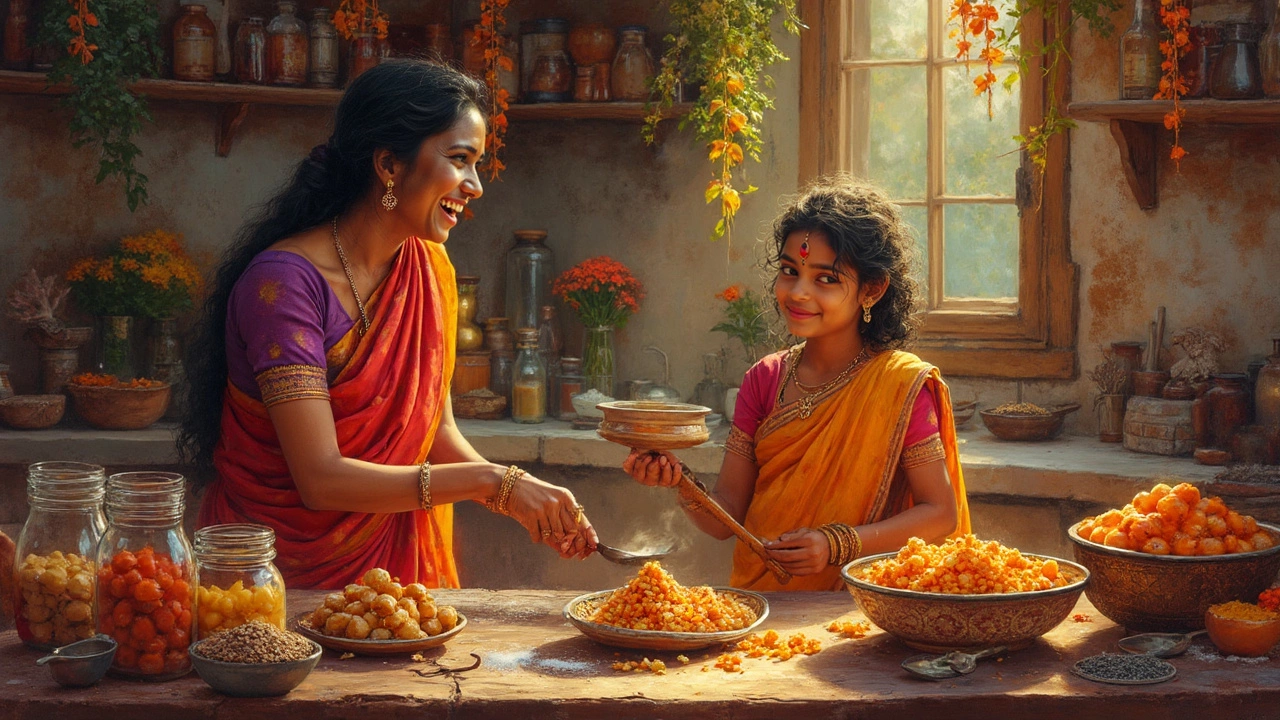
Sweet Taste in Indian Food: Why It’s Irresistible and How to Use It
Ever wondered why Indian food tastes so sweet? This article dives into the ingredients and kitchen secrets that give Indian sweets and even savory dishes that unique sugary hit. Get to know the classic and modern sweeteners, how they're used, and how you can balance sweet flavors at home. You'll even find tips for making your own Indian sweets taste even better. Whether you're a beginner or an experienced home cook, there's something here that'll change the way you cook (and eat!) Indian food.