Tandoori Seasoning: What It Is, How It Works, and What You Can Substitute
When you think of tandoori seasoning, a fiery, aromatic blend of spices used to marinate meats and vegetables for cooking in a tandoor oven. Also known as tandoori masala, it’s the secret behind that deep red color and smoky-sour punch that makes tandoori chicken so addictive. This isn’t just another spice mix—it’s a flavor engine. It pulls together cumin, coriander, paprika, garlic, ginger, and fenugreek, all tied together with a touch of heat from chili and the tang of amchur or lemon. The magic doesn’t stop there. Tandoori seasoning works because it’s paired with yogurt marinade, a natural tenderizer that helps spices cling to meat and locks in moisture during high-heat cooking. Without yogurt, the spices just sit on the surface. With it, they sink in, transforming the texture and taste from the inside out.
Tandoori seasoning isn’t just for chicken. It’s the backbone of tandoori chicken, a classic Indian dish where bone-in pieces are coated in spice paste and cooked in a clay oven at extreme heat. But if you look at the recipes on this site, you’ll see it shows up in paneer, cauliflower, shrimp, even vegetables roasted on the grill. It’s the same blend, just adapted. And while the traditional version uses real tandoor ovens, home cooks use ovens, grills, or air fryers—no special equipment needed. The key is the spice ratio: enough heat to wake you up, enough smoke to feel like you’re at a roadside stall in Delhi, and enough acidity to balance it all. You’ll find that many of the posts here dig into how to tweak this blend—what to swap when you’re out of Kashmiri chili, or how to make it without food coloring. Some even explain why adding a pinch of sugar helps the spices caramelize better on the surface.
What’s interesting is how tandoori seasoning ties into bigger ideas about Indian cooking. It’s not just about flavor—it’s about technique. The way spices are ground, how long they’re mixed with yogurt, whether you let the meat sit overnight—all of it matters. And it’s not just about the blend itself. It’s about the culture behind it: street food stalls in Punjab, family recipes passed down through generations, and the way modern cooks are making it vegan or lower-sodium without losing the soul. The posts below cover all of that. You’ll learn how to make your own tandoori seasoning from scratch, what common mistakes ruin the color or texture, and how to use it in dishes you never thought possible. Whether you’re trying to replicate that restaurant taste at home or just want to understand why it tastes so different from other Indian curries, you’ll find answers here—no fluff, no guesswork, just clear, practical tips that work in your kitchen.
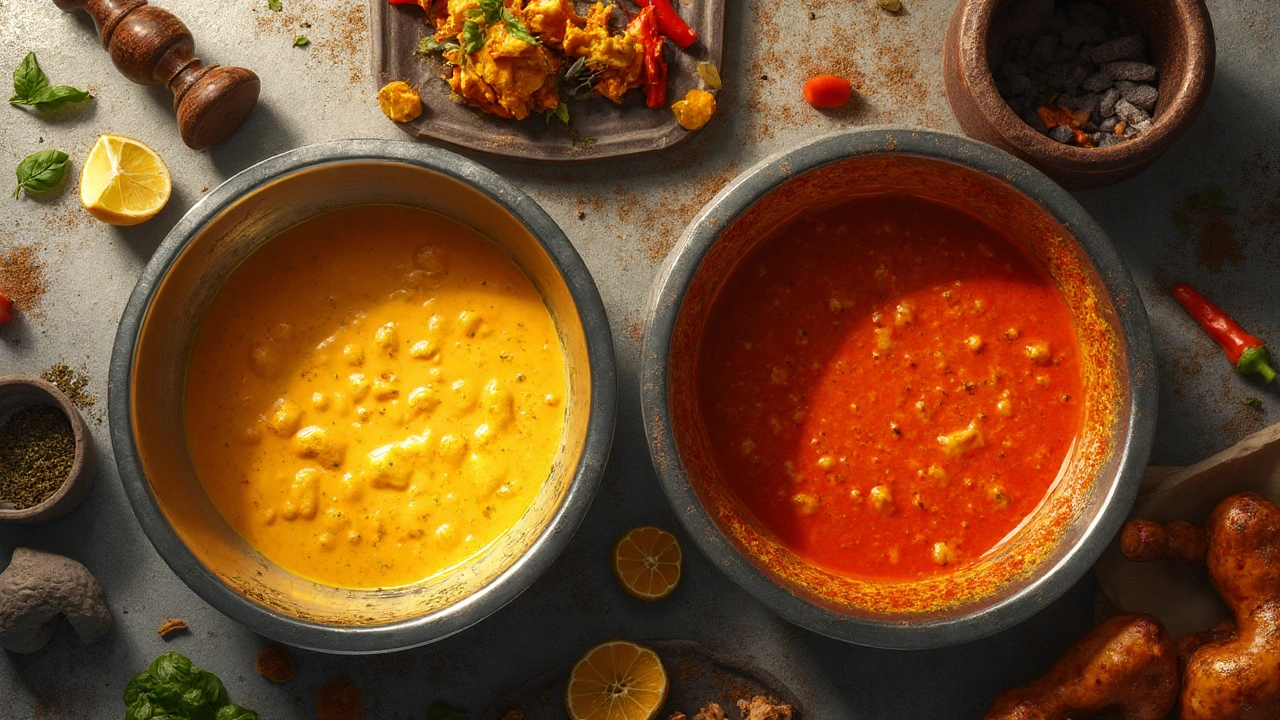
Tikka vs Tandoori Seasoning: Ingredients, Flavour, and When to Use Each
Learn the real difference between tikka and tandoori seasoning: ingredients, flavour, best uses, quick DIY blends, and cooking tips for perfect colour and char.