Tradition in Indian Cooking: What It Really Means in the Kitchen
When we talk about tradition, the lived practices passed down through families and communities that shape how food is made, shared, and remembered. Also known as food culture, it’s not about sticking to rules—it’s about understanding why those rules exist. In Indian kitchens, tradition isn’t locked in a book. It’s in the way your grandmother knew exactly when the dough was ready by feel, or how your aunt always jars chutney while it’s still hot to keep it safe for months. These aren’t random habits—they’re solutions tested over decades, shaped by climate, resources, and taste.
Look at homemade paneer, a fresh cheese made by curdling milk with acid, often without lemon. Also known as Indian cottage cheese, it’s a staple in homes across the country. You won’t find one single recipe for it. Some use vinegar. Others use citric acid. Some even use yogurt. Why? Because each method works in different kitchens, with different milk, different temperatures. Tradition here isn’t about being ‘right’—it’s about being practical. The same goes for chutney preservation, the art of storing spicy, tangy condiments without refrigeration. Also known as canning Indian chutney, it’s a skill that keeps flavors alive through monsoons and heatwaves. Jarring it hot? That’s not a suggestion—it’s a safety rule born from real experience. Mold doesn’t wait for convenience.
Even the way you serve rice over roti, or say ‘Tata’ instead of ‘bye’ at a street food stall, ties back to this same thread. Tradition isn’t about nostalgia. It’s about smart, simple solutions that survived because they worked. You’ll find it in how roti stays soft for days without preservatives, how lentils lose their bitterness with a pinch of baking soda, or why biryani rice is boiled for exactly so long before steaming. These aren’t random tips—they’re inherited wisdom, written in practice, not textbooks.
What you’ll find below isn’t a list of old recipes. It’s a collection of real, working traditions—the kind you learn by watching, not reading. From perfecting round roti to knowing why tandoori chicken tastes different from chicken tikka, each post cuts through the noise and shows you what actually matters in the kitchen. No fluff. Just what works.
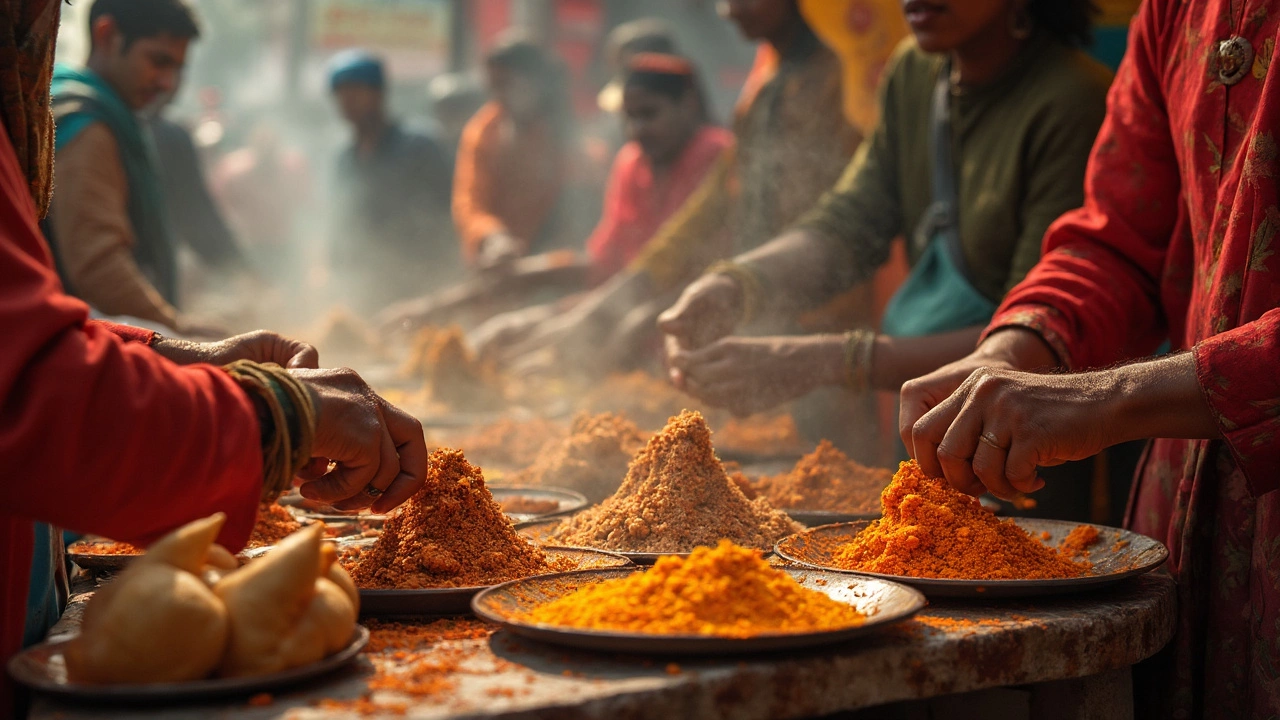
Indian Street Food: Why Eating With Hands is Key
Indian street food bursts with flavors, colors, and the unique habit of eating with hands. This article explores why hands matter so much on India's bustling streets. You'll learn about tradition, science, and how vendors actually make things tastier and faster by hand. The article spills useful tips for visitors on embracing this messy, delicious style. There's a deeper story here, blending practicality, flavor, and community.