Travel Tips for India: Safe Eating, Local Customs, and Food Secrets
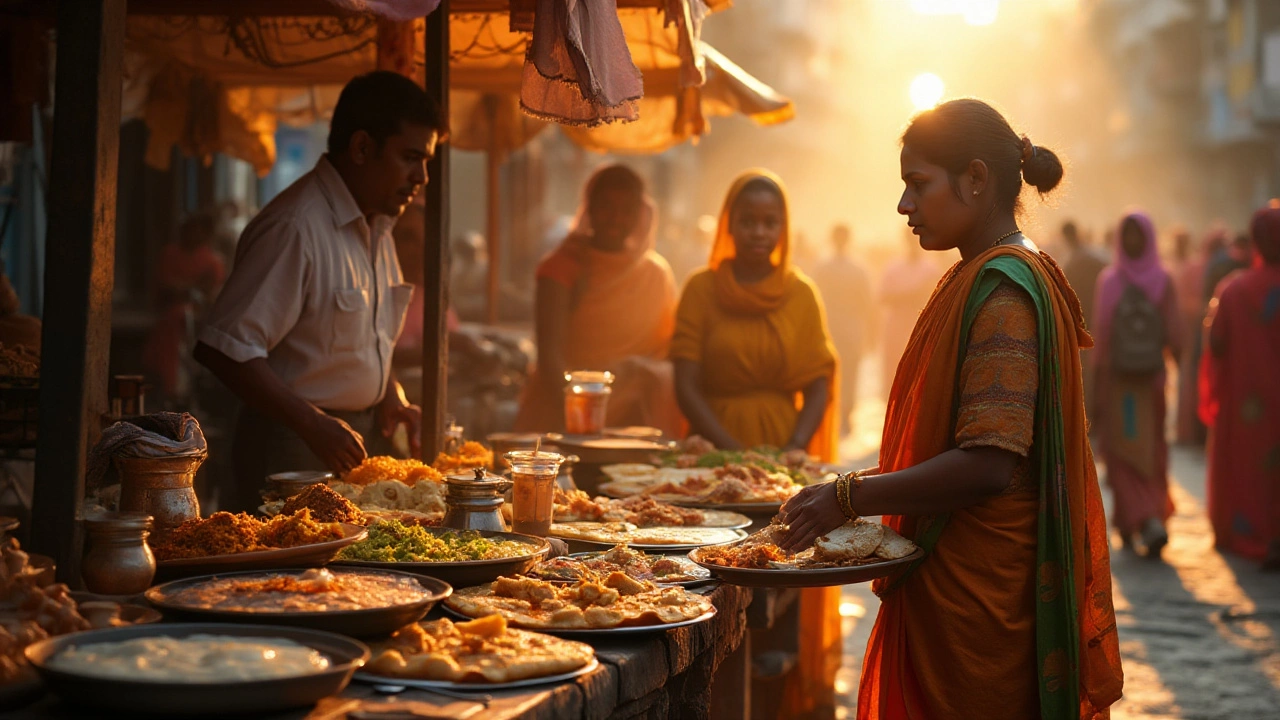
When you're traveling in India, travel tips, practical advice for navigating food, culture, and daily life on the ground aren't just helpful—they're essential. It's not about avoiding the country's famous street food. It's about knowing how to enjoy it without getting sick. Many visitors worry about what to eat, but the real issue isn't the food itself—it's how it's handled. Simple choices, like drinking bottled water or picking busy stalls where food is cooked fresh in front of you, make all the difference. Indian street food, a vibrant, affordable, and deeply cultural part of daily life across cities and towns is safe when you know what to look for. And yes, it’s worth the risk—if you play it smart.
Then there’s the language of everyday life. Why do people say "Tata" instead of "bye"? It’s not a mispronunciation—it’s cultural habits India, unwritten social patterns shaped by history, speed, and warmth. These small behaviors tell you more about the place than any guidebook. You’ll notice how meals are layered—rice over roti isn’t random, it’s tradition. You’ll see chutneys served with every snack, not just as condiments but as flavor balance tools. And you’ll hear people laugh as they hand you a warm roti with their bare hands, no utensils needed. These aren’t quirks. They’re the rhythm of Indian life.
Food safety is another layer. Indian food safety, the combination of hygiene practices, ingredient freshness, and preparation methods that determine whether a meal is enjoyable or risky isn’t about fancy kitchens. It’s about steam, heat, and speed. If a dish is bubbling hot, served right off the flame, and the vendor handles money and food with separate hands—you’re good. Avoid anything sitting out in the open for hours. Skip raw salads unless you’re sure they’re washed in purified water. And always trust your gut—literally. If something feels off, walk away. You’ll find better food just around the corner.
What you’ll find below isn’t a list of dos and don’ts. It’s a collection of real stories and practical fixes from people who’ve been there. You’ll learn why some dal tastes bitter (and how to fix it), what makes tandoori chicken so addictive, how to keep roti soft for days, and why chutney is jarred while hot. You’ll see why some Indian breakfasts are going viral, what dishes are naturally vegan, and how to tell chicken tikka apart from tandoori chicken. These aren’t just recipes. They’re tools for eating smarter, traveling safer, and connecting deeper with the culture. Whether you’re planning your first trip or your tenth, these insights turn confusion into confidence—and hunger into joy.
Avoid These Mistakes When Choosing Indian Breakfast Items
Traveling to India offers a chance to delight in its vibrant culture and rich cuisine. However, when exploring the world of Indian breakfasts, it's important to know what not to bring along. Some common items may not blend well with local flavors, and understanding these can enhance your culinary experience. This guide offers insights into Indian breakfast customs, dietary considerations, cultural etiquette, and tips for enjoying an authentic meal.