Vegetarian Indian Recipes: Simple, Flavorful Meals Made with Fresh Ingredients
When you think of vegetarian, a way of eating that avoids meat but embraces plant-based proteins, spices, and whole foods. Also known as plant-based Indian cooking, it’s not just a diet—it’s a tradition rooted in centuries of regional kitchens where lentils, vegetables, and dairy like paneer, a fresh, unaged Indian cheese made by curdling milk with acid shine. This style of cooking doesn’t need meat to be rich, filling, or deeply satisfying. In fact, many of India’s most loved dishes—like dal, a comforting stew made from cooked lentils or pulses, often spiced with turmeric and cumin, or crispy dosa, a fermented rice and lentil crepe from South India—were never meant to include animal flesh. They’re built on flavor, texture, and balance, not substitution.
What makes Indian vegetarian food so powerful is how it turns simple ingredients into something extraordinary. A bowl of dal isn’t just beans and water—it’s a slow-simmered blend of garlic, ginger, mustard seeds, and dried red chilies that wake up your taste buds. Paneer doesn’t need to mimic cheese from elsewhere; its soft, milky texture soaks up spices like a sponge, making it perfect in curries, stir-fries, or even grilled on skewers. And when you skip dairy? You still get full meals: chana masala with chickpeas, sambar with tamarind, or a Bobo breakfast of roasted chana and roti—all naturally vegan, protein-packed, and ready in minutes. You don’t need fancy tools or hard-to-find spices. Most of what you need is already in your pantry: cumin, coriander, turmeric, mustard seeds, and fresh tomatoes. The magic happens in the heat of the pan, the steam of the pressure cooker, and the patience of fermentation.
There’s a reason vegetarian Indian food is spreading across the world. It’s not because it’s trendy—it’s because it works. It keeps you full without weighing you down. It uses seasonal produce, reduces waste, and fits into busy lives. Whether you’re making homemade paneer from fresh milk, learning how to keep roti soft for days, or figuring out which chutneys fight inflammation, every recipe here is built on real kitchen experience—not theory. You’ll find tips on avoiding bitterness in lentils, the right way to ferment dosa batter, and how to tell the difference between a chutney and a jam. No fluff. No guesswork. Just clear, practical advice from kitchens across India.
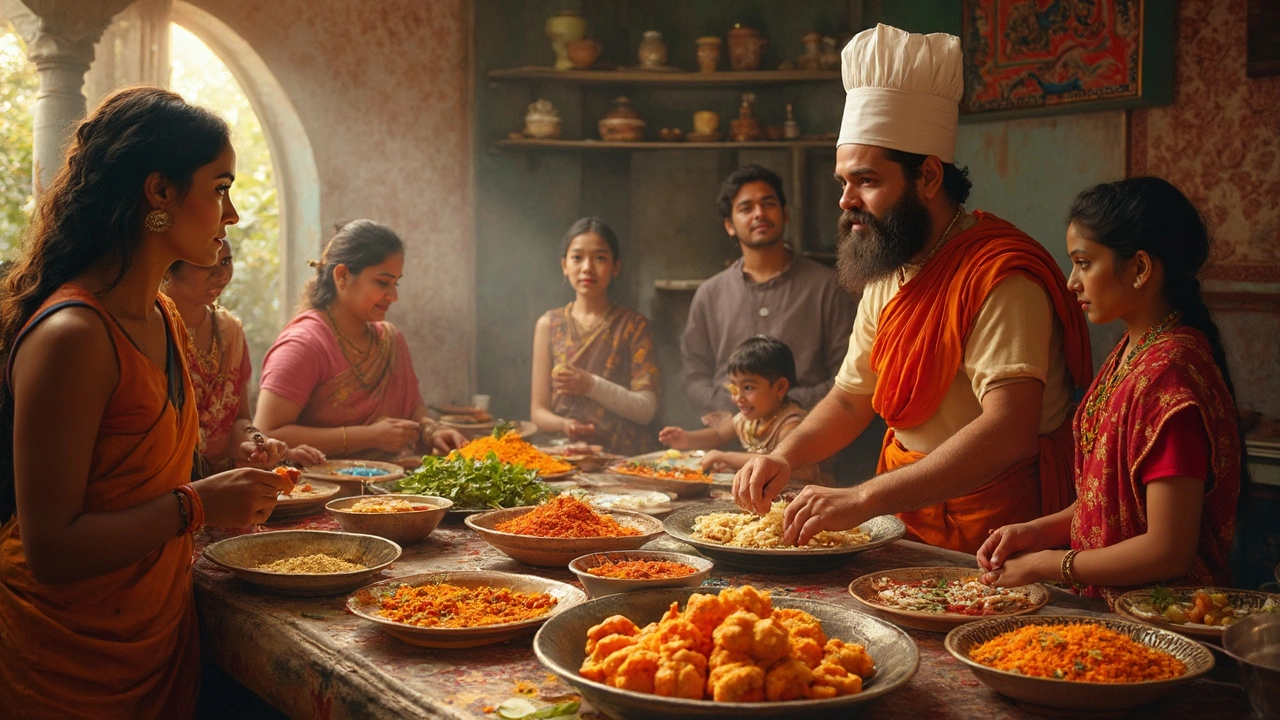
Vegetarian Jain Meal: A Taste of Heaven with a Twist
Ever wondered what makes a vegetarian Jain meal unique? It's more than just skipping meat. Jain meals, rooted deeply in Indian tradition, emphasize non-violence and simplicity. With no root vegetables allowed, these meals are a creative delight offering a plethora of flavors. Dive into this fascinating world and discover the principles, choices, and preparation behind a true Jain vegetarian meal.