Vegetarian Countries: Where Plant-Based Eating Is a Way of Life
When we talk about vegetarian countries, nations where a large portion of the population eats mostly or entirely plant-based meals for cultural, religious, or health reasons. Also known as plant-based food cultures, these places don’t just offer vegetarian options—they build entire meals around them, with no need to ask for substitutions. India isn’t just one of them—it’s the biggest. Over 38% of Indians are vegetarian, and for many, it’s not a choice but a daily rhythm shaped by centuries of tradition, temple food, and family habits.
What makes Indian vegetarian food different from other plant-based diets, eating patterns that avoid meat and sometimes other animal products, often for ethical or health reasons. Also known as vegan lifestyles, it’s the way spices, legumes, and grains come together without relying on meat substitutes. You won’t find fake chicken here. Instead, you’ll get chana masala made with chickpeas simmered in tomato and cumin, dal cooked with turmeric and garlic, or paneer fried in ghee and served with roti. These aren’t "alternatives"—they’re the main event. And because dairy is still common in many Indian vegetarian meals, you’ll often find yogurt in raita, ghee in rice, or milk in sweets. But even that’s changing. More people are now choosing vegan Indian dishes, plant-based meals from India that skip dairy entirely, using coconut milk, nut pastes, or water-based gravies instead. Also known as dairy-free Indian food, these meals are growing fast in cities like Mumbai and Bangalore, where health and ethics are reshaping old habits.
It’s not just about what’s on the plate—it’s about how food is made, shared, and thought of. In many Indian homes, a meal isn’t complete without dal, rice, and a side of pickle. Street vendors serve masala dosa wrapped in paper, not plastic. Breakfast might be roasted chana with a slice of bread—no eggs, no bacon, no fuss. And in places like Gujarat, Punjab, or Rajasthan, entire communities have lived this way for generations. You don’t need to be a monk or a yoga teacher to eat this way. You just need to sit down at the table.
That’s why the posts here aren’t about forcing vegetarianism. They’re about showing you how it already works—naturally, deliciously, and without compromise. You’ll find how to make paneer without lemon, how to keep roti soft for days, why chutney isn’t jam, and which Indian dishes are already vegan without you even noticing. You’ll learn what’s in dosa batter, how to fix bitter lentils, and why biryani rice needs just the right boil. These aren’t niche recipes. They’re everyday meals from kitchens across India—simple, real, and built on fresh ingredients. Whether you’re trying to eat more plants, curious about Indian food, or just tired of the same old salads, what follows is a collection of honest, practical ways to cook and eat better—with no meat needed.
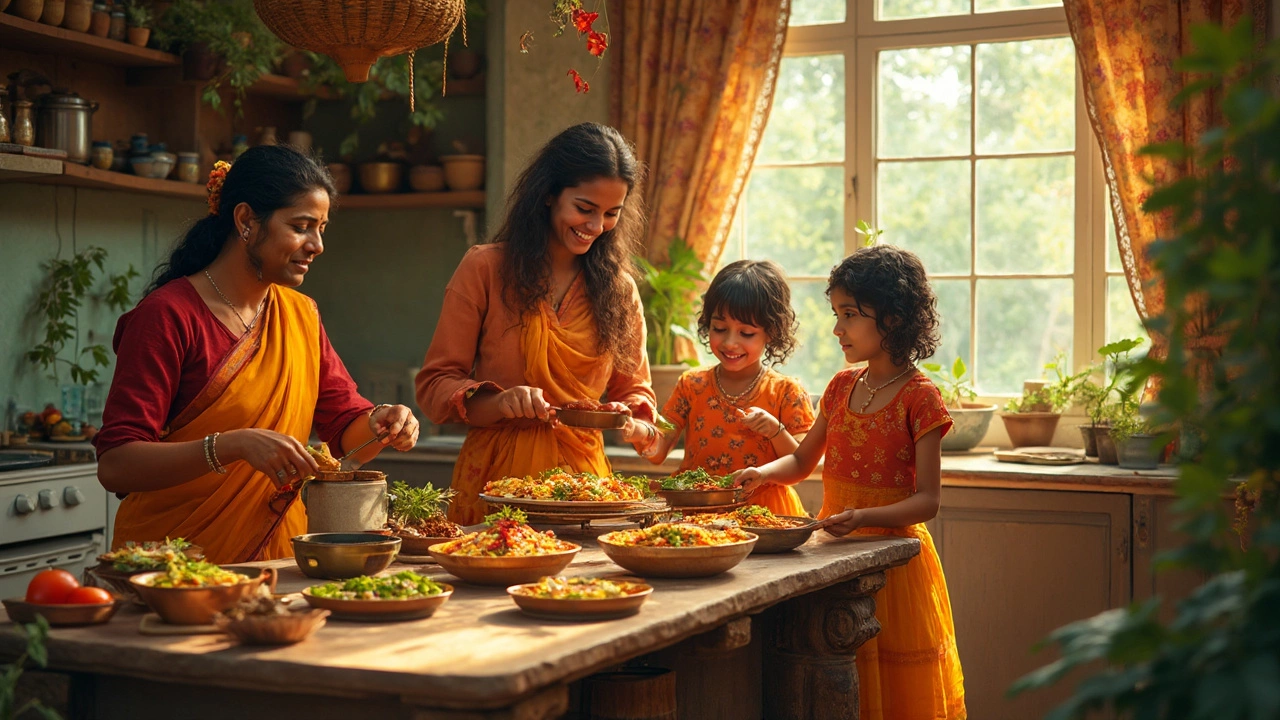
Which Country Is Pure Vegetarian? Eye-Opening Facts for Indian Food Lovers
People often wonder which country can claim to be 'pure vegetarian.' This article explores what pure vegetarianism really looks like in different countries, with a close look at India’s unique relationship with vegetarian food. You’ll get clear facts, surprising statistics, and practical tips for cooking and eating vegetarian Indian dishes. We’ll bust myths and show you why the idea of a 'pure vegetarian country' is more complicated than it sounds. Expect simple tips, fun facts, and ideas you can use in your own kitchen.