High-Protein Indian Sweet Calculator
Build Your Snack
Sweet Name
Fitness FriendlyDescription goes here.
We all love the taste of Indian sweets, also known as mithai. They are a big part of our culture, festivals, and celebrations. But here is the hard truth: most traditional mithai is loaded with sugar, ghee, and refined flour. If you are watching your weight or trying to build muscle, eating a regular Gulab Jamun can feel like cheating on your diet. You might wonder if it is even possible to enjoy a sweet treat without ruining your progress.
The good news is that yes, there are Indian sweets high in protein. You do not have to give up dessert completely. By swapping out heavy ingredients like maida (refined wheat) and excessive sugar for protein-rich bases like paneer, nuts, and legumes, you can create desserts that actually support your fitness goals. Let’s look at which options work best and how to make them fit into your daily routine.
Why Most Indian Sweets Fail the Protein Test
To understand what makes a sweet "high in protein," we first need to look at why standard options fall short. Traditional Indian desserts rely heavily on three main ingredients: khoya (reduced milk solids), maida, and sugar. While khoya does contain some protein from milk, the amount is usually overshadowed by the massive quantity of fat and carbohydrates. For example, a single piece of Rasgulla or Barfi might only have 1-2 grams of protein but over 100 calories from sugar and fat.
If your goal is to hit a daily protein target-say, 80 to 100 grams for an active adult-eating these treats adds empty calories without helping your muscles recover. The key to finding a high-protein alternative is to change the base ingredient. Instead of starting with sugar or dough, start with a protein source. This shifts the nutritional profile entirely, turning a guilt-inducing snack into a functional food.
Paneer: The Ultimate High-Protein Sweet Base
When people ask which Indian sweet is high in protein, the answer almost always points to Paneer is a fresh, non-melting cheese made by curdling milk with lemon juice or vinegar. Paneer is incredibly versatile. It has a mild, creamy taste that absorbs flavors well, making it perfect for desserts. One hundred grams of paneer contains about 18 to 20 grams of protein, depending on the fat content of the milk used. This makes it one of the highest protein dairy products available in India.
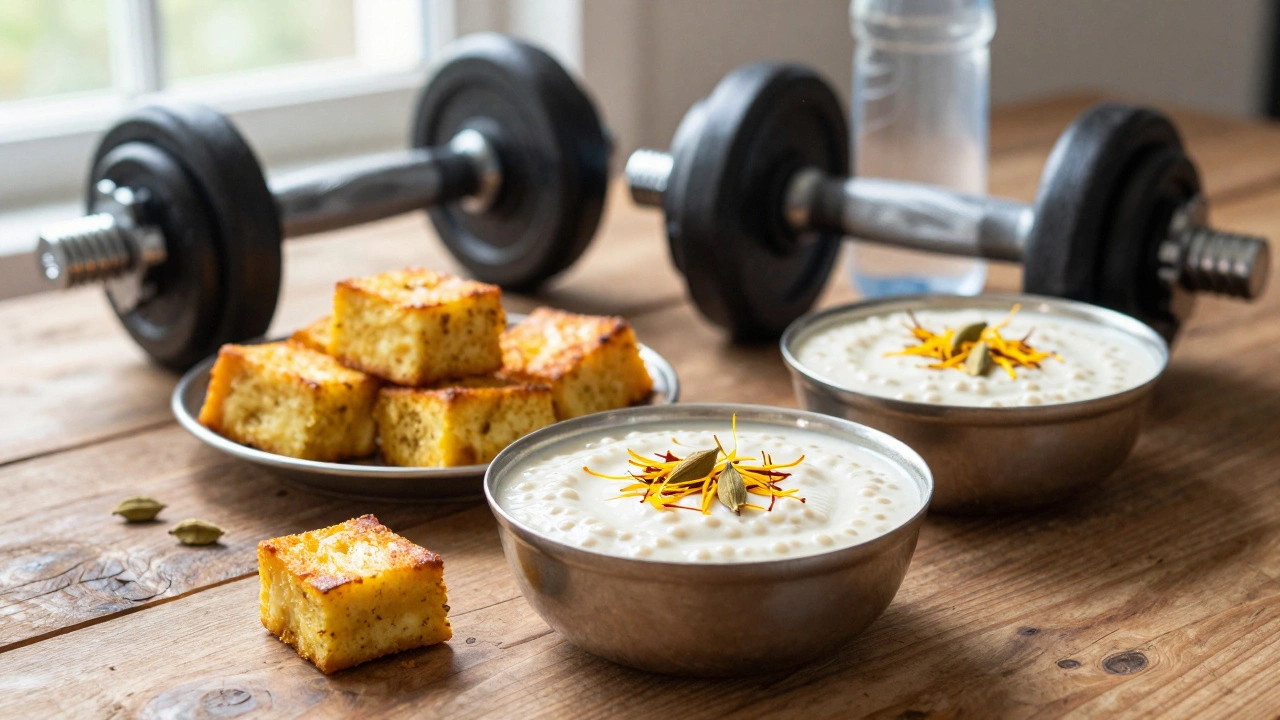
You can use paneer to recreate many classic sweets. For instance, instead of using khoya for Peda, you can crumble low-fat paneer, mix it with a little condensed milk or jaggery syrup, and shape it into balls. The result tastes surprisingly similar to traditional Peda but offers nearly five times more protein. Another popular option is Paneer Kheer. By cooking small cubes of paneer in milk with cardamom and saffron, you get a dessert that feels luxurious but provides a solid protein boost. Just be careful with the sugar; using natural sweeteners like dates or stevia can keep the calorie count lower while maintaining the protein benefit.
Nut-Based Sweets: Energy Dense and Protein Rich
If you are lactose intolerant or prefer plant-based options, nuts are your best friend. Nuts like almonds, cashews, and peanuts are naturally high in protein and healthy fats. In Indian cuisine, we often see these used in dry fruits-based sweets like Ladoo or Burfi. However, commercial versions often add too much sugar powder. To make them truly high-protein, you need to control the ratio of nuts to sweetener.
Almonds contain about 21 grams of protein per 100 grams. Making Almond Ladoo at home allows you to skip the excess sugar. Blend roasted almonds with a small amount of honey or date paste and roll them into balls. These are not just tasty; they are packed with fiber and vitamins. Similarly, peanut chikki or peanut brittle can be a great post-workout snack if you limit the jaggery. Peanuts offer around 25 grams of protein per 100 grams, which is higher than most tree nuts. The trick is to ensure the nut content is at least 70% of the total weight of the sweet.

Soy and Legume Innovations
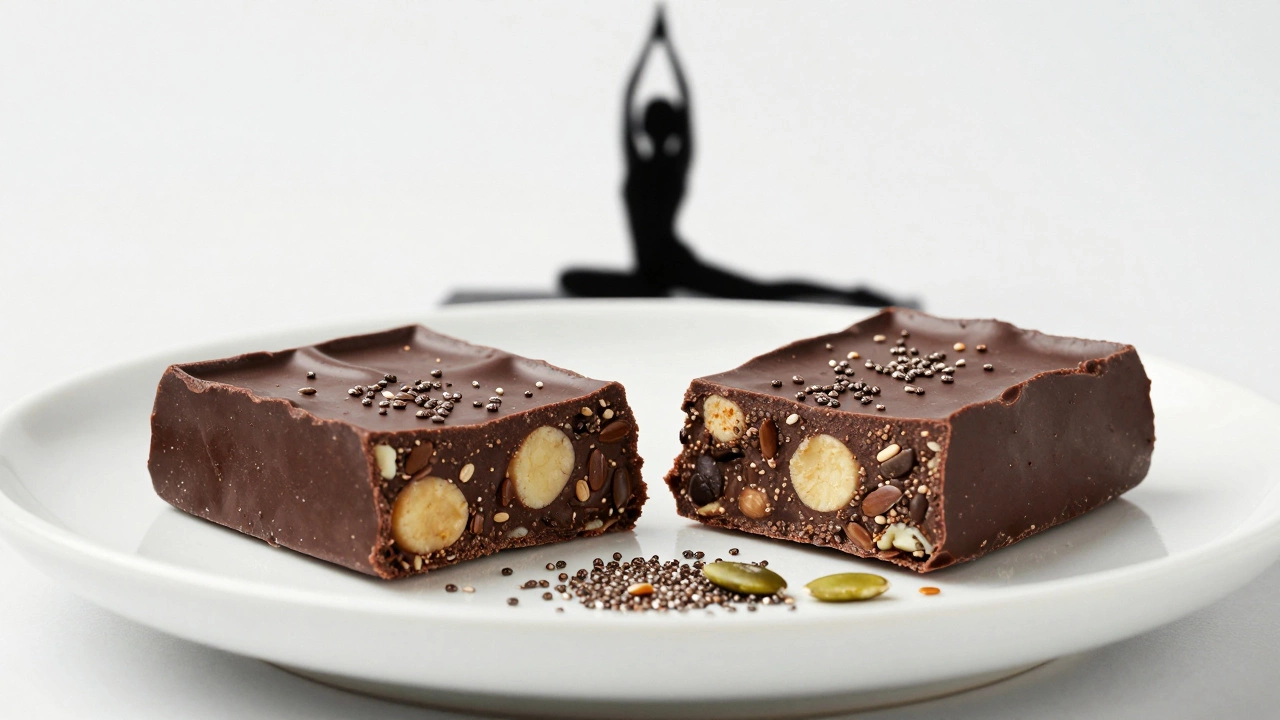
For those looking for even higher protein density, soy is unbeatable. Soy chunks, also known as TVP (Textured Vegetable Protein), provide approximately 52 grams of protein per 100 grams when dry. While soy is usually associated with savory dishes, it can be adapted for sweets. Some modern chefs and health enthusiasts experiment with soy-based fudge or energy bars that mimic the texture of traditional sweets. You can soak soy chunks, blend them into a paste, and mix with cocoa powder, vanilla, and a touch of maple syrup to create a chocolate-like treat. It might sound unusual at first, but the earthy flavor of soy pairs well with strong spices like cinnamon and cardamom.
Lentils, specifically urad dal (black gram), are another hidden gem. Urad dal is traditionally used for savory snacks like vada, but it can be sweetened. Soaked and ground urad dal mixed with jaggery and coconut creates a dense, protein-rich bar. This is particularly common in South Indian households during fasting periods, but it works for anyone needing a nutrient-dense snack. The combination of lentil protein and complex carbs from jaggery provides sustained energy without the sugar crash.
Dairy Alternatives: Milk Powder and Curd
Besides paneer, other dairy products can form the basis of high-protein sweets. Skimmed milk powder is concentrated milk with the water removed, meaning it has a higher protein-to-calorie ratio than liquid milk. You can make homemade laddoos using skimmed milk powder, crushed biscuits (for crunch), and a little ghee. These are lighter than traditional besan laddoos and offer a decent protein kick. Additionally, Greek yogurt or hung curd can be used to make fruit-based desserts. Mixing thick curd with chopped berries and a drizzle of honey creates a refreshing, high-protein pudding that satisfies sweet cravings without the heaviness of cream-based desserts.
Comparison of Protein Content in Popular Sweets
| Sweet Type | Approx. Protein (g) | Primary Protein Source | Fitness Friendly? |
|---|---|---|---|
| Traditional Gulab Jamun | 3-4g | Milk Solids | No |
| Paneer Peda | 12-15g | Paneer | Yes |
| Almond Ladoo (Homemade) | 10-12g | Almonds | Yes |
| Soy Chocolate Fudge | 15-18g | Soy Chunks | Yes |
| Traditional Rasgulla | 2-3g | Cottage Cheese | No |
| Peanut Brittle (Low Sugar) | 18-20g | Peanuts | Yes |
Tips for Making High-Protein Sweets at Home
Making these sweets yourself is crucial because store-bought versions rarely disclose accurate protein counts and often hide excessive sugar. Here are some practical tips to maximize protein while keeping taste intact:
- Use Low-Fat Dairy: Opt for low-fat paneer or skimmed milk powder to reduce saturated fat while keeping protein high.
- Swap Sugar for Natural Sweeteners: Use dates, figs, or pure maple syrup. They add fiber and nutrients along with sweetness.
- Add Seeds: Sprinkle chia seeds, flaxseeds, or pumpkin seeds on top. They add extra protein, omega-3s, and a nice crunch.
- Portion Control: Even high-protein sweets have calories. Stick to one or two pieces as a post-workout snack rather than eating them freely throughout the day.
- Spice It Up: Use cardamom, cinnamon, nutmeg, and saffron. These spices enhance flavor without adding sugar, allowing you to use less sweetener.
FAQ
Is there any traditional Indian sweet that is naturally high in protein?
Most traditional sweets are not naturally high in protein due to their high sugar and fat content. However, sweets based on khoya (like Kaju Katli or certain Pedas) have moderate protein from milk solids, but the sugar content usually outweighs the benefits. To get significant protein, you typically need to modify recipes with paneer, nuts, or soy.
Can I eat paneer sweets after a workout?
Yes, paneer sweets are an excellent post-workout option. Paneer provides casein and whey proteins, which help in muscle repair. Since it is slow-digesting, it keeps you full for longer. Just ensure the sweet is not overly sugary to avoid an insulin spike right after training.
Are nut-based sweets suitable for vegans?
Yes, nut-based sweets like almond ladoos or peanut brittles can easily be made vegan. Just avoid ghee or milk powder and use coconut oil or plant-based milk alternatives. Ensure the sweetener used, such as maple syrup or agave nectar, is also vegan-certified.
How much protein should I aim for in a snack?
A good target for a protein-rich snack is between 10 to 20 grams of protein. This amount helps stabilize blood sugar levels and supports muscle maintenance. A single paneer peda or a handful of homemade nut ladoos can easily meet this requirement.
Can diabetics eat high-protein Indian sweets?
Diabetics can enjoy high-protein sweets if they are made with low-glycemic sweeteners like stevia or monk fruit, and high-fiber ingredients like nuts and seeds. Paneer and soy-based options are better choices than sugar-heavy traditional sweets. Always consult with a healthcare provider before making significant dietary changes.