Dosa Batter Safety Checker
Is Your Dosa Batter Safe?
Check your batter against these critical signs. Based on the article "Can You Use 2-Week-Old Dosa Batter?".
Results will appear here
You left your dosa batter out on the counter for two weeks. Maybe you forgot about it. Maybe you thought, it’s fermented, how bad could it be? Now you’re staring at a jar of bubbly, sour-smelling paste and wondering: can you use 2-week-old dosa batter? The answer isn’t yes or no-it’s about what’s really going on inside that jar.
What Happens to Dosa Batter Over Time
Dosa batter isn’t just rice and lentils mixed together. It’s a living culture. When you ferment it, wild yeast and lactic acid bacteria start breaking down starches and sugars. That’s what gives dosa its airy texture and tangy taste. In warm climates like South India, this process finishes in 8-12 hours. In colder places like Birmingham, it takes 12-24 hours. But after that? The party doesn’t stop.
By day 3, the batter’s peak flavor hits. The bubbles are lively, the smell is pleasantly sour, and it spreads thin on the griddle like silk. By day 5, it starts to weaken. The yeast runs out of food. The bacteria keep going. The acidity climbs. That’s when things get tricky.
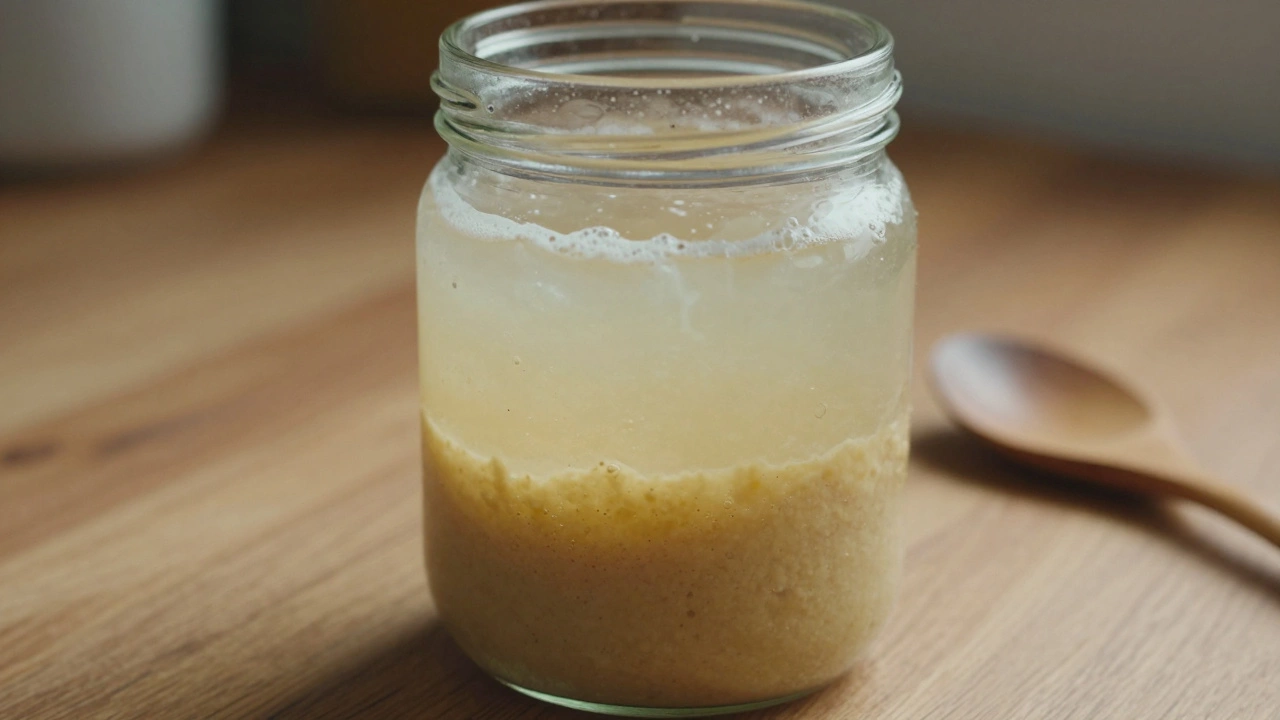
At 10-14 days, you’re deep into over-fermentation. The batter smells sharp, almost like vinegar or alcohol. It might separate into layers-liquid on top, thick sludge below. Sometimes, a thin white film forms. That’s not mold. That’s kahm yeast, harmless and common in fermented foods. But if you see green, black, or fuzzy patches? That’s mold. Pitch it.
Is 2-Week-Old Dosa Batter Safe to Eat?
Safe? Maybe. Smart? No.
There’s no hard rule that says dosa batter expires after 7 days. In fact, many traditional households in Tamil Nadu or Karnataka keep batter in the fridge for up to 10 days. But refrigeration slows fermentation. Room temperature? That’s a different story. At 20-25°C (typical in UK kitchens), bacteria multiply fast. After 10 days, the pH drops below 3.5. That’s acidic enough to kill most harmful pathogens-but not all.
Botulism? Extremely unlikely. The high acidity and lack of oxygen in fermented batter make it a hostile environment for Clostridium botulinum. But other bacteria like Enterobacter or Klebsiella can hang on. They don’t always make you sick, but they can cause bloating, nausea, or worse if your gut is sensitive.
And then there’s the taste. Two-week-old batter tastes like sourdough gone rogue. It’s overpowering. You’ll need to dilute it with water, add fresh rice flour, and maybe even a pinch of baking soda to neutralize the acid. Even then, your dosas will be flat, rubbery, and taste like a wine barrel.
What to Do With Old Dosa Batter
If it smells off but shows no mold, you have options-none of them ideal, but better than tossing it.
- Use it for adai or pesarattu. These thicker, lentil-heavy dosas don’t need the same lift. The sourness adds depth.
- Mix it into idli batter. Add 1 cup of old batter to 2 cups of fresh batter. The new batch will balance the acidity.
- Make fermented rice pancakes. Pour small dollops onto a hot pan. They’ll crisp up and taste like sourdough crumpets. Serve with coconut chutney.
- Use it as a starter for next batch. Take 2 tablespoons of the old batter, mix with fresh rice and urad dal, and ferment as usual. It’ll speed up fermentation and add complexity.
But here’s the truth: if you’re going to do any of this, you’re better off just making fresh batter. It takes 10 minutes to soak the rice and lentils. 15 minutes to grind. Then you walk away. The next morning, you’ve got perfect batter. No guesswork. No risk.
How to Store Dosa Batter Right
Want your batter to last? Don’t leave it on the counter.
- Refrigerate after 12 hours. Once the batter has fermented, pop it in the fridge. Cold slows bacteria down. It’ll last 7-10 days without losing quality.
- Use an airtight container. Glass jars with tight lids work best. Plastic can absorb odors. Leave 2 inches of space at the top-fermentation doesn’t stop in the fridge.
- Stir before using. Separation is normal. Just give it a good mix. If it smells sour but not rotten, it’s fine.
- Don’t freeze it. Freezing kills the live cultures. You’ll lose the rise and flavor. It becomes just rice paste.
Signs Your Dosa Batter Is Spoiled
Not all sourness is bad. But these red flags mean it’s time to throw it out:
- Fuzzy mold (green, black, blue)-any color, any texture.
- Sharp, chemical smell like nail polish remover or rotten eggs.
- Dark streaks or slimy texture that doesn’t mix back in.
- Unusual color-pink, orange, or gray patches.
If you see any of these, don’t risk it. No amount of frying or seasoning will fix spoiled batter.
Why Fresh Batter Always Wins
Let’s be real: dosa isn’t about saving time. It’s about texture. Crisp edges. Soft center. That delicate bubble pattern. That only happens with fresh, well-fermented batter.
Two-week-old batter might technically be edible. But it won’t give you the dosa you remember. It won’t crisp up right. It won’t hold chutney without falling apart. You’ll end up with a sad, chewy disc that tastes like regret.
And here’s the kicker: making fresh batter is faster than waiting for old batter to “recover.” Soak rice and urad dal overnight. Grind in the morning. Let it sit for 10 hours. Done. You didn’t even need to think about it.
What to Do If You’re Not Sure
Still unsure? Do the spoon test.
Take a clean spoon, dip it in the batter, and lift it up. If the batter drips slowly and leaves a trail that holds its shape for 2 seconds, it’s ready. If it runs like water? Too thin-add a spoon of rice flour. If it’s thick and gloopy? Add water. If it smells like a dumpster behind a brewery? Pitch it.
When in doubt, make a test dosa. Cook one small one. Taste it. If it’s too sour, too flat, or just… wrong? Don’t make a whole batch. Save yourself the mess.
Final Verdict
Can you use 2-week-old dosa batter? Technically, yes-if it smells okay and has no mold. But should you? No.
There’s no benefit. No flavor upgrade. No cultural tradition that says you should stretch batter this far. You’re not being frugal-you’re being risky and disappointing your taste buds.
Make fresh batter. It’s easier. It’s safer. It tastes better. And in the end, that’s what dosa is all about.
Can I leave dosa batter out overnight to ferment?
Yes, leaving dosa batter out overnight at room temperature is the standard way to ferment it. In warm climates, 8-12 hours is enough. In colder areas like the UK, 12-24 hours works best. Just cover it with a clean cloth and keep it away from drafts.
Why does my dosa batter smell like alcohol?
A slight alcoholic smell means the yeast has been working hard and started producing ethanol. This is normal after 2-3 days of fermentation. But if it smells strongly like wine or vinegar, the batter is over-fermented. You can still use it for thicker dosas or idlis, but the flavor will be sharp.
How long does dosa batter last in the fridge?
Properly stored in an airtight container, dosa batter lasts 7-10 days in the fridge. After that, it loses its rising power and becomes too sour. Stir it well before using, and if it smells off or shows mold, throw it out.
Can I add baking soda to old dosa batter?
Yes, adding a pinch of baking soda (¼ tsp per cup of batter) can neutralize excess acidity and help the batter rise slightly. But it won’t restore lost texture or flavor. Use it only as a last resort-fresh batter is always better.
What’s the white film on top of my batter?
That’s kahm yeast-a harmless, natural byproduct of fermentation. It’s not mold. You can skim it off or stir it in. It won’t hurt you. But if it’s fuzzy, colored, or smells bad, that’s mold-and you should discard the batter.