Paneer Recipes: Best Ways to Make, Use, and Store Fresh Indian Cheese
When you think of paneer, a fresh, unaged Indian cheese made by curdling milk with acid. Also known as Indian cottage cheese, it’s the star of countless home-cooked meals—from creamy palak paneer to spicy paneer tikka. Unlike Western cheeses, paneer doesn’t melt, which makes it perfect for frying, grilling, or simmering in rich gravies without falling apart. Whether you buy it at the store or make it yourself, knowing how to handle paneer right changes everything.
Many people wonder if cottage cheese, a Western dairy product similar in texture but often softer and more watery. Also known as farmer’s cheese, it’s sometimes used as a substitute can replace paneer. The short answer? Sometimes—but not always. Paneer is firmer, drier, and holds its shape better under heat. That’s why recipes often call for soaking it in water first—to keep it soft and juicy. And if you’re making paneer at home, you might be left with whey, the liquid byproduct left after curdling milk. Also known as curd water, it’s packed with protein and often tossed out. But here’s the thing: you shouldn’t. Drinking whey or using it in roti dough gives your meals an extra nutritional boost.
Not everyone has lemon on hand when making paneer, and that’s okay. You can use vinegar, yogurt, or even citric acid to get the same curdling effect. And if you’re out of paneer entirely, halloumi or ricotta can step in for certain dishes. But the real secret? How you store it. Homemade paneer lasts only a few days in the fridge—if you don’t store it in water. Freeze it, and you can stretch it to weeks. The key is knowing what to do before, during, and after cooking.
So whether you’re new to cooking with paneer or you’ve been making it for years, there’s always something new to learn. How long should you soak it? Can you eat it every day? What happens if you skip pressing it? The articles below answer all these questions—and more—without fluff, without jargon, just straight-up useful tips from real kitchen experience. You’ll find out how to make paneer from scratch, what to use when you’re out of lemon, why your paneer turns rubbery, and how to keep it fresh longer. No guesswork. Just better meals.
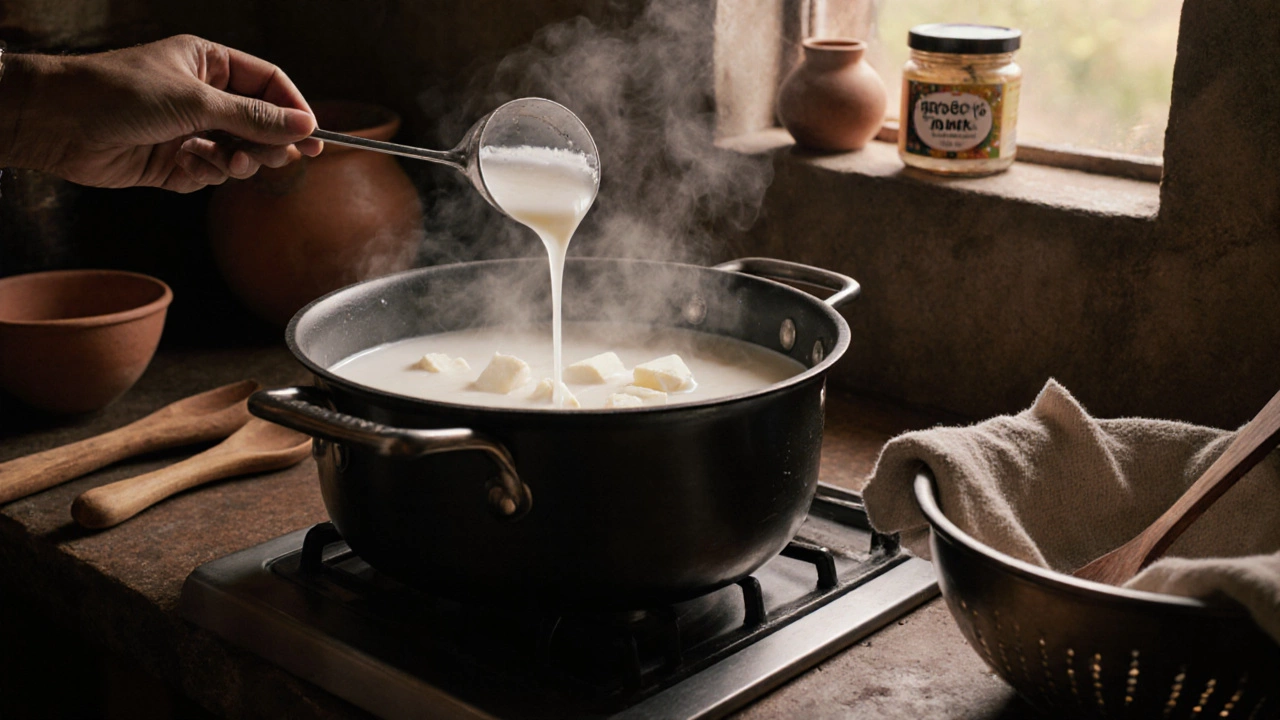
What Can You Use Instead of Lemon in Paneer Recipes?
Learn five effective substitutes for lemon in homemade paneer recipes - from vinegar to citric acid - and how to get perfect texture every time without citrus.
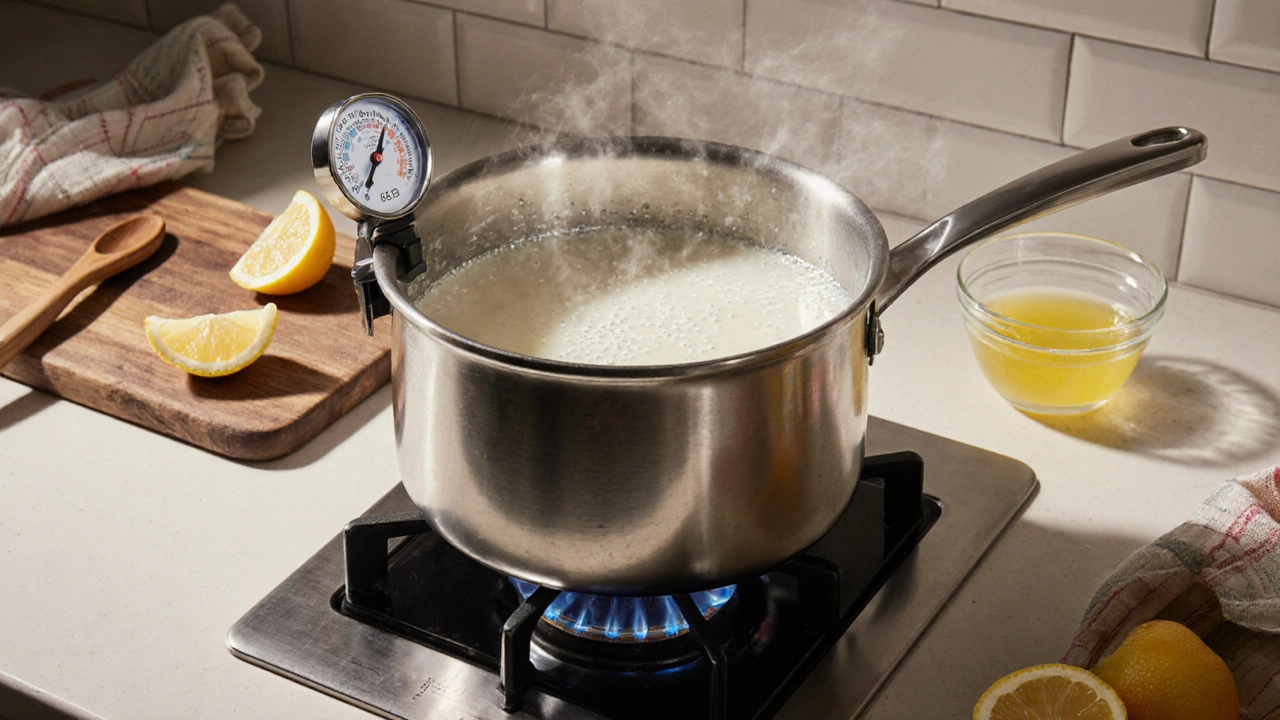
Homemade Paneer: Step‑by‑Step Recipe from Fresh Milk
Learn how to make fresh paneer at home with step‑by‑step instructions, ingredient tips, pressing tricks, storage advice, and FAQs for perfect cheese every time.
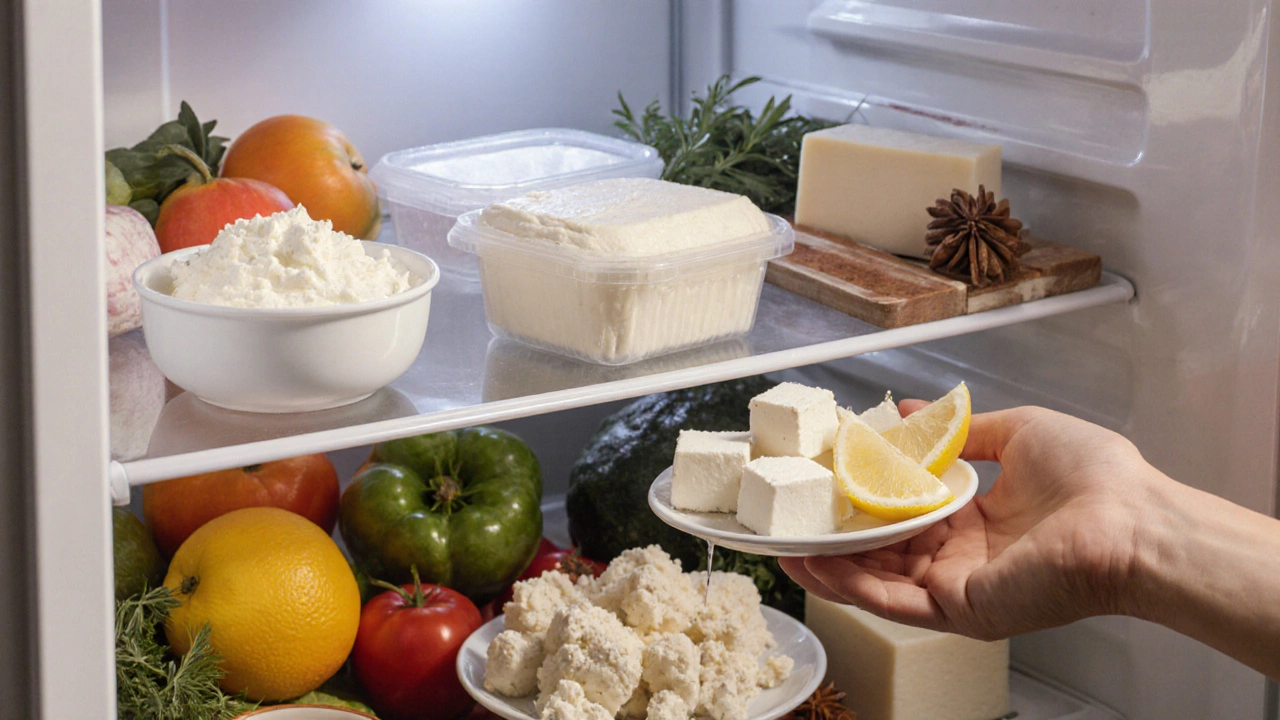
Best Cheeses to Use Instead of Paneer
Discover the best cheeses to replace paneer, from ricotta to halloumi, with tips, a comparison table, and quick recipes for Indian dishes.
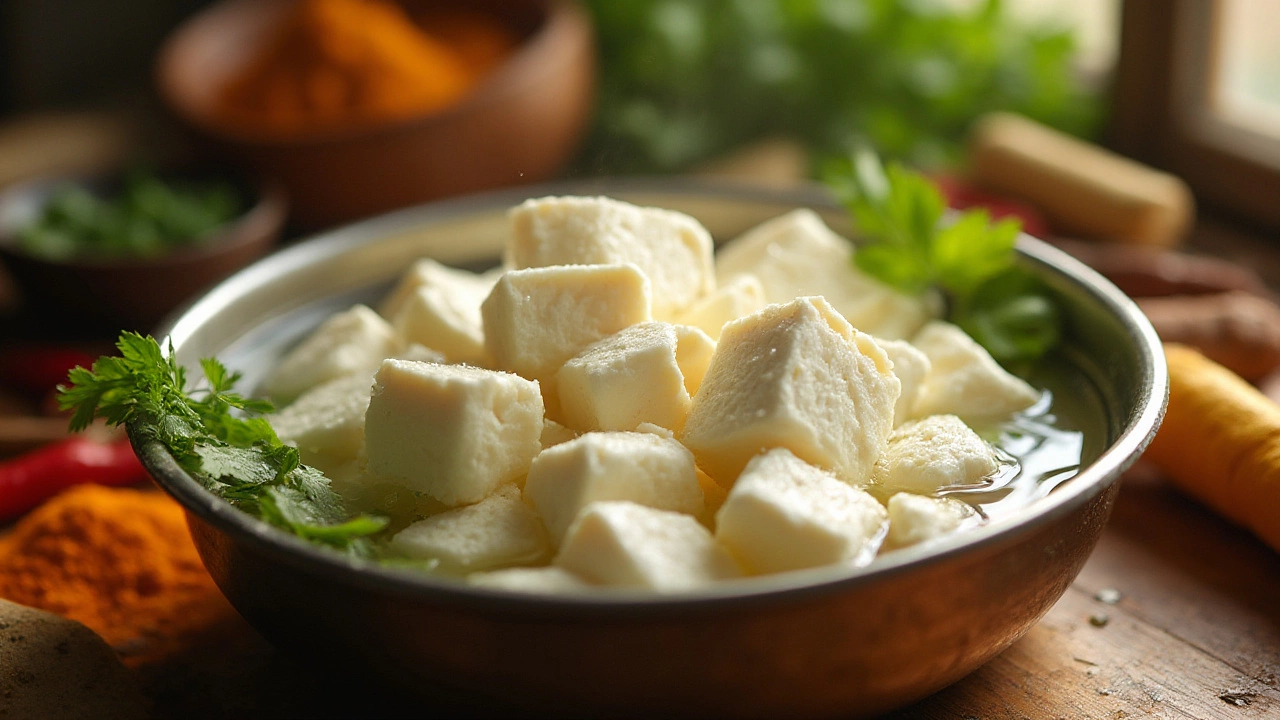
Why Soak Paneer in Water? Secrets to Soft and Tasty Paneer Dishes
Ever wondered why people soak paneer in water before cooking? Discover the real reasons and pro tips for getting the softest, tastiest paneer in your dishes.

How Long Can Homemade Paneer Last? Storage Tips and Shelf Life Facts
Wondering how long your homemade paneer will stay fresh? This article covers exactly how many days homemade paneer can last, what signs show it’s gone bad, and the best storage practices. Discover simple tips for extending paneer’s shelf life, both in the fridge and freezer. Learn practical tricks for keeping it soft, safe, and tasty for as long as possible. Use this guide to make sure not a crumb goes to waste after all the time and effort spent making fresh paneer at home.

Is It Okay to Drink Whey From Paneer? Your Guide to This Nutritious Liquid
Ever wondered if you should drink the whey left behind after making paneer? This article breaks down what exactly whey is, its nutrient profile, health benefits, and potential downsides. You'll learn if drinking whey is safe and who should think twice before doing so. Get practical tips on how to use paneer whey at home, without letting this valuable liquid go to waste. Discover smart ways to include it in your daily routine for an extra boost of nutrition.
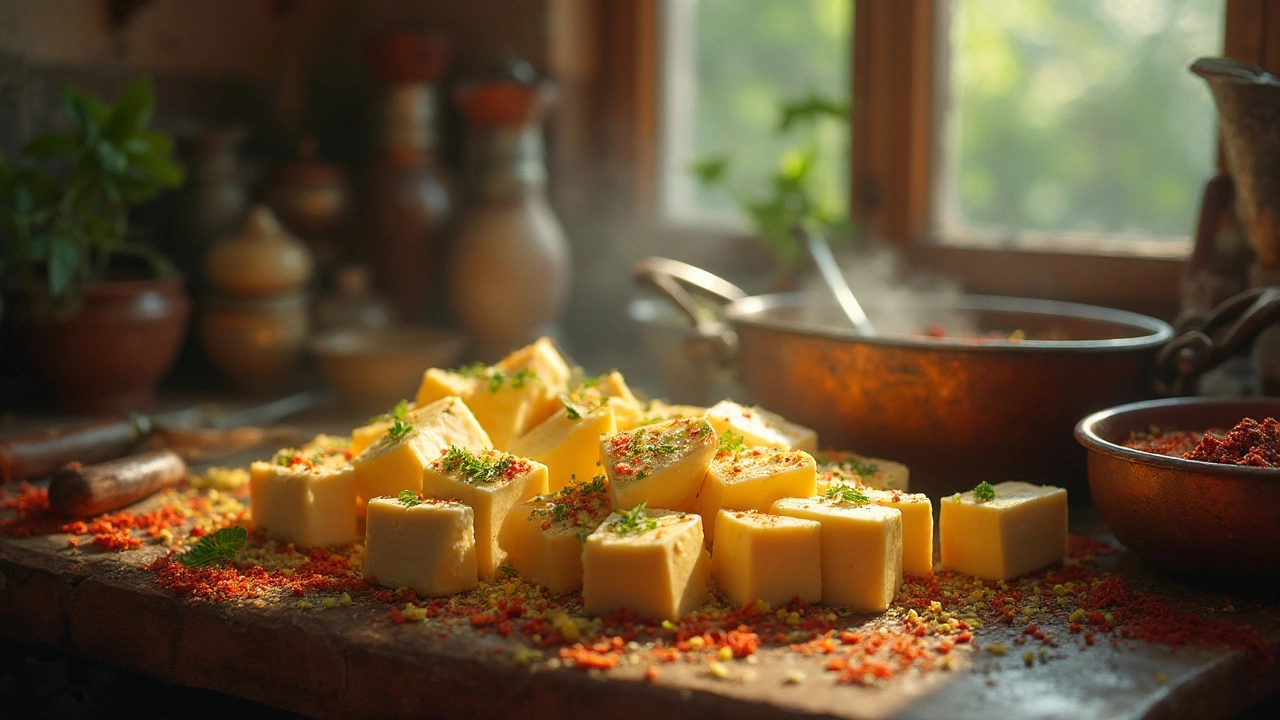
Discovering the English Counterpart of Paneer: A Kitchen Guide
Paneer, a staple in Indian cuisine, often leaves culinary enthusiasts wondering about its English equivalent. Many assume it's simply 'cottage cheese,' but there's more to the story. This article delves into the similarities and differences between paneer and its Western counterparts, exploring texture, flavor, and uses. It also offers practical tips for making homemade paneer and incorporating it into your meals.

Can We Eat Paneer Daily? Here's What You Need to Know!
Paneer is a popular cheese derived from milk and cherished by many for its soft texture and mild flavor. Eating paneer daily might sound tempting, especially for those who love its taste and enjoy its health benefits. However, it's important to understand its nutritional profile and how daily consumption affects our bodies. From protein-packed goodness to potential health concerns, this article explores everything about incorporating paneer into your daily meals. Discover how to make the most of paneer in your diet while enjoying its taste and health benefits.