Curry Balance & Ingredient Estimator
Use this tool to determine the right amount of acidity needed to balance your dish. Remember: Fat (Ghee/Cream) needs Acid (Tomatoes/Yogurt) to lift the flavors.
Recommended Balance
Quick Takeaways for Your Next Pot
- Tomatoes add essential acidity that cuts through heavy fats (like ghee or cream).
- Not all curries need them; South Indian styles often rely more on coconut or tamarind.
- Overusing tomatoes can make a curry taste like Italian food.
- The key is cooking the tomatoes down until the oil separates (the "bhuna" process).
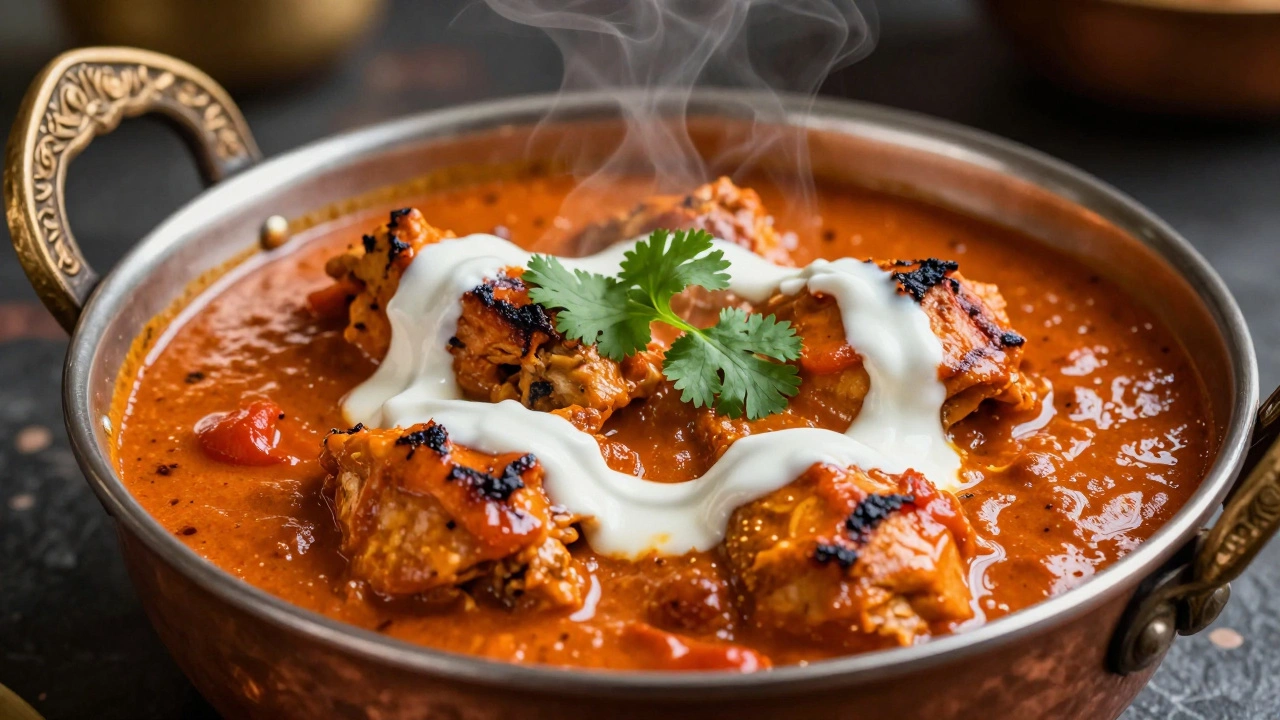
Let's get one thing straight: tomatoes in curry is a foundational technique in many North Indian and Punjabi styles of cooking, providing a balance of sweetness and tartness. However, they aren't a universal requirement. If you look at a traditional Korma, the focus is on nuts and cream, and tomatoes are often omitted to keep the color pale and the taste mild. But in a Chicken Tikka Masala, the tomato is the star of the sauce, giving it that iconic orange hue and a bright, punchy flavor.
The Science of the Sizzle: Why Tomatoes Matter
Why do we even put them in? It comes down to chemistry. Most curries use a significant amount of Ghee (clarified butter) or oil. Without an acid, the dish can feel heavy on the tongue. The citric and malic acids in tomatoes act as a foil to that richness, "lifting" the other spices so you can actually taste the cumin and coriander instead of just tasting fat.
There is also the texture element. When you sauté chopped tomatoes, they break down into a thick paste. This creates the "body" of the gravy. Without them, you'd have to rely entirely on onion purees or cashew pastes to get that clingy consistency that holds onto a piece of meat or a scoop of basmati rice. If you skip the tomatoes, you aren't necessarily ruining the dish, but you are changing the entire structural map of the meal.
When to Use Tomatoes (And When to Skip Them)
Not every Chicken Curry Recipe is created equal. Depending on the region, the "tomato rule" changes. In the North, specifically in Punjab, tomatoes are almost always present. They provide the base for the bold, hearty gravies we often see in British curry houses. However, if you head South, you'll find that Tamarind or Kokum is often used instead of tomatoes to provide that necessary sour note.
| Curry Style | Primary Acid Source | Flavor Profile | Texture |
|---|---|---|---|
| North Indian / Punjabi | Fresh Tomatoes | Tangy, robust, sweet | Thick, pulpy gravy |
| South Indian | Tamarind / Coconut | Sharp, fruity, creamy | Lighter or coconut-dense |
| Mughlai / Korma | Yogurt / Lemon | Mild, nutty, velvety | Smooth and creamy |
The Biggest Mistake: The "Tomato Soup" Effect
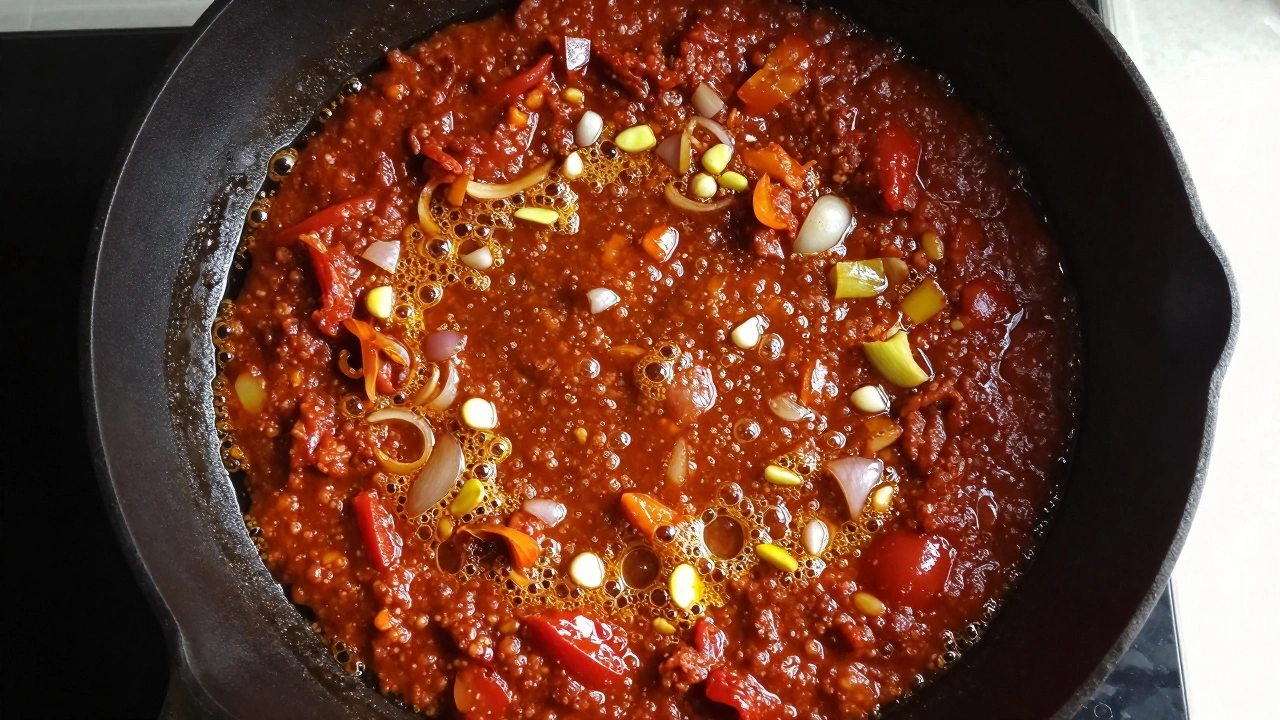
The most common error home cooks make is adding tomatoes too early or using too many. If you just throw in a can of crushed tomatoes and let it simmer, you aren't making a curry; you're making a spicy tomato soup. The secret is the Bhuna process. This is the act of frying the masala (onions, ginger, garlic, and tomatoes) until the water evaporates and the oil begins to separate from the paste.
How do you know when it's done? Look for tiny bubbles of oil pooling at the edges of the pan. This tells you that the raw, metallic taste of the tomato has been cooked out and transformed into a concentrated, savory base. If you add your chicken or vegetables before this happens, the dish will taste "raw" and acidic rather than deep and caramelized. A pro tip: if your tomatoes are too tart, a tiny pinch of sugar or a dollop of cream at the end can balance the pH level perfectly.
Fresh vs. Canned: Which One Wins?
In a perfect world, you'd use vine-ripened tomatoes. But let's be real-in the middle of a Birmingham winter, those aren't easy to find. Fresh tomatoes are great for a chunky, rustic feel. However, for a smooth, restaurant-style gravy, canned Tomato Puree or crushed tomatoes are actually superior. They offer a consistent acidity level and a smoother texture that integrates better with the spices.
If you're using fresh tomatoes, peel them first. There is nothing worse than biting into a piece of tender chicken only to find a tough, papery piece of tomato skin stuck to it. Just score a small 'X' on the bottom of the tomato, drop it in boiling water for 30 seconds, and the skin will slide right off. It's a small step that separates an amateur dish from a professional one.
Building the Perfect Balance
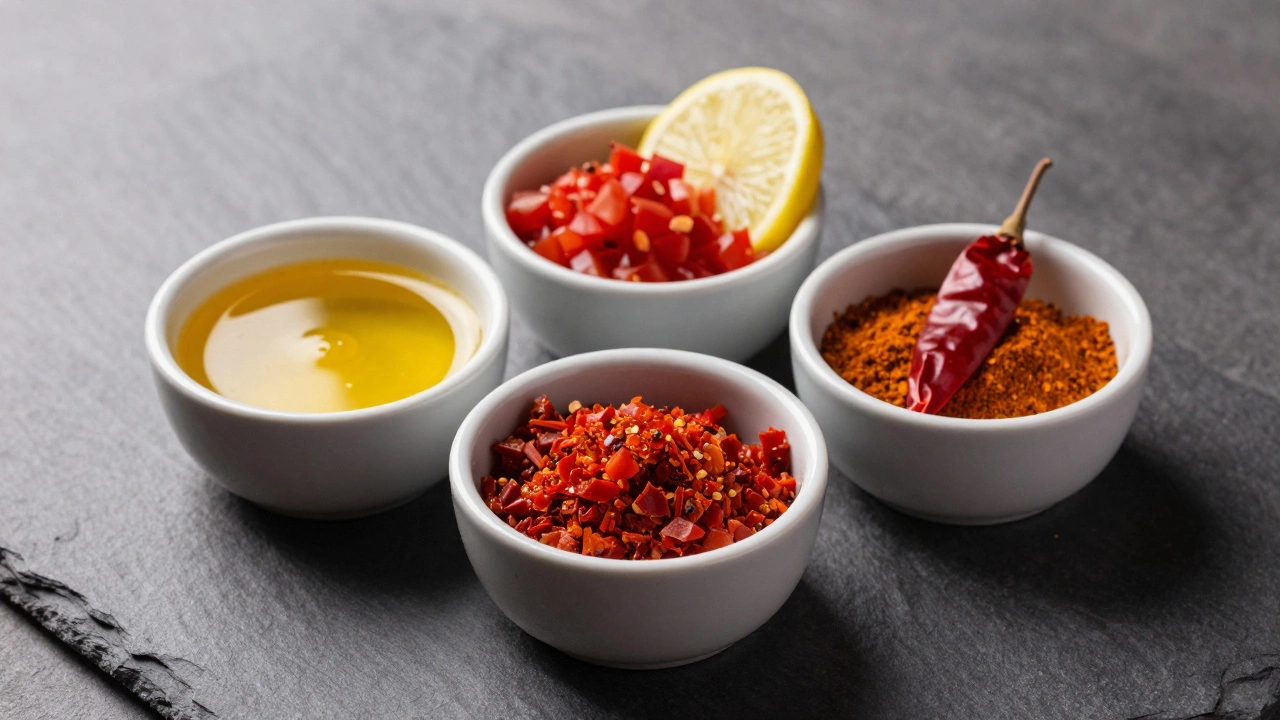
If you're designing your own Chicken Curry Recipe, think of the tomato as one part of a triangle. The three points are Fat (Ghee/Cream), Heat (Chilies), and Acid (Tomatoes/Yogurt). If you increase the fat, you need more acid to keep the dish from feeling greasy. If you increase the heat, a bit more tomato sweetness can help mellow out the spice.
For those who absolutely hate tomatoes, you can substitute them with a combination of yogurt and a splash of lemon juice. You'll lose that deep red color and the specific "umami" flavor tomatoes provide, but you'll still achieve the chemical balance required to make the spices pop. Just remember that yogurt should be added at the end on low heat to prevent it from curdling, whereas tomatoes are cooked in from the start.
Do tomatoes make curry too sour?
Only if they aren't cooked long enough. The "sourness" comes from raw acidity. When you sauté tomatoes until the oil separates (the bhuna process), the harsh acidity mellows into a rich, savory flavor. If it's still too tart, add a teaspoon of honey or brown sugar.
Can I replace tomatoes with tomato paste?
You can, but be careful. Tomato paste is highly concentrated. Use about one tablespoon of paste for every cup of crushed tomatoes, and add a bit of water to maintain the consistency. Paste gives a deeper color but lacks the fresh, juicy quality of diced tomatoes.
Which type of tomato is best for curry?
Plum tomatoes or Roma tomatoes are best because they have more flesh and fewer seeds, meaning they break down into a thicker paste with less water. This prevents your curry from becoming too watery.
Is a curry authentic without tomatoes?
Absolutely. Many authentic Indian dishes, especially those from the South or Royal Mughlai kitchens, don't use tomatoes. They use coconut milk, yogurt, tamarind, or simply a rich onion-based gravy. Authenticity is about regionality, not a single set of ingredients.
Why does my curry taste like tomato soup?
This usually happens because of two things: using too many tomatoes or not cooking the tomato-onion base long enough. If the tomatoes don't caramelize and merge with the spices, the tomato flavor stays isolated and dominant, overpowering the "curry" essence.
Next Steps for Your Cooking Journey
If you've mastered the tomato base, try experimenting with different acid profiles. Try a batch of curry using only yogurt for a creamier, milder taste, and then compare it to a version using tamarind paste for a sharp, tangy edge. You'll start to notice how the "acid" component of the dish changes how you perceive the heat of the chilies.
If you find your sauce is consistently too thin regardless of how long you cook the tomatoes, try adding a handful of cashew nuts blended with water. This adds a natural thickness that complements the tomato acidity without making the dish taste like a vegetable stew. Once you get the balance of fat, heat, and acid right, you can stop following recipes and start cooking by instinct.