Dal Nutrition Calculator
Calculate Dal Nutrition
Select your dal type and serving size to see protein, carbs, fiber, and calories.
Nutritional Breakdown
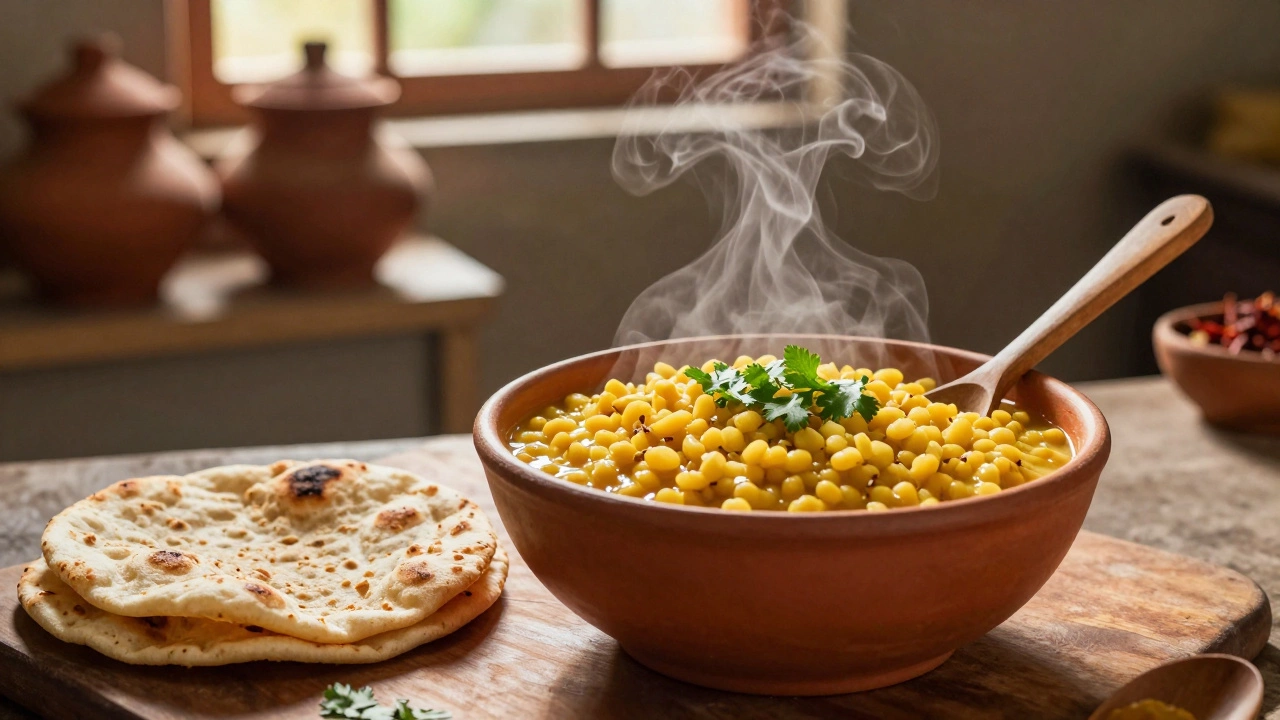
Ask anyone in India what dal is, and they’ll tell you it’s comfort food. A bowl of warm, spiced lentils served with rice or roti is part of daily life across the country. But if you’re watching what you eat-whether you’re trying to lose weight, build muscle, or just understand your plate-you might be stuck wondering: is dal a carb or protein? The answer isn’t simple, and that’s where most people get confused.
Dal isn’t just one thing-it’s a family
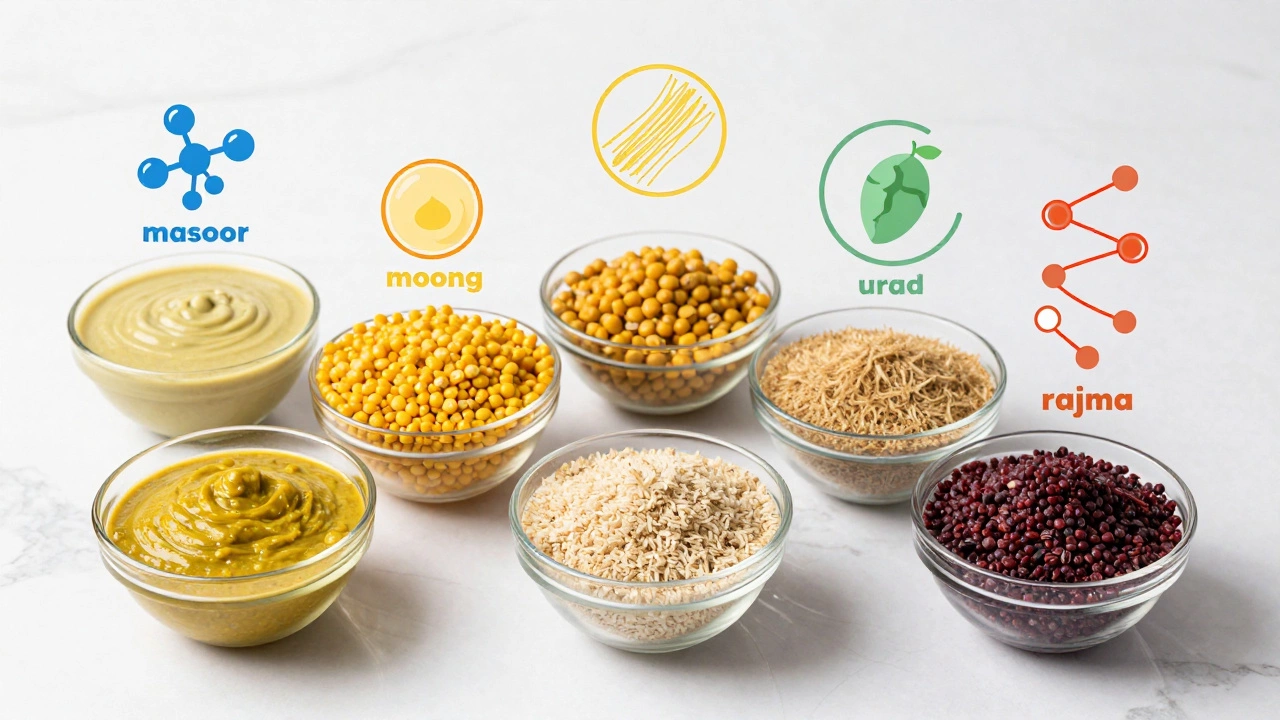
Dal isn’t a single ingredient. It’s a category. Red lentils (masoor dal), yellow split peas (moong dal), black lentils (urad dal), chickpeas (chana dal), and even kidney beans (rajma) all fall under this umbrella. Each has its own texture, flavor, and nutritional profile. But they all share one thing: they’re packed with both carbs and protein, just in different ratios.
Take masoor dal, the most common kind in homes. One cup of cooked masoor dal has about 23 grams of protein and 40 grams of carbohydrates. That’s more protein than an egg, and more carbs than half a cup of rice. So is it a carb? Is it a protein? The truth is-it’s both. And that’s exactly why it’s so powerful in a balanced diet.
Why the confusion? Because we label foods too simply
We’re used to thinking in boxes: chicken = protein, bread = carb, butter = fat. But plant foods don’t play by those rules. Lentils are legumes, and legumes are nature’s hybrid food. They’re not just protein sources like meat-they’re also complex carb sources like whole grains. That’s why nutritionists call them "complete plant proteins"-they contain all nine essential amino acids, even if not in perfect amounts. When paired with rice or whole wheat roti, they form a complete protein profile.
And here’s the kicker: the carbs in dal aren’t the kind that spike your blood sugar. They’re slow-digesting, fiber-rich complex carbs. One cup of cooked dal gives you nearly 16 grams of fiber. That’s more than most whole grain breads. Fiber slows digestion, keeps you full longer, and helps regulate blood sugar. So even though dal has a lot of carbs, it doesn’t make you crash after eating it.
How much protein is really in dal?
Let’s break it down by type, based on USDA data for cooked, unsalted dal:
| Dal Type | Protein (g) | Carbs (g) | Fiber (g) | Calories |
|---|---|---|---|---|
| Masoor Dal (red lentils) | 23 | 40 | 16 | 230 |
| Moong Dal (yellow split peas) | 24 | 39 | 15 | 225 |
| Chana Dal (split chickpeas) | 20 | 52 | 17 | 270 |
| Urad Dal (black lentils) | 26 | 41 | 18 | 240 |
| Rajma (kidney beans) | 22 | 45 | 13 | 225 |
Urad dal leads in protein-26 grams per cup. That’s more than a chicken breast (which has about 22 grams). But it also has more carbs than you might expect. So if you’re counting macros, you can’t ignore the carbs. But you also can’t ignore the protein.
Why dal is a superfood for vegetarians and vegans
If you don’t eat meat, getting enough protein is a challenge. Many people turn to tofu, tempeh, or protein powders. But dal has been doing this for centuries-cheaply, sustainably, and deliciously. In rural India, dal is often the only source of animal-free protein in a family’s diet. And it works.
Studies from the Indian Council of Medical Research show that people who eat dal daily have lower rates of type 2 diabetes and heart disease than those who don’t. Why? Because the combo of high fiber, high protein, and low saturated fat helps control cholesterol and insulin levels. It’s not magic. It’s biology.
And it’s not just about protein quantity. The amino acid profile in dal, especially when paired with grains, matches the needs of the human body. That’s why traditional meals like dal-chawal (lentils with rice) or dal-roti (lentils with flatbread) are nutritionally perfect. You don’t need fancy supplements. You just need to eat the way your grandparents did.
What about weight loss? Can you eat dal and still lose fat?
Yes. And here’s why: dal makes you feel full without filling you up with empty calories. One study published in the Journal of Nutrition found that people who ate legumes (including lentils) four times a week lost more belly fat than those who didn’t-even when both groups ate the same number of calories.
The secret? The fiber and protein combo. Fiber expands in your stomach. Protein triggers satiety hormones. Together, they tell your brain, "You’re done eating." That means fewer snacks, less overeating, and better control over hunger.
But here’s the trap: people load dal with ghee, cream, or sugar. A simple bowl of dal with a teaspoon of oil is healthy. A bowl with three tablespoons of butter and a spoon of sugar? That’s a dessert, not a meal. Keep it simple: onion, tomato, garlic, cumin, turmeric, and a pinch of salt. That’s all you need.
How to eat dal for maximum benefit
Here’s how to make dal work for your goals:
- For protein focus: Pair dal with a small portion of rice or roti. The combo gives you complete protein.
- For low-carb diets: Eat dal with non-starchy veggies like spinach, cauliflower, or bitter gourd. Skip the rice.
- For muscle gain: Add a boiled egg or a handful of nuts on the side. Dal gives you the base; the extra helps you hit your daily protein target.
- For digestion: Soak dal overnight before cooking. It breaks down phytic acid, which can block nutrient absorption.
- For quick meals: Use canned lentils. Rinse them well to cut sodium. They’re just as nutritious as dried ones.
Don’t overthink it. Dal doesn’t need to be perfect. Just eat it regularly. Even three times a week makes a difference.
Myth busting: Dal makes you fat? Dal is only for poor people?
Some people avoid dal because they think it’s "just carbs" and will make them gain weight. That’s false. Dal is one of the most nutrient-dense foods you can eat. It’s not about the carbs-it’s about the type of carbs and what else you eat with them.
And the idea that dal is "poor man’s food"? That’s outdated. In top restaurants in Mumbai, Delhi, and London, chefs charge premium prices for heirloom lentils, slow-cooked dal with truffle oil, or saffron-infused moong dal. It’s not about class. It’s about quality.
Dal is ancient. It’s sustainable. It’s affordable. And it’s one of the most powerful foods on the planet for long-term health.
Final answer: Is dal a carb or protein?
Dal is both. And that’s its strength. It’s not a carb food or a protein food. It’s a complete plant food that gives you energy, builds muscle, feeds your gut, and keeps your heart healthy. Trying to label it as one or the other misses the point. The real question isn’t whether dal is a carb or protein-it’s whether you’re eating enough of it.
If you’re not eating dal at least three times a week, you’re missing out on one of the most reliable, affordable, and nutritious foods in human history. Start simple. Cook a batch on Sunday. Eat it with rice, with roti, or even on its own with a squeeze of lemon. Your body will thank you.
Is dal high in carbs?
Yes, dal is high in carbs-about 40 grams per cup cooked. But these are complex carbs with high fiber, so they digest slowly and don’t spike blood sugar. They’re nothing like white rice or bread.
Is dal better than meat for protein?
Dal doesn’t have more protein than meat per gram, but it’s better for overall health. A cup of urad dal has 26g protein-similar to a chicken breast-and comes with fiber, iron, and zero saturated fat. Meat has no fiber. Dal has 18g. For heart health and digestion, dal wins.
Can I eat dal every day?
Absolutely. In fact, daily dal consumption is linked to lower risk of diabetes, heart disease, and colon cancer. Just make sure it’s not cooked with too much oil or sugar. Simple, spiced dal is perfect for daily meals.
Does dal cause bloating?
Some people feel bloated at first, especially if they’re not used to high-fiber foods. Soaking dal overnight and cooking it well reduces this. Adding ajwain (carom seeds) or ginger while cooking also helps digestion. Your gut will adjust in a few days.
Which dal has the most protein?
Urad dal (black lentils) has the highest protein content at 26g per cup cooked. Moong dal is a close second at 24g. Both are excellent choices for boosting plant-based protein.