Dosa Batter Ratio Calculator
Make Perfect Dosa Every Time
Perfect Ratios
Based on traditional South Indian techniques
Why This Works
Poha provides pre-gelatinized starch that feeds fermentation bacteria faster, resulting in crispy, light dosas with perfect texture.
Ever made dosa batter and wondered why some recipes call for a handful of flattened rice-poha-mixed in with the lentils and rice? It’s not a mistake. It’s not a shortcut. It’s a centuries-old trick that turns good dosa into perfect dosa. If you’ve ever struggled with batter that doesn’t ferment well, dosas that stick to the pan, or ones that turn out thick and chewy instead of crisp and light, the answer might be hiding in your pantry: poha.
What Exactly Is Poha?
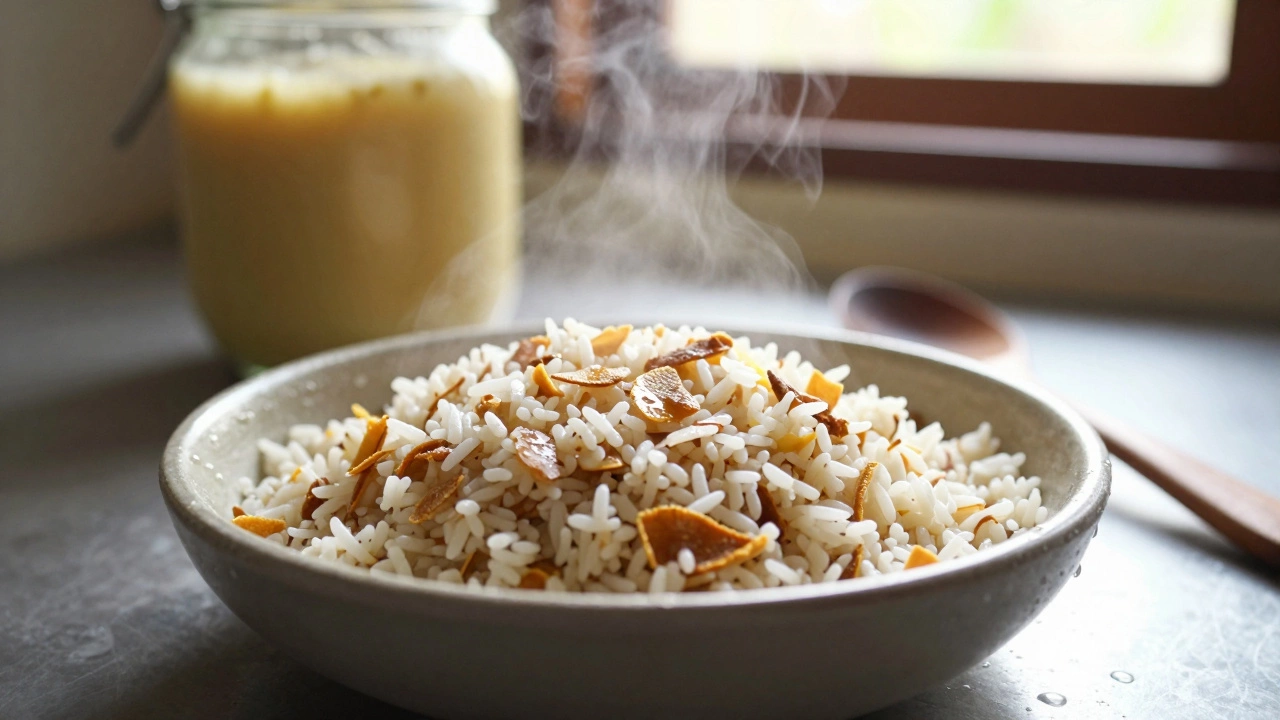
Poha, also known as flattened rice or beaten rice, is made by parboiling rice, then flattening it into thin flakes. It’s a staple in Indian kitchens, especially in the west and south. You’ll find it in snacks like poha upma, breakfast bowls, and even sweet desserts. But in dosa batter, it doesn’t just add texture-it changes the whole chemistry of fermentation and crispness.
Unlike raw rice, poha is already partially cooked. That means it breaks down faster when soaked. When you add it to your dosa batter, it releases starch quickly into the mix. This isn’t just about thickness-it’s about feeding the good bacteria that make fermentation work.
The Science Behind Fermentation
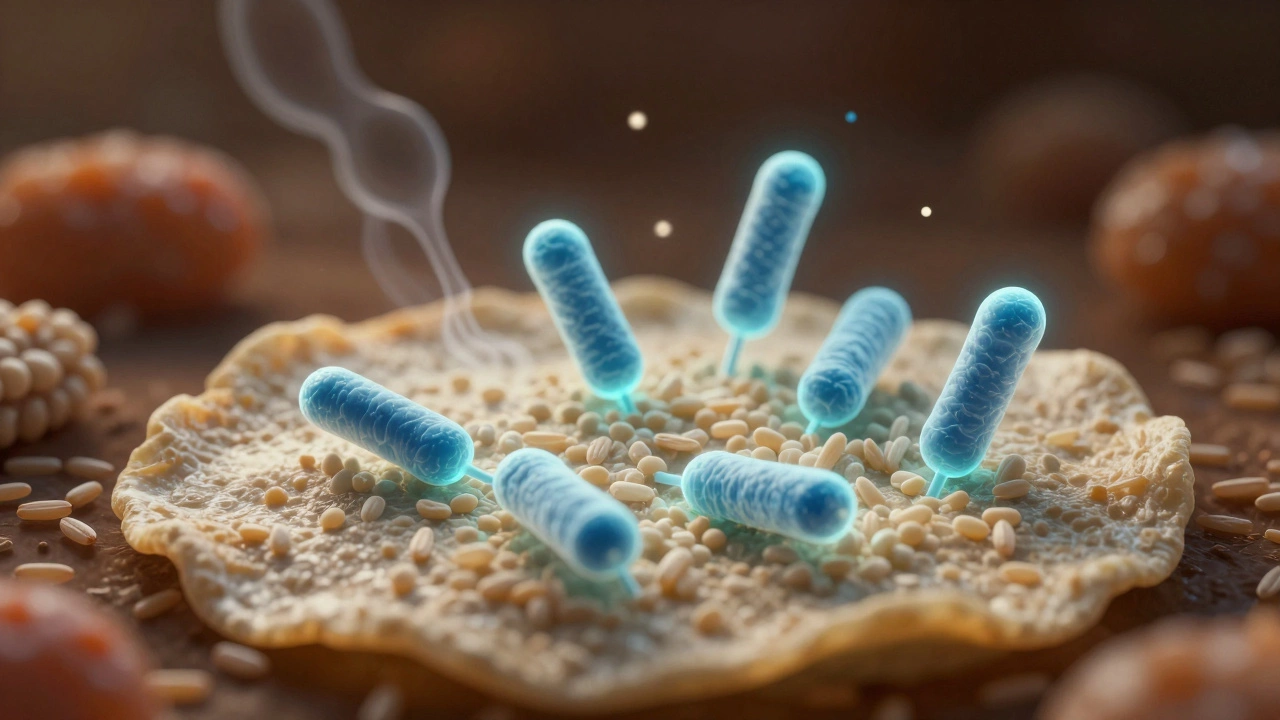
Dosa batter relies on wild yeast and lactic acid bacteria to rise. These microbes feed on sugars in the rice and urad dal. But raw rice takes time to break down into digestible sugars. Poha? It’s already pre-gelatinized. The starch is exposed and ready to go. That means the microbes get a faster, more reliable food source.
Studies on traditional Indian fermented foods show that adding pre-cooked starches like poha or cooked rice can shorten fermentation time by 4-6 hours. In homes where the kitchen isn’t always warm-like in Birmingham in winter-this matters. If your batter takes 18 hours to ferment instead of 12, you’re more likely to give up or end up with flat, sour batter.
Plus, poha helps balance acidity. Too much lactic acid makes dosa taste sharp and weakens the structure. The gentle, quick fermentation from poha keeps the pH just right-slightly tangy but not overpowering.
Why Crispness Matters
A perfect dosa should crackle when you bite into it. It should be thin enough to see the pan through it, yet hold its shape. Without poha, many home cooks end up with dosas that are rubbery or soggy in the middle. Why?
Raw rice contains more amylose, a type of starch that forms dense, elastic networks when cooked. That’s great for idlis but not for dosas. Poha is rich in amylopectin-the kind of starch that gelatinizes quickly and sets into a brittle, crisp layer when fried.
Think of it like this: poha acts like a natural crisping agent. It doesn’t make the batter oily or greasy. It doesn’t need extra oil. It just helps the moisture escape faster during cooking, leaving behind that signature crunch. You’ll notice the difference even if you use the same pan, same heat, same batter-but without poha.
How Much Poha Should You Use?
There’s no fixed rule, but most traditional recipes use about 1/4 to 1/3 cup of poha for every 1 cup of raw rice. That’s roughly 15-20% of the total rice volume. Too much and the batter becomes gummy. Too little and you won’t feel the effect.
Here’s a simple ratio that works every time:
- 1 cup raw rice (preferably idli rice or ponni rice)
- 1/3 cup poha (flattened rice)
- 1/4 cup whole urad dal (skin-on)
- 1 tsp salt
Soak the rice and poha together for 4-5 hours. Soak the dal separately for 3-4 hours. Grind them separately, then mix. Let the batter ferment overnight. You’ll see bubbles form faster, the volume will increase noticeably, and the smell will be clean-not sour.
What Happens If You Skip Poha?
You can make dosa without it. Many modern recipes do. But you’ll pay for it in consistency. Without poha:
- Fermentation is slower, especially in cool climates
- Batter may not rise enough, leading to thick, heavy dosas
- Crispness is harder to achieve-dosas often turn chewy
- More batter is needed per dosa, wasting ingredients
Some people try to fix this by adding baking soda. But that’s a band-aid. Baking soda gives a quick puff, but it kills the flavor. It doesn’t develop the complex tang that comes from natural fermentation. Poha works with the process, not against it.
Regional Variations
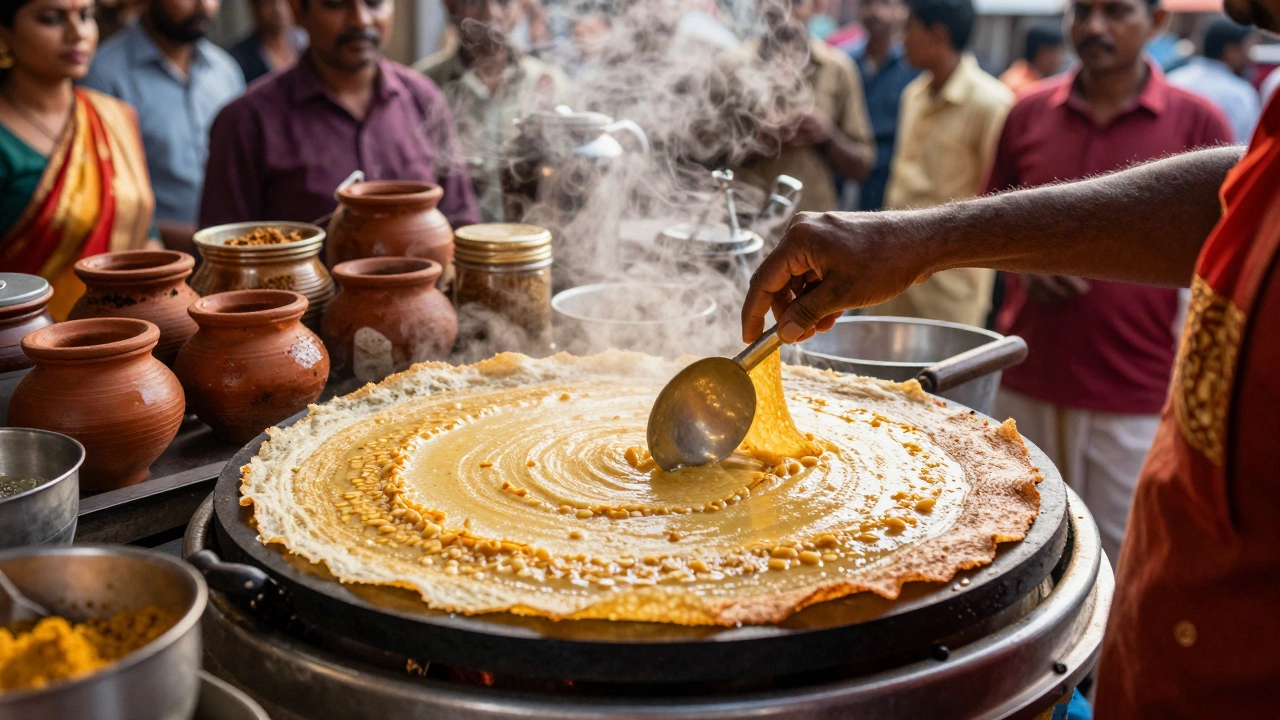
In Tamil Nadu, poha is rarely used-many families rely on aged rice and longer fermentation. But in Karnataka and Andhra Pradesh, it’s common. In Mumbai street stalls, poha is standard. Why? Because speed and consistency matter when you’re making 200 dosas a day.
Even in Kerala, where coconut is king, you’ll find poha in dosa batter at temple kitchens. It’s not about region-it’s about practicality. If you want reliable results without fancy equipment, poha is your ally.
Pro Tips for Best Results
- Use fresh poha. Old, stale poha loses its ability to absorb water and release starch.
- Soak it with the rice, not separately. This ensures even hydration.
- Grind the rice-poha mix first. Then add the dal. This keeps the texture smooth.
- If your kitchen is cold, place the batter near a warm oven or wrap it in a towel with a hot water bottle.
- Don’t overmix after fermentation. Gently fold the batter to keep the air bubbles intact.
Common Myths About Poha in Dosa Batter
Myth: Poha makes dosa unhealthy. False. Poha is low in fat, high in easily digestible carbs, and has no additives. It’s a whole grain product.
Myth: Only traditional cooks use it. No. Even professional chefs in South India use it. It’s not old-fashioned-it’s science-tested.
Myth: You can substitute with semolina or oats. Don’t. Semolina makes dosa gritty. Oats add fiber but kill crispness. Poha’s texture and starch profile are unique.
Final Thought: It’s Not Magic. It’s Mastery.
Poha isn’t a secret ingredient. It’s a smart one. It’s the quiet hero of dosa batter. You won’t find it in fancy cookbooks written by chefs who’ve never cooked in a South Indian home kitchen. But you’ll find it in every grandmother’s notebook, every street vendor’s recipe card, every kitchen where dosa is made daily.
If you want dosas that are light, crisp, and reliably perfect-without relying on baking powder or yeast packets-add poha. It’s the difference between a good meal and a great one.
Can I use instant poha for dosa batter?
Yes, but only if it’s plain, unflavored poha. Avoid flavored or roasted varieties. Instant poha is fine as long as it’s not pre-seasoned. Always soak it with the rice for at least 4 hours to soften properly.
Does poha change the taste of dosa?
Not noticeably. Poha is neutral in flavor. It doesn’t add sweetness or saltiness. What it does is improve texture and fermentation, which indirectly enhances flavor by allowing natural tang to develop properly. The taste comes from the rice and dal-poha just helps them shine.
Can I use poha in idli batter too?
Yes, but it’s not necessary. Idlis rely on softness, not crispness. Adding poha can make idlis slightly denser. Most traditional idli recipes use only rice and dal. If you want fluffier idlis, focus on fermentation time and grinding texture instead.
Why does my dosa batter still not ferment even with poha?
Temperature is the most likely culprit. If your kitchen is below 20°C (68°F), fermentation slows down. Try placing the batter near a warm appliance, like a running oven with the light on. Also, check your dal ratio-too much urad dal can make batter sticky and slow to rise. Stick to a 3:1 rice-to-dal ratio for best results.
Is poha the same as rice flakes?
Yes. Poha is called rice flakes in some stores, especially outside India. Just make sure it’s not the sweetened, colored kind meant for snacks. Look for plain, white, flattened rice flakes with no additives.