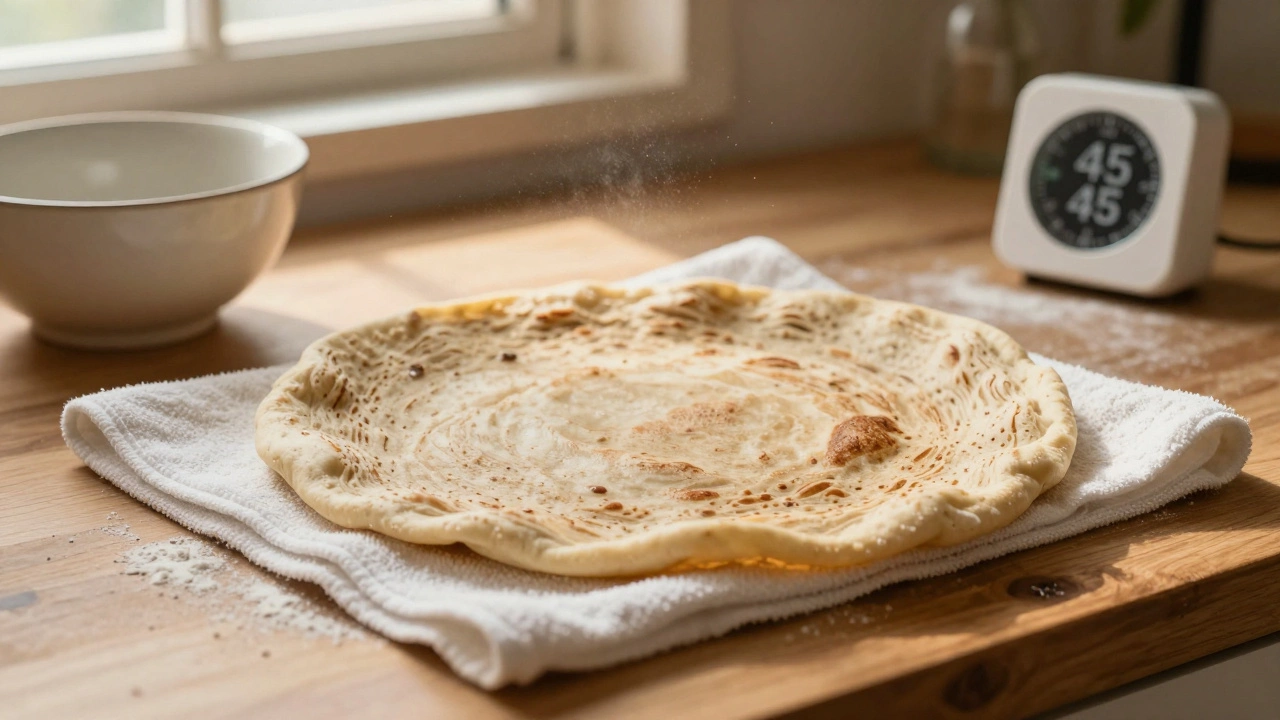
Roti Dough Resting Time Calculator
Calculate Your Optimal Resting Time
Your Recommended Resting Time
Pro Tip
Always cover dough with damp cloth or plastic wrap during resting. Dry dough cracks and won't puff properly!
Ever made roti that turned out tough, dry, or uneven? You followed the recipe, kneaded the dough till your arms ached, and still - it didn’t puff right. The problem isn’t your flour or your tawa. It’s probably that you skipped the most important step: resting the dough.
Resting roti dough isn’t optional. It’s not a suggestion. It’s the difference between a brittle, rubbery flatbread and one that’s soft, springy, and perfect for scooping up curry. Most people rush this part because they think it’s just waiting. But waiting is where the magic happens.
Why Roti Dough Needs to Rest
When you mix flour and water, the gluten proteins start to form networks. But they’re tense, tight, and tangled. Kneading helps, but it doesn’t fix everything. That’s where resting comes in.
During rest, two things happen:
- Gluten relaxes - The strands loosen up so the dough becomes easier to roll without snapping back.
- Hydration completes - Flour slowly absorbs every drop of water. Dry spots vanish. The texture becomes uniform.
This isn’t guesswork. A 2023 study from the Indian Institute of Food Processing Technology found that dough rested for at least 30 minutes had 42% better extensibility than dough rolled immediately. That means it stretches farther without tearing - the key to a round, even roti.
How Long Should You Rest Roti Dough?
The sweet spot? At least 30 minutes. But here’s the real breakdown:
- 30 minutes - Minimum for decent results. Good if you’re in a hurry. Dough will roll, but might still resist a little.
- 45-60 minutes - Ideal for most home cooks. Dough becomes smooth, pliable, and rolls out like butter. This is what you want for daily rotis.
- 2 hours or overnight - For next-level softness. Cold rest in the fridge (covered tightly) breaks down starches further. Rotis come out tender, almost like naan. Great for weekends or meal prep.
Don’t worry about the dough drying out. Cover it with a damp kitchen towel or plastic wrap. A dry surface = cracked rotis. Always keep it moist.
What Happens If You Skip Resting?
You’ll get rotis that:
- Crack when you roll them
- Stay thick in the middle and thin at the edges
- Don’t puff up properly on the tawa
- Feel chewy instead of fluffy
I’ve seen people skip resting because they’re tired, or because they think it’s "just flour and water." But think of it like proofing bread. You wouldn’t bake sourdough right after mixing, right? Same logic applies here.
One woman in Lucknow, who’s been making rotis for 50 years, told me: "Agar dough thanda nahi hota, roti nahi hoti - If the dough doesn’t rest, the roti doesn’t happen." She lets hers sit for two hours. Her kids eat 12 a day.
Temperature Matters Too
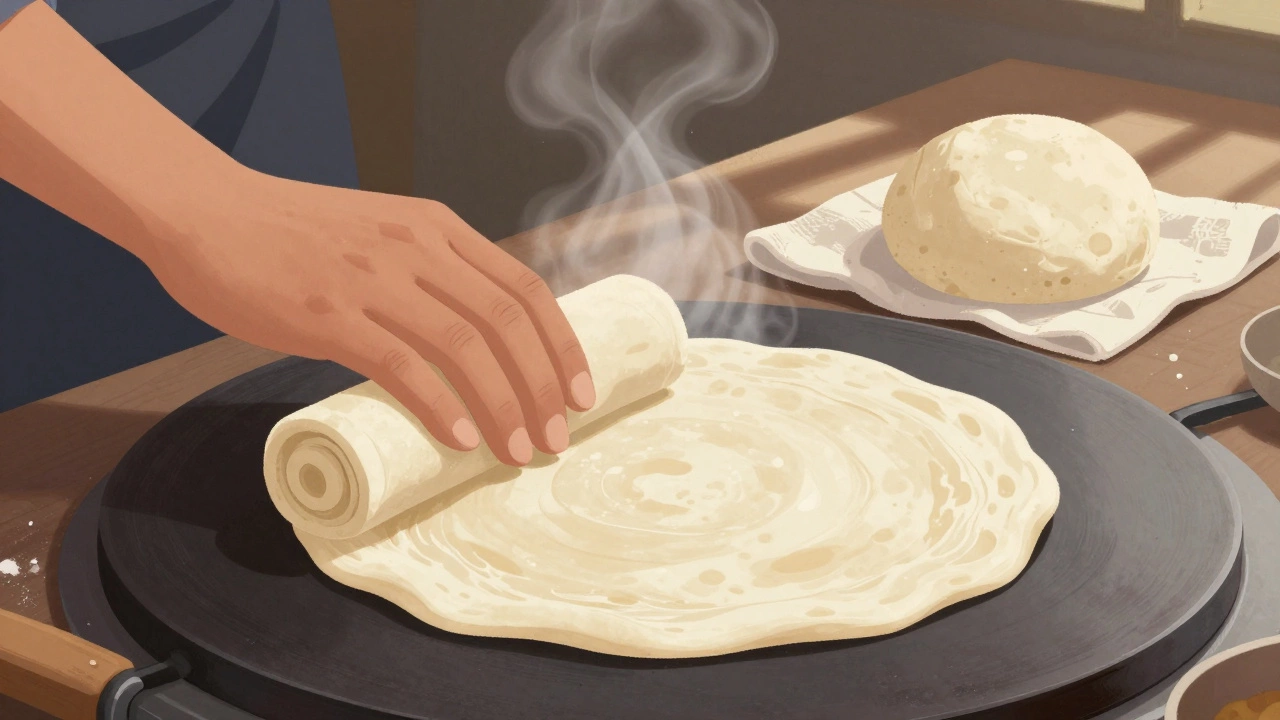
Resting at room temperature (around 20-25°C) works fine. But if you live somewhere hot - like Birmingham in summer - your dough might ferment too fast. Cover it and pop it in the fridge for 30-60 minutes. It’ll still relax, just slower.
On the flip side, if it’s winter and your kitchen is chilly, give it 90 minutes. Cold slows hydration. You can also place the bowl near a warm (not hot) radiator or use a proofing box set to 28°C. No fancy gear? Just turn on your oven for 30 seconds, then turn it off. Put the dough inside. The residual heat helps.
Pro Tips for Perfect Resting
- Use whole wheat atta - It needs more rest than refined flour because it’s coarser and absorbs water slower.
- Add a teaspoon of oil or ghee to the dough before resting. It helps keep moisture locked in and makes rolling easier.
- Don’t knead again after resting. Just divide and roll. Kneading re-tightens the gluten.
- If you’re making rotis for guests, rest the dough ahead of time. Roll them out, place them between parchment paper, and stack them. They’ll stay soft for hours.
- Leftover dough? Wrap it tight and freeze it. Thaw in the fridge overnight. Rest another 30 minutes before rolling.
Common Myths About Roti Dough Resting
Myth: "Resting makes dough sticky."
Truth: Sticky dough means you added too much water. Resting doesn’t cause stickiness - improper hydration does.
Myth: "I’ve never rested dough and my rotis are fine."
Truth: Maybe they’re okay. But they could be better. Think of it like sleeping. You can function on four hours. But after eight? You’re sharper, stronger, more alive.
Myth: "Only fancy restaurants rest dough."
Truth: Every good Indian kitchen rests it. Even the roadside stalls. They just do it while the curry simmers.
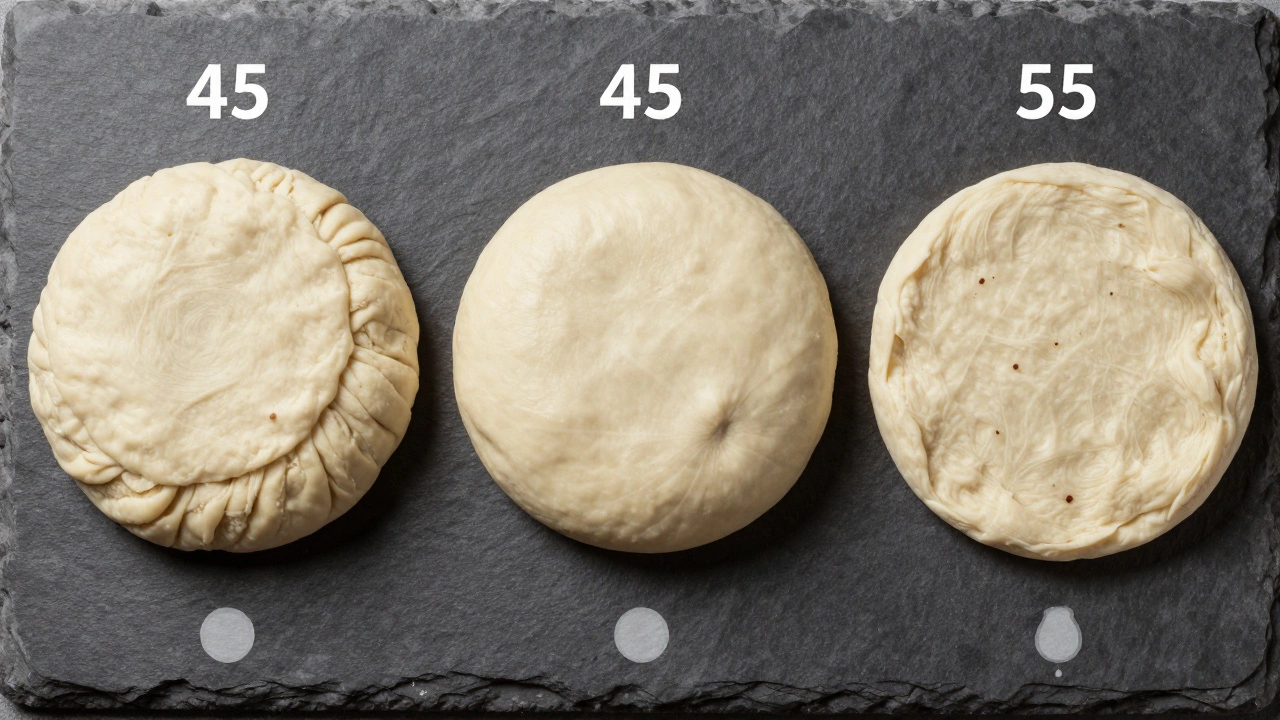
Quick Resting Checklist
Before you roll your roti, ask yourself:
- Did I use whole wheat atta? (If yes, rest 45+ minutes)
- Is the dough covered? (Damp cloth or plastic wrap - no exceptions)
- Did I let it sit longer than 30 minutes? (If not, wait)
- Is the kitchen cold? (Add 15-30 minutes)
- Am I making rotis for a crowd? (Rest overnight - it saves time later)
If you answer "yes" to all of these, you’re ready. Your rotis will puff like clouds.
What About Other Indian Breads?
Resting works the same for:
- Chapati - Same as roti. No difference.
- Paratha - Rest the dough 60 minutes. Then roll, stuff, and cook. The layers stay soft, not flaky.
- Bhatura - Needs longer rest (2 hours) because of yeast. But the principle is the same.
- Naan - Rest 1-2 hours with yeast. But even the non-yeast versions benefit from 45 minutes.
Bottom line: If it’s made from wheat flour and water, rest it.
Final Word: Don’t Rush the Wait
Roti isn’t just food. It’s ritual. Kneading is your hands talking to the dough. Resting is the dough talking back. You don’t need fancy tools. You don’t need a chef’s hat. You just need patience.
Next time you make roti, set a timer. 45 minutes. Put on a song. Make tea. Watch the light change. When the timer goes off, roll one out. You’ll feel the difference before you even taste it.
Soft roti isn’t luck. It’s science. And it starts with waiting.
Can I rest roti dough overnight?
Yes, and it’s actually better. Cover the dough tightly with plastic wrap or a damp cloth, then refrigerate it. The cold slows fermentation and lets the flour hydrate slowly. Rotis made from overnight-rested dough are softer, more tender, and easier to roll. Just take it out 30 minutes before rolling to bring it to room temperature.
What if I forgot to rest the dough? Can I still make roti?
You can, but they’ll be tougher and harder to roll. If you’re in a rush, let the dough sit for at least 15 minutes while you heat the tawa. Then roll gently. Don’t force it. If it snaps back, let it rest another 10 minutes. It’s better than giving up.
Should I cover the dough while resting?
Always. A dry surface leads to cracked rotis. Use a damp kitchen towel or plastic wrap. Don’t use a dry cloth - it pulls moisture out. A light spray of water on the towel helps if it starts to dry.
Does the type of flour affect resting time?
Yes. Whole wheat atta (atta) needs longer - 45 to 60 minutes - because it’s coarser and absorbs water slower. If you mix in refined flour (maida), 30 minutes may be enough. But for the best texture, stick to 100% atta and give it time.
Can I rest dough in a warm place?
Yes, but be careful. A warm spot (like near a stove or oven) speeds up hydration, which is good. But if it’s too hot - above 30°C - the dough can start fermenting, especially if you added sugar. Stick to room temperature unless you’re making yeast-based breads like naan.