Unfermented Dosa Rescue Calculator
Forgot to ferment your batter? Or want a quick instant dosa? Enter your batter volume below to get precise leavening amounts and flavor boosters.
1. Select Your Method
You’re hungry. It’s 8 AM. You open the fridge, and there it is: a container of dosa batter that you forgot to make yesterday, or worse, batter that just didn’t rise because your kitchen was too cold. The traditional South Indian breakfast feels miles away because fermentation takes time-usually 8 to 12 hours. But here’s the secret most grandmothers won’t tell you: you don’t always need perfectly fermented batter to get a decent, edible, and even tasty dosa. You just need to adjust your technique.
Making unfermented dosa isn’t about replicating the exact tangy flavor of a 24-hour ferment; it’s about achieving the right texture and crispiness using chemistry and heat. If you’ve ever stared at flat, dense batter wondering if you should order pizza instead, this guide is for you. We’ll cover how to rescue unfermented batter, how to make an instant version from scratch, and the specific tricks to ensure it doesn’t taste like raw rice paste.
Why Fermentation Matters (And What Happens When You Skip It)
To fix the problem, you first have to understand what fermentation actually does. In traditional Idli-Dosa batter, wild yeast and bacteria break down the starches in rice and lentils (urad dal). This process produces carbon dioxide (which makes the batter rise) and lactic acid (which gives dosas their signature sour tang).
When you skip this step, two things happen:
- No Rise: Your batter remains dense and heavy. It won’t spread as easily on the pan because it lacks the air bubbles that lighten the structure.
- No Tang: The flavor profile becomes neutral, tasting mostly of cooked rice and beans rather than the complex, slightly sour taste associated with good dosa.
However, unfermented batter is not a disaster. It is simply "raw" batter. With the right additives and cooking method, you can mimic the texture and boost the flavor enough to fool your family-or at least satisfy your hunger.
Method 1: Rescuing Flat Batter with Chemical Leaveners
If you already have batter that hasn’t risen, do not throw it away. You can use chemical leavening agents to simulate the gas production that yeast would normally provide. This is the fastest way to turn dead batter into dinner.
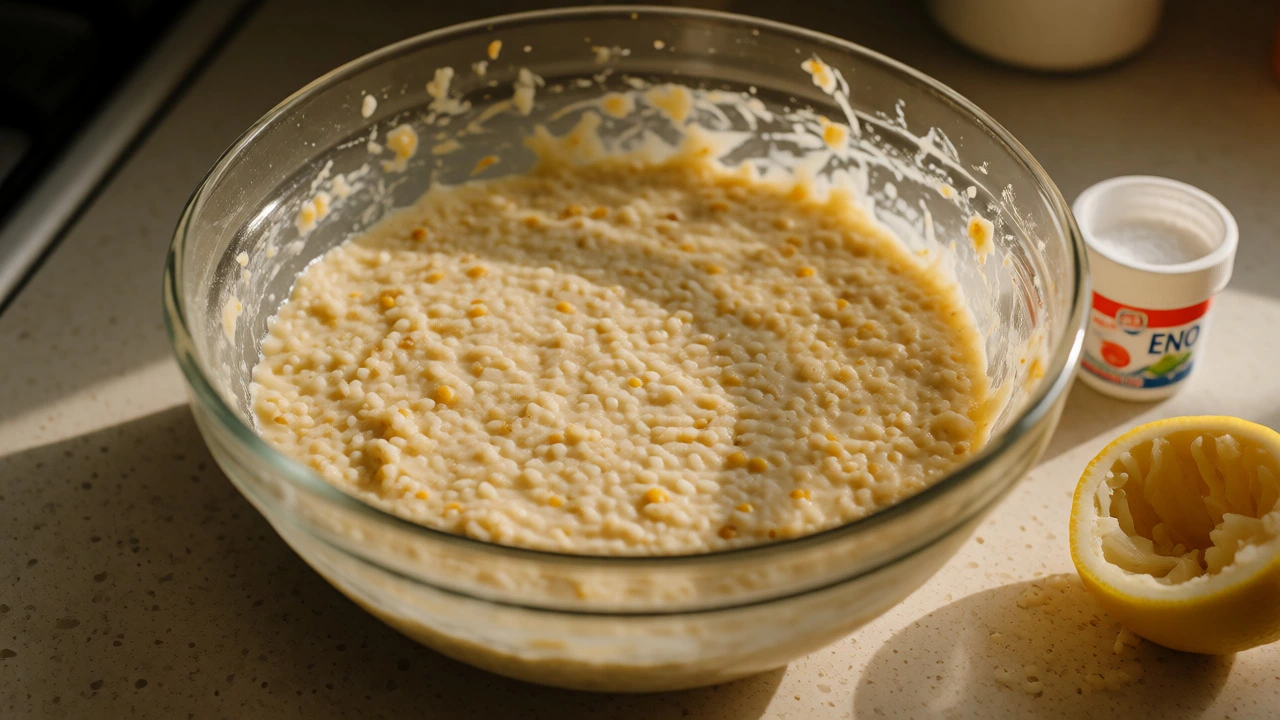
The magic ingredient here is Eno fruit salt or baking soda. Eno is a mixture of sodium bicarbonate and citric acid. When it hits water, it fizzes violently, creating immediate bubbles. Baking soda alone works but needs an acidic component to activate fully and remove the soapy aftertaste.
The Rescue Recipe
- Check Consistency: Ensure your batter is thick but pourable. If it’s too thick, add a little warm water. Warm water helps dissolve the salts faster.
- Add Acid: Squeeze half a lemon into the batter. This provides the acidity needed to react with the baking soda and adds a slight tang to compensate for the missing fermentation.
- Add Leavener: For every cup of batter, mix in ½ teaspoon of baking soda or one sachet of Eno. Stir vigorously. You will see bubbles form immediately.
- Cook Immediately: Do not let it sit. The chemical reaction peaks quickly. Pour onto a hot pan within minutes of mixing.
This method creates a lighter, fluffier dosa than plain unfermented batter, though it won’t be as airy as a properly fermented one. It’s a solid backup plan when time is short.
Method 2: The Instant Semolina Rava Dosa Hack
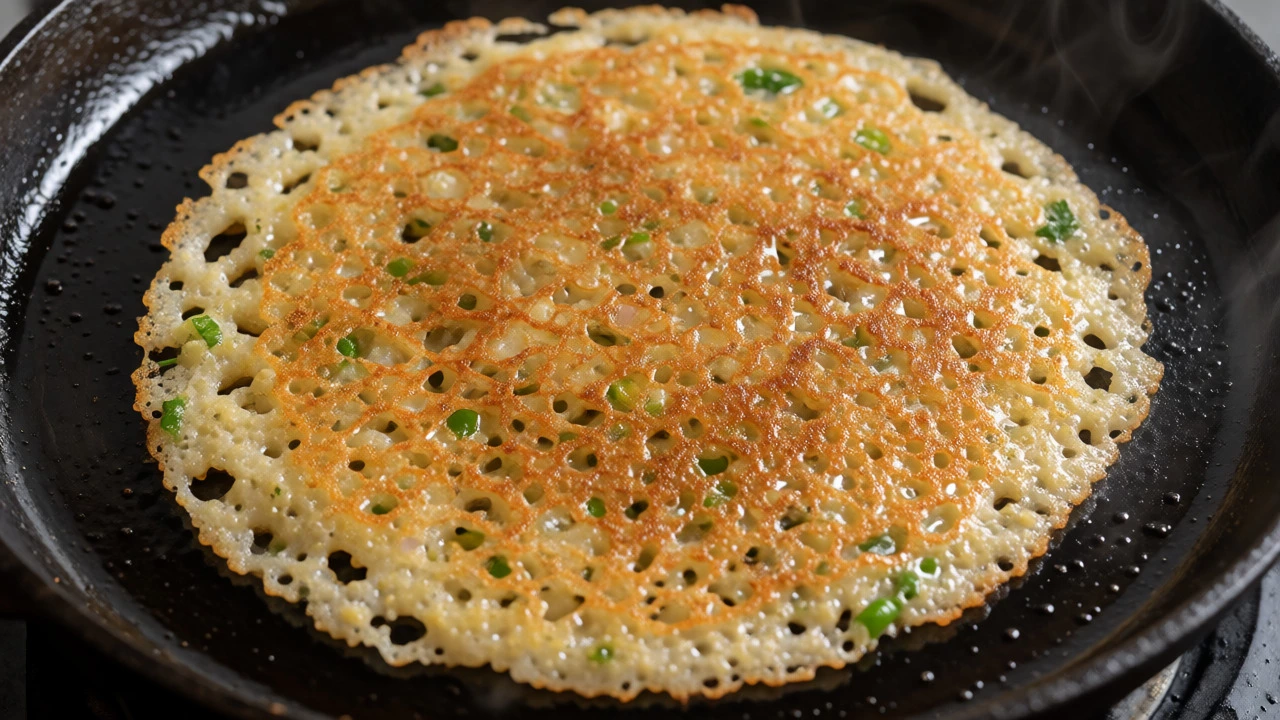
If your rice-lentil batter is hopeless, switch gears entirely. Rava Dosa (semolina dosa) is naturally unfermented. It relies on semolina (sooji/rava), rice flour, and all-purpose flour (maida) for structure. Because semolina cooks instantly, there is no waiting game.
Rava dosa offers a different experience-it’s crispier, thinner, and has a distinct lattice pattern due to the coarse grain of the semolina. It pairs exceptionally well with coconut chutney because its mild flavor lets the chutney shine.
Quick Rava Dosa Batter
| Ingredient | Quantity | Role |
|---|---|---|
| Semolina (Fine Rava) | 1 Cup | Main body, provides crunch |
| Rice Flour | ½ Cup | Binds the batter, adds crispness |
| All-Purpose Flour (Maida) | ¼ Cup | Helps with spreading and browning |
| Water | 3-4 Cups | Dilutes to thin consistency |
| Salt | To Taste | Flavor enhancer |
Pro Tip: Rest this batter for just 15-20 minutes. Unlike fermentation, this rest allows the semolina granules to absorb water and swell, preventing a gritty texture. Add chopped onions, green chilies, and cilantro directly into the batter for a Masala Rava Dosa.
Technique Tweaks for Unfermented Rice-Lentil Batter
If you are committed to using your original rice-urad dal batter without adding chemicals, you must change how you cook it. Unfermented batter behaves differently on the tawa (griddle).
Use More Oil or Ghee
Fermented batter has natural oils released during breakdown. Unfermented batter is leaner. To prevent sticking and aid in crisping, brush the pan generously with oil or ghee. Don’t be shy. A well-oiled pan acts as a heat conductor, ensuring the bottom cooks evenly before the top dries out.
Spread Thinly and Quickly
Fermented batter spreads easily due to its aerated structure. Dense, unfermented batter resists spreading. Use the back of a ladle to press and swirl the batter rapidly. If it tears, patch it with more batter. Thin dosas cook faster, reducing the risk of them becoming rubbery. Thick unfermented dosas often remain doughy in the center while burning on the outside.
Lower the Heat Slightly
Paradoxically, while you want a crispy exterior, high heat can cause unfermented batter to burn before the interior sets. Start on medium-high heat to set the edges, then lower to medium to allow the inside to cook through. Flip early. Once the edges lift easily, flip it. Press gently with the spatula to ensure contact with the hot surface.
Flavor Boosters: How to Fake the Tang
The biggest complaint about non-fermented dosa is the lack of flavor. It tastes bland. You can inject flavor directly into the batter before cooking.
- Lemon Juice: As mentioned, this activates baking soda but also adds acidity. Start with 1 tablespoon per cup of batter.
- Yogurt/Curd: Whisk in 2 tablespoons of sour curd per cup of batter. This adds moisture, tenderness, and a mild tang. It mimics the bacterial activity of fermentation.
- Asafoetida (Hing): A pinch of hing dissolved in water helps digestibility and adds a savory depth that masks the "raw bean" smell sometimes present in unfermented urad dal.
- Ginger-Green Chili Paste: Grind fresh ginger and green chilies into the batter. This turns a plain dosa into a flavorful snack that stands on its own, reducing the need for heavy chutneys.
Troubleshooting Common Issues
Even with these hacks, things can go wrong. Here is how to fix them.
My unfermented dosa is sticking to the pan.
This usually means the pan wasn't hot enough when you poured the batter, or you didn't use enough oil. Unfermented batter lacks the natural release properties of fermented batter. Always preheat your cast iron or non-stick pan until a drop of water sizzles and evaporates instantly. Then wipe off excess water, apply oil, and pour. If it still sticks, try adding a teaspoon of oil directly into the batter itself.
The dosa tastes bitter.
Bitterness often comes from too much baking soda. If you used baking soda without enough acid (like lemon juice or yogurt), the alkaline residue leaves a soapy, bitter taste. Next time, reduce the baking soda amount by half and increase the acidic component. Alternatively, switch to Eno fruit salt, which has built-in acid and is harder to overdo.
Can I store unfermented batter?
Yes, but only for 24 hours in the refrigerator. Since there is no active fermentation preserving it, the batter can spoil quickly. Keep it in an airtight container. Before using, bring it to room temperature. If you plan to use it later, add the leavening agents (soda/Eno) only right before cooking, not before storage.
Is unfermented dosa healthy?
It is generally less nutritious than fermented dosa. Fermentation breaks down anti-nutrients like phytic acid, making minerals like iron and calcium easier to absorb. It also increases vitamin B content. However, unfermented dosa is still a low-fat, vegetarian option. To boost nutrition, add grated carrots, spinach, or methi (fenugreek) leaves to the batter.
What if my batter is too watery?
If you added too much water trying to thin it out, you can't easily thicken it back without altering the ratio. Try mixing in a small amount of dry rice flour or idli rava to thicken it gradually. Let it sit for 10 minutes to absorb the liquid. Ideally, aim for a pouring consistency similar to heavy cream. If it runs off the ladle like water, it's too thin.
Final Verdict: Embrace the Imperfection
Does an unfermented dosa taste exactly like the one served at a high-end South Indian restaurant? No. It lacks the complex microbial depth and the perfect airy crumb. But does it solve the problem of needing breakfast now? Absolutely.
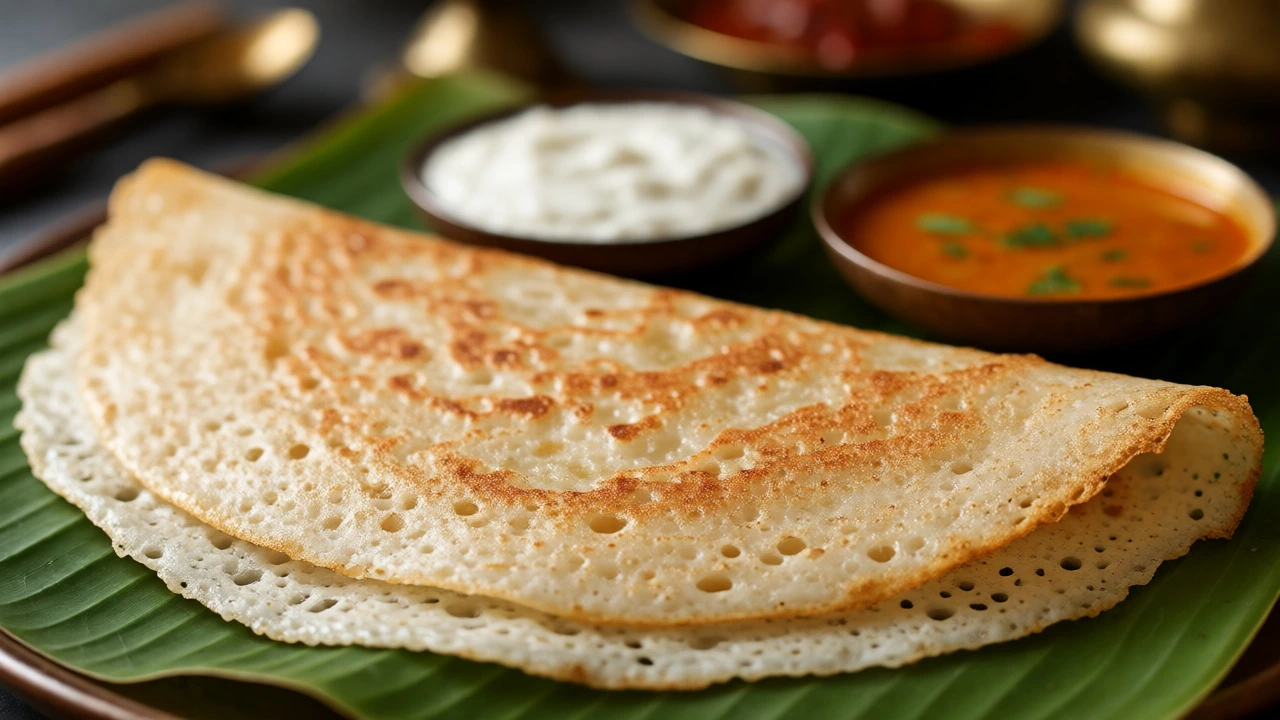
The key is managing expectations. Treat unfermented dosa as a quick, comforting meal rather than a gourmet experience. Pair it with strong sambar and spicy coconut chutney, and you’ll hardly notice the difference. Whether you choose the chemical rescue method with baking soda or pivot to a crisp Rava Dosa, you have options. Don’t let a missed fermentation cycle ruin your morning. Grab the ladle, heat the pan, and get cooking.