Cooking Tips for Indian Kitchen: Smart Tricks for Better Meals
When it comes to Cooking Tips, practical, hands-on advice that solves real problems in everyday Indian kitchens. Also known as kitchen hacks, these are the little tricks that turn frustrating meals into easy wins. Whether you're struggling to get your milk to curdle for homemade paneer or wondering why your dal tastes bitter, these aren’t just random suggestions—they’re proven fixes used in homes across India.
One of the biggest challenges in Indian cooking is dal cooking, the process of preparing lentils to be tender, flavorful, and free of bitterness. Not all dals need soaking—some, like moong or masoor, cook fast straight from the packet. But if your dal still tastes off, it’s often not the spice blend—it’s the water, the acid, or how you rinse the lentils. Then there’s paneer making, the art of turning milk into fresh cheese at home. Many people fail because they use ultra-pasteurized milk or add vinegar too early. The science behind curdling is simple, but the details matter: milk temperature, acid type, and even the pot material can make or break your paneer.
And let’s talk about the classic rice and roti, the two staple carbs served together in Indian meals. Why do some families layer rice over roti? It’s not just tradition—it’s about texture, temperature, and how the starches interact. Then there’s the confusion between tikka and tandoori seasoning, two popular marinades that look similar but behave very differently in the oven or grill. Tikka is yogurt-based and charred fast; tandoori uses more spices and needs longer cooking. Get it wrong, and your chicken ends up dry or bland.
These aren’t abstract ideas. They’re the exact problems covered in the posts below. You’ll find step-by-step fixes for milk that won’t curdle, quick dals that skip soaking, and why bitter lentils happen—and how to fix them in minutes. You’ll also learn how to layer rice and roti like a pro, and why choosing the right seasoning makes all the difference. No guesswork. No fluff. Just what works in real kitchens, with real ingredients, for real people.
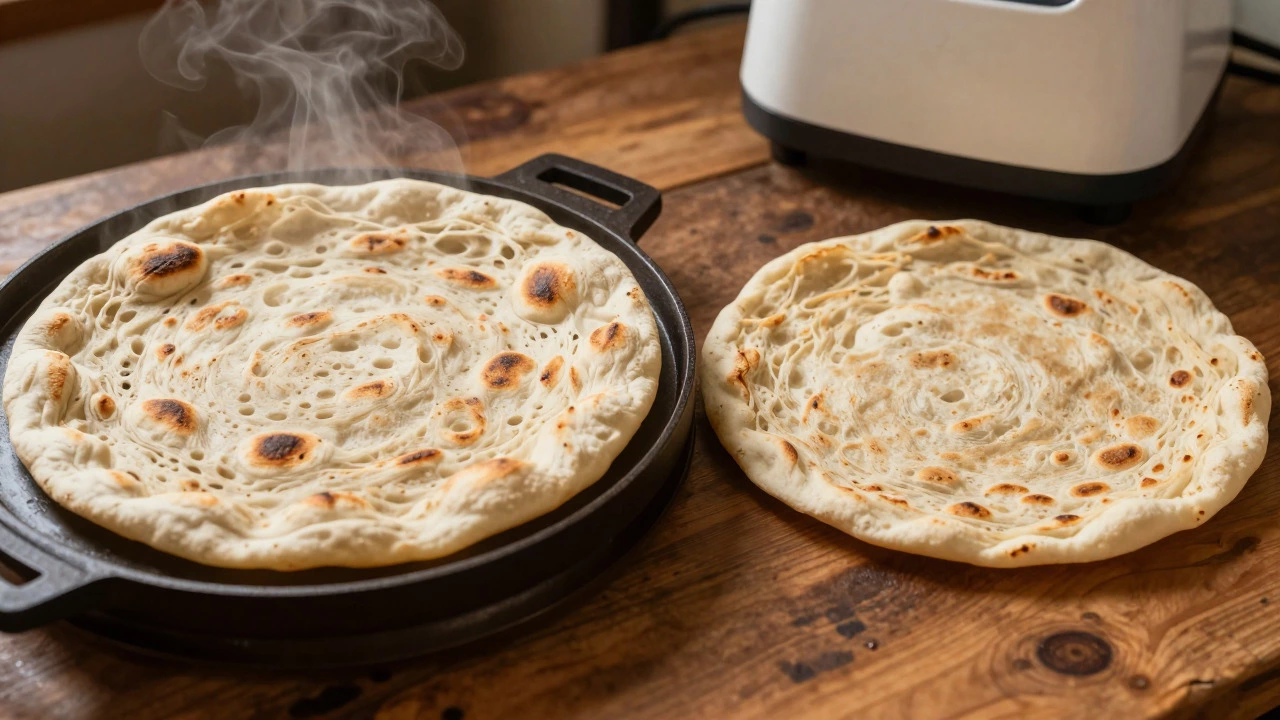
The Honest Truth: Disadvantages of Using a Roti Maker in 2026
Discover the real disadvantages of using a roti maker, including texture issues, limited versatility, and cleaning challenges. Learn if this appliance is right for your kitchen.
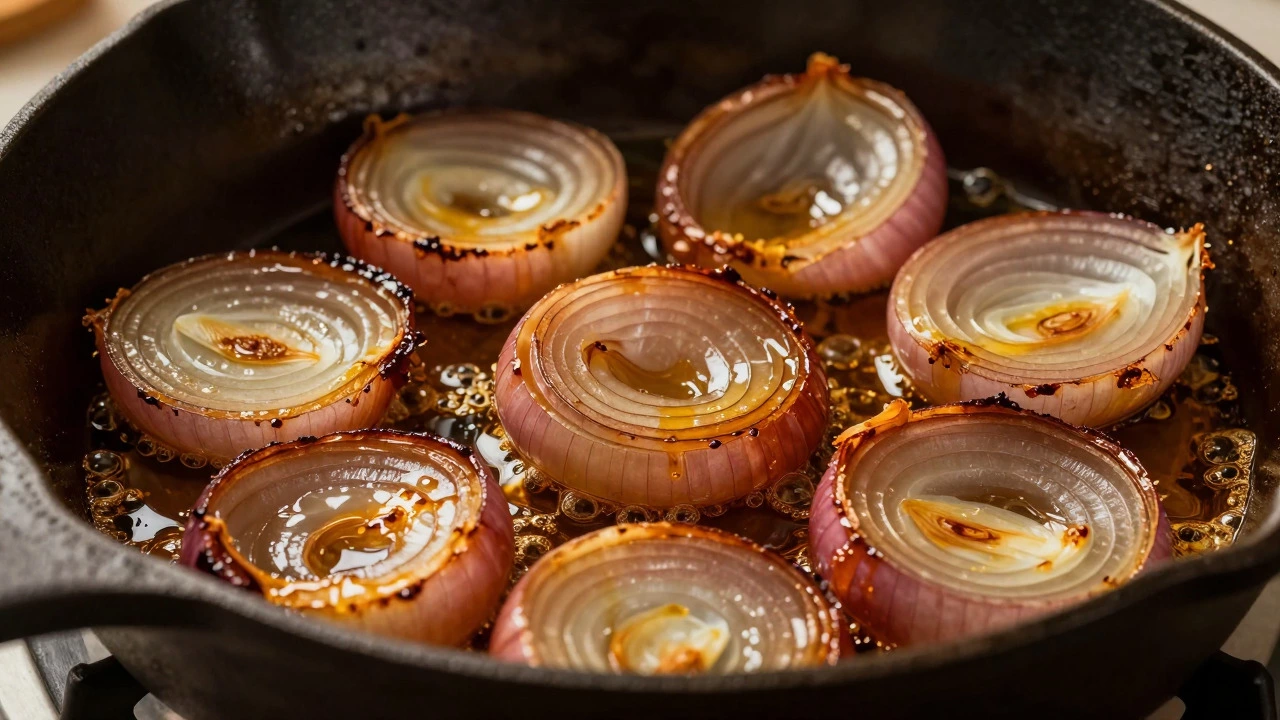
The Science of Delicious Curry: Secrets to Flavorful Chicken Curry
Discover the science behind delicious curry. Learn how to bloom spices, build umami, and balance flavors for a perfect chicken curry every time.
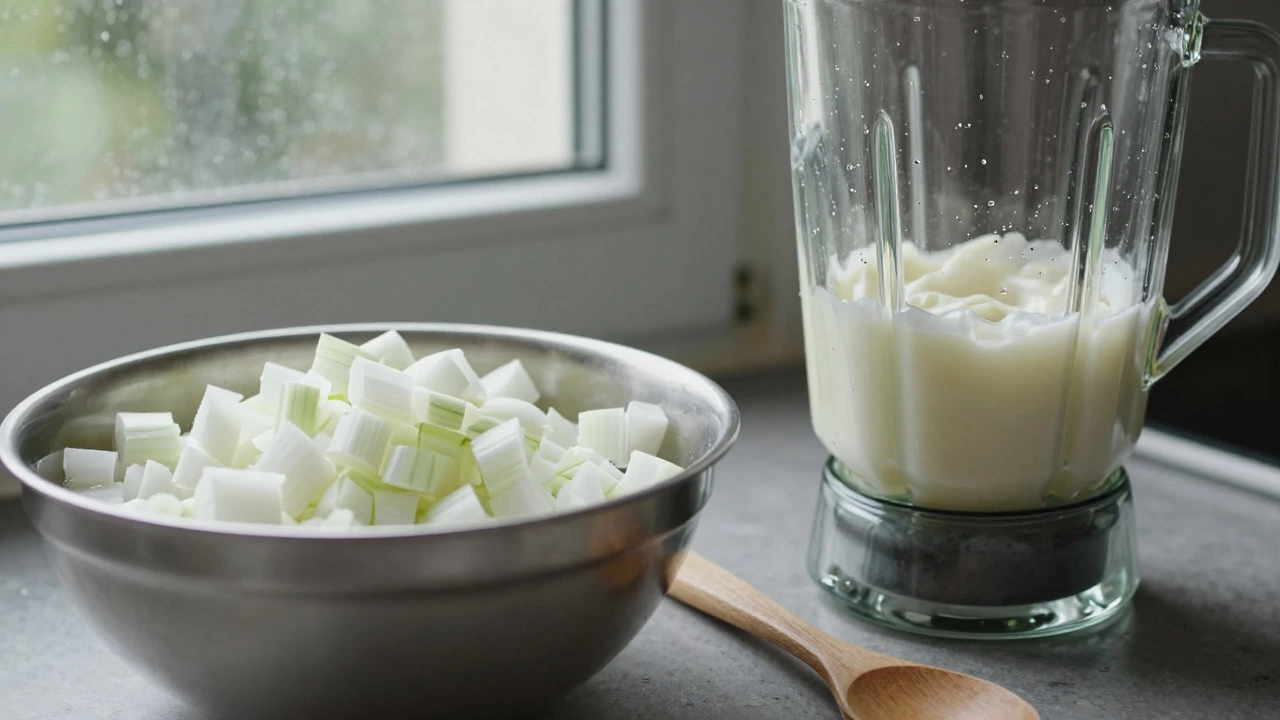
Should You Blend Onions for Curry? The Truth About Texture and Flavor
Discover whether blending onions for curry improves texture and flavor. Learn the pros and cons of onion paste vs chopped onions for chicken curry recipes.
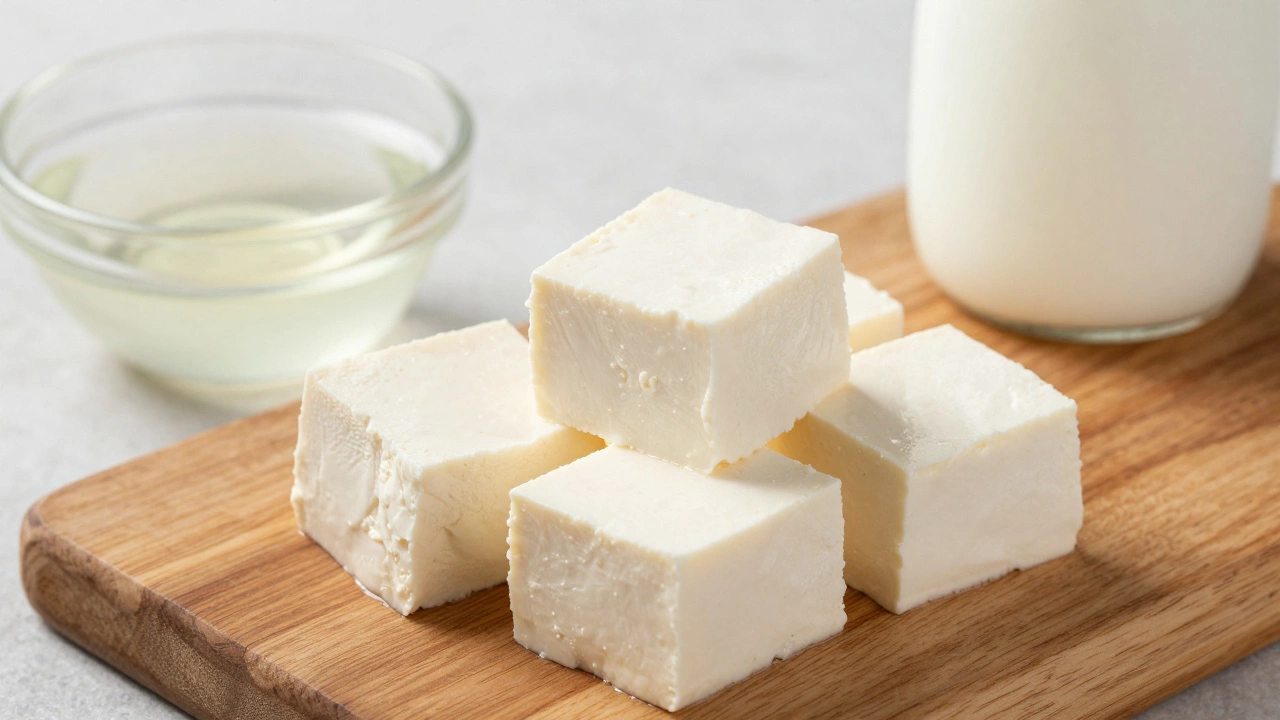
Is It Cheaper to Make Paneer at Home? A Cost Breakdown
Discover if making paneer at home saves money compared to buying it in UK supermarkets. We break down the costs of milk, vinegar, and labor to show you exactly how much you can save by switching to homemade.
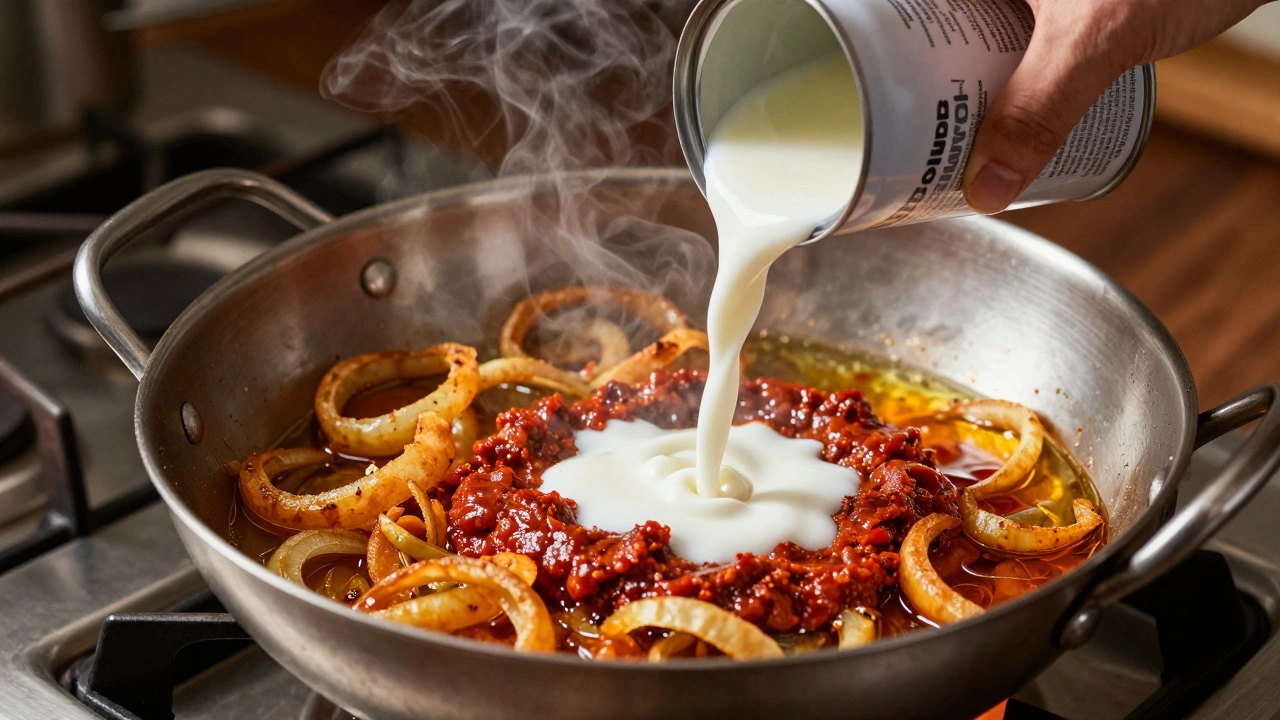
When to Add Coconut Milk to Curry: The Perfect Timing for Creamy Chicken Dishes
Discover exactly when to add coconut milk to curry for perfect texture and flavor. Learn timing tricks for Thai, Indian, and quick curries to avoid splitting and achieve restaurant-quality results.
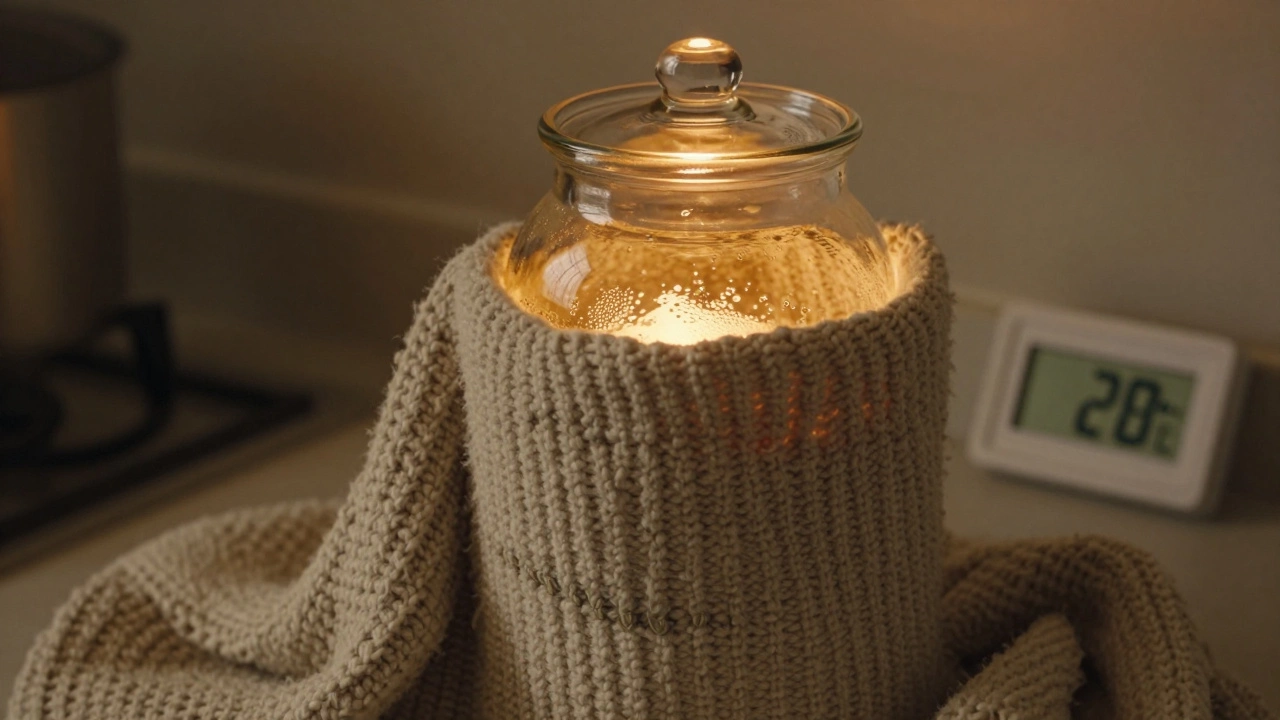
Why My Dosa Batter Is Not Fermenting: 7 Fixes for Flat Dosas
Discover why your dosa batter isn't fermenting and how to fix it. From temperature tricks to ingredient ratios, learn the secrets to fluffy, crispy dosas every time.
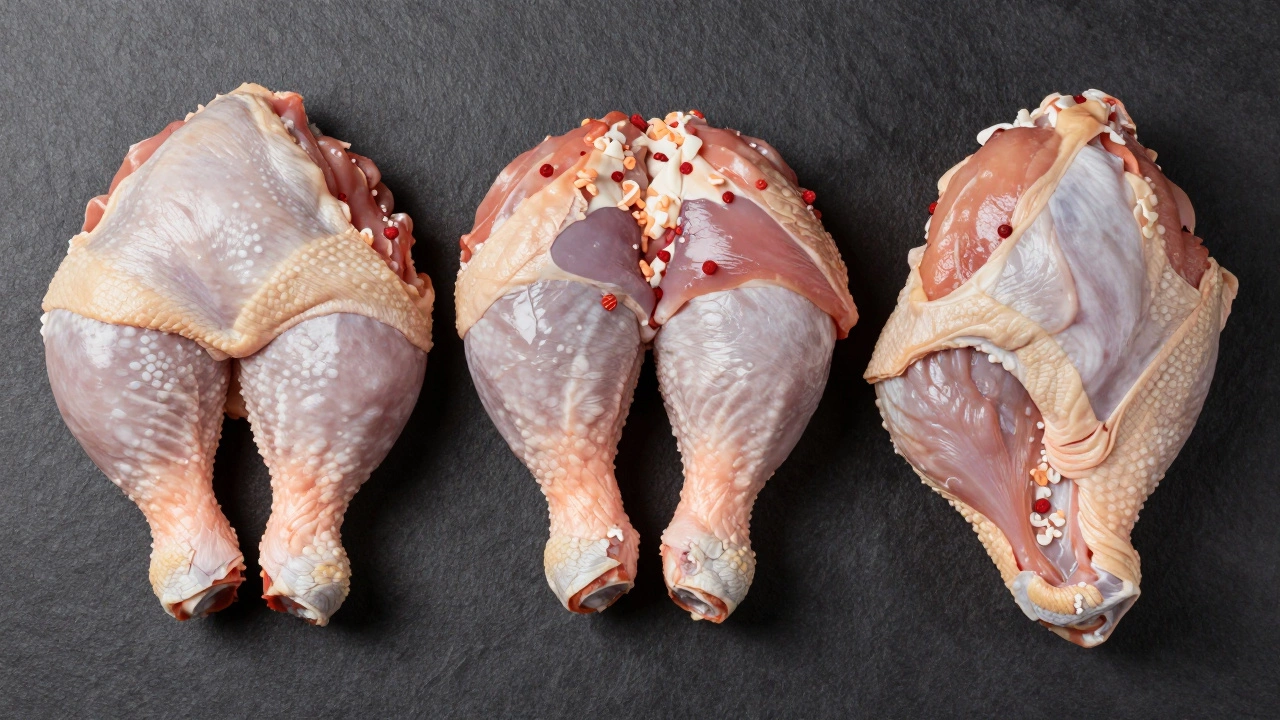
What Are the Parasites in Chicken Legs? A Guide to Safe Tandoori Chicken
Learn about potential parasites and bacteria in chicken legs, how to identify them, and safe cooking practices for tandoori chicken to prevent foodborne illness.
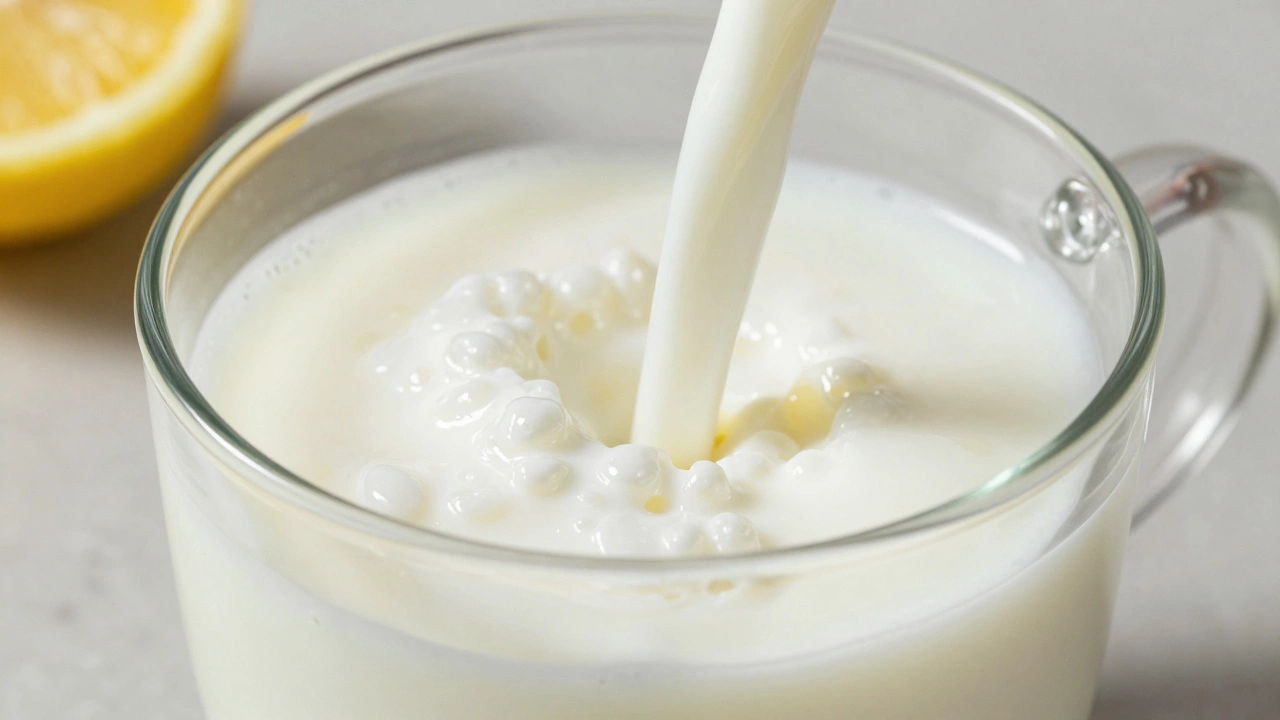
Why You Can't Mix Citrus and Dairy: The Science of Curdling Explained
Discover why mixing citrus and dairy causes curdling, the science behind casein proteins, and how to use this reaction to make perfect homemade paneer.
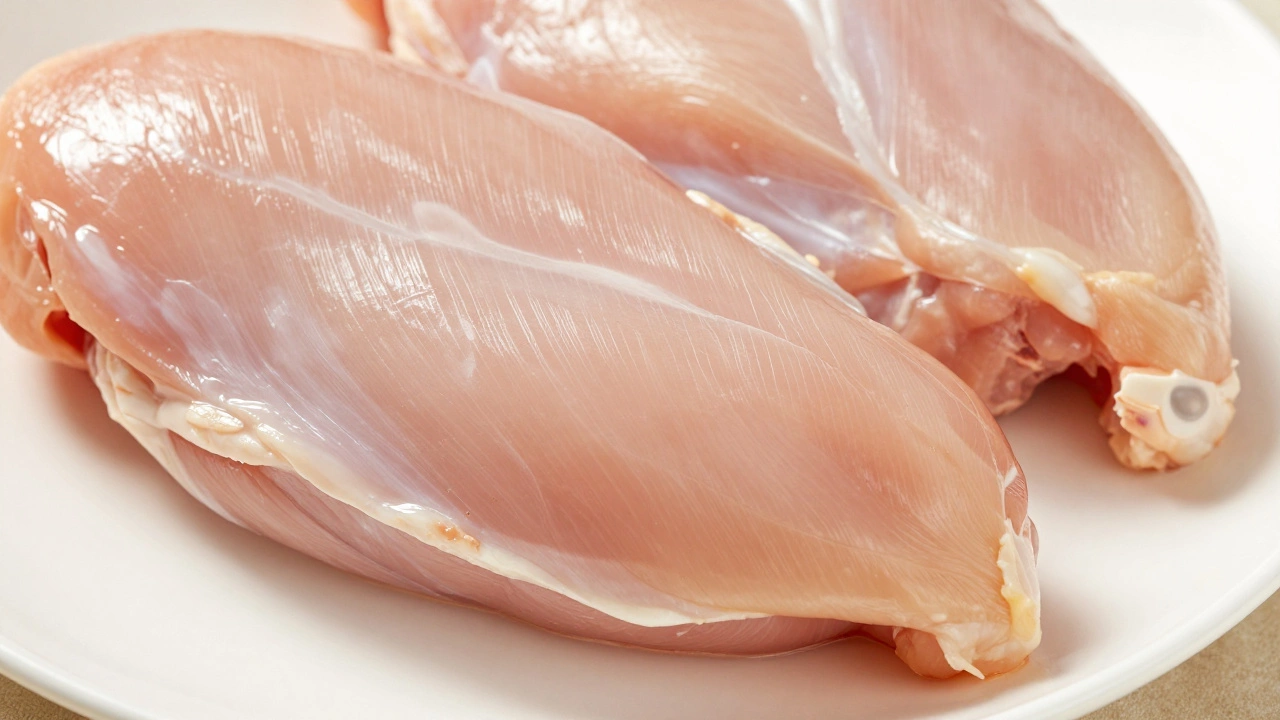
What Is the White Stuff on Chicken? Tandoori Safety & Cooking Guide
Discover what the white stuff on chicken is, from natural albumin to marinade residue. Learn how to distinguish safe proteins from spoilage for perfect Tandoori Chicken.
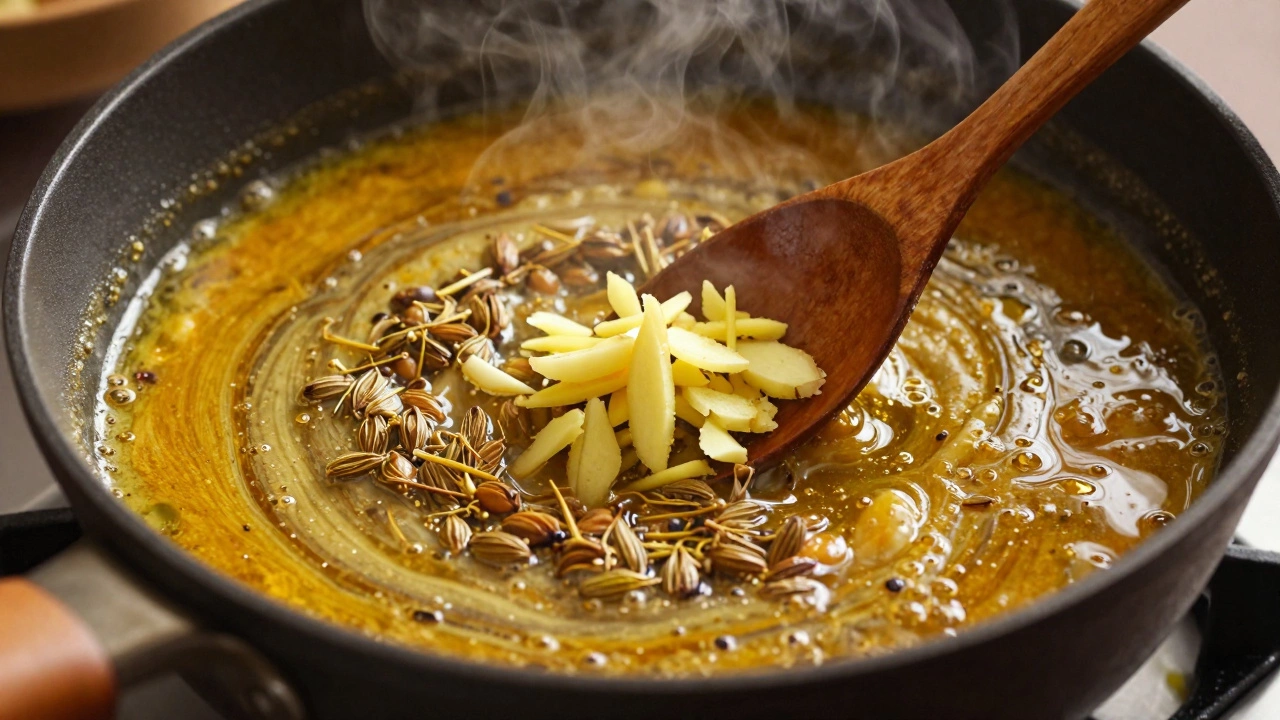
What to Do If Your Chicken Curry Is Tasteless: Quick Fixes and Pro Tips
If your chicken curry tastes flat, don’t panic. Learn how to fix it with simple, real-world tricks-adding acid, blooming spices, and finishing with garam masala. These steps bring depth back to your dish every time.
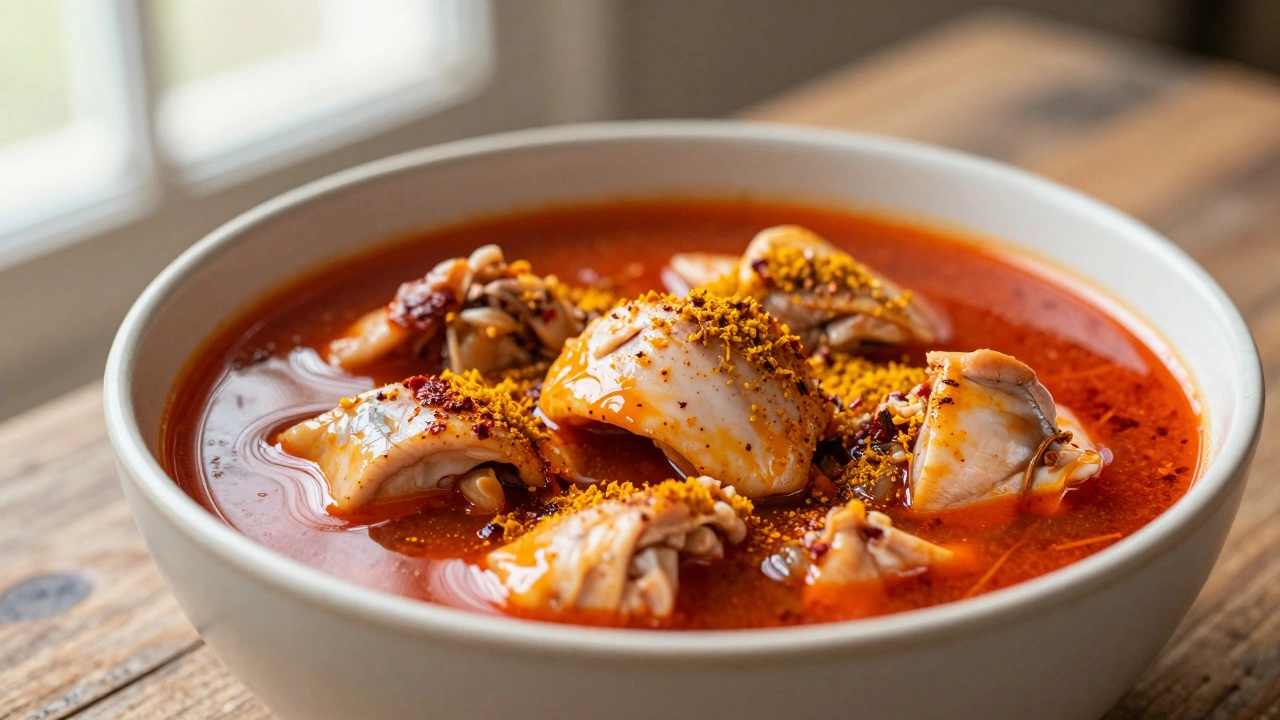
Why Tandoori Chicken Is So Tender (And How to Make It at Home)
Discover why tandoori chicken stays tender. Learn how yogurt, tandoor ovens, and marination time create juicy results. Home cooking tips included.
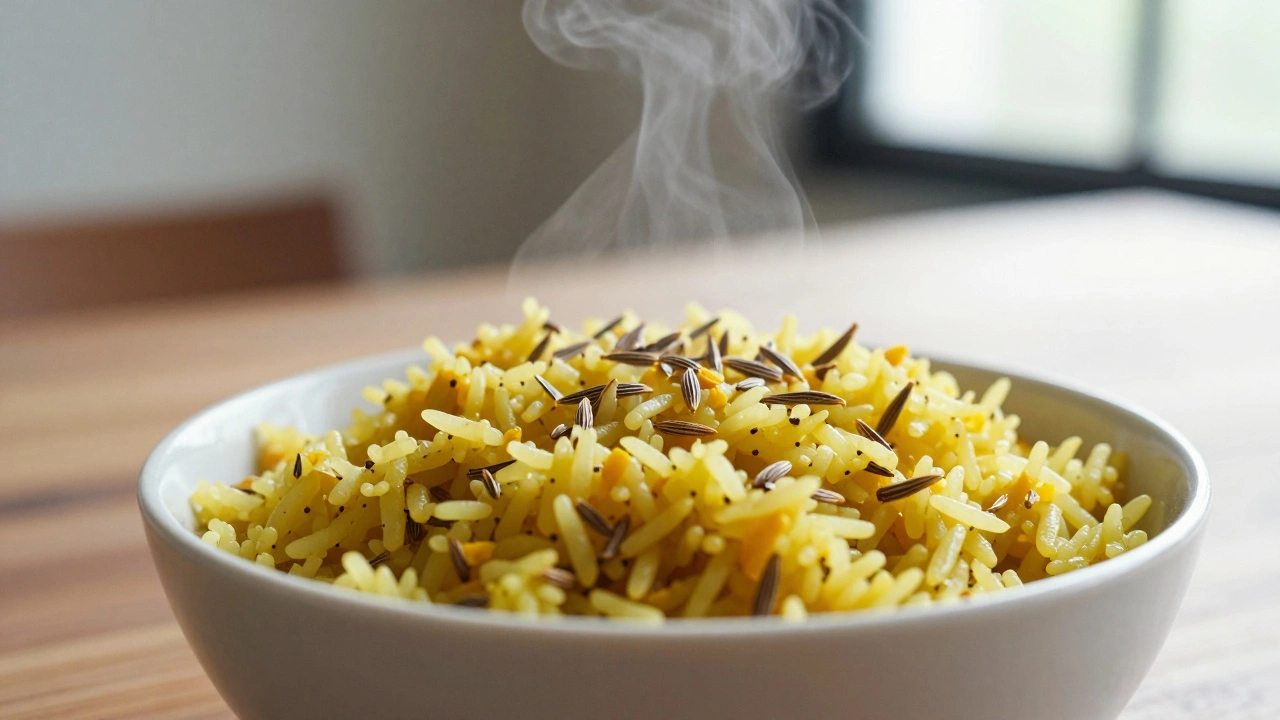
Why Can't My Stomach Handle Indian Food? Simple Fixes for Digestive Issues
Struggling with stomach issues after eating Indian food? Learn why spices, oil, lentils, and onions cause discomfort - and how to enjoy authentic Indian meals without the bloating or pain.