Roti Maker Suitability Calculator
Answer these 5 questions to see if a roti maker is right for you, or if a traditional tawa would serve you better.
Recommendation Breakdown:
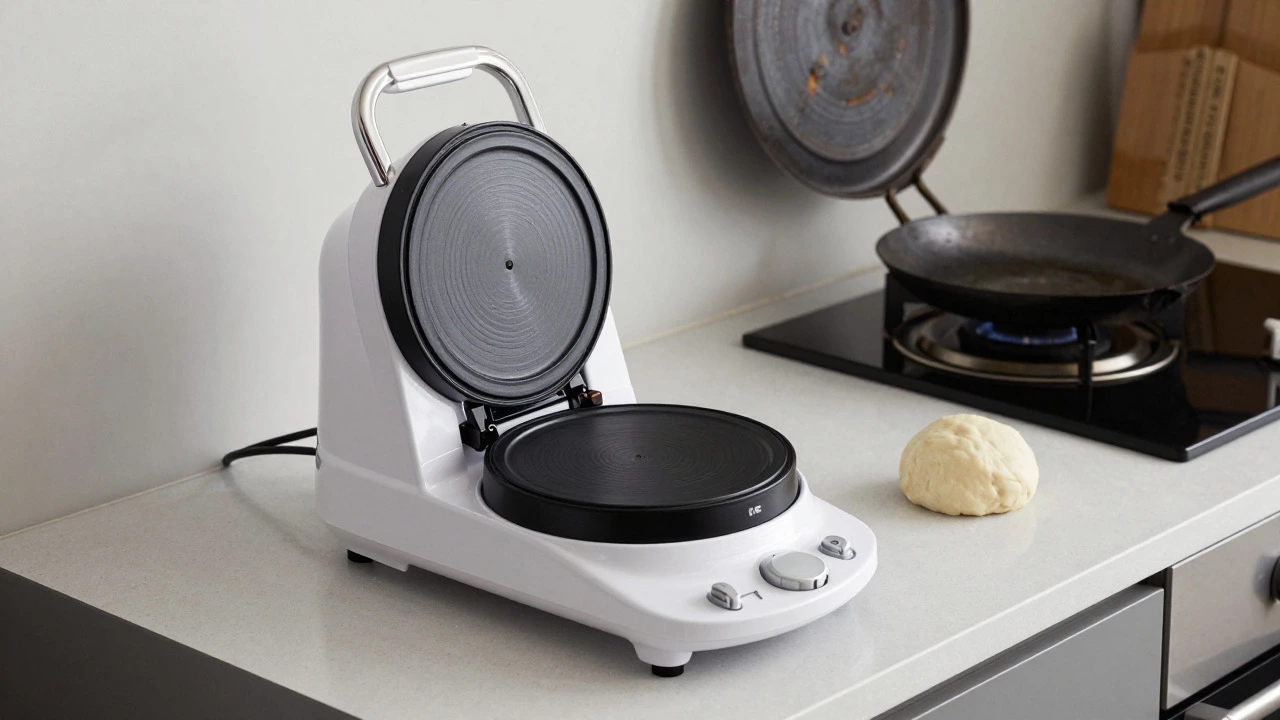
You’ve probably seen the ads. A sleek, white machine sits on your counter. You press a button, drop in dough, and out pops a perfectly round, puffed roti is a traditional unleavened flatbread from the Indian subcontinent, made from whole wheat flour (atta), water, and salt. It looks effortless. It promises to save you time. But if you’ve ever tried one, or are thinking about buying one, you know there’s more to the story than just convenience.
I live in Birmingham, where the weather is often gray and the comfort of a warm meal is essential. Making bread by hand is part of that ritual. But with modern life getting busier, appliances like the roti maker is an electric kitchen appliance designed to automate the process of cooking flatbreads such as rotis, chapatis, or parathas. seem tempting. Before you spend your money, let’s look at the real downsides. These machines aren’t for everyone, and understanding their limitations can save you frustration and wasted cash.
The Texture Problem: Why Machine Roti Feels Different
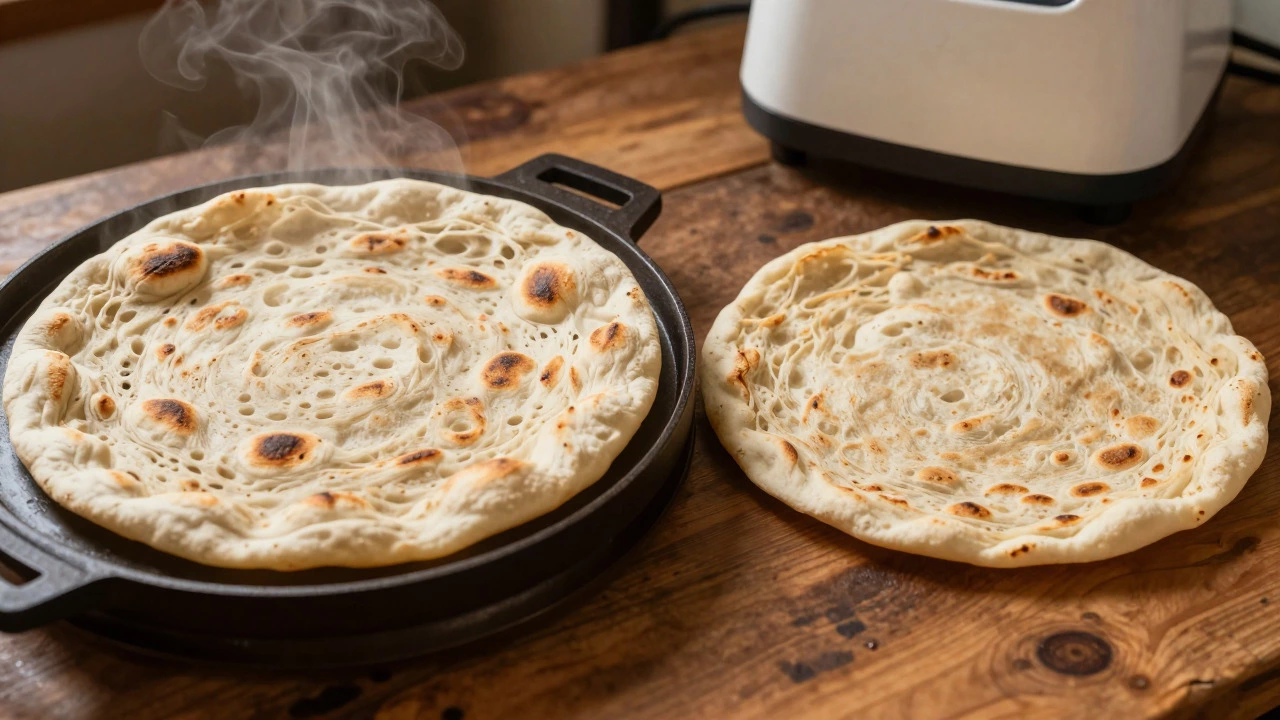
The biggest complaint I hear isn’t about cleanliness or noise-it’s about texture. When you make a roti by hand on a tawa is a flat, heavy griddle used in Indian cooking, typically made of cast iron or steel, which provides even heat distribution., you control the pressure. You press down lightly here, roll it there. This manipulation creates air pockets that allow the roti to puff up beautifully. The result is soft, pliable, and slightly chewy.
A roti maker uses fixed plates. It presses the dough between two heated surfaces. While this cooks the bread quickly, it often results in a texture that is either too dry or too dense. Many users describe the output as “cracker-like” or “leathery.” If you prefer your rotis soft enough to fold around curry without breaking, a machine might disappoint you. The lack of human touch means the bread doesn’t develop those crucial internal steam pockets that give homemade roti its signature lift.
Limited Versatility: More Than Just Roti?
Most people buy a roti maker hoping it will do more than just cook plain wheat bread. They want to make paratha is a layered flatbread from the Indian subcontinent, often stuffed with vegetables, potatoes, or meat, and cooked with ghee or oil., naan, or even use it as a sandwich press. Here’s the hard truth: most standard roti makers are single-purpose devices.
- Parathas: Because parathas require layering and extra fat, they often stick to the non-stick coating of a roti maker. The machine isn’t designed to handle the thickness or the oil splatter effectively.
- Naan: Naan requires high heat and sometimes a tandoor-like environment. A roti maker simply cannot replicate the charred spots and soft interior of proper naan.
- Sandwiches: While you *can* toast a sandwich in some models, the plates are usually small and not shaped for standard bread slices. You’ll end up with awkwardly toasted edges.
If you’re looking for a multi-tasker, a simple sandwich press or a good tawa will serve you better. The roti maker excels at one thing only: basic, unstuffed wheat rotis.
The Dough Dilemma: Consistency Is Key
One of the hidden frustrations with a roti maker is the strict requirement for dough consistency. When you make roti by hand, you can adjust. If the dough is too dry, you add a splash of water. If it’s too sticky, you add a pinch of flour. Your hands feel the difference instantly.
A machine has no such intuition. If your dough is too thick, it won’t spread evenly, leading to burnt spots. If it’s too thin, it might tear or stick to the plate. Most manufacturers provide a vague guideline like “soft dough,” but what feels soft to you might be too wet for the machine. This trial-and-error phase can waste dozens of rotis before you find the perfect ratio. For beginners who haven’t mastered dough kneading, this adds a layer of complexity rather than removing it.
Cleaning Nightmares and Maintenance
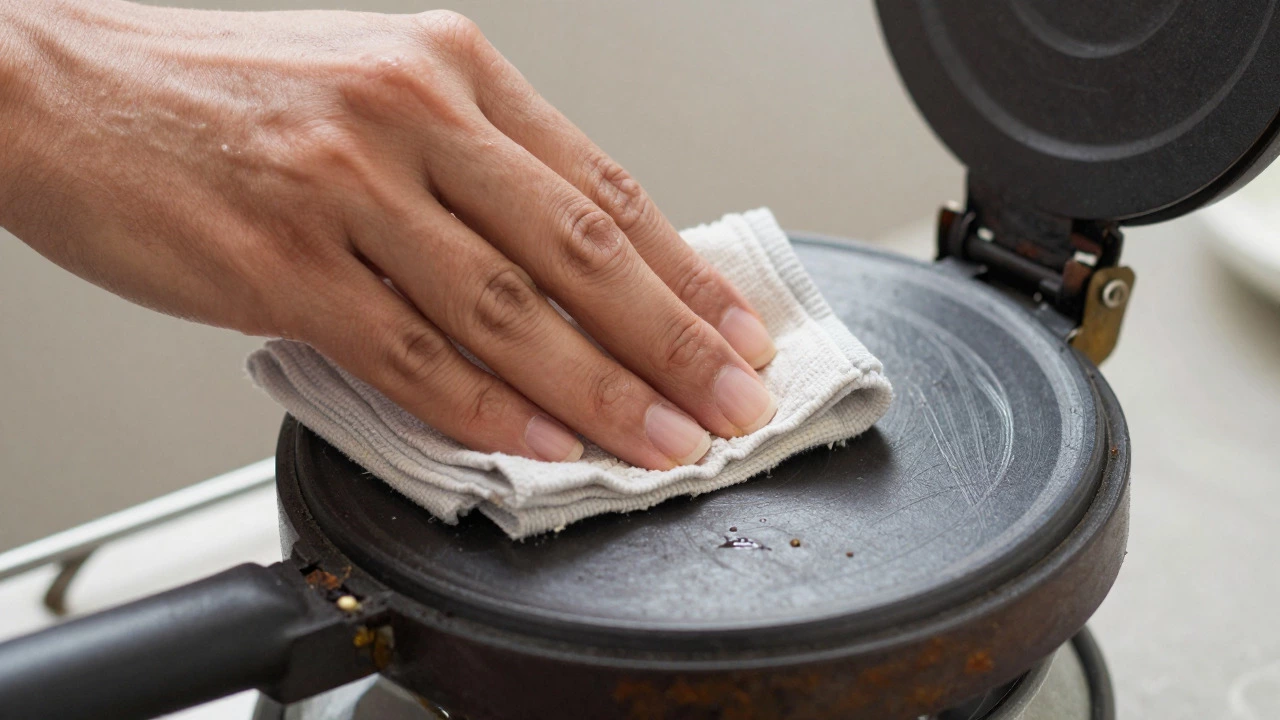
Let’s talk about cleanup. Non-stick coatings are great until they aren’t. Over time, the non-stick surface of a roti maker can scratch or wear off, especially if you use metal utensils or even abrasive sponges. Once that coating is compromised, dough sticks relentlessly. And because the heating elements are often embedded within the plates, you can’t just throw the whole unit in the dishwasher.
You have to wait for the machine to cool down completely. Then, you carefully wipe the plates with a damp cloth. Any leftover dough bits baked onto the surface require gentle scraping. If you rush this process, you risk damaging the heating element or the coating further. Compared to washing a single tawa, which takes seconds under running water, maintaining a roti maker feels like a chore.
Space and Cost: Is It Worth It?
In many homes, especially in cities like Birmingham where space is premium, every inch of countertop counts. A roti maker is bulky. It has a hinge, a base, and often a power cord that needs storing. Unlike a tawa, which can be hung on a rack or stacked in a cupboard, a roti maker demands dedicated shelf space.
Then there’s the cost. A decent quality roti maker costs anywhere from £40 to £80. Compare that to a cast-iron tawa, which lasts a lifetime and costs less than £15. Unless you are making rotis three times a day for a large family, the return on investment is questionable. You could spend that same amount on a year’s supply of high-quality atta or fresh spices.
| Feature | Manual Tawa | Automatic Roti Maker |
|---|---|---|
| Texture Control | High (adjustable pressure) | Low (fixed pressure) |
| Versatility | High (roti, paratha, dosa,煎饼) | Low (mostly plain roti) |
| Cleaning Effort | Low (rinse and wipe) | Medium (cool down, careful wiping) |
| Learning Curve | Steep (requires skill) | Low (but sensitive to dough) |
| Cost | £10 - £20 | £40 - £80 |
| Storage Space | Minimal | Bulky |
Who Should Actually Buy One?
So, is a roti maker useless? Not entirely. There are specific scenarios where it shines. If you have mobility issues that make standing over a hot stove difficult, a roti maker can be a game-changer. It allows you to prepare dough and then let the machine do the work while you sit comfortably. Similarly, for parents managing toddlers, the safety feature of enclosed heating plates prevents accidental burns compared to an open flame or hot tawa.
It’s also useful for office workers who want a quick lunch. Drop in pre-made dough balls, press a button, and you have a ready-to-eat meal in minutes. But for the average home cook who enjoys the process of cooking, values texture, and wants versatility, the disadvantages often outweigh the benefits.
Tips to Mitigate the Downsides
If you decide to take the plunge despite these drawbacks, here are some practical tips to get the best results:
- Master the Dough: Practice making dough by hand first. Aim for a consistency similar to earlobe softness. Add a teaspoon of oil to the dough to help prevent sticking.
- Preheat Properly: Always follow the manufacturer’s preheating instructions. Under-heated plates lead to soggy rotis; over-heated ones burn them.
- Use Parchment Paper: Some users place a small square of parchment paper between the dough and the plate to prevent sticking during the initial learning phase.
- Clean Immediately: Wipe the plates while they are still warm (but safe to touch) to remove any residue before it hardens.
- Don’t Force It: If the roti isn’t puffing, don’t keep pressing the button. Check your dough hydration and try again later.
Can a roti maker make parathas?
Most standard roti makers struggle with parathas due to their thickness and oil content. The dough often sticks to the non-stick coating, and the machine may not cook the layers evenly. While some advanced models claim to handle parathas, results are inconsistent compared to a traditional tawa.
Why does my roti maker produce dry rotis?
Dry rotis are usually caused by dough that is too stiff or insufficient hydration. Since the machine applies uniform pressure, it can squeeze out moisture if the dough isn't soft enough. Try adding a tablespoon of water or oil to your dough recipe and ensure the dough rests for at least 15 minutes before using the machine.
Is a roti maker worth the investment?
For most households, a roti maker is not worth the cost unless you have specific needs like mobility issues or require rapid batch cooking for large families. For typical daily use, a manual tawa offers better texture, versatility, and value for money.
How do I clean a roti maker safely?
Always unplug the machine and let it cool completely. Use a soft, damp cloth to wipe the non-stick plates. Avoid abrasive scrubbers or metal utensils. If food is stuck, soak a cloth in warm soapy water and lay it over the residue for a few minutes to soften it before wiping.
Can I use other flours in a roti maker?
While primarily designed for whole wheat (atta), some users successfully make multigrain rotis. However, delicate flours like rice or chickpea flour may stick excessively or burn due to different cooking temperatures. Stick to wheat-based blends for best results.