Paneer Substitution & Description Guide
Not sure what to call paneer in English? Or looking for a substitute? Select an option below to get the perfect description or alternative.
You are standing in a supermarket aisle in Birmingham, staring at a block of white cheese. It looks like tofu, feels like feta, but tastes nothing like either. You ask the shopkeeper, "Is this paneer?" and they look confused. Then you check online, and half the sources say it is cheese, while others insist it is just cottage cheese. So, what do we actually call paneer in English?
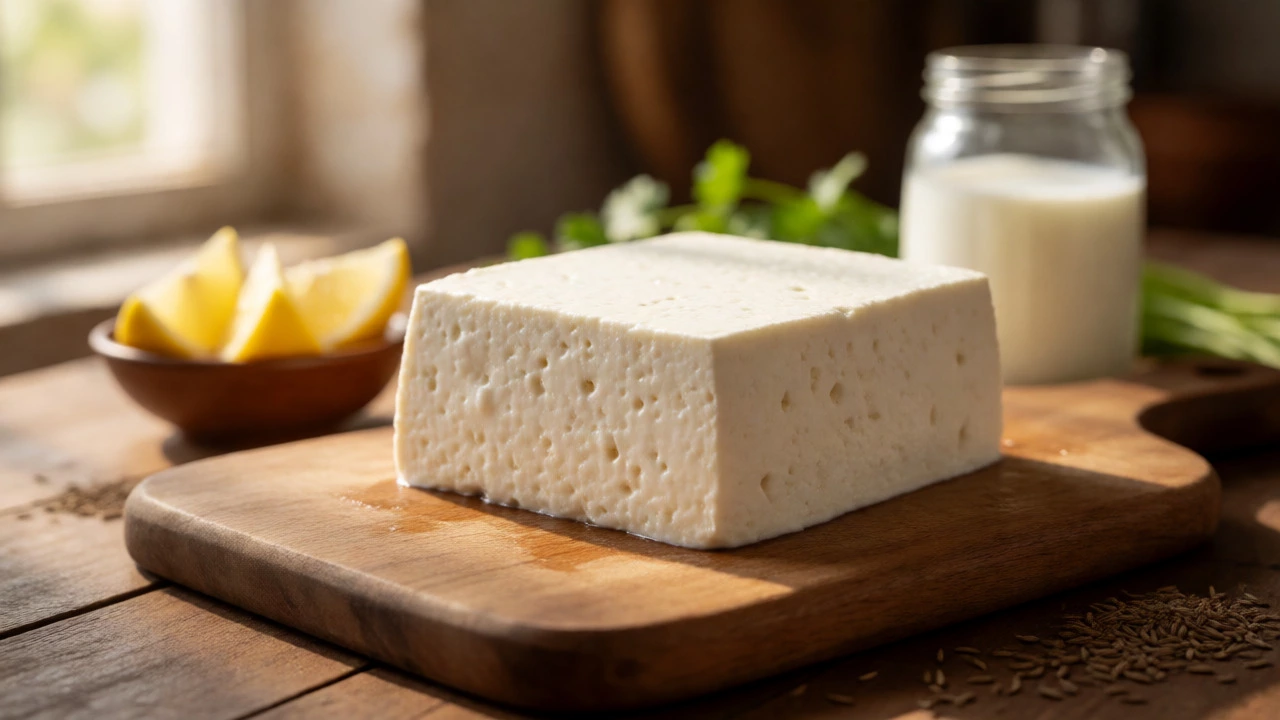
The short answer? There isn't one perfect English word. But there is a correct way to describe it so people understand exactly what you mean. If you try to translate it directly as "cheese," most Westerners will imagine Cheddar or Mozzarella-something that melts and stretches. Paneer does neither. If you call it "tofu," vegetarians might get excited, but then be disappointed when you tell them it comes from cow's milk, not soy.
Here is the reality: Paneer is a fresh, non-aged cheese made by curdling milk with an acid. In culinary terms, it is closest to Fresh Cheese or acid-set cheese. However, because "fresh cheese" sounds vague, food writers often use the term Indian Cottage Cheese. This label helps bridge the gap between the familiar concept of cottage cheese (curds) and the specific texture of paneer (firm blocks).
Why "Cheese" Isn't Enough
To understand why the translation is tricky, you need to know how paneer is made. Most Western cheeses rely on rennet-an enzyme found in animal stomachs-and bacterial cultures to coagulate milk. This process creates complex flavors and textures that age over time. Think of Parmesan, Gouda, or Brie.
Paneer skips all of that. It is made by boiling milk and adding lemon juice, vinegar, or yogurt. The acid causes the casein proteins in the milk to clump together. You strain these clumps through a cloth, press them into a mold, and voila-you have paneer. No bacteria. No aging. No fermentation. It is pure, immediate dairy.
| Feature | Paneer | Cheddar/Mozzarella | Cottage Cheese |
|---|---|---|---|
| Coagulant | Acid (Lemon/Vinegar) | Rennet + Cultures | Acid or Rennet |
| Aging | None (Fresh) | Months to Years | None (Fresh) |
| Melting Point | Does not melt | Melts easily | Breaks down |
| Texture | Firm, spongy, holds shape | Varies (soft to hard) | Lumpy, moist |
| Flavor Profile | Mild, milky, slightly tangy | Salty, sharp, nutty | Tangy, creamy |
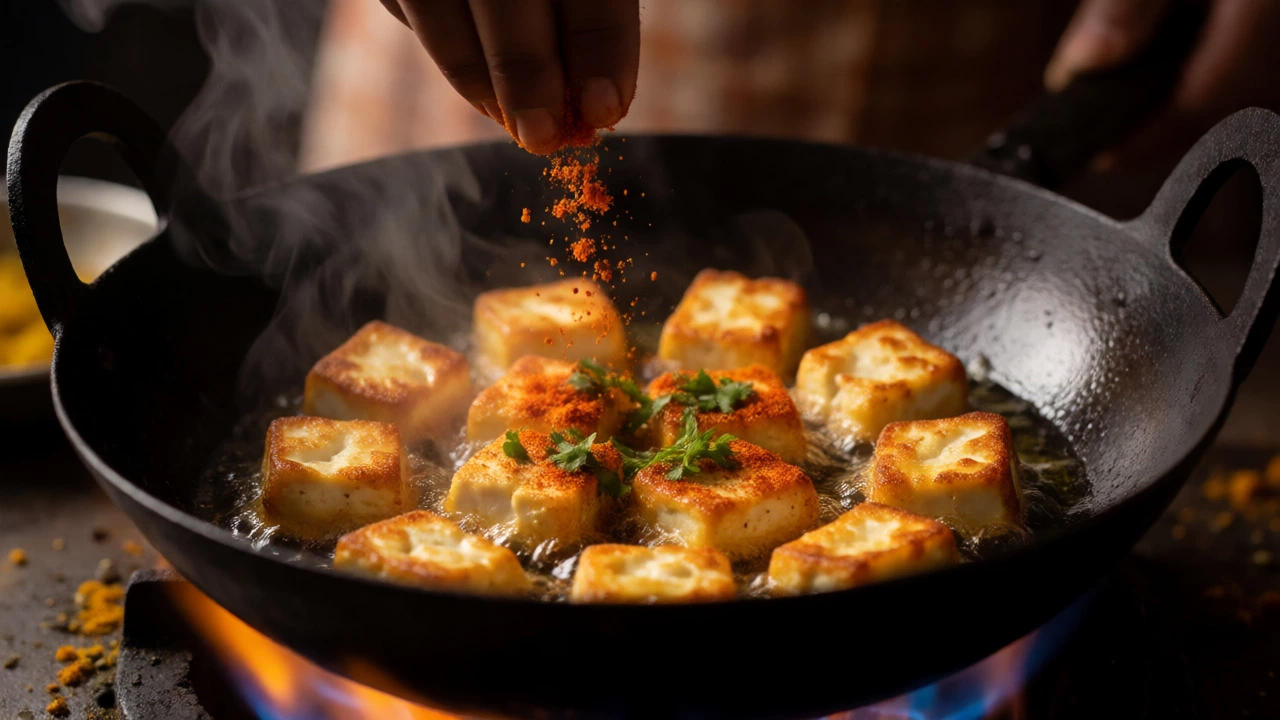
This table shows why calling it simply "cheese" causes confusion. When someone hears "cheese," they expect melting properties. Paneer is famous for holding its shape even when fried or simmered in thick gravies. That structural integrity is its superpower. It absorbs spices without disintegrating, which is why it is the star of dishes like Palak Paneer or Shahi Paneer.
The "Cottage Cheese" Misconception
Many people try to substitute cottage cheese for paneer in recipes. Does it work? Sort of, but don't expect the same result. Cottage cheese is loose, wet, and lumpy. Paneer is dense, dry, and solid.
If you blend cottage cheese until smooth and press out the whey, you get something closer to paneer, but it still lacks the firmness. Real paneer has been pressed under weight for hours to remove moisture. This pressing step is crucial. Without it, you just have soft curds. With it, you have a block you can cube, fry, and grill.
In India, making paneer at home is a common practice. You boil two liters of full-fat milk, add two tablespoons of lemon juice, watch it split, and drain it. It takes twenty minutes. The result is a clean, milky taste that pairs perfectly with strong spices like cumin, coriander, and garam masala. Imported paneer in UK supermarkets often tastes bland or rubbery because it is mass-produced with lower fat content or additives. Homemade paneer is richer and softer.
How to Explain Paneer to Friends
If you are hosting a dinner party and want to explain your menu, avoid technical jargon. Use analogies that trigger sensory memories.
- For the curious: "It is like firm tofu, but made from milk instead of soybeans."
- For the skeptics: "Imagine a cheese that doesn't melt, so you can fry it crispy on the outside and keep it soft inside."
- For the health-conscious: "It is a high-protein, low-carb option made from pure milk curds, with no added preservatives if you make it yourself."
This approach works because it focuses on function and origin rather than strict taxonomy. People care about how it tastes and how it behaves in the pan, not whether it technically fits the FDA definition of cheese.
Nutritional Reality Check
Let's talk numbers. A 100-gram serving of homemade paneer contains approximately 18-20 grams of protein and 20-25 grams of fat, depending on the milk used. If you use full-fat buffalo milk, the fat content rises, making it richer. If you use skimmed milk, you get a leaner, drier block.
Compared to chicken breast, paneer is higher in calories due to the fat, but it offers calcium and vitamin B12, which meat lacks. For vegetarians in the UK, it is a vital protein source. One block of homemade paneer (approx. 300g) provides nearly 60g of protein-that is more than a typical gym shake scoop.
However, beware of store-bought versions. Some brands mix in starch or vegetable oil to cut costs. Always check the ingredient list. It should say only: Milk and Acid (Citric Acid/Lemon Juice). Anything else is filler.
Where to Buy and Where to Make
Living in Birmingham, I have access to great South Asian grocers like those in Sparkbrook or Handsworth. Fresh paneer is often sold warm, wrapped in plastic, smelling faintly of sour milk. This is good. It means it is recent.
Supermarket brands like KLF or Shana are convenient but often pre-sliced and vacuum-packed. They tend to be harder and less flavorful. If you buy these, soak the cubes in warm water for ten minutes before cooking. This rehydrates them and brings back some softness.
But honestly? Make it yourself. Here is the foolproof method:
- Boil 2 liters of whole milk in a heavy-bottomed pot.
- Turn off the heat once it boils vigorously.
- Add 2-3 tablespoons of lemon juice or white vinegar slowly while stirring gently.
- Wait for the milk to separate into greenish whey and white curds. If it doesn't, add more acid.
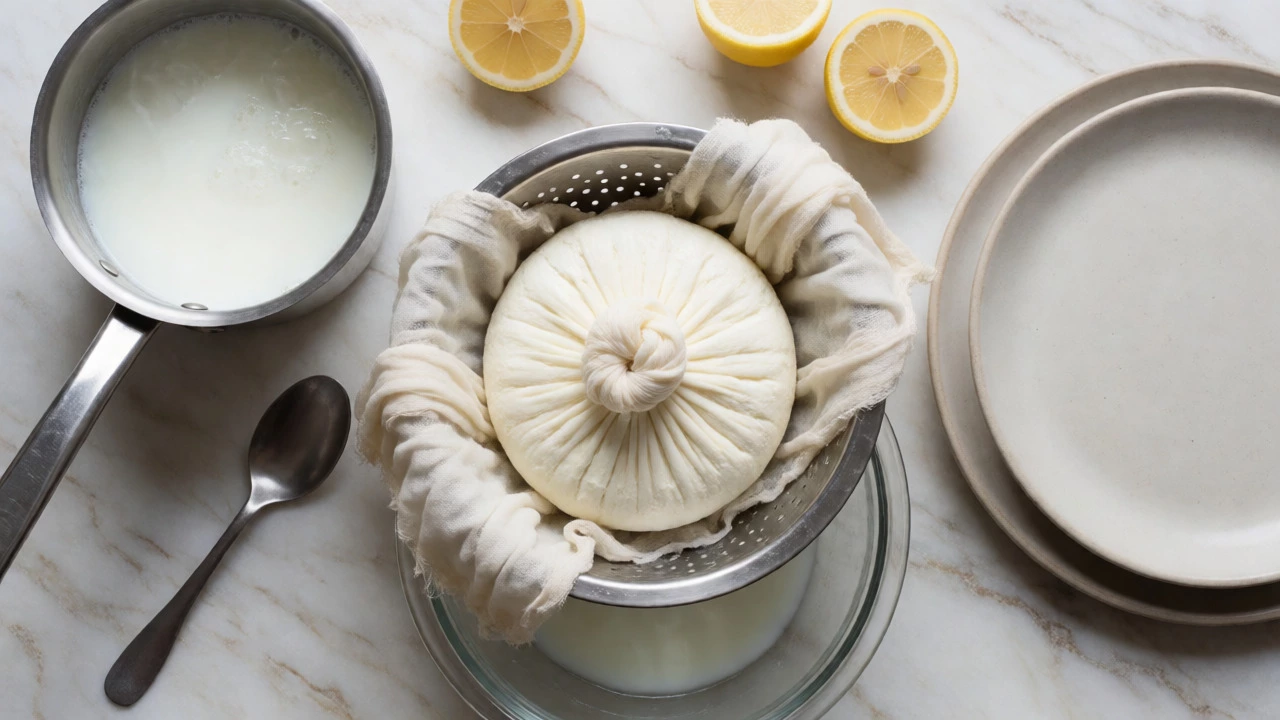
- Pour into a muslin cloth lined colander. Rinse briefly with cold water to stop the cooking and remove the lemon taste.
- Gather the cloth corners and twist to squeeze out excess water.
- Place the bundle in a bowl, put a plate on top, and weigh it down with a heavy jar or book.
- Refrigerate for 2-4 hours. The longer it presses, the firmer it gets.
This process yields about 250-300 grams of paneer. It is cheaper than buying it, fresher than any shop version, and free of mystery ingredients.
Cultural Context: Why the Name Matters
The word "paneer" itself comes from the Persian word panir, which refers to cheese in general across Central Asia and Iran. In Hindi and Urdu, it specifically denotes this fresh, non-melting variety. In Bangladesh, similar products are called chhana, though chhana is usually softer and unpressed, used for sweets like Rasgulla.
Understanding these nuances helps when reading recipes. If a recipe calls for "chhana," do not use firm paneer-it will ruin the dessert. If it calls for "paneer," do not use soft cottage cheese-it will dissolve in the curry. Language shapes expectation, and in food, expectation is half the battle.
So, next time someone asks, "What do we say paneer in English?" tell them: "It is fresh, acid-set cheese, often called Indian Cottage Cheese, but treat it like firm tofu in cooking." That covers the base, manages expectations, and keeps the conversation flowing.
Can I replace paneer with halloumi?
Yes, halloumi is the closest Western equivalent because it also has a high melting point and can be grilled. However, halloumi is saltier and has a different texture. It works well in salads or sandwiches but may overpower delicate Indian curries due to its brine flavor.
Is paneer suitable for lactose intolerant people?
Not really. Paneer retains much of the lactose from the milk during the acid-setting process. Unlike aged cheeses where bacteria break down lactose, paneer still contains significant amounts. Hard cheeses like Parmesan are better options for lactose intolerance.
Why does my homemade paneer turn rubbery?
This usually happens if you over-boil the milk after adding the acid or if you squeeze out too much moisture. Once the curds form, stop heating immediately. Also, rinse the curds quickly with cold water to halt the cooking process. Over-pressing removes all fat and moisture, leaving a dry, chewy texture.
What is the difference between paneer and tofu?
The main difference is the source. Paneer is made from animal milk (casein protein), while tofu is made from soy milk (soy protein). Paneer has a distinct dairy flavor and higher saturated fat content. Tofu is neutral-tasting and lower in fat unless fried. Texture-wise, firm tofu mimics paneer, but the taste profile is entirely different.
How long does homemade paneer last?
Homemade paneer lasts 3-4 days in the refrigerator if stored in an airtight container submerged in water. Change the water daily to keep it fresh. If you freeze it, it becomes crumbly upon thawing, so it is best used in cooked dishes like curries rather than raw applications like salads.