Vegetarian Indian Menu Planner
Step 1: Choose Your Main Course
Select a dish that matches your craving.
Step 2: Customize Details
Your Perfect Order
Estimated Nutrition Profile
Select options and click Generate to see recommendations.
Walking into a restaurant with a menu full of unfamiliar names can be daunting. You want something delicious, satisfying, and authentically Indian, but you’re not sure which vegetarian option will hit the spot. The good news? Indian cuisine is one of the most diverse in the world, offering incredible depth for vegetarians. It’s not just about swapping meat for vegetables; it’s about mastering spices, textures, and cooking techniques that make plant-based food sing.
Whether you are dining at a local curry house or exploring authentic regional spots, knowing what to order transforms your experience. This guide breaks down the best vegetarian Indian dishes, explaining why they work, how they taste, and when to choose them.
The Creamy Comfort of Paneer Tikka Masala
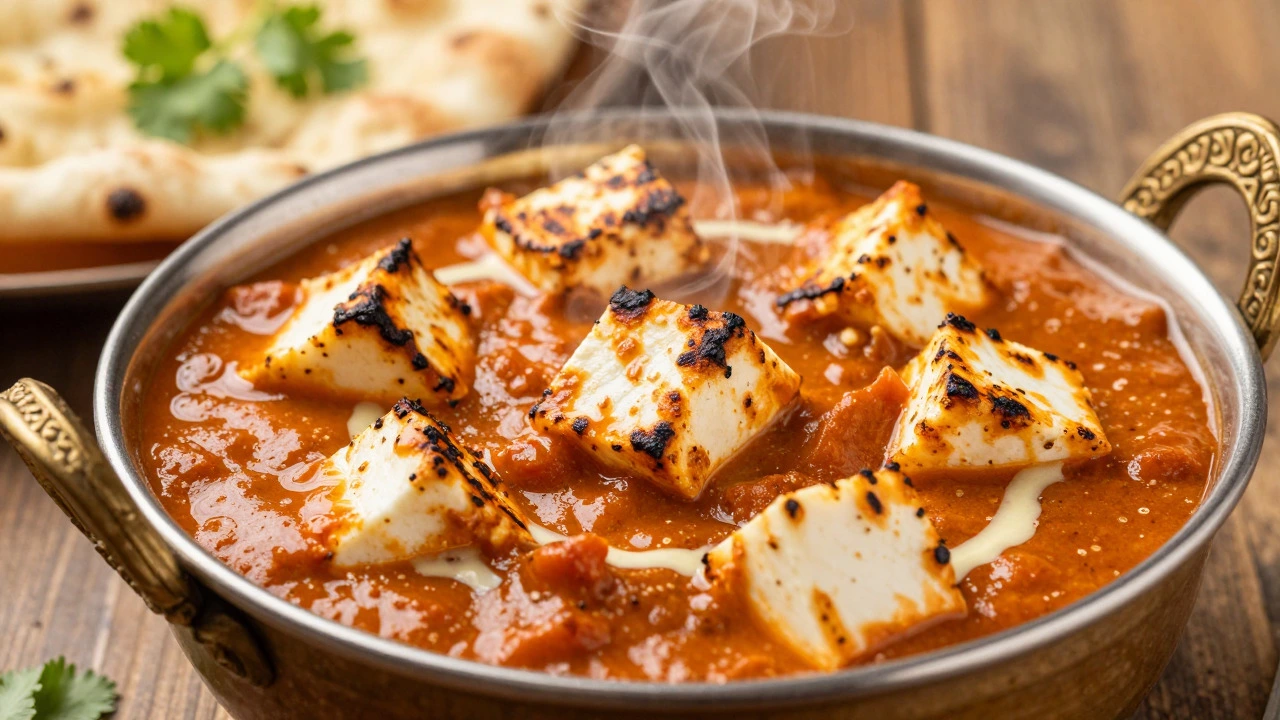
If there is one dish that defines modern vegetarian Indian dining, it is Paneer Tikka Masala, a rich, creamy curry featuring grilled cottage cheese cubes in a spiced tomato-onion gravy. Paneer is an unripened cheese that doesn’t melt, making it perfect for curries where you want distinct chunks of protein. In this dish, the paneer is first marinated in yogurt and spices like turmeric, red chili powder, and garam masala, then grilled or tandoor-baked until slightly charred.
The magic happens when these smoky cubes are simmered in a velvety sauce made from tomatoes, onions, ginger, garlic, and often finished with cream or butter. The result is a balance of tangy, spicy, and creamy flavors. It pairs beautifully with naan bread for scooping up every last bit of sauce. If you prefer less heat, ask for "mild" spice levels, as the natural sweetness of the tomatoes can shine through better without overwhelming chilies.
| Dish Name | Sauce Base | Texture Profile | Best Paired With |
|---|---|---|---|
| Paneer Tikka Masala | Tomato & Cream | Creamy, Rich | Naan, Jeera Rice |
| Palak Paneer | Blended Spinach | Smooth, Earthy | Roti, Chapati |
| Kadai Paneer | Tomato & Bell Pepper | Chunky, Spicy | Butter Naan |
The Nutritional Powerhouse: Dal Makhani
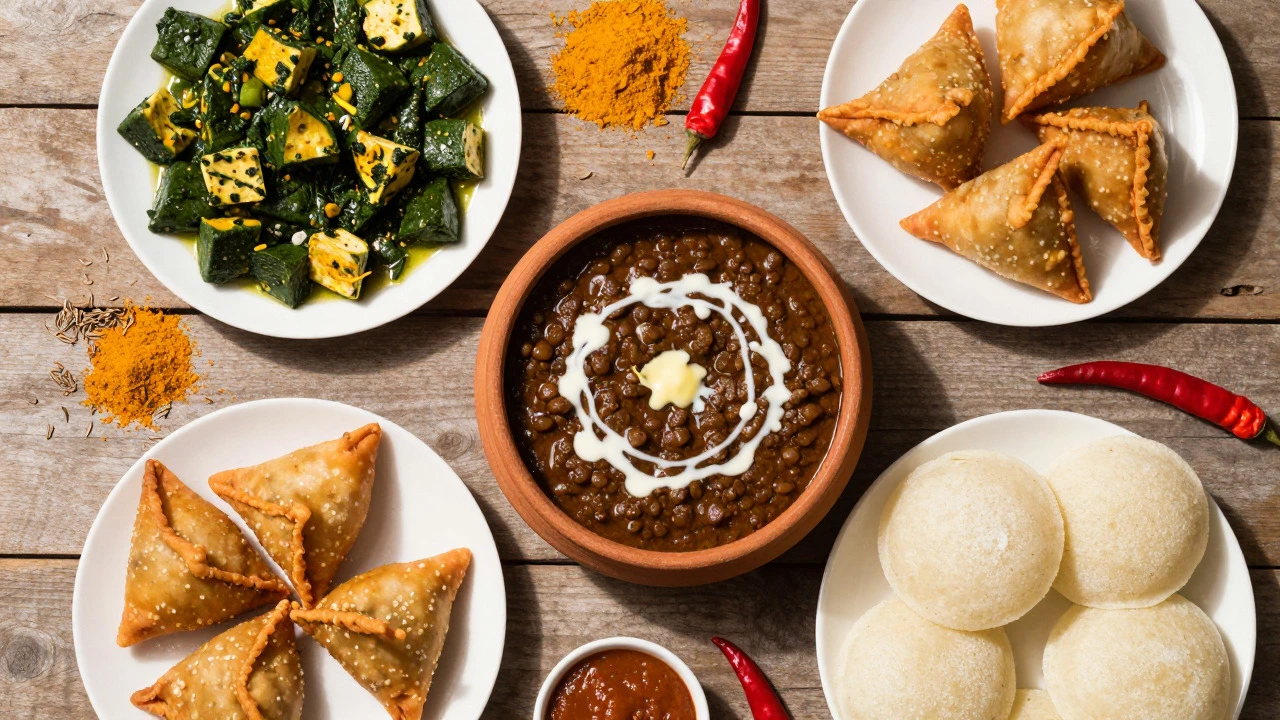
Dal Makhani, a luxurious lentil stew made from black urad dal and kidney beans, slow-cooked with butter and cream. originated in the Punjab region and has become a global favorite. Unlike quick-cooking lentils, Dal Makhani is traditionally simmered for hours-sometimes overnight-to achieve its signature deep, complex flavor and thick consistency.
The combination of black gram (urad dal) and red kidney beans provides a complete protein profile, making it incredibly filling. The "makhani" part refers to the generous use of butter (makhan) and cream, which adds richness without overpowering the earthiness of the lentils. Spices like cumin, coriander, and Kashmiri chili powder provide warmth and color. For a lighter version, some restaurants offer "Dal Tadka," where the lentils are cooked plainly and then tempered with hot oil, mustard seeds, and dried red chilies. Both are excellent choices, but Dal Makhani offers a more indulgent comfort-food experience.
Green Goodness: Palak Paneer
If you want to incorporate more greens into your meal without sacrificing flavor, Palak Paneer, a vibrant green curry made from pureed spinach and soft paneer cubes. is the way to go. The spinach is blanched, peeled, and blended into a smooth paste, then seasoned with aromatics like garlic, ginger, and green chilies. The paneer is usually added at the end so it stays soft and absorbs the green sauce.
This dish is visually striking and nutritionally dense, packed with iron and vitamins. However, quality varies. Authentic Palak Paneer should have a fresh, grassy aroma, not a metallic or overcooked taste. Be cautious if the spinach looks dark brown or tastes bitter; this indicates overcooking or poor-quality greens. Pair this with whole wheat roti to balance the creaminess of the paneer and the earthiness of the spinach.
Street Food Staples: Chana Masala and Samosas
For those who crave bold, tangy flavors, Chana Masala, a robust chickpea curry cooked with onions, tomatoes, and a blend of aromatic spices. is unbeatable. Chickpeas hold their shape well and absorb the intense masala mix, which typically includes amchur (dry mango powder) for acidity and kasuri methi (dried fenugreek leaves) for fragrance. It’s hearty, affordable, and deeply satisfying.
As an appetizer, few things beat the classic Samosa, a crispy pastry filled with spiced potatoes, peas, and sometimes lentils. The key to a great samosa is the crust-it should shatter when bitten, revealing a moist, well-spiced interior. Serve with mint chutney and tamarind date chutney for a sweet-and-sour contrast that cuts through the fried richness. Many restaurants now offer baked samosas for a healthier alternative, though they lack the same crunch.
Regional Specialties: Dosas and Idlis
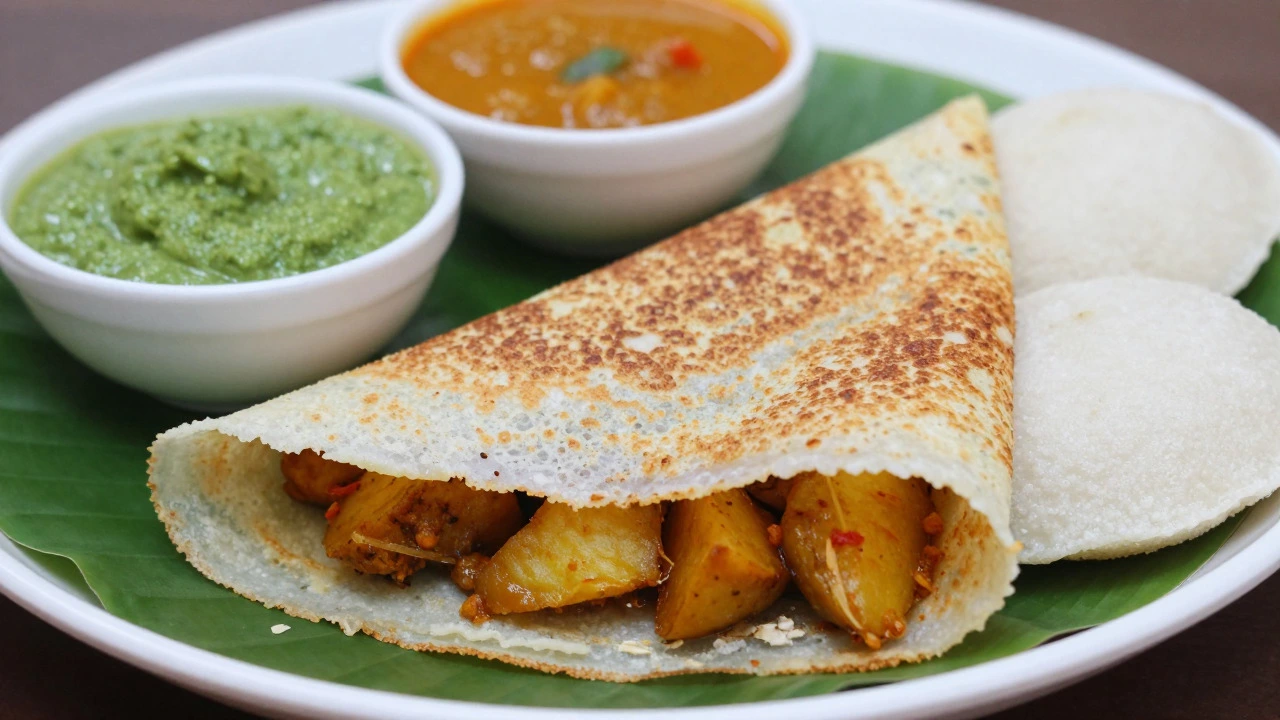
Indian cuisine isn’t monolithic; South India offers entirely different vegetarian staples compared to the North. Dosa, a thin, crispy crepe made from fermented rice and lentil batter. is a breakfast staple that has gained popularity worldwide. The fermentation process makes it easier to digest and gives it a slight sour tang. Plain dosas are served with coconut chutney and sambar (a lentil-based vegetable stew), while stuffed versions like Mysore Masala Dosa include spicy potato fillings and chutney inside.
Another South Indian gem is Idli, soft, steamed cakes made from the same fermented rice-lentil batter as dosa. Idlis are light, fluffy, and neutral in flavor, acting as a canvas for accompaniments. They are almost always served with sambar and multiple types of chutney. If you find North Indian curries too heavy, switch to South Indian options for a lighter, probiotic-rich meal that still delivers on flavor.
Breads That Elevate Every Meal
No discussion of vegetarian Indian food is complete without mentioning breads. Naan, a leavened flatbread baked in a tandoor oven. comes in many varieties. Garlic naan adds pungency, while butter naan offers richness. For a healthier option, try Roti or Chapati, unleavened whole wheat flatbreads cooked on a griddle. These are simpler but pair perfectly with wet curries like Dal Makhani or Palak Paneer because they soak up sauces without adding extra calories.
Avoid ordering too many breads if you’re watching portions, as they are calorie-dense. One or two pieces per person are usually sufficient to complement your main dish. Remember, the goal is to use bread as a utensil, not the main event.
How to Customize Your Order
Understanding basic customization terms helps tailor meals to your preferences:
- Veg vs. Non-Veg: Most Indian restaurants mark vegetarian dishes with a green dot and non-vegetarian with a red dot. Always double-check if you’re strictly vegetarian, as some places may cross-contamulate.
- Spice Levels: Use terms like "mild," "medium," or "hot." If you have low tolerance, specify "no green chilies" or "less onion/garlic" if needed for dietary reasons.
- Dairy-Free Options: Many curries contain ghee (clarified butter) or cream. Ask for "no ghee" or "light on cream" if you’re lactose intolerant. Coconut milk-based curries from Kerala are naturally dairy-free.
- Nut Allergies: Cashews and almonds are common thickeners in gravies. Inform staff if you have allergies, especially in dishes like Korma or Malai Kofta.
Common Mistakes to Avoid
Even experienced diners make errors when ordering vegetarian Indian food. Here are pitfalls to steer clear of:
- Assuming All Curries Are Heavy: Not all curries are cream-based. Look for water-based or tomato-based gravies like Chana Masala or Aloo Gobi (potato and cauliflower) for lighter meals.
- Ignoring Side Dishes: Pickles (achaar) and papadums add crunch and tang but can be high in sodium. Enjoy them sparingly.
- Overlooking Desserts: Indian sweets like Gulab Jamun (fried dough balls in syrup) or Rasmalai (cheese dumplings in sweetened milk) are intense. Share one dessert among two people to avoid sugar overload.
Finding Authentic Flavors
Not all Indian restaurants serve authentic food. Some adapt recipes heavily for Western palates, resulting in overly sweet or bland dishes. To find genuine flavors, look for establishments that highlight regional specialties rather than generic "curry houses." Check if they prepare batters fresh daily (for dosas/idlis) or bake naan in-house. Reading reviews that mention specific ingredients like "freshly ground spices" or "hand-pounded chutneys" can signal quality.
In Birmingham, for instance, many Gujarati and Punjabi restaurants maintain traditional methods due to strong community ties. Supporting such businesses ensures you get true representations of Indian vegetarian cuisine.
What is the healthiest vegetarian Indian dish?
Dishes like Dal Tadka, Saag Paneer (with less cream), and vegetable stir-fries (Sabzi) are among the healthiest. They are lower in fat and calories compared to cream-heavy curries. Steamed items like Idli and Dhokla are also excellent low-fat options.
Is Paneer high in calories?
Yes, paneer is relatively high in calories and saturated fat because it is made from full-fat milk. However, it is also rich in protein and calcium. Moderation is key; enjoy it as part of a balanced meal with plenty of vegetables and whole grains.
Can I order Indian food if I’m vegan?
Absolutely. Many Indian dishes are naturally vegan, such as Chana Masala, Aloo Gobhi, and plain Dal. Just ensure no ghee, butter, or cream is used during cooking. Coconut milk-based curries from South India are also typically vegan-friendly.
What does 'Garam Masala' mean?
Garam Masala translates to "warm spices." It is a blend of ground spices like cinnamon, cardamom, cloves, and black pepper. It is added towards the end of cooking to preserve its aroma and is found in many North Indian curries and rice dishes.
Which Indian bread is lowest in calories?
Roti or Chapati is the lowest-calorie option as it is made from whole wheat flour and water without added fats. Naan, especially butter or garlic naan, contains significantly more calories due to the addition of oil, yogurt, or butter in the dough.