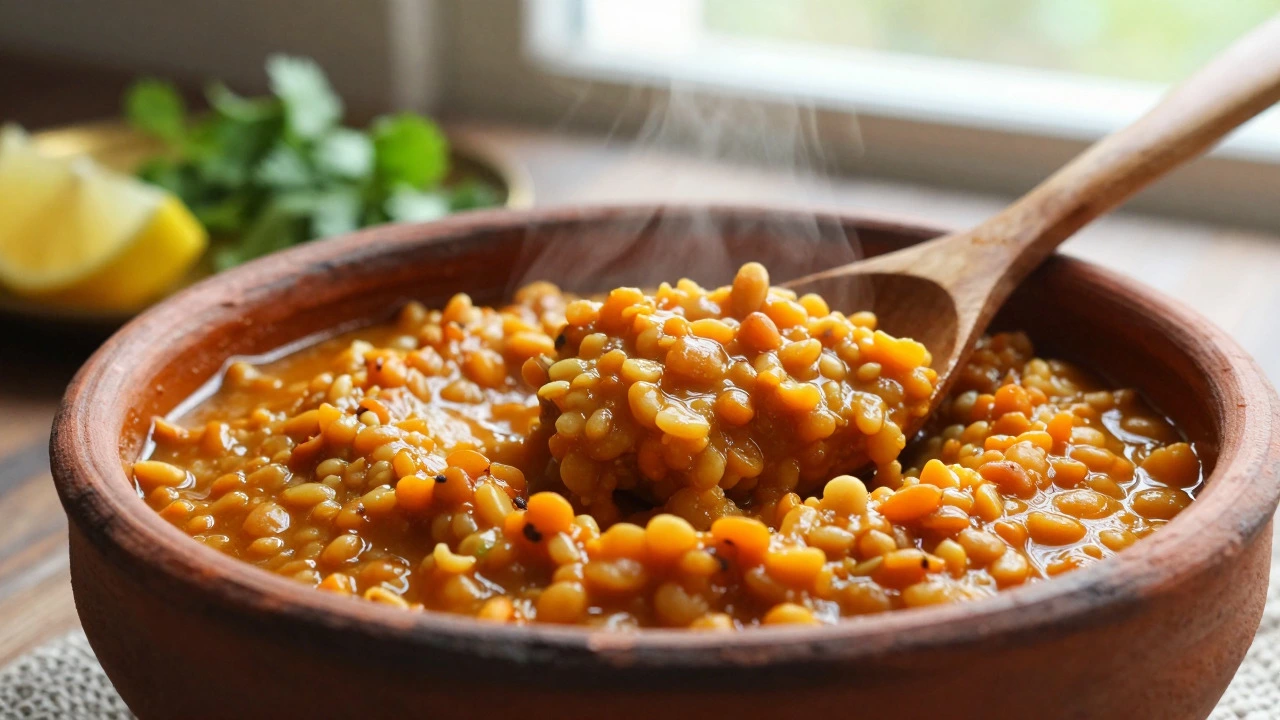
Dal Difficulty & Time Calculator
Not sure which dal fits your schedule? Pick a variety below and get an instant breakdown of how long it takes and how easy it is to make.
Masoor (Red Lentils)
Beginner FriendlyThere is a moment in every home kitchen where hunger strikes faster than patience. You want something warm, comforting, and ready in under thirty minutes. That is when easy dal becomes your best friend. But with so many varieties-masoor, moong, chana, urad-it’s hard to know which one actually lives up to its reputation for simplicity. The answer isn't just about speed; it’s about texture, flavor depth, and how forgiving the legume is if you’re new to the process.
The Quick Winners: Masoor and Moong
If you are looking for the absolute fastest path from dry bean to hot bowl, Masoor Dal (red lentils) and Moong Dal (yellow split mung beans) are the undisputed champions. Masoor dal cooks down in roughly 15 to 20 minutes without soaking. It breaks down easily, creating that thick, creamy consistency that defines a classic North Indian comfort dish. You don’t need to strain it or worry about individual beans staying whole. Just simmer, mash slightly with a spoon, and serve. It pairs perfectly with plain rice or chapatis, making it a staple for busy weeknights.
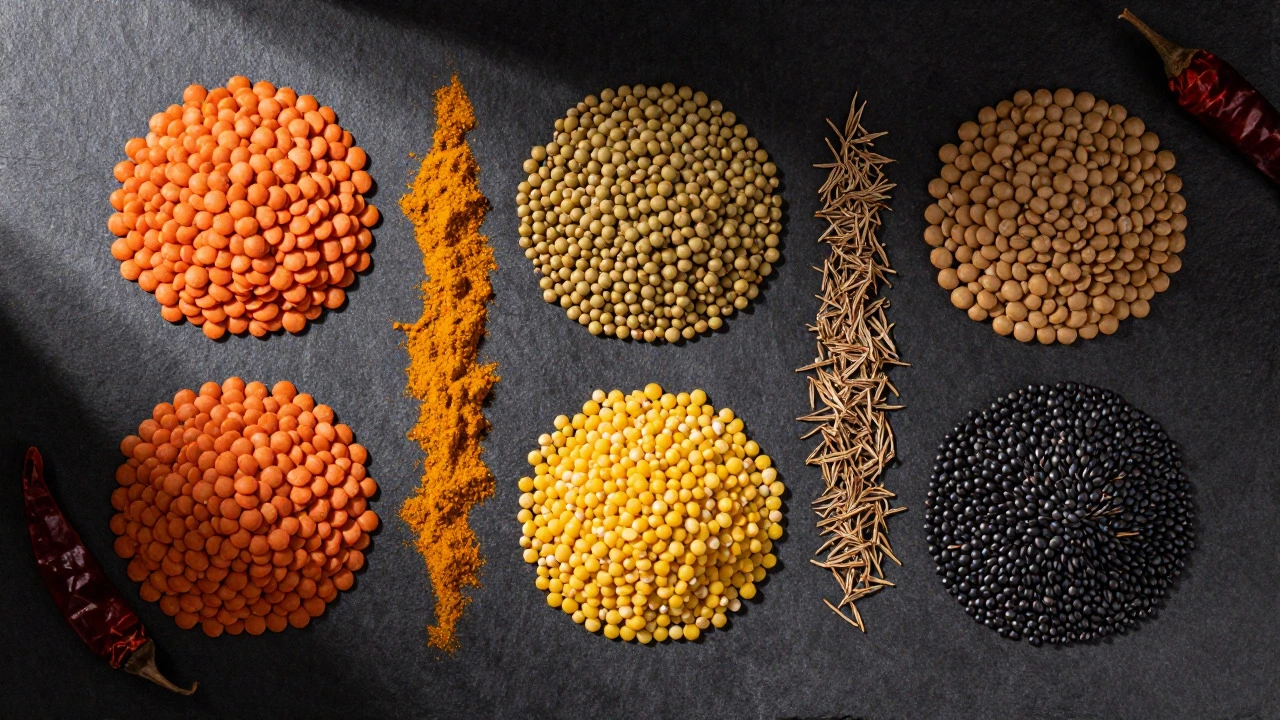
Moong dal is a close second, though it tends to hold its shape a bit better than masoor. It has a lighter, nuttier flavor profile and is often associated with South Indian preparations like sambar or poha. While it also requires no soaking, it takes about 25 minutes to become tender. If you prefer a slightly firmer bite rather than a puree-like texture, moong is the way to go. Both of these dals are low in fat and high in protein, making them nutritious additions to any meal without requiring complex ingredient lists.
Why Other Dals Are Tricky for Beginners
Not all lentils play nice on a tight schedule. Chana dal (split chickpeas) and Toor dal (urad) are delicious but demand more attention. Chana dal has a dense, starchy exterior that resists softening. Without a pressure cooker, it can take over an hour to cook, and even then, it might remain slightly grainy if not monitored closely. Urad dal, particularly the black variety used in Sambar, is notoriously slow. It often requires soaking overnight or at least four hours before cooking to reduce the total time significantly. For a beginner who wants results today, these two are risky choices unless you have a pressure cooker handy.
Then there is Rajma (kidney beans) or Chole (chickpeas). While technically legumes, they are rarely called "dal" in the same casual sense. They require long soaking times and extensive simmering to reach tenderness. Trying to rush these results in chewy, unappetizing meals. Stick to the split, yellow, or red varieties if speed is your priority. The structural difference between whole pulses and split lentils is key here; splitting removes the tough outer skin, allowing water to penetrate the starch core much faster.
The 20-Minute Masoor Dal Method
Let’s walk through the most reliable method for making a quick, flavorful masoor dal. This approach minimizes steps while maximizing taste. You will need one cup of masoor dal, one onion, two tomatoes, and basic spices like turmeric, cumin, and coriander powder. The trick is in the tempering, or tadka, which adds aroma instantly without adding cooking time.
- Rinse the masoor dal until the water runs clear. This removes excess starch and prevents cloudiness.
- In a pot, combine the dal with three cups of water, half a teaspoon of turmeric, and a pinch of salt. Bring to a boil, then reduce heat to low. Simmer for 15 minutes.
- While the dal simmers, chop the onion and tomatoes. Heat two tablespoons of ghee or oil in a separate pan. Add one teaspoon of cumin seeds and let them splutter.
- Add the onions and sauté until golden brown. Add the tomatoes and a pinch of red chili powder. Cook until the mixture turns jammy.
- Pour this spice mixture into the pot of boiling dal. Stir well.
- Cook for another five minutes, mashing some of the lentils against the side of the pot to thicken the consistency.
- Finish with fresh cilantro and a squeeze of lemon juice. Serve immediately.
This method ensures the flavors meld together without requiring constant stirring. The result is a vibrant orange-red bowl that tastes far more complex than the time invested suggests. You can tweak the heat level by adjusting the chili powder, but keep in mind that masoor dal has a mild natural sweetness that balances spiciness well.
Troubleshooting Common Mistakes
Even with the easiest dals, small errors can ruin the outcome. Here are the most common pitfalls and how to fix them:
- Bitter Taste: This usually happens if you didn’t rinse the dal enough or if the pot scorched at the bottom. Always use a heavy-bottomed pot and stir occasionally during the final stages of cooking.
- Too Thin: If your dal is watery, mash more of the lentils vigorously. Alternatively, add a small potato, diced, during the last ten minutes of cooking. Potatoes release starch that thickens the liquid naturally.
- Too Thick: Simply add a splash of hot water and stir. Adjust the seasoning after diluting, as the flavor will be muted.
- No Flavor: Don’t skip the tempering step. Raw spices taste flat. The hot oil releases essential oils from cumin and mustard seeds, creating the aromatic base that defines authentic Indian dal.
Nutritional Profile and Health Benefits
Choosing an easy dal doesn’t mean sacrificing health. Lentils are powerhouses of plant-based nutrition. A single cup of cooked masoor dal provides approximately 18 grams of protein and 16 grams of fiber. This combination helps stabilize blood sugar levels and keeps you full for longer periods. Unlike meat-based proteins, lentils contain no cholesterol and are low in saturated fats. They are rich in iron, folate, and magnesium, minerals essential for energy production and cognitive function.
For vegetarians and vegans, dals are a primary source of complete amino acid profiles when paired with grains like rice or wheat. This synergy ensures you get all nine essential amino acids needed for muscle repair and growth. Because masoor and moong dals cook quickly, you are less likely to rely on processed convenience foods, keeping your diet whole-food based. Incorporating these legumes into your weekly rotation supports heart health and digestive regularity due to their high soluble fiber content.
| Dal Type | Soaking Time | Cooking Time (Stovetop) | Texture | Flavor Profile |
|---|---|---|---|---|
| Masoor (Red Lentils) | None | 15-20 mins | Soft, creamy | Earthy, mild |
| Moong (Yellow Mung) | None | 20-25 mins | Firm yet tender | Nutty, light |
| Chana (Split Chickpea) | 1-2 hours | 45-60 mins | Dense, starchy | Rich, robust |
| Toor (Black Urad) | 4+ hours | 60+ mins | Very soft, mushy | Deep, savory |
Variations to Keep Things Interesting
Once you master the basic technique, you can experiment with ingredients to change the character of the dish. Adding a handful of spinach during the last five minutes creates a green, nutrient-dense version perfect for lunch boxes. For a richer taste, stir in a tablespoon of yogurt just before serving; it adds tanginess and creaminess without curdling if added off the heat. Some people enjoy adding diced carrots or peas for extra vegetables, but remember that root vegetables take longer to cook, so add them early in the process.
You can also adjust the spice blend. Traditional masoor dal uses cumin and coriander, but adding a pinch of garam masala at the end gives it a deeper, smoky aroma. If you have leftover paneer, crumble it into the hot dal for a protein boost and textural contrast. These small tweaks allow you to rotate flavors without learning entirely new recipes, keeping your meals exciting even when time is short.
Do I need to soak masoor dal before cooking?
No, masoor dal does not require soaking. Its thin skin allows it to absorb water quickly, making it one of the fastest lentils to prepare. Soaking is only necessary for larger, harder legumes like whole chickpeas or kidney beans.
What is the best dal for beginners?
Masoor dal is widely considered the best for beginners because it cooks fast, breaks down easily, and is very forgiving of timing errors. Even if you overcook it slightly, it still tastes good and remains edible.
Can I make dal in a pressure cooker?
Yes, a pressure cooker reduces the cooking time for masoor dal to about 5-7 minutes after the whistle starts. However, for such a short duration, a stovetop method is often simpler and requires less cleanup. Pressure cookers are more beneficial for slower dals like chana or urad.
How do I store leftover dal?
Store cooled dal in an airtight container in the refrigerator for up to 3 days. When reheating, add a splash of water as the dal will thicken upon cooling. It freezes well for up to 2 months, making batch cooking a viable strategy for busy weeks.
Is dal gluten-free?
Yes, pure lentil dal is naturally gluten-free. However, check your spice blends and garnishes for hidden gluten sources. Ghee is dairy-based but gluten-free, while some commercial curry pastes may contain wheat flour as a thickener.