Indian Breakfast Recommendation Tool
Not sure what to cook? Select your primary goal for this morning to get a customized recommendation.
Your Morning Match
-
Select a goal above to see the best breakfast option for you!
Quick Glance: Best Breakfast Options
- For Weight Loss: Moong Dal Chilla or Oats Upma.
- For High Energy: Stuffed Parathas with curd.
- For 5-Minute Prep: Poha or Masala Oats.
- For Tradition: Idli-Sambar or Medu Vada.
The Power of Fermented Grains
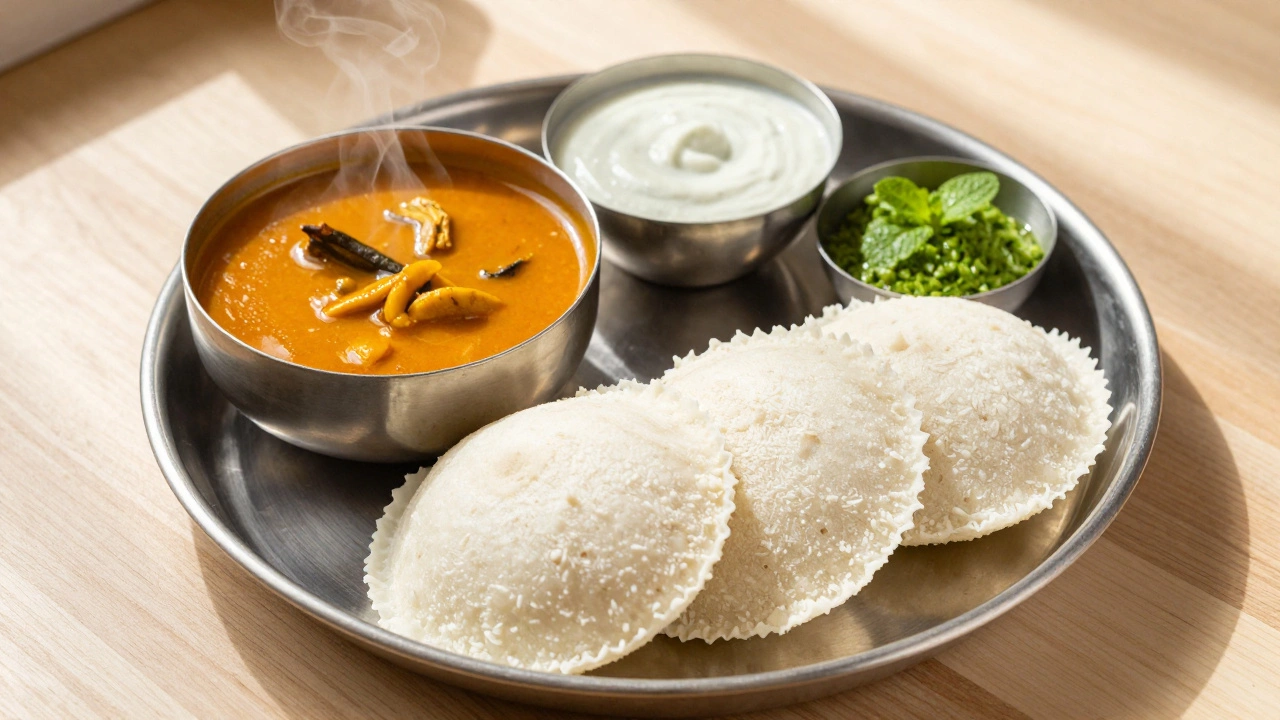
If you're looking for something light on the stomach but heavy on nutrition, you can't beat the fermented classics. Idli is a steamed cake made from a fermented batter of rice and black lentils (urad dal). Because it's steamed, there's zero oil involved, making it a gold standard for heart health. Pair it with Sambar, a lentil-based vegetable stew seasoned with tamarind and spices, to get a complete amino acid profile right at 8 AM.
Then there's the Dosa, which is essentially a thin, crispy crepe. While the Masala Dosa (stuffed with potato) is the crowd-pleaser, try the Rava Dosa if you're in a rush. It doesn't require overnight fermentation-you just mix semolina, rice flour, and curd, and pour it on the tawa. It's crunchy, satisfying, and pairs perfectly with coconut chutney.
Fast and Flavorful: The Grain-Based Staples
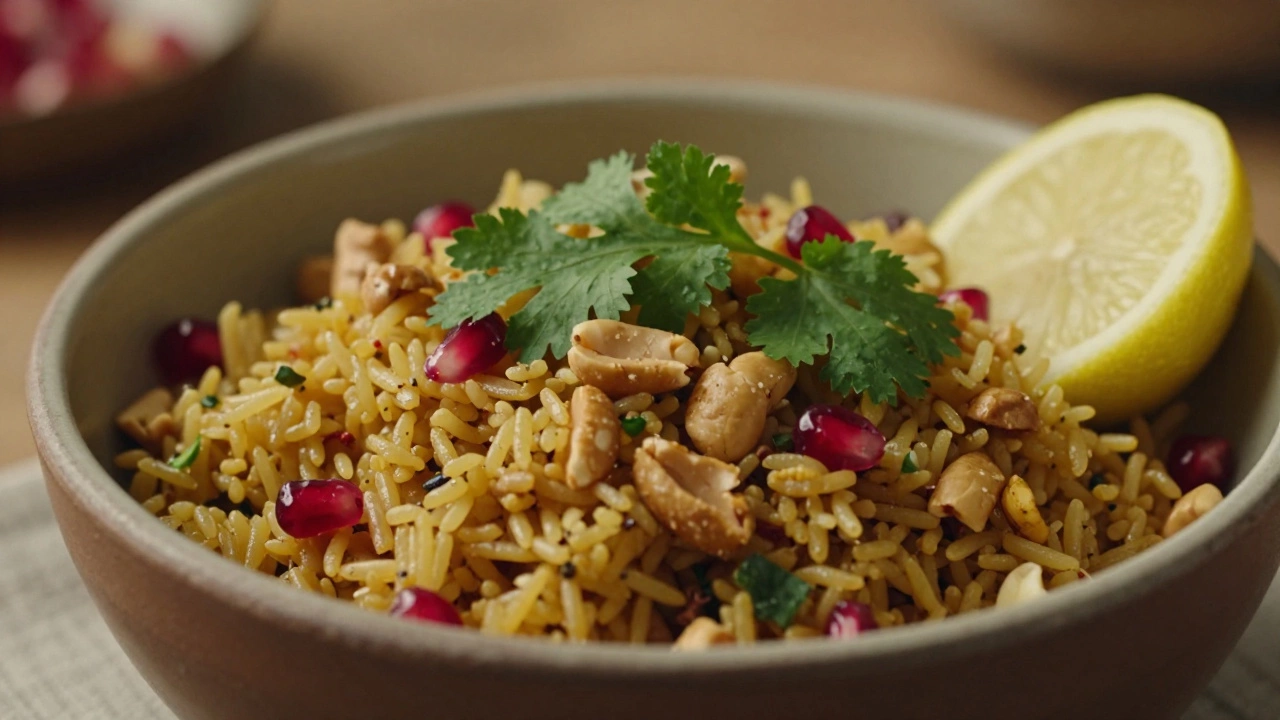
Not everyone has time for fermentation. That's where Poha comes in. Made from flattened rice, it's a staple in Maharashtra and Madhya Pradesh. The magic of Poha is that you don't actually "cook" the rice; you just rinse it. Add some sautéed onions, green chilies, turmeric, and a squeeze of lemon, and you've got a meal ready in under 10 minutes. To make it more filling, toss in some roasted peanuts or pomegranate seeds for a burst of freshness.
If you prefer something a bit more savory and hearty, Upma is your best bet. This is a thick porridge made from semolina (rava). It's essentially the Indian version of savory grits. The key to a great Upma is "roasting" the rava first to remove that raw taste. Adding diced carrots and peas transforms it from a simple porridge into a nutrient-dense meal that keeps your blood sugar stable.
| Dish | Main Ingredient | Prep Time | Health Benefit | Best For |
|---|---|---|---|---|
| Idli | Rice & Urad Dal | Low (if batter is ready) | Probiotic & Easy Digestion | Gut Health |
| Poha | Flattened Rice | Very Low | Iron-rich & Low Calorie | Quick Mornings |
| Paratha | Whole Wheat Flour | Medium | Long-lasting Energy | Heavy Workdays |
| Moong Dal Chilla | Yellow Mung Beans | Medium | High Protein | Muscle Recovery/Gym |
The Heavy Hitters: Parathas and Puraan
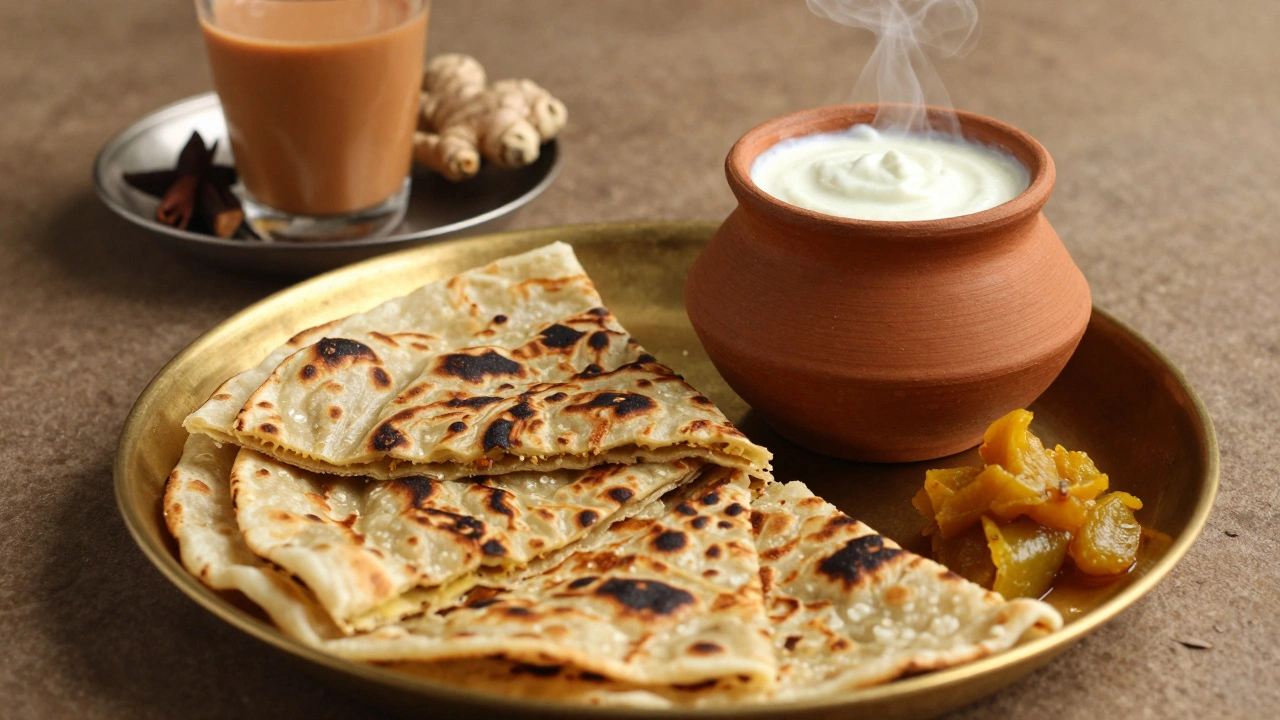
Some mornings require a "fuel-up" meal. Enter the Paratha, a flaky, pan-fried flatbread. The most legendary version is the Aloo Paratha (potato-stuffed), but if you're watching your health, try the Gobi (cauliflower) or Mooli (radish) versions. The trick to a quick breakfast india style is to make the dough the night before. In the morning, just roll, stuff, and sear with a teaspoon of ghee.
Eating a Paratha without Curd (plain yogurt) is almost a crime in many Indian households. The curd acts as a cooling agent and provides necessary probiotics to help digest the heavy wheat and fats. If you're in a rush, a dollop of homemade mango pickle provides that punch of acidity that wakes up your taste buds instantly.
Protein-Packed Alternatives for the Modern Indian
With more people hitting the gym or managing diabetes, the traditional "carb-heavy" breakfast is evolving. Moong Dal Chilla is the MVP here. It's a savory pancake made from ground mung beans. Unlike the Dosa, this doesn't need fermentation-just soak the beans, grind them with ginger and chili, and cook. It's packed with protein and keeps you full much longer than a piece of toast would.
Then there's the humble Paneer toast or bhurji. Scrambled cottage cheese (Paneer Bhurji) with tomatoes and onions is a powerhouse of protein and calcium. If you're short on time, simply crumble some paneer over brown bread, sprinkle some chaat masala, and grill it for 2 minutes. It's a modern twist on the classic Indian breakfast that satisfies the craving for something savory.
The Essential Sidekicks: Chutneys and Beverages
No Indian breakfast is complete without a side of Chutney. Whether it's a spicy green mint-coriander blend or a creamy coconut dip, chutneys add a layer of flavor that transforms a bland pancake into a gourmet meal. More importantly, the ingredients in these chutneys-like ginger, garlic, and lemon-stimulate digestive enzymes, helping your body process the morning meal more efficiently.
And we can't talk about mornings without Masala Chai. This isn't just tea; it's a ritual. Brewed with milk, ginger, cardamom, and cloves, it's the ultimate wake-up call. If you're trying to cut down on sugar, try switching to Filter Coffee, which is more common in the South and provides a sharper caffeine kick to start your workday.
Common Pitfalls to Avoid
A lot of people fall into the trap of eating too many deep-fried items like Puri Bhaji every day. While delicious, the high oil content can lead to a "sugar crash" or lethargy by mid-morning. A better strategy is the 80/20 rule: stick to steamed or sautéed options like Idli or Poha 80% of the time, and save the deep-fried treats for the weekends. Also, avoid adding too much refined sugar to your morning tea or coffee; use a bit of jaggery if you need sweetness, as it contains more minerals than white sugar.
What is the healthiest breakfast option in India?
If health is your priority, go for steamed Idlis or Moong Dal Chillas. Idlis provide probiotics due to fermentation and are oil-free, while Moong Dal Chillas offer a high-protein, low-glycemic index start to the day, which is excellent for blood sugar management.
How can I make my Indian breakfast quicker on weekdays?
The secret is prep work. Prepare your Dosa/Idli batter on Sundays so it lasts all week. Chop vegetables like carrots, beans, and onions in bulk and store them in airtight containers. Using a non-stick pan for Parathas can also reduce the amount of oil and cleaning time.
Are Poha and Upma good for weight loss?
Yes, if prepared correctly. Poha is naturally low in calories. To make them weight-loss friendly, increase the ratio of vegetables (like peas, carrots, and capsicum) and reduce the amount of oil used for tempering. Adding sprouts to Poha further boosts the protein content.
Can I eat Parathas every day?
While tasty, eating oily Parathas daily can be heavy on the digestive system. To make them healthier, use whole grain flour (Atta), limit the ghee or oil, and always pair them with a bowl of plain curd to aid digestion and balance the fats.
What should I eat if I have a very sensitive stomach in the morning?
Steamed Idlis or a simple bowl of oats with milk and honey are the gentlest options. Avoid spicy chutneys and heavy oils. A warm glass of lemon-honey water before your meal can also help prime your digestion.
Next Steps for Your Morning Routine
If you're just starting to experiment with these meals, don't try to cook a 5-course breakfast on Monday. Start with something simple like Poha or toast with Paneer. Once you get the hang of the flavors, try fermenting your own batter over the weekend. If you're struggling with time, invest in a good quality mixer-grinder; it's the one tool that makes Indian breakfasts possible, from grinding coconut for chutney to making smooth lentil batters.