Indian Food FODMAP Checker
Check Your Ingredients
Select ingredients you commonly eat in Indian dishes. High-FODMAP ingredients may cause bloating, gas, or discomfort for sensitive stomachs.
Your Results
Ever eaten a delicious curry, took one bite, and within an hour, your stomach felt like it was staging a rebellion? You’re not alone. Many people love the bold flavors of Indian food but struggle with how it sits - or doesn’t sit - in their stomach. It’s not just about spice. There are real, understandable reasons why your body might react this way, and most of them can be fixed without giving up the food you love.
It’s Not Just the Heat
People assume it’s the chili peppers. But even mild Indian dishes - think creamy korma or dal tadka - can cause discomfort. The truth? It’s rarely just the spice. Indian cooking uses a mix of spices like cumin, coriander, turmeric, fenugreek, and mustard seeds. These aren’t just for flavor. They’re powerful digestive stimulants. For someone whose gut isn’t used to them, that’s like flipping a switch your body never learned to handle.Think of it like this: if you’ve never run a marathon, asking you to run five miles on day one will hurt. Your gut works the same way. Spices activate digestive enzymes and bile flow. If you’re not used to that, it can lead to bloating, cramps, or even diarrhea. It’s not an allergy. It’s an adaptation issue.
Oil and Fat Are the Hidden Culprits
Many restaurant-style Indian dishes use a lot of ghee or vegetable oil. A single serving of butter chicken or palak paneer can contain 2-3 tablespoons of fat. That’s not unusual in Indian cooking - fat carries flavor and makes dishes rich. But for people with slow digestion, gallbladder issues, or irritable bowel syndrome (IBS), that much fat can overwhelm the system.Studies show that high-fat meals delay gastric emptying. That means food sits in your stomach longer, fermenting and causing gas. You might feel full for hours, even if you didn’t eat much. It’s not the curry itself - it’s the oil it’s swimming in.
Legumes and Lentils Are Tough on Some Systems
Dal is the backbone of Indian meals. But lentils? They’re full of FODMAPs - short-chain carbs that ferment in the gut. That’s why beans, chickpeas, and split lentils often cause bloating. If you’re sensitive to FODMAPs, even a small bowl of masoor dal can trigger discomfort.Here’s the fix: soak your lentils for at least 8 hours before cooking. Rinse them well. Cook them until they’re super soft - almost mushy. This breaks down the indigestible sugars. Also, add a pinch of asafoetida (hing) while cooking. It’s a traditional Indian spice that reduces gas and bloating. Many Indian grandmothers swear by it for a reason.
Raw Onions and Garlic Can Be Problematic
Indian food uses raw onions and garlic in chutneys, raitas, and even some curries. But both are high in fructans - another type of FODMAP. If you’ve noticed your stomach acts up after eating onion-based dishes like mirchi ka salan or kachumber salad, that’s likely why.Try cooking your onions and garlic until they’re golden and sweet. Heat breaks down the compounds that cause gas. Swap raw onion in raita for lightly sautéed ones. Or skip them entirely for a few weeks and see if things improve. You might be surprised how much better you feel.
Your Body Might Just Need Time to Adjust
If you’re new to Indian food, your gut microbiome hasn’t had time to adapt. Research from the University of California shows that regular exposure to diverse spices and fermented foods can change gut bacteria within 2-4 weeks. That means: your stomach isn’t broken. It’s just out of practice.Start slow. Pick one mild dish a week - like jeera rice or moong dal khichdi. Eat it without extra chutney or yogurt. Give your body 3-4 days to adjust. Then try another. Within a month, many people find they can handle spicier, richer meals without issues.
Easy Indian Recipes for a Sensitive Stomach
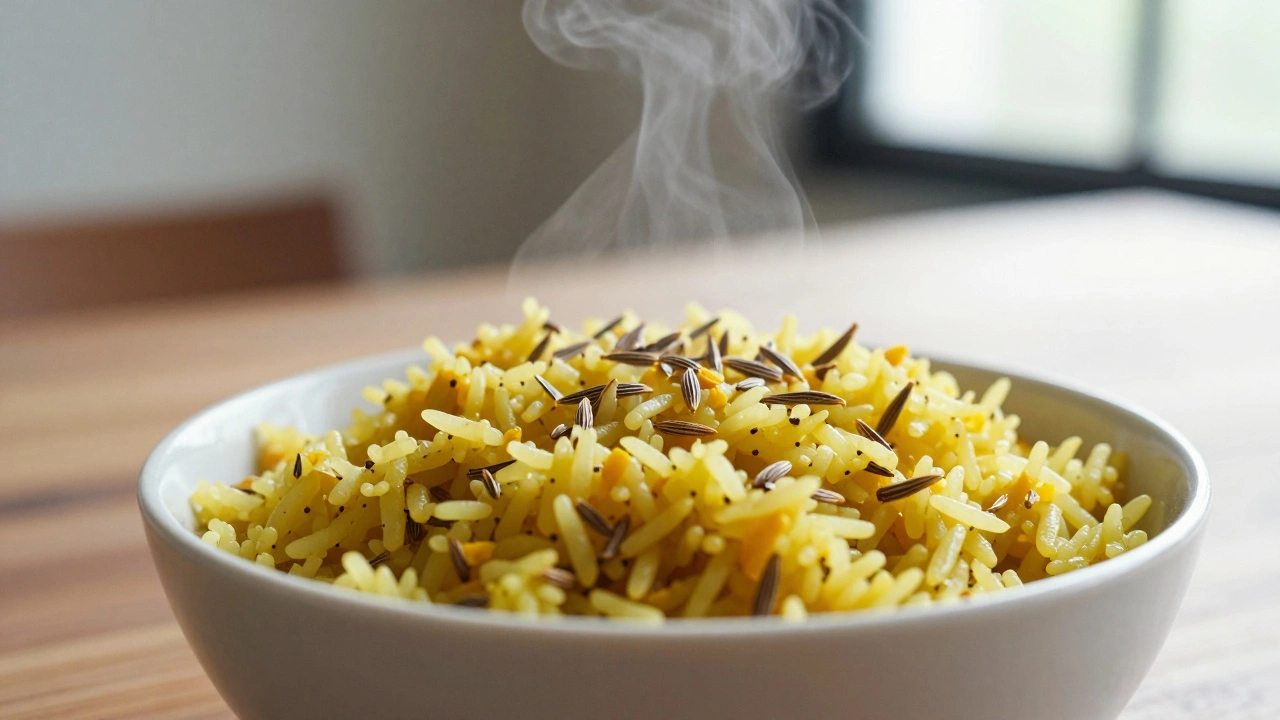
You don’t have to give up Indian food. You just need to tweak how it’s made. Here are three gentle, proven recipes that still taste authentic but are kinder to your gut:- Jeera Rice - Cook 1 cup basmati rice with 1 tsp cumin seeds, a pinch of turmeric, and 1.5 cups water. Skip the oil. Steam it. Simple, soothing, and naturally anti-inflammatory.
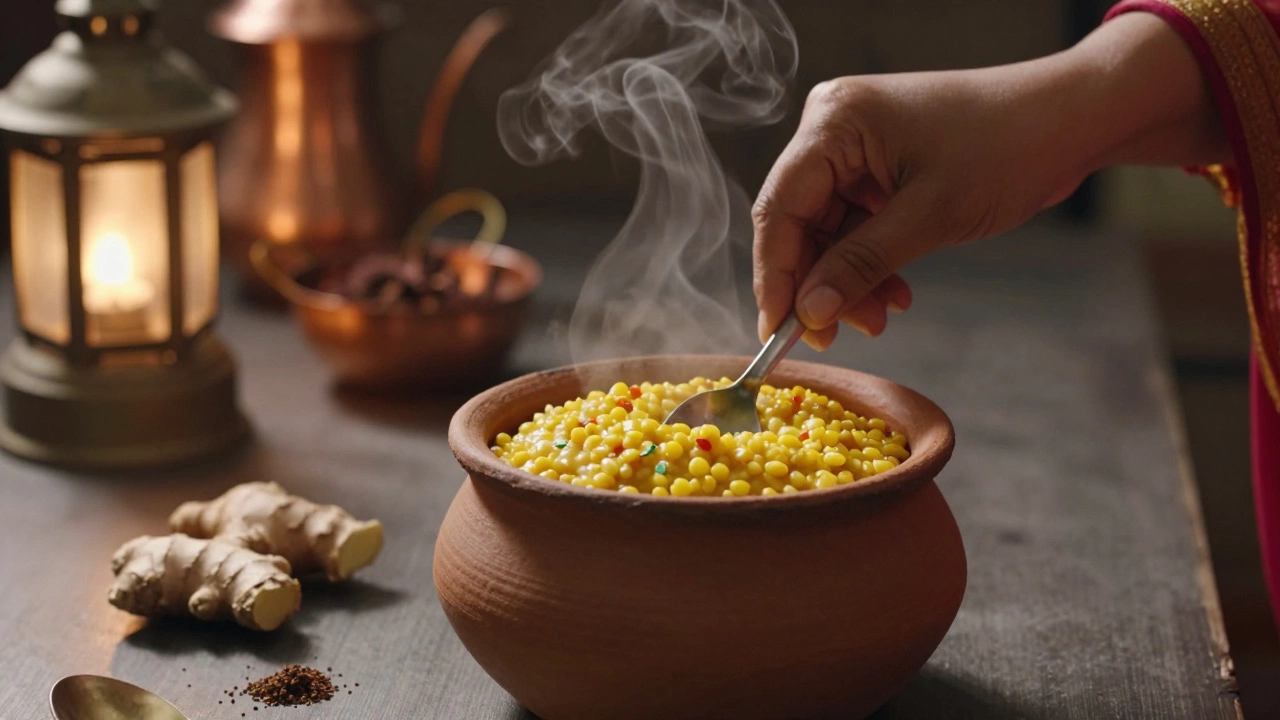
- Moong Dal Khichdi - Rinse ½ cup yellow moong dal and ½ cup rice. Cook with 1.5 cups water, a tiny bit of ginger, and a pinch of hing. Add a dash of salt. This is Indian comfort food for sick days - easy to digest and packed with protein.
- Steamed Veggie Curry - Steam carrots, zucchini, and potatoes. Toss with a light sauce made from blended cooked tomatoes, a little coconut milk, and ground coriander. No oil, no garlic, no onion. Still flavorful. Still Indian.
These dishes use traditional flavors but remove the triggers. They’re perfect for easing into Indian food without the aftermath.
What to Avoid Until Your Gut Adjusts
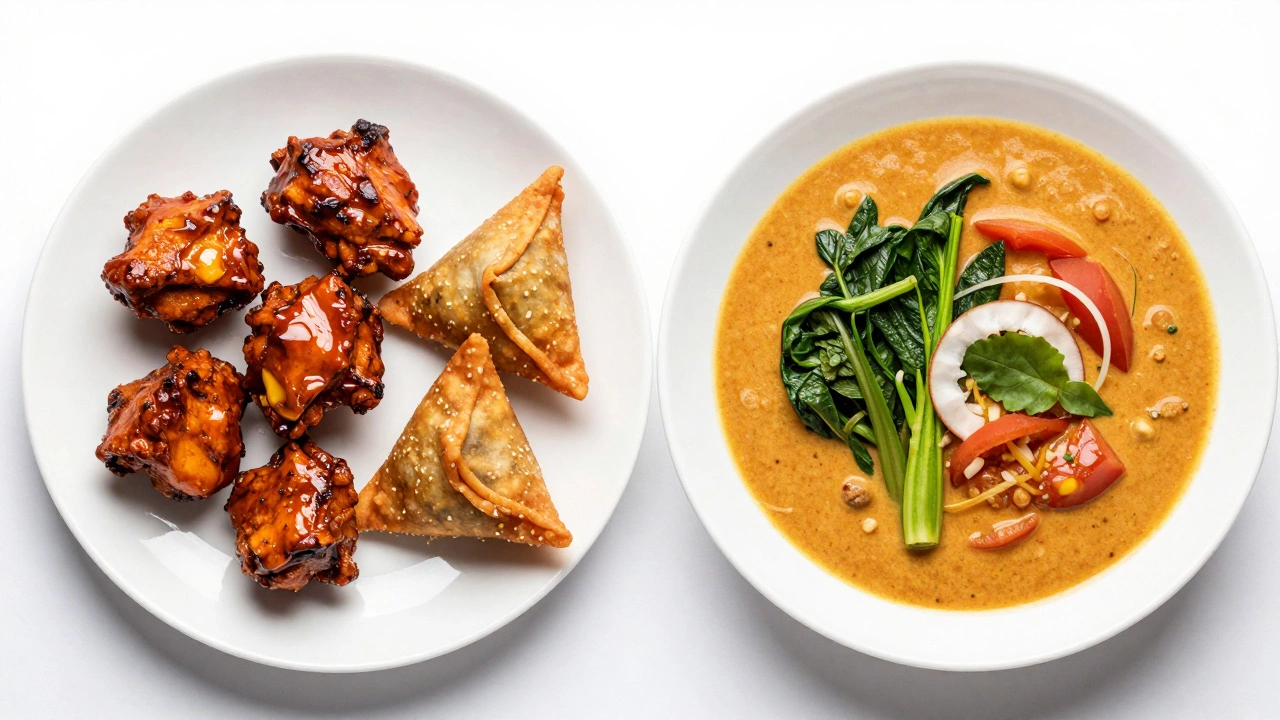
For the first few weeks, skip these common culprits:- Deep-fried snacks like samosas or pakoras
- Heavy cream-based curries (butter chicken, paneer makhani)
- Raw chutneys with onion, garlic, or green chili
- Spicy pickles and chili sauces
- Large portions of lentils or beans
Don’t cut them out forever. Just pause them. Give your body a chance to reset.
When to See a Doctor
Most digestive issues with Indian food are temporary. But if you have:- Severe pain or vomiting after eating
- Blood in your stool
- Unexplained weight loss
- Symptoms that last more than 4 weeks
...then it’s time to talk to a doctor. You could have a condition like IBS, gastritis, or a food intolerance that needs professional care. Don’t assume it’s just ‘your stomach being sensitive.’ Get it checked.
Final Tip: Eat Slowly and Warm
Indian food is best eaten warm - not hot, not cold. Eating slowly gives your stomach time to process the spices and fats. Chewing well activates saliva enzymes that start breaking down food before it even hits your stomach. Try this: put your fork down between bites. Take three breaths. Repeat. You’ll eat less, digest better, and actually taste the food more.Indian food isn’t the enemy. It’s just powerful. Treat it like a strong medicine - use it wisely, start small, and your body will thank you.
Can I still eat Indian food if I have IBS?
Yes, but you need to choose wisely. Stick to low-FODMAP Indian dishes like jeera rice, plain dal, steamed vegetables with mild spices, and cooked garlic instead of raw. Avoid onions, beans, and creamy sauces. Many people with IBS find that once they adjust, they can enjoy Indian food without flare-ups.
Why does Indian food make me gassy?
It’s usually because of lentils, beans, raw onions, garlic, and high-fat cooking methods. These ingredients ferment in the gut and produce gas. Soaking lentils, cooking onions, using hing, and reducing oil can cut gas dramatically.
Is turmeric bad for my stomach?
No - turmeric is actually anti-inflammatory and can help soothe the gut. But if you’re taking it in large amounts as a supplement or in very spicy dishes, it might irritate a sensitive stomach. Stick to small amounts in cooked dishes - it’s usually fine.
Can I build tolerance to spicy Indian food?
Absolutely. Start with mild dishes like korma or dal. Add one small chili at a time. Over 3-6 weeks, your taste buds and gut lining adapt. Many people who once couldn’t handle spice now enjoy it without issues.
Should I avoid dairy if Indian food upsets my stomach?
Not necessarily. Many Indian dishes use yogurt or paneer, which are easier to digest than milk. But if you’re lactose intolerant, skip creamy curries and use coconut milk instead. Lactose-free yogurt works fine in raita.