
Biryani Health Impact Calculator
Select options and click Analyze to see the nutritional breakdown.
You just finished that plate of aromatic, saffron-infused Biryani is a mixed rice dish popular across South Asia, made with basmati rice, meat or vegetables, and a blend of spices. It’s delicious. But two hours later, you’re feeling heavy, bloated, and maybe even a bit regretful. Why does this beloved comfort food leave such a mark on your body? It’s not just about portion size. The way traditional biryani is prepared packs it with hidden calories, saturated fats, and sodium that can derail your health goals if eaten regularly.
We love biryani for its complex flavors and cultural significance. From the Hyderabad Dum style to the Kolkata egg version, each region adds its own twist. However, when we look at the nutritional profile, several red flags appear. This isn’t about demonizing a staple of Indian cuisine. It’s about understanding what goes into that pot so you can make smarter choices. Whether you’re managing diabetes, trying to lose weight, or just want to feel lighter after dinner, knowing the breakdown helps.
The Calorie Bomb: More Than Just Rice
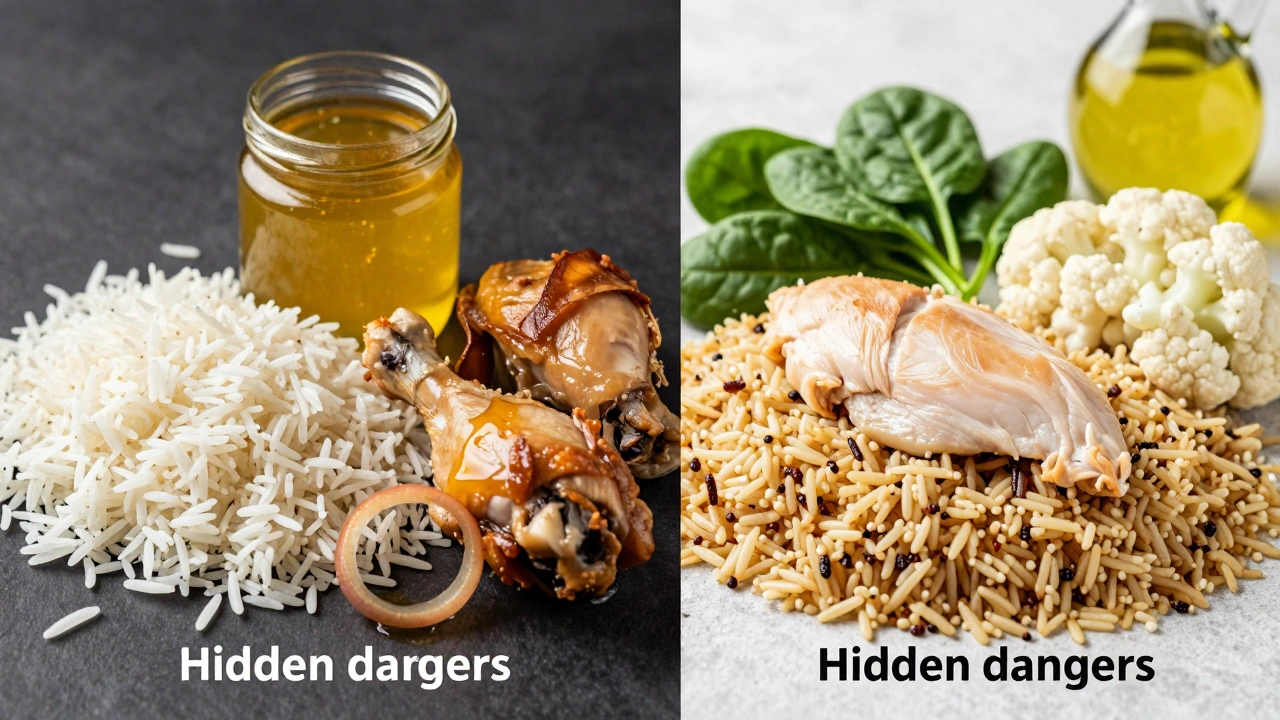
Let’s start with the obvious: rice. Basmati rice is a whole grain in its unpolished form, but the polished white basmati used in most biryanis has had its bran and germ removed. This strips away fiber and nutrients, leaving mostly starch. When you cook it with ghee (clarified butter) and oil, those carbs soak up the fat like a sponge.
A single serving of restaurant-style chicken biryani-roughly one cup-can contain between 400 to 600 calories. That’s before you add raita or salan. If you eat two cups, which is common during festive meals, you’re looking at nearly 1,000 calories from one dish alone. For context, that’s half the daily recommended intake for many adults. And because biryani is dense, it doesn’t always trigger the fullness signals your brain expects from high-fiber foods.
The problem compounds when you consider how biryani is layered. In the dum cooking method, the bottom layer often consists of fried onions, potatoes, and sometimes even bread crumbs or sev to prevent burning. These additions are pure calorie density without much nutritional value. They crisp up nicely, yes, but they also spike your blood sugar quickly due to their low fiber content.
Fat Overload: Ghee, Oil, and Fried Onions
If there’s one ingredient responsible for biryani’s reputation as an unhealthy dish, it’s the generous use of fats. Traditional recipes call for significant amounts of ghee or vegetable oil. Ghee tastes incredible and gives that rich mouthfeel, but it’s 100% fat. One tablespoon of ghee contains about 120 calories and 14 grams of saturated fat.
Then there are the fried onions. Known as *birista* in Hindi, these caramelized onions are essential for color and sweetness. But frying them requires submerging them in hot oil until they turn golden brown. During this process, they absorb a substantial amount of oil. A small handful of fried onions can add 50-80 extra calories per serving, along with trans fats if reused oil was used-a common practice in some eateries.
Many home cooks and restaurants also marinate the meat in yogurt and spices, then fry it briefly before adding it to the rice. This step seals in moisture but adds another layer of fat. Chicken skin, often left on for flavor, contributes additional cholesterol and saturated fat. Even vegetarian versions aren’t spared; paneer (Indian cottage cheese) and cashews are frequently added, both of which are high in fat and calories.
| Ingredient | Calories (per 100g) | Fat (g) | Carbs (g) | Key Concern |
|---|---|---|---|---|
| White Basmati Rice (cooked) | 130 | 0.2 | 28 | Low fiber, high glycemic index |
| Ghee | 900 | 100 | 0 | High saturated fat |
| Fried Onions | 300 | 15 | 40 | Added sugars from caramelization + absorbed oil |
| Chicken Thighs (with skin) | 209 | 10.9 | 0 | Higher cholesterol than breast meat |
| Cashews | 553 | 44 | 30 | Very calorie-dense nut |
Sodium Secrets: The Salt Trap
You might not taste the salt directly, but biryani is loaded with it. Why? Because salt enhances the other spices. Without enough sodium, the cardamom, cloves, cinnamon, and star anise won’t shine through. Most commercial biryani mixes and homemade marinades rely heavily on table salt.
A typical restaurant serving can contain over 800mg of sodium-that’s more than a third of the American Heart Association’s recommended daily limit of 2,300mg. High sodium intake is linked to hypertension, heart disease, and stroke. When you pair salty biryani with equally salty sides like papadum or pickles, you’re doubling down on the risk.
Even worse, many people drink liters of water afterward to quench thirst caused by the saltiness. This leads to temporary water retention and bloating, making you feel sluggish rather than satisfied. If you have kidney issues or high blood pressure, regular consumption of high-sodium dishes like biryani poses serious long-term health risks.
Hidden Sugars and Carbohydrate Spikes
Biryani isn’t just fatty; it’s also sweet. Fried onions caramelize naturally, releasing natural sugars. Some regional variations, like Lucknowi biryani, explicitly add sugar or jaggery to balance the heat of chilies. While this creates a delightful contrast, it means your meal is hitting you with both refined carbs and simple sugars simultaneously.
This combination causes rapid spikes in blood glucose levels. For diabetics or pre-diabetics, this is particularly dangerous. Your insulin levels surge to manage the influx of sugar, followed by a crash that leaves you craving more carbohydrates within hours. It’s a cycle that promotes weight gain and metabolic dysfunction over time.
Vegetable biryanis often include potatoes, peas, and carrots. While these sound healthy, potatoes are starchy tubers that behave similarly to white rice in terms of glycemic impact. Peas contain natural sugars too. So even the “healthier” veggie option still delivers a hefty carb load without the balancing effect of leafy greens or lean proteins.
How to Make Biryani Healthier Without Losing Flavor
Does this mean you should never eat biryani again? Absolutely not. Food brings joy, culture, and connection. Instead of avoiding it entirely, learn how to modify it. Small tweaks can drastically reduce the negative health impacts while preserving the essence of the dish.
- Swap White Rice for Brown or Quinoa: Use parboiled brown basmati or mix in quinoa. These options retain their bran layers, providing more fiber and slower-releasing energy. Yes, the color changes slightly, but the texture remains fluffy.
- Reduce Fat Content: Cut the ghee or oil by half. Use olive oil or avocado oil instead of refined seed oils. Skip frying the onions completely; roast them in the oven with a spray of oil for less absorption.
- Choose Lean Protein: Opt for chicken breast or turkey instead of thighs with skin. Fish biryani is another excellent choice-it’s lighter and rich in omega-3 fatty acids. For vegetarians, use tofu or chickpeas instead of paneer or cashews.
- Add Volume with Veggies: Bulk up the rice with cauliflower rice, shredded cabbage, or spinach. This increases fiber and micronutrients without adding many calories. It also helps control portions naturally.
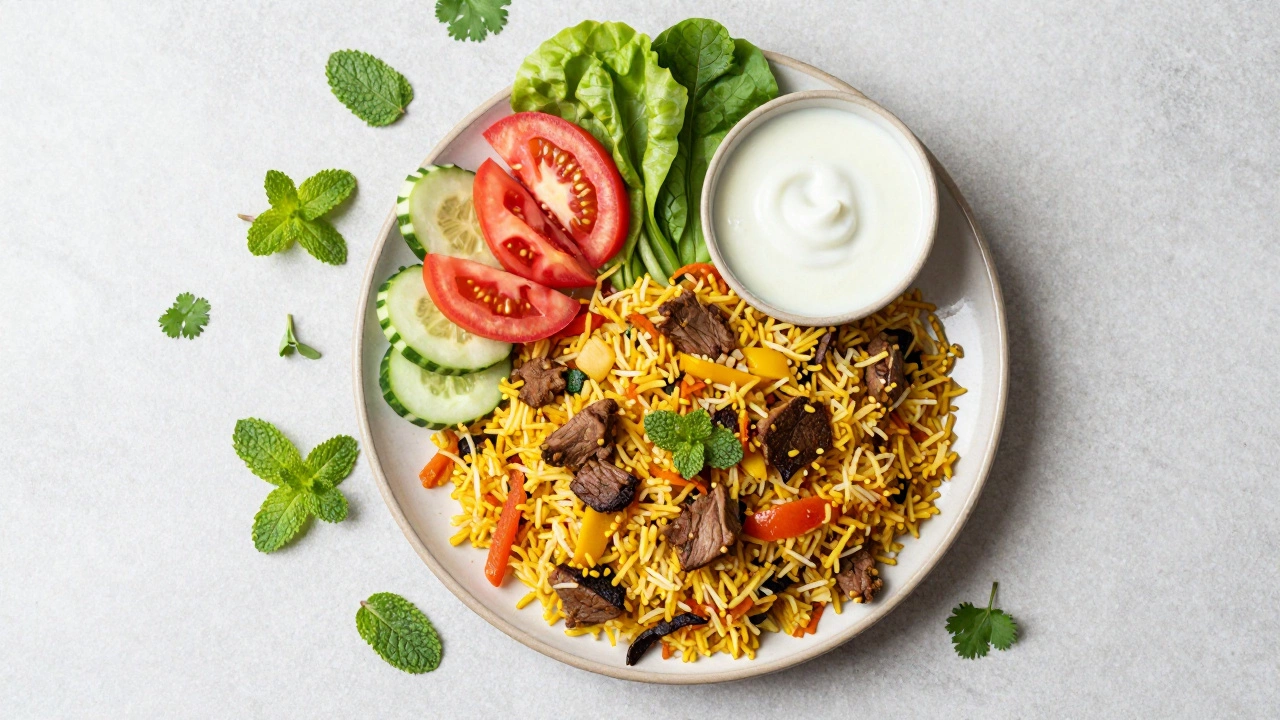
- Control Sodium: Season with herbs like mint, coriander, and fenugreek leaves instead of relying solely on salt. Use low-sodium stock for cooking the rice. Rinse canned beans or lentils thoroughly if using them.
Another pro tip: serve smaller portions alongside a large salad or cucumber-tomato raita made with low-fat yogurt. The fiber and probiotics aid digestion and help stabilize blood sugar responses. You’ll feel fuller longer and avoid that post-meal coma.
Who Should Be Cautious With Biryani?
While occasional indulgence is fine for most people, certain groups need to be extra careful. Individuals with type 2 diabetes should monitor carbohydrate counts closely. Those with cardiovascular conditions must watch saturated fat and sodium intake. People suffering from acid reflux may find the spicy, oily nature of biryani triggers symptoms.
Pregnant women should ensure any meat or eggs in biryani are fully cooked to avoid foodborne illnesses like salmonella or listeria. Street-side vendors may not always maintain strict hygiene standards, increasing this risk. Always choose reputable establishments when eating out.
Kids and teenagers growing rapidly require balanced nutrition. Regularly feeding them high-calorie, low-nutrient meals can lead to poor dietary habits later in life. Introduce modified versions early so they associate biryani with wholesome ingredients rather than just grease and spice.
Frequently Asked Questions
Is biryani bad for weight loss?
Traditional biryani can hinder weight loss due to its high calorie and fat content. However, modified versions using brown rice, lean protein, and reduced oil can fit into a calorie-controlled diet. Portion control is key-one small serving paired with vegetables works best.
What is the healthiest type of biryani?
Fish biryani tends to be the healthiest option because fish is lower in saturated fat than red meat or chicken thighs. Vegetable biryani made with lots of greens and minimal nuts/oil is also a good choice. Avoid overly creamy or cashew-heavy variants.
Can I eat biryani every day?
Eating traditional biryani daily is not recommended due to excessive sodium, saturated fat, and refined carbs. It could contribute to chronic health issues over time. Limit it to once or twice a week, preferably homemade with healthier substitutions.
Why does biryani make me feel bloated?
Bloating occurs due to high sodium causing water retention, combined with heavy fats slowing digestion. The lack of fiber in white rice means waste moves slowly through your system. Eating slowly and drinking plenty of water afterward helps alleviate discomfort.
Is homemade biryani healthier than restaurant biryani?
Yes, generally speaking. Restaurants often use excess oil and salt to enhance flavor and extend shelf life. At home, you control the ingredients. You can reduce fat, increase veggies, and use fresh spices instead of processed mixes, resulting in a significantly healthier meal.