Dal Pairing Planner
Recommended Pairings
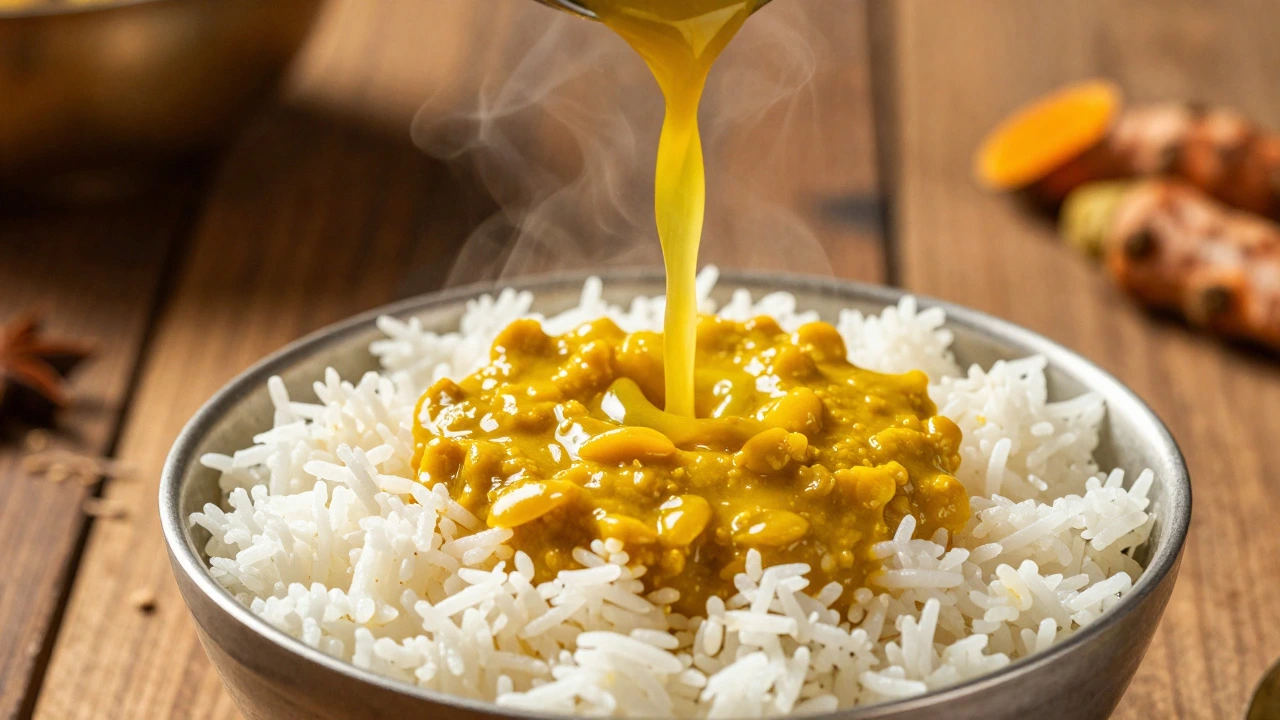
There is a specific kind of magic that happens when you pour a bowl of hot, glistening Dal is a staple lentil dish in Indian cuisine, known for its comforting texture and nutritional value over steamed white rice. It’s not just dinner; it’s an experience. But if you’ve ever stared at your pot of simmering lentils wondering what else to cook on the stove, you are not alone. Dal is incredibly versatile, but pairing it correctly can turn a good meal into a great one.
The beauty of dal lies in its simplicity. It acts as a blank canvas, absorbing flavors from spices like cumin, turmeric, and asafoetida (hing). However, because dal is often mild or creamy, it needs partners that provide contrast-crunch, heat, acidity, or richness. Whether you are making a quick weeknight Dal Tadka or a slow-cooked yellow dal, knowing what serves best alongside it will save you time and elevate your cooking game instantly.
The Golden Rule: Rice vs. Roti
When asking what food goes well with dal, the first decision you need to make is your carbohydrate base. In India, this isn’t really a choice between two options; it’s about understanding the regional context and the type of dal you have prepared.
Basmati Rice is long-grain aromatic rice widely used in North Indian cuisine is the classic partner for most dals. The fluffy grains soak up the liquid gravy perfectly. If you are serving a watery dal like Moong Dal, rice is essential because you want to slurp every drop of that seasoned broth. For thicker dals, such as Dal Makhani, rice provides a neutral bed that balances the heavy creaminess of the lentils.
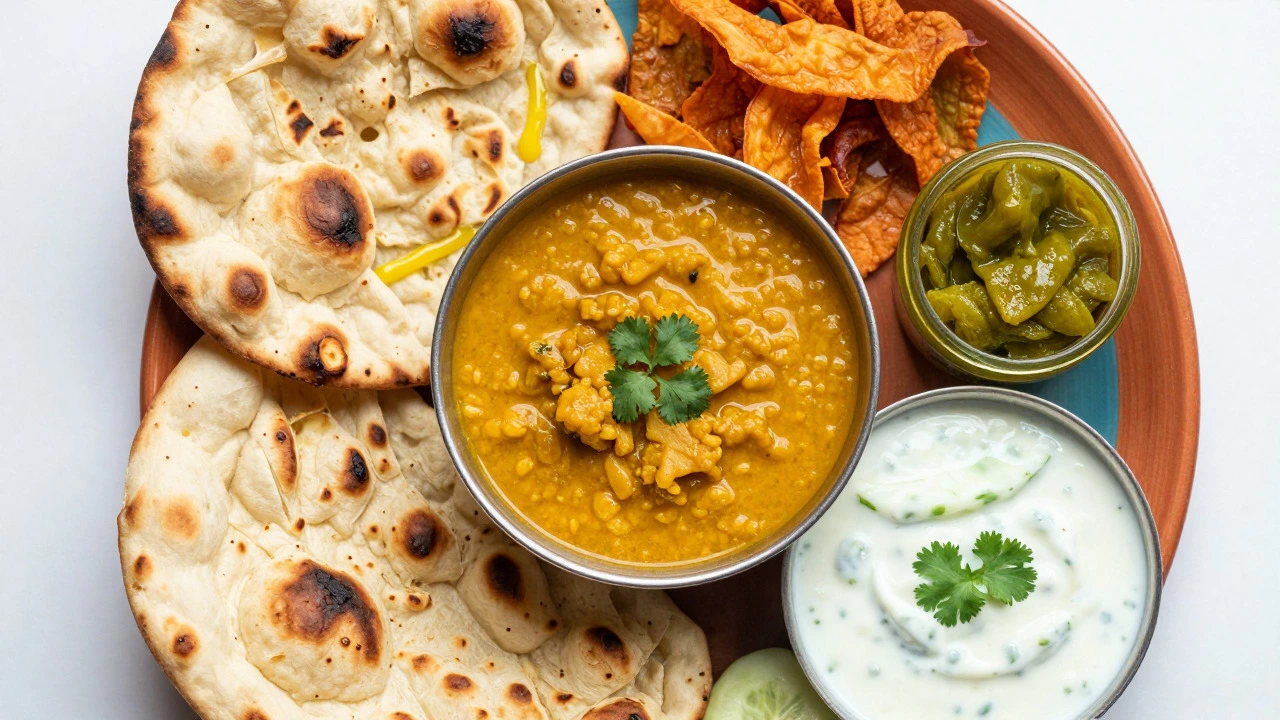
On the other hand, Roti is an unleavened flatbread made from whole wheat flour, also known as Chapati or Phulka, offers a different textural experience. Roti is ideal when your dal has a thicker consistency or contains solid vegetables. You tear off a piece of warm, soft roti and scoop up the chunky lentils. This combination is particularly popular in North Indian households. If you are looking for something more indulgent, consider Naan is a leavened flatbread baked in a tandoor oven. Its charred exterior and soft interior hold up well against rich, buttery dals.
| Dal Type | Consistency | Best Carb Partner | Why It Works |
|---|---|---|---|
| Moong Dal / Yellow Dal | Liquid / Gravy-heavy | Steamed Basmati Rice | Rice absorbs the flavorful broth completely. |
| Dal Makhani | Thick / Creamy | Butter Naan or Roti | Bread scoops up the dense texture without getting soggy. |
| Dal Tadka | Medium / Chunky | Roti or Jeera Rice | Jeera rice complements the cumin tempering in the dal. |
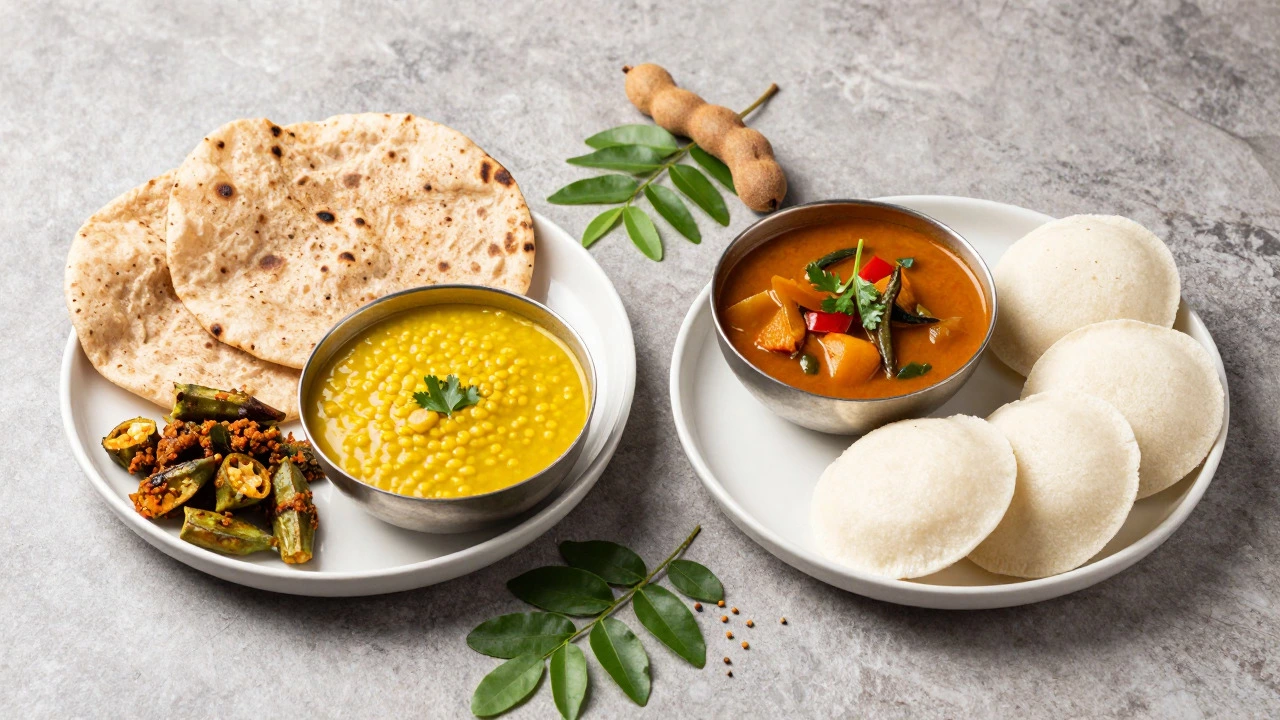
| Sambar (South Indian) | Vegetable-heavy | Idli or Dosa | Fermented breads balance the tangy tamarind flavor. |
The Essential Crunch: Pickles and Papads
If you think your dal meal is complete with just rice and bread, you are missing half the fun. Indian meals rely heavily on texture contrast, and nothing provides crunch like papads and pickles. These items are cheap, easy to store, and require zero cooking effort, which makes them perfect for busy evenings.
Papad is a thin, crispy disc made from lentil or potato flour should always be part of the spread. Roast a papad over an open flame until it puffs up and turns golden brown. The smoky, salty crunch cuts through the softness of the lentils. You can serve it plain or sprinkle a little chaat masala on top for extra zing.
Next, reach for the pickle jar. Mango Pickle is a spicy condiment made from raw mangoes preserved in oil and spices is the undisputed king here. A single teaspoon of spicy, tangy mango pickle mixed into your rice and dal changes the entire flavor profile. It adds heat and acidity that wakes up your palate. If you don’t have mango pickle, any strong vinegar-based pickle works. Even a simple cucumber raita can provide a cooling contrast if your dal is very spicy.
Vegetable Sides That Balance the Meal
Dal is nutritious, but adding a vegetable side ensures you get a wider range of vitamins and minerals. More importantly, it adds color and variety to the plate. When choosing a vegetable dish to go with dal, avoid anything too mushy. You want something that retains its shape and offers a different mouthfeel.
A simple Sabzi is a general term for cooked vegetable dishes in Indian cuisine like Bhindi Masala (okra) or Baingan Bharta (roasted eggplant) pairs beautifully. Okra has a slight slime but becomes crispy when cooked with onions and tomatoes, offering a nice textural counterpoint to smooth dal. Eggplant dishes are rich and smoky, which complements earthy lentils like black gram or kidney beans.
For a lighter option, try a stir-fry of seasonal greens. Spinach (Palak) or Fenugreek leaves (Methi) sautéed with garlic and green chilies add a fresh, bitter note that balances the savory umami of the dal. Keep the seasoning simple-just salt, pepper, and maybe a pinch of red chili powder. You don’t want the vegetable side to compete with the dal for attention; it should support it.
Cooling Elements: Raita and Curd
Spices in dal can sometimes be intense, especially if you use lots of red chili powder or garam masala. To cool down the heat and aid digestion, dairy products are traditionally served alongside lentil dishes. Yogurt is probiotic-rich and soothing, making it a smart addition to your meal.
Raita is a yogurt-based side dish mixed with chopped vegetables and spices is the easiest way to incorporate this. Cucumber raita is the most common because cucumber is hydrating and refreshing. Mix diced cucumber, boiled chickpeas, or even grated carrots with thick yogurt, salt, roasted cumin powder, and a few fresh cilantro leaves. The coolness of the yogurt mellows out the spice kick from the dal tadka.
If you prefer something simpler, just serve a small bowl of plain Dahi is Indian-style yogurt, often thicker and creamier than Western yogurt on the side. Some people even mix a spoonful of dahi directly into their dal to make it richer and milder. This is a common hack in homes where children find the spices too strong.
Regional Twists: South vs. North
It’s important to recognize that "dal" means different things in different parts of India, and the pairings change accordingly. In North India, dal usually refers to yellow moong, masoor, or arhar dal, tempered with mustard seeds and cumin. Here, the focus is on warmth and comfort, so heavy carbs like naan and rich sides like paneer bhurji work well.
In South India, the equivalent dish is often Sambar is a tangy vegetable stew made with lentils and tamarind. Sambar is distinctly sour due to tamarind and uses a special spice blend called sambar powder. Because of this acidity, it pairs best with fermented foods. Serve sambar with Idli (steamed rice cakes), Vada (spiced doughnuts), or Dosai (fermented crepes). The fermentation process creates a slight tang that matches the sourness of the sambar, creating a harmonious flavor profile that wouldn’t work with plain rotis.
Pro Tips for Perfect Pairing
To master the art of serving dal, keep these practical tips in mind:
- Balance the Spice Levels: If your dal is very spicy, ensure your sides are mild. If your dal is bland (like plain boiled moong), make sure your pickles or chutneys are fiery.
- Vary Textures: Never serve three soft items together. If you have soft dal, soft rice, and soft curd, the meal will feel monotonous. Add papad, nuts, or crunchy vegetables to break the monotony.
- Color Matters: Dal is often yellow, orange, or brown. Add green elements like coriander garnish, cucumber raita, or spinach sabzi to make the plate visually appealing. We eat with our eyes first.
- Garnish Generously: Fresh cilantro (coriander leaves) and a drizzle of ghee are non-negotiable. They tie all the components of the meal together.
Common Mistakes to Avoid
One common mistake is overcomplicating the sides. Dal is humble food. It doesn’t need fancy, time-consuming accompaniments. Don’t spend an hour making a complex curry if your dal took ten minutes to prepare. Stick to quick pickles, instant papads, and simple stir-fries.
Another error is ignoring the liquid ratio. If you serve a dry dal with plain white rice, it might feel too dry. Conversely, serving a watery dal with flaky paratha can result in a soggy mess. Match the moisture content of your dal with the absorbency of your carb choice.
Can I serve chicken with dal?
Yes, absolutely. While dal is vegetarian, many non-vegetarian households serve it alongside chicken curry or grilled chicken tikka. The mild flavor of dal complements the spiciness of chicken dishes perfectly. Just ensure the chicken sauce isn't too oily, as dal already contains ghee or oil.
What is the healthiest side to eat with dal?
The healthiest combination is dal with brown rice or whole wheat roti, accompanied by a large portion of leafy green vegetables and cucumber raita. This provides a balanced mix of protein, fiber, healthy fats, and probiotics without excessive calories or refined carbs.
Does dal go well with pasta?
Surprisingly, yes! Many modern chefs use dal tadka as a sauce for pasta. The creamy texture of moong dal works similarly to a tomato or cream sauce. Toss cooked penne or spaghetti with dal, add some parmesan cheese, and you have a fusion dish that is both comforting and novel.
How do I make my dal taste better without adding more spices?
Focus on the tempering (tadka). Use high-quality ghee instead of oil. Add fresh ginger, garlic, and dried red chilies. Finish with a squeeze of lemon juice and fresh cilantro. These fresh ingredients add brightness and depth without needing heavy spice blends.
Is it okay to eat dal every day?
Yes, dal is a staple in many Indian diets and is eaten daily. It is rich in protein, iron, and fiber. To prevent digestive issues, vary the types of lentils you use (moong, masoor, chana) and ensure you drink enough water. Pairing it with probiotic-rich foods like yogurt helps with digestion.