Paneer Nutrition & Portion Calculator
Nutritional Summary
Key Takeaways
- Paneer is a powerhouse of casein protein, making it great for muscle repair.
- Daily consumption is safe for most people, but portion control is key to avoid excess calories.
- Homemade paneer is often healthier than store-bought versions due to fewer preservatives.
- Balance it with plenty of fiber and vegetables to avoid digestive sluggishness.
To understand why this works, we first need to look at what this stuff actually is. Paneer is a fresh, non-melting cheese common in South Asian cuisine, made by curdling milk with an acid like lemon juice or vinegar. Unlike hard cheeses that age for months, paneer is eaten fresh. This means it keeps most of the nutritional value of the milk it came from, but in a concentrated, solid form.
The Protein Punch: Why Your Body Likes Paneer
If you are avoiding meat, paneer is a lifesaver. It is packed with Casein is a slow-digesting protein found in milk that provides a steady release of amino acids into the bloodstream. This is why many athletes eat paneer or cottage cheese before bed; it keeps your muscles fed while you sleep.
A standard 100-gram serving of paneer typically gives you about 18 to 20 grams of protein. For someone trying to hit a daily protein goal of 60-80 grams, a single block of paneer gets you a third of the way there. It also contains essential minerals like calcium and phosphorus, which are the building blocks for strong bones. If you've noticed your nails are stronger or your energy levels are more stable when you eat it, that's the slow-burn energy of the fats and proteins working together.
The Calorie Trap: Watching the Portions
Here is where things get tricky. While the protein is great, paneer is also high in saturated fats. If you eat 300 grams of paneer every single day, you're adding a significant amount of calories to your diet. For most adults, a portion size of 60 to 100 grams per day is a sweet spot. Any more than that, and you might start noticing weight gain or a feeling of heaviness.
The way you cook it matters just as much as how much you eat. If you deep-fry your paneer cubes in refined oil before adding them to a heavy cream sauce, you're turning a health food into a calorie bomb. Try grilling, air-frying, or lightly sautéing your paneer in olive oil or ghee to keep the heart-healthy balance.
| Attribute | Homemade Paneer | Store-Bought Paneer |
|---|---|---|
| Ingredients | Milk, Lemon/Vinegar | Milk, Acids, Stabilizers |
| Preservatives | None | Varies by brand |
| Texture | Soft & Creamy | Often Rubbery/Firm |
| Control over Fat | High (Can use skimmed milk) | Low |
Why Homemade Paneer is the Better Choice
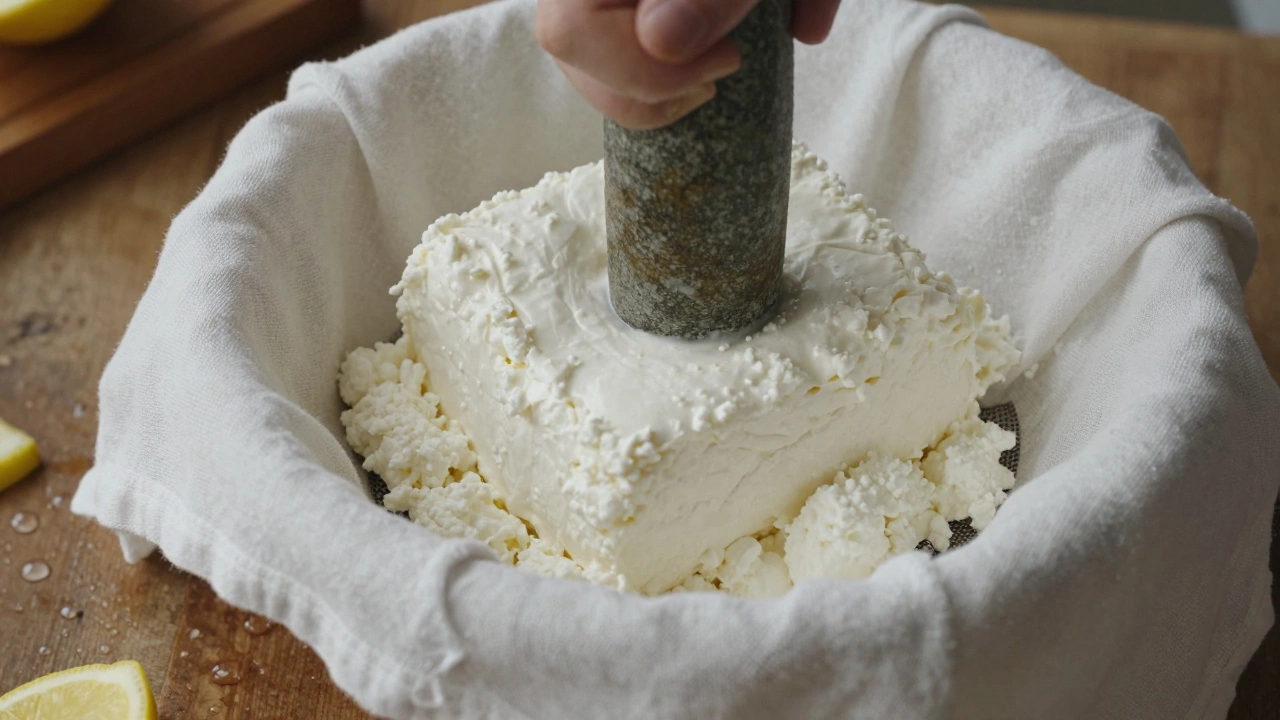
If you're going to eat this every day, making it yourself is a game-changer. When you make Homemade Paneer is cheese prepared at home using fresh milk and a natural coagulant, you control exactly what goes in. Many commercial brands add emulsifiers or preservatives to extend shelf life, which can sometimes cause bloating in sensitive people.
Plus, making it at home allows you to tweak the nutrition. Want a lower-calorie version? Use a mix of whole milk and skimmed milk. Want it creamier? Use full-fat buffalo milk. The process is simple: boil milk, add lemon juice or vinegar until the curds separate, strain it through a muslin cloth, and press it under a heavy weight for an hour. Not only is this cheaper, but the taste is infinitely fresher.
Who Should Be Careful?
Paneer isn't for everyone. The most obvious group is those with Lactose Intolerance is the inability to digest lactose, a sugar in milk, due to enzyme deficiency. While the process of making paneer removes a lot of the whey (where much of the lactose lives), it still contains enough dairy to cause distress for some. If you feel bloated or get a stomach ache after eating it, daily consumption is a bad idea.
People with high cholesterol or kidney issues should also chat with a doctor. The saturated fat in full-cream paneer can impact LDL levels if you aren't active. Also, because it's so rich in protein, people with advanced chronic kidney disease may need to limit their intake to avoid putting too much pressure on their kidneys.
Creating a Balanced Plate
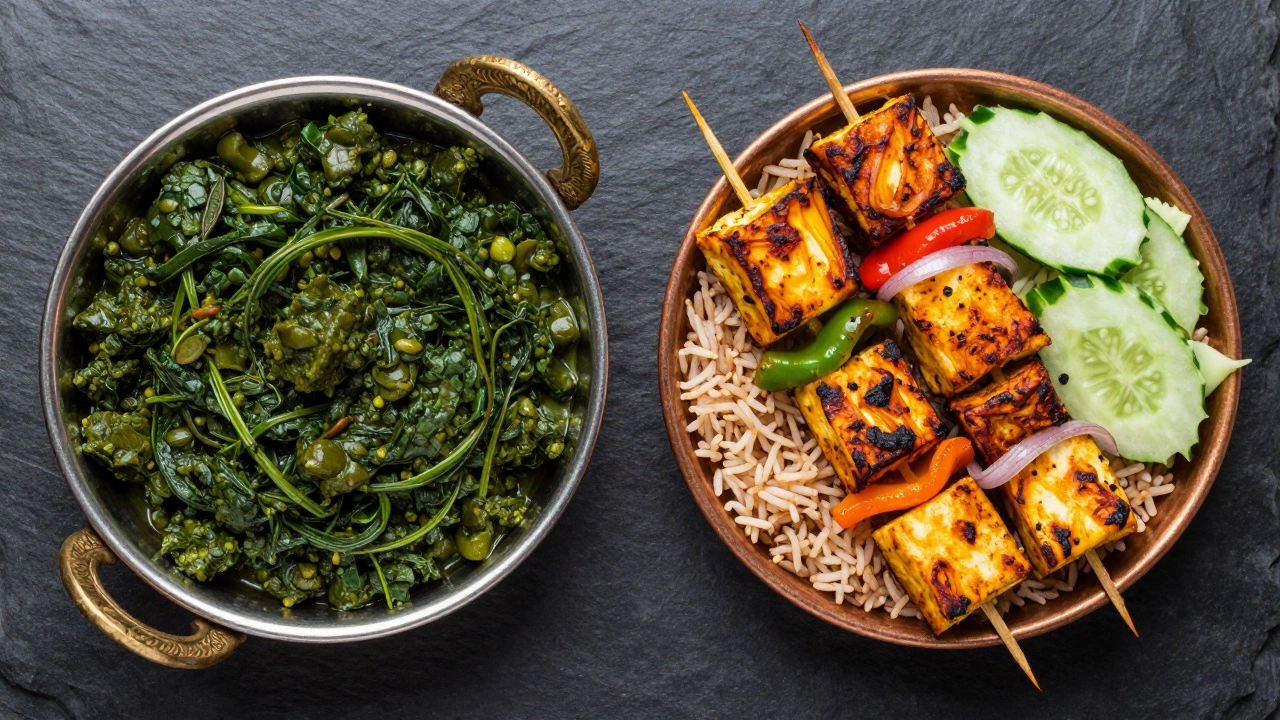
To make paneer a sustainable part of your daily routine, you need to pair it with the right partners. Because paneer is low in fiber, eating it alone or with just white rice can lead to constipation. This is why traditional Indian meals pair paneer with Vegetables is plant-based foods that provide essential fiber, vitamins, and antioxidants. Adding spinach (Palak Paneer), peas (Mattar Paneer), or bell peppers ensures your gut gets the fiber it needs to move that heavy protein through your system.
Try incorporating a variety of grains too. Swap white rice for quinoa or brown rice, or pair your paneer with a multigrain roti. This lowers the glycemic index of your meal, meaning you won't have a massive blood sugar spike and crash an hour after eating.
Pro Tips for Daily Paneer Eaters
- The Soak Method: If your paneer feels too rubbery, soak the cubes in warm salted water for 10 minutes before cooking. It makes them incredibly soft.
- Variety in Flavor: Don't just stick to curries. Try grilling paneer skewers with oregano and chili flakes for a Mediterranean twist.
- Storage Hack: Store homemade paneer submerged in clean water in an airtight container. Change the water every day to keep it fresh for up to 4-5 days.
- Pairing for Digestion: Add a pinch of Asafoetida is a resin extracted from Ferula plants, used in Indian cooking to reduce gas and bloating (Hing) to your tempering. It helps your body break down the heavy fats more efficiently.
Will eating paneer every day cause weight gain?
Not necessarily. Weight gain depends on your total daily calories. Paneer is calorie-dense, so if you eat it in moderation (about 100g) and stay active, it can actually help you lose weight by keeping you full for longer due to its high protein and fat content.
Is paneer better than tofu for daily use?
It depends on your goals. Paneer has more calories and saturated fat but generally offers a more complete amino acid profile and more calcium. Tofu is lower in calories and better for those avoiding dairy or watching their cholesterol. Both are excellent protein sources; rotating them is often the smartest health strategy.
Can I eat paneer on an empty stomach in the morning?
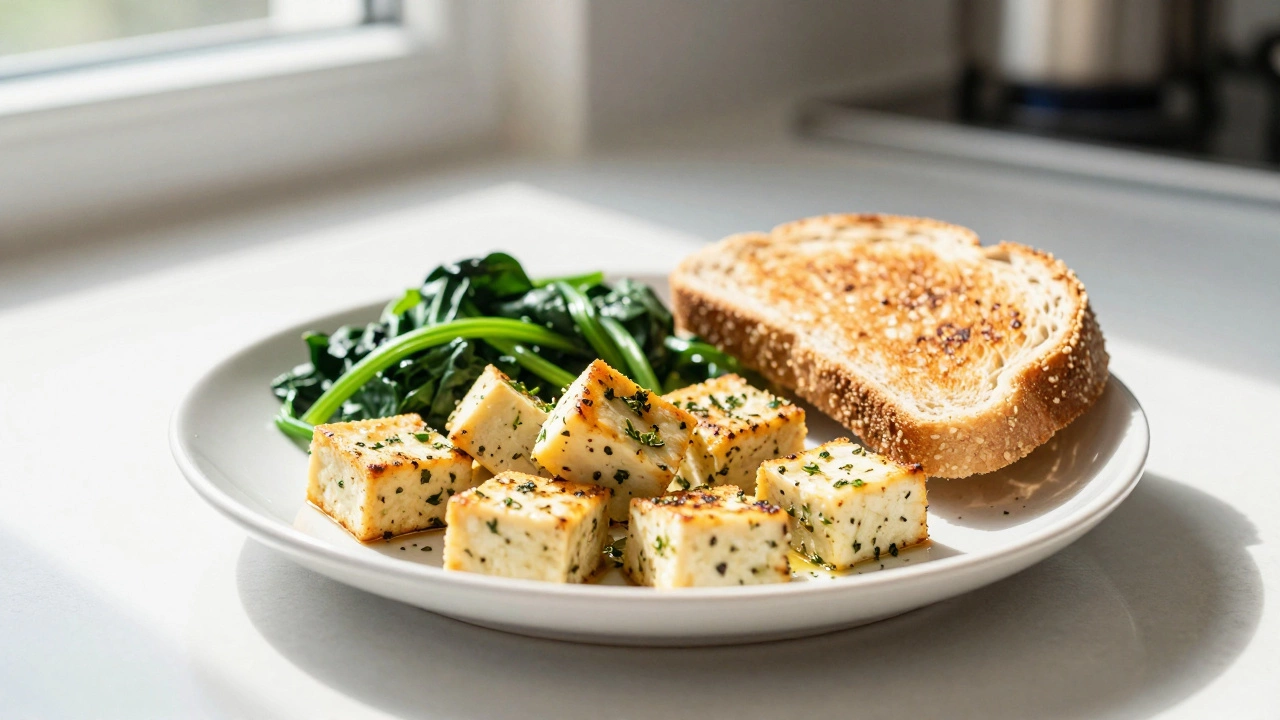
Yes, eating paneer for breakfast is a great way to stabilize your blood sugar for the day. Pairing it with some sautéed vegetables or a slice of whole-grain toast makes it a balanced start that prevents mid-morning cravings.
Does eating paneer daily affect uric acid levels?
For most people, paneer is fine. However, if you already have high uric acid or suffer from gout, you should consult a doctor. While paneer is lower in purines than red meat, excessive protein intake can sometimes be an issue for those with specific metabolic conditions.
How do I know if my paneer has gone bad?
Look for a sour or ammonia-like smell. If the surface feels slimy or you see any yellow or pinkish discoloration, toss it out immediately. Because it's a fresh cheese, it spoils faster than aged varieties.
Next Steps for Your Diet
If you're new to eating paneer daily, start slow. Try incorporating it into one meal a day for a week and monitor how your digestion reacts. If you feel great, experiment with different preparations. If you find yourself feeling sluggish, try switching to a lower-fat homemade version or alternating days with tofu or lentils. Remember, the secret to any long-term diet is variety-don't let paneer be the only thing on your plate, but let it be the reliable foundation of your protein intake.