
Indian Chicken Dish Calorie & Health Comparison Tool
Quick Nutrition Reality Check
- High Protein: Lean chicken breast and thighs provide a massive protein hit.
- Low Carb: The marinade is mostly yogurt and spices, not sugar or flour.
- Cooking Method: Roasting in a clay oven reduces the need for added fats.
- The Catch: Restaurant versions often use artificial food dyes and excessive salt.
Breaking Down the Tandoori Method
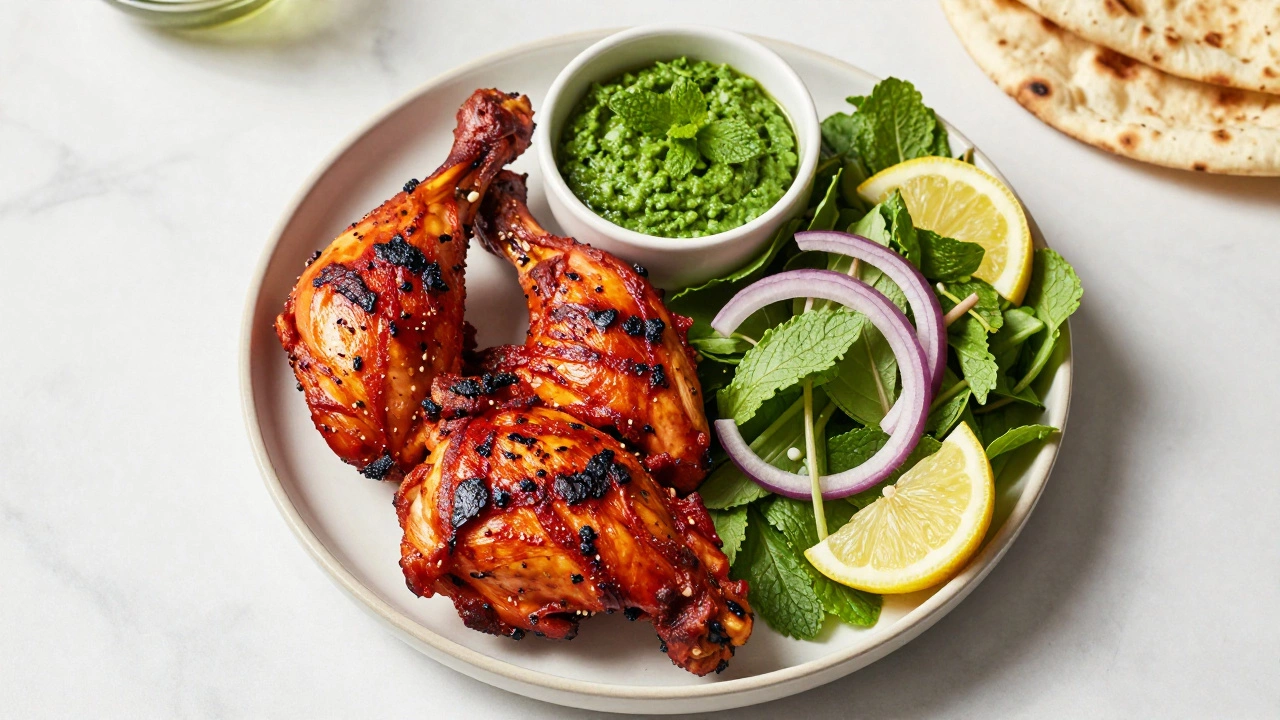
To understand the health impact, we have to look at the tool itself. Tandoor is a cylindrical clay oven used in South and Central Asia that reaches temperatures up to 480°C (900°F). Because the heat is so intense, the meat cooks rapidly. Unlike deep-frying, where the chicken soaks up oil, the tandoor allows fat to drip away from the meat. This makes Tandoori Chicken a grilled meat dish marinated in yogurt and spices, then roasted at high temperatures naturally leaner than a butter chicken or a korma.
But what about the char? You'll see those black burnt edges on the chicken. This is a result of the Maillard reaction and, in some cases, carbonization. While a little bit of char adds that smoky flavor we love, eating heavily charred meat regularly can introduce polycyclic aromatic hydrocarbons (PAHs), which are compounds linked to health risks. The trick is to enjoy the smoke, but don't eat the blackened crusts like they're potato chips.
The Marinade: Health Hero or Hidden Hazard?
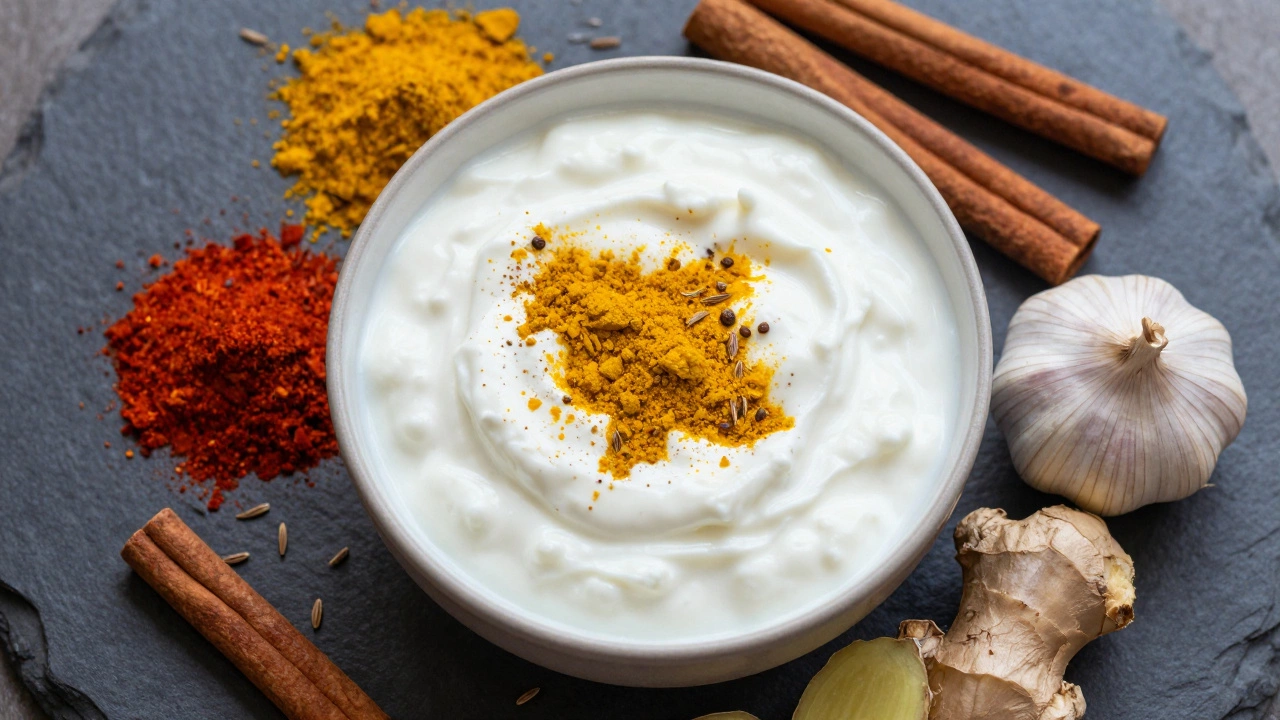
The magic of this dish is in the marinade. A traditional mix uses Greek Yogurt (or hung curd), which acts as a tenderizer by breaking down the proteins in the meat. Then you have the spices: Turmeric, Cumin, Garam Masala, and Ginger Garlic Paste. Most of these are anti-inflammatory and aid digestion.
However, this is where the "unhealthy" part usually creeps in. Have you ever noticed that restaurant tandoori chicken is an unnaturally bright red? Natural Kashmiri Red Chili provides a deep red color, but some commercial kitchens use synthetic red food dyes (like Allura Red) to make the dish pop. These additives aren't exactly health foods and can cause sensitivities in some people. Then there's the salt. To make the flavor punch through the high heat, chefs often load the marinade with sodium, which can lead to bloating and water retention.
| Dish | Estimated Calories | Primary Fat Source | Health Rating |
|---|---|---|---|
| Tandoori Chicken | 350-450 kcal | Yogurt/Natural Fats | High |
| Butter Chicken | 600-800 kcal | Butter/Heavy Cream | Low |
| Chicken Tikka Masala | 500-700 kcal | Oil/Cream | Medium-Low |
| Fried Chicken | 700-900 kcal | Refined Vegetable Oil | Low |
Is It Actually "Diet Friendly"?
If you're tracking macros or following a Keto Diet or Paleo Diet, tandoori chicken nutrition is actually a dream. It is incredibly high in protein and very low in net carbohydrates. A typical piece of tandoori chicken leg contains roughly 25-30 grams of protein, which helps with muscle recovery and keeps you feeling full longer.
The danger isn't the chicken; it's the accompaniment. We rarely eat tandoori chicken alone. We pair it with Naan, which is made from refined flour (maida) and often brushed with melted butter. One piece of garlic naan can add 300-400 calories and a massive spike of simple sugars to your meal. If you're trying to keep the meal healthy, swapping the naan for a fresh salad or a side of steamed vegetables changes the entire nutritional profile of the dinner.
How to Make It Healthier at Home
You don't need a massive clay oven in your backyard to get the benefits of this dish. You can use an oven or an air fryer to achieve similar results. The key is focusing on the quality of the ingredients. Use a high-protein yogurt like Greek yogurt and avoid the store-bought "tandoori mixes" that are often packed with cornstarch and artificial flavor enhancers.
For those who want to lower the calorie count even further, try using chicken breast instead of thighs. While thighs are juicier, the breast reduces the saturated fat content. Also, instead of brushing the chicken with butter before serving-a common restaurant practice-use a spritz of olive oil or just let the natural juices do the work.
- Marinate longer: Let the chicken sit in the yogurt and lemon juice for at least 6 hours. This removes the need for excess salt because the flavors penetrate deeper.
- Control the heat: Use a broiler or a high-heat air fryer to get that charred effect without overcooking the meat into a rubbery texture.
- Natural Coloring: Use a pinch of turmeric and extra paprika or Kashmiri chili for color instead of food dyes.
- Pair wisely: Serve it with Mint Chutney, which is mostly cilantro, mint, and green chilies-all of which are low-calorie and nutrient-dense.
The Verdict: Healthy or Not?
When you strip away the butter-slathered bread and the neon-red dyes, tandoori chicken is a nutritional powerhouse. It provides high-quality protein, essential minerals from the spices, and avoids the pitfalls of deep-frying. It is far healthier than almost any other meat-based dish in a standard Indian restaurant.
The only real "unhealthy" parts are the additives used in commercial kitchens and the high-carb sides we tend to crave. If you order it with a side of sliced onions, lemon, and mint chutney, you're eating a meal that would make most nutritionists nod in approval. Just remember to scrape off the excessively burnt bits and drink plenty of water to offset the sodium from the marinade.
Does tandoori chicken have a lot of calories?
Not compared to other Indian dishes. A standard serving of tandoori chicken (without sides) usually ranges between 300 and 450 calories. The calories come primarily from the protein in the chicken and a small amount of fat from the yogurt and the chicken's own skin.
Why is restaurant tandoori chicken so red?
While authentic tandoori chicken gets its color from Kashmiri red chili powder and paprika, many restaurants use synthetic food dyes (like Red 40) to make the dish look more vibrant and appealing. This is an aesthetic choice, not a nutritional one.
Is tandoori chicken good for weight loss?
Yes, it is an excellent option for weight loss because it is high in protein, which increases satiety, and low in carbohydrates. To keep it weight-loss friendly, avoid eating it with naan or buttery parathas and instead pair it with a fresh salad.
Is the charred part of the chicken dangerous?
Extreme charring can create hydrocarbons (PAHs) which are not ideal for long-term health. While eating a few charred bits occasionally isn't a crisis, it's a good habit to trim off the heavily blackened parts before eating.
Can I eat tandoori chicken on a Keto diet?
Absolutely. Tandoori chicken is naturally low-carb. The marinade consists of yogurt and spices, which are keto-friendly. Just ensure the restaurant hasn't added sugar or cornstarch to the marinade, and skip the bread.
What to do next?
If you're eating out, ask your server if the chicken is marinated with natural spices or food coloring. If you're cooking at home, try experimenting with different yogurts-like Greek or Icelandic-to see how the thickness affects the crust. For your next meal, try swapping your rice or naan for roasted cauliflower or sautéed spinach to keep the nutrient density high while keeping the calories low.