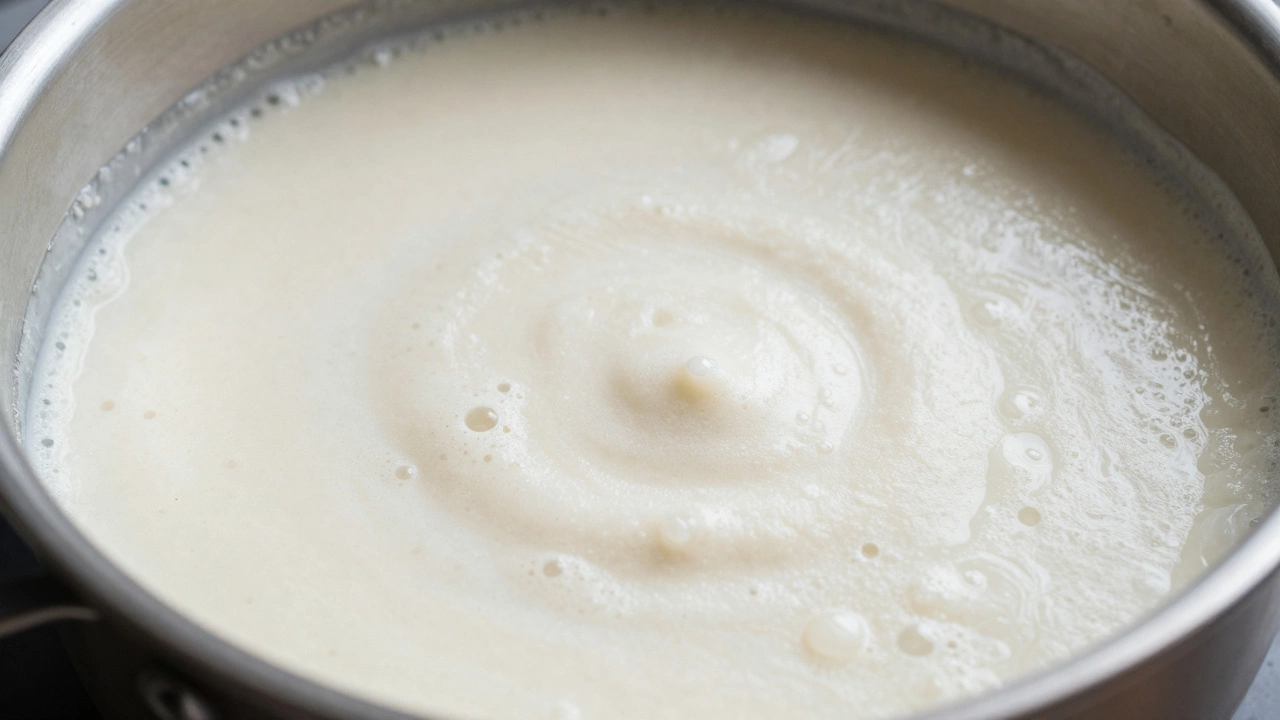
Dosa Batter Fermentation Estimator
Estimated Timing
Moderate Climate
Quick Summary: The Fermentation Cheat Sheet
- Warm Climates (25°C+ / 77°F+): 6 to 10 hours.
- Cool Climates (15°C to 20°C / 60°F to 68°F): 12 to 24 hours.
- The "Perfect" Look: Batter should double in volume and have a bubbly, frothy surface.
- The Smell Test: It should smell mildly tangy, not pungent or acidic.
The Magic Window: How Many Hours Exactly?
For most people, the goal is a balance between a light fluffiness and a mild acidity. In a typical room-temperature environment, 8 to 12 hours is the gold standard. If you're prepping your dosa batter recipe on a Sunday night, leaving it on the counter until Monday morning usually hits the mark. But here is the thing: hours are just a guideline. Bacteria don't follow a clock; they follow the temperature. In the heat of a Chennai summer, your batter might be ready in 6 hours. In a chilly Birmingham winter, it could take 20 hours or more. The key is watching the physical changes. When the batter has grown significantly in the pot and you see tiny bubbles popping on the surface, the fermentation is complete.Why Timing Changes the Taste and Texture
If you stop the process too early, the Lactobacillus bacteria haven't produced enough lactic acid. This results in a "bready" dosa that lacks that signature zip. More importantly, the carbon dioxide hasn't built up enough to create the air pockets that make a dosa crispy. You'll end up with something more like a thick pancake than a thin, lacy crepe. On the flip side, over-fermentation is a common mistake. When you leave batter for 24+ hours in a warm room, the bacteria overproduce acid. This makes the batter too sour. While some people enjoy a very tangy dosa, too much acid actually breaks down the starch structure. This means your dosas won't hold their shape and will stick to the tawa, no matter how much oil you use.| Duration | Texture | Taste | Verdict |
|---|---|---|---|
| Under 6 Hours | Dense, heavy | Bland/Floury | Under-fermented |
| 8-12 Hours | Light, airy, crispy | Mildly tangy | Ideal |
| 18-24 Hours | Very porous, thin | Strongly sour | Borderline |
| Over 24 Hours | Sticky, collapses | Acidic/Vinegary | Over-fermented |
The Role of Ingredients in Fermentation Speed
Not all batters are created equal. The ratio of rice to lentils heavily influences how fast things move. Urad Dal (split black gram) is the engine of the fermentation process. It contains the proteins and natural sugars that the bacteria feed on. If you increase the proportion of dal, your batter will generally ferment faster and feel fluffier. Then there is the type of rice. Using Parboiled Rice often takes slightly longer to ferment than raw rice because the starch has been modified. Adding a teaspoon of Fenugreek Seeds (methi) isn't just for flavor; it actually helps the fermentation process and improves the golden-brown color of the final product.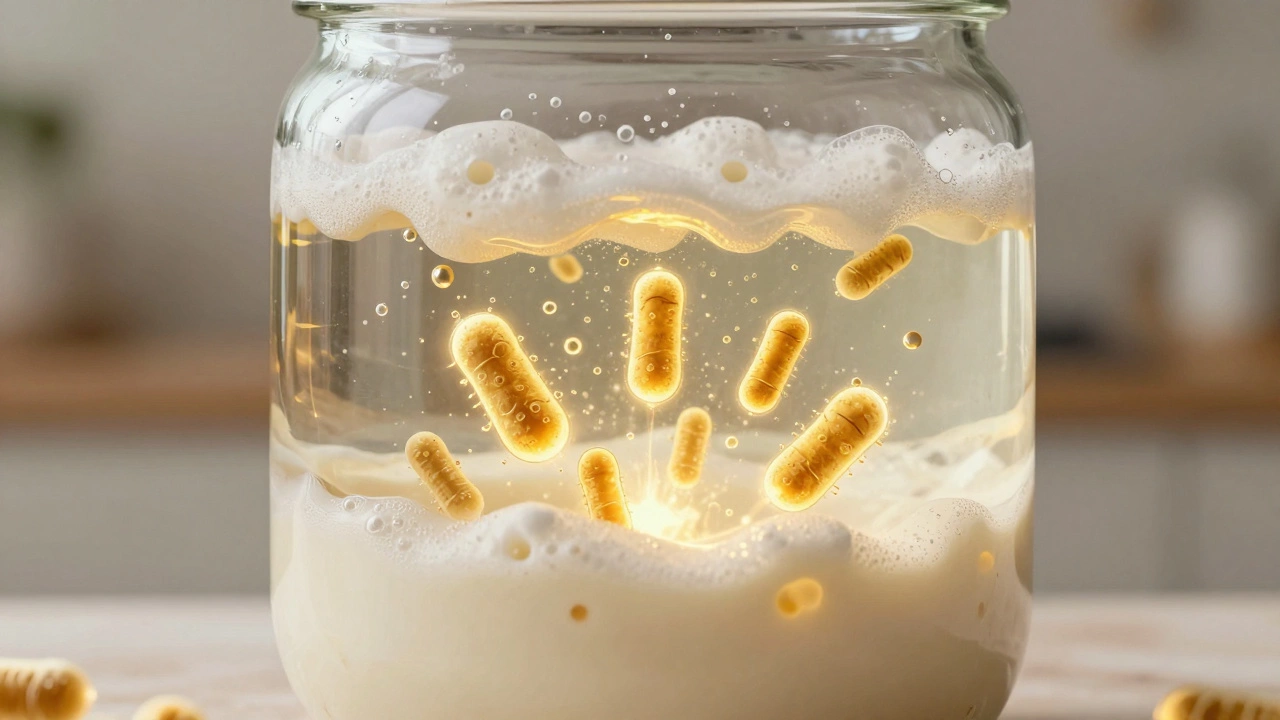
Pro Tips for Cold Weather Fermentation
If you live in a place where the heater is always on but the air is dry, or if it's just plain cold outside, your batter might refuse to rise. This is a common frustration for anyone making South Indian food in Europe or North America. Bacteria need warmth to activate. Try these hacks to speed things up:- The Oven Trick: Turn your oven on for exactly 30 seconds, turn it off, and place your batter container inside (closed). The residual warmth creates a perfect incubator.
- The Microwave Method: Put a cup of water in the microwave and heat it for 2 minutes. Place your batter bowl inside the microwave (without turning it on). The trapped steam and warmth kickstart the yeast.
- The Cloth Wrap: Wrap your bowl in a thick kitchen towel and place it inside a cupboard or a drawer. This insulates the batter and keeps the internal heat generated by the bacteria from escaping.
How to Tell When it's Exactly Ready
Stop guessing and start looking for these three signs. First, look at the volume. Your batter should have increased by at least 50% to 100%. If it hasn't risen, it's not ready. Second, check the bubbles. You should see a foam-like layer on top. If you stir it and the bubbles don't immediately disappear, you have a good structure. Third, the smell. Give it a sniff. It should smell like a fresh sourdough starter-clean, tangy, and appetizing. If it smells like alcohol or old gym socks, you've gone too far.
What to Do with Over-Fermented Batter?
We've all been there-you forgot the batter in the fridge or left it out too long. If your batter is too sour, don't throw it away. You can fix it by adding a bit of fresh, unfermented batter (just a mix of rice and dal flour and water) or a small amount of fresh yogurt to balance the pH. If it's truly gone past the point of no return for a crispy dosa, use it to make Uttapam. Because uttapams are thicker and often include vegetables like onions and chilies, the extra sourness is masked and actually adds a depth of flavor that works well with the toppings.Can I ferment dosa batter in the refrigerator?
You can, but it will take significantly longer. The cold temperature slows down the Lactic Acid Bacteria. If you put raw batter in the fridge, it might take 2 to 3 days to ferment. The best method is to let it ferment on the counter for 6-8 hours first, then move it to the fridge to slow down the process and keep it fresh for a week.
Why is my batter not fermenting after 12 hours?
The most common reason is the temperature. If your kitchen is below 20°C, the bacteria are dormant. Other reasons include using chlorinated water (which can kill the wild yeast) or not adding enough salt. Salt actually helps control the fermentation and supports the right kind of bacteria growth.
Does adding sugar help the fermentation?
Yes, a pinch of sugar can act as "food" for the yeast and bacteria, speeding up the process. This is a great trick in cold winters. However, don't add too much, or your dosas will burn quickly on the tawa due to the sugar caramelizing.
Is it safe to eat batter that has fermented for 48 hours?
If it was kept at room temperature for 48 hours, it's risky. Check for any off-colors (like pink or black mold) or a putrid smell. If it just smells very sour but looks normal, it's likely safe but will taste very acidic. If it was in the fridge for 48 hours, it is perfectly safe.
How do I stop the fermentation process?
The only way to stop or drastically slow down the fermentation is to lower the temperature. Moving the batter to the refrigerator (around 4°C) puts the bacteria into a state of hibernation. When you're ready to cook, take out only the amount you need and let it warm up slightly for 15 minutes before pouring.