Regional Meat Availability Checker
Where are you traveling in India?
Recommended Meats
Restricted Meats
When you think of Indian food, you probably picture vibrant curries, fluffy naan, and rich spices. But there is a deeper layer to the cuisine that often surprises visitors. The question of what meat isn't eaten in India is not just about taste; it is deeply woven into religion, history, and regional identity. You might walk into a restaurant in Delhi and find beef strictly off the menu, yet order it without a second thought in Kerala. Understanding these rules is essential for anyone planning to travel, cook, or simply appreciate the diversity of the subcontinent.
The landscape of meat consumption here is complex. It is not a simple yes or no. It depends on where you stand on the map and who you ask. Some communities avoid all animal products, while others are strictly non-vegetarian but have specific taboos. Let's break down the specifics so you know exactly what to expect when navigating Indian kitchens and dining tables.
The Sacred Cow and the Beef Ban
The most prominent restriction involves Beef, which is meat derived from cattle. In many parts of the country, beef is not just a dietary choice; it is a religious and legal matter. Cow protection is a significant cultural value for many Hindus. The cow is revered as a mother figure, symbolizing non-violence and sustenance.
This reverence translates into strict bans in several states. Laws exist in places like Gujarat, Maharashtra, and Uttar Pradesh that prohibit the slaughter of cows. Consequently, you will rarely find beef on the menu in these regions. Restaurants that serve it risk legal trouble and social backlash. However, this is not a uniform rule across the entire nation. In states like Kerala, West Bengal, and Goa, beef consumption is more common and accepted. Kerala, in particular, is known for its beef fry and beef curry dishes, which are staples in local households.
For travelers, this means you need to be aware of your location. If you are in North India, asking for beef might cause confusion or offense. In the South, specifically in coastal areas, it is treated like any other protein. The distinction highlights how regional culture overrides national generalizations. Even within Hinduism, practices vary. Some devout followers avoid beef entirely, while others in certain communities consume it without issue.
Pork and Religious Perspectives
While beef is the most discussed restriction, pork carries its own set of rules. Pork is meat from domestic pigs. For Muslims, who make up a significant portion of the population, pork is strictly forbidden under Islamic law, known as Halal. You will not find pork in restaurants that serve Halal meat, which is a large segment of the food industry.
However, the story changes in the Northeast. States like Nagaland, Mizoram, and Meghalaya have a high percentage of Christian populations. In these regions, pork is a culinary staple. You will find smoked pork, pork sausages, and pork curry served with rice. It is a central part of their identity and festivals. Similarly, among some tribal communities in central India, pork is consumed regularly.
So, is pork eaten in India? Yes, but it is geographically and religiously segmented. If you are in Mumbai or Delhi, finding pork can be challenging. You might need to look for specific Christian bakeries or restaurants in the Northeast. In contrast, in Shillong or Imphal, it is as common as chicken. This segmentation ensures that dietary laws are respected while allowing for regional culinary freedom.
Jainism and the Strict Vegetarian Standard
When discussing meat restrictions, you cannot ignore Jainism. This ancient religion promotes Jainism, a philosophy of non-violence towards all living beings. Jain followers adhere to a strict vegetarian diet, but it goes beyond just avoiding meat. Jain diet excludes root vegetables like onions, garlic, potatoes, and carrots because harvesting them kills the plant.
Jains also avoid eggs, honey, and sometimes even fruits that have been cut. This level of restriction influences the broader vegetarian market. Many restaurants in cities like Mumbai and Ahmedabad offer "Jain food" options specifically to cater to this community. If you see a sign saying "Jain Food Available," it means the kitchen is extra careful about cross-contamination and ingredient sourcing.
This practice has pushed the concept of Satvik Diet, which is a pure diet free of onions, garlic, and meat. Satvik food is often served in temples and is believed to promote mental clarity and spiritual growth. While not all vegetarians follow Satvik rules, the influence is visible in the abundance of onion-free curries and dishes available across the country.
Regional Variations in Meat Consumption
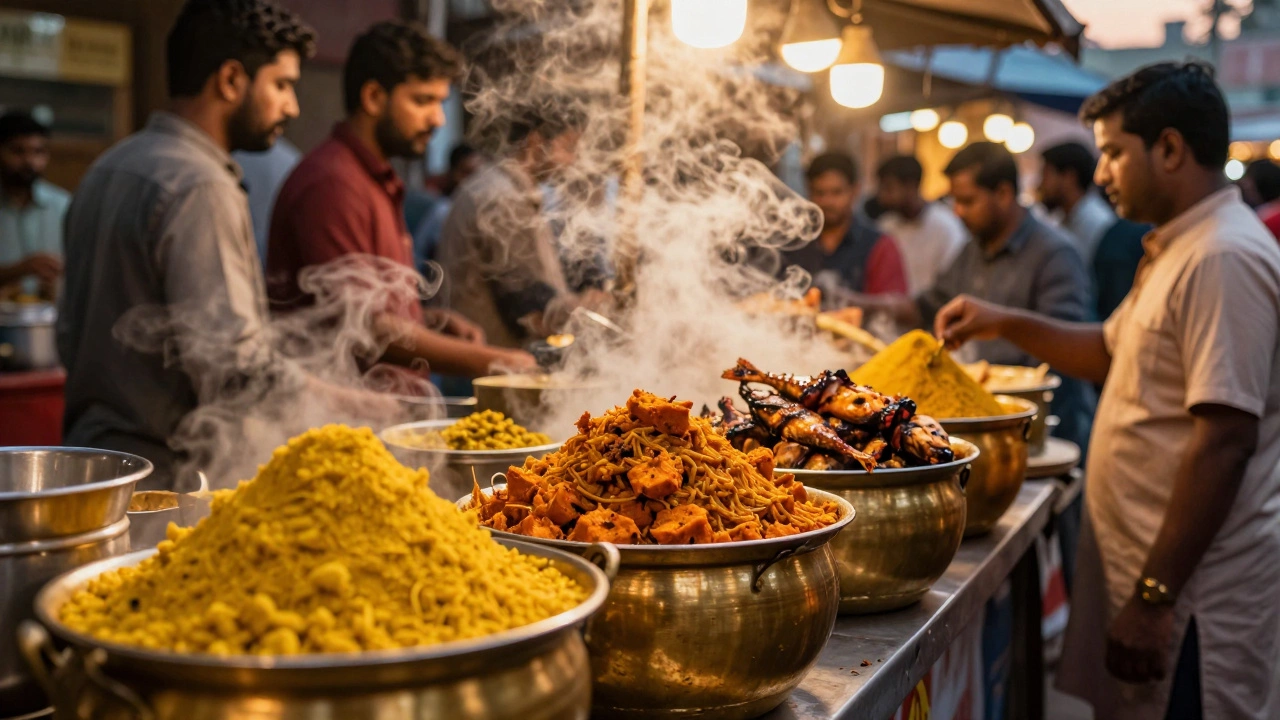
India is vast, and eating habits shift dramatically as you move from one state to another. In the North, particularly in Punjab and Rajasthan, mutton (goat meat) and chicken are king. You will find rich gravies and tandoori dishes featuring these meats. Beef is generally absent, and pork is rare.
Move to the East, to West Bengal and Odisha, and fish becomes the primary protein. The river systems and proximity to the Bay of Bengal make fish a daily staple. Here, meat restrictions are less about religion and more about availability and tradition. However, beef is still sensitive due to the Hindu majority.
In the South, the picture is mixed. Tamil Nadu has a large vegetarian population, but non-vegetarian options are plentiful. Kerala stands out as a hub for seafood and beef. Andhra Pradesh and Telangana are famous for spicy mutton and chicken dishes. The key takeaway is that you cannot generalize. A dish considered taboo in one state might be a delicacy in another.
| Region | Commonly Eaten | Restricted/Taboo |
|---|---|---|
| North India | Mutton, Chicken | Beef, Pork |
| South India (Kerala) | Beef, Fish, Chicken | None specific |
| West Bengal | Fish, Chicken, Mutton | Beef (often) |
| Northeast India | Pork, Chicken, Fish | Beef (varies) |
| Western India (Gujarat) | Vegetarian, Chicken | Beef, Pork |
Chicken and Fish: The Safe Bets
If you are unsure about what to order, chicken and fish are generally the safest options. Chicken is widely accepted across all religions and regions. It is considered neutral in terms of religious taboos. You will find chicken curry, chicken tikka, and chicken biryani in almost every city.
Fish is also widely consumed, especially in coastal states. However, inland areas might have less variety. Freshwater fish like Rohu and Catla are popular in the North and East. Saltwater fish like Pomfret and Seer are common in the South and West. Both chicken and fish fit into the Halal category when prepared correctly, making them accessible to Muslim communities as well.
Mutton, which is actually goat meat, is another popular choice. It is often preferred during festivals and special occasions. Lamb is less common due to cost and availability. The distinction between mutton and lamb is important here; in India, mutton usually refers to mature goat meat, which has a stronger flavor. This is a staple in festive meals and wedding feasts.

Vegetarianism and the Rise of Plant-Based Options
India has one of the highest rates of vegetarianism in the world. Estimates suggest that around 30% to 40% of the population does not eat meat. This is driven by religious beliefs, cultural traditions, and increasingly, health consciousness. The Vegetarian Indian Dishes category is a vast culinary field encompassing lentils, vegetables, and dairy. Indian Vegetarian Cuisine includes dishes like Dal, Aloo Gobi, and Paneer Tikka.
Paneer, a fresh cottage cheese, is a protein powerhouse for vegetarians. It is used in curries, grills, and sweets. Lentils, or Dal, are the backbone of many meals, providing essential nutrients without animal products. This vegetarian infrastructure supports those who avoid meat for ethical or religious reasons.
Recently, the trend of veganism is growing. Younger generations are exploring plant-based alternatives to dairy and eggs. This shift is influencing restaurants to offer more vegan-friendly options. You might find oat milk lattes in cafes or tofu versions of traditional curries. The market is adapting to these changing dietary preferences while respecting the traditional vegetarian base.
Dining Tips for Travelers and Guests
Visiting India can be a culinary adventure, but it requires some preparation. First, always check if a restaurant is vegetarian or non-vegetarian. Many places have separate kitchens to prevent cross-contamination. This is crucial for vegetarians and those with religious restrictions.
Second, ask about the meat source. If you are eating chicken or mutton, you can ask if it is Halal. In many cities, restaurants display this information clearly. Third, be respectful of local customs. If you are in a region where beef is banned, do not bring beef products with you. This can lead to legal issues and social friction.
Finally, learn a few key phrases. Knowing how to ask "Is this vegetarian?" in Hindi or the local language can save you from accidental mistakes. Most locals appreciate the effort to understand their culture. It opens up conversations and leads to better dining experiences. Respect goes a long way in building trust and enjoying the food fully.
Understanding the Cultural Context
Food in India is more than fuel; it is an expression of identity. The restrictions on meat are not arbitrary rules but are tied to centuries of tradition. They reflect a deep respect for life and nature. For Hindus, the cow is a symbol of life. For Muslims, Halal represents purity. For Jains, non-violence is the highest virtue.
These beliefs shape the marketplace. You will see separate sections in supermarkets for vegetarian and non-vegetarian products. Restaurants often have colored labels on their doors to indicate what they serve. Green usually means vegetarian, while red means non-vegetarian. This system helps customers make informed choices quickly.
As you explore the cuisine, remember that these rules are living traditions. They evolve with time but remain rooted in faith. Understanding them enriches your appreciation of the food. It transforms a meal from a simple transaction into a cultural exchange. You are not just eating; you are participating in a story that has been told for generations.
Can I eat beef in India?
Beef consumption is restricted in many states due to religious and legal reasons. It is banned in places like Gujarat and Maharashtra but allowed in states like Kerala and West Bengal. Always check local laws and restaurant menus before ordering.
Is pork available in Indian restaurants?
Pork is not widely available in most of India due to Islamic dietary laws. However, it is common in the Northeast states like Nagaland and Mizoram, and in Christian communities. You may find it in specific bakeries or regional restaurants.
What is the most common meat eaten in India?
Chicken is the most widely consumed meat across India. It is accepted by most religious groups and is available in almost every region. Mutton (goat meat) is also very popular, especially for festive occasions.
Why do some Indians avoid root vegetables?
Jains and some Hindus avoid root vegetables like onions and potatoes because harvesting them kills the plant. This is part of the Satvik or Jain diet, which emphasizes non-violence towards all living beings.
Is fish considered vegetarian in India?
No, fish is not considered vegetarian. It is classified as non-vegetarian food. In restaurants, fish dishes are marked with a red dot, while vegetarian dishes have a green dot.