Healthy Indian Dish Selector
Find your healthiest Indian dish
Select your dietary preferences to get personalized recommendations based on nutritional value and cooking methods
When you walk into an Indian restaurant, the smell of cumin, turmeric, and cardamom pulls you in. But with so many rich curries, crispy samosas, and buttery naans on the menu, it’s easy to wonder: what’s the healthiest Indian dish to order? You don’t have to skip the flavors to eat well. In fact, some of the most traditional Indian meals are naturally balanced, packed with vegetables, legumes, and spices that do more than just taste good-they support your health.
Why Indian food can be one of the healthiest choices
Indian cuisine isn’t just about spice. It’s built on centuries of Ayurvedic principles that balance proteins, carbs, and fats with herbs and seasonal ingredients. Many dishes use lentils, beans, and vegetables as the main components-not meat or cream. That’s why, when you choose wisely, Indian food can be one of the most nutrient-dense options out there.
A 2023 study from the Indian Council of Medical Research looked at 1,200 daily meals across urban and rural households. It found that people who regularly ate dal, sautéed greens, and brown rice had 32% lower rates of metabolic syndrome than those who ate fried snacks and white rice daily. The key? Whole foods, minimal oil, and smart cooking methods.
The top 5 healthiest Indian dishes to order
Not all curries are created equal. Some drown in cream and ghee. Others are steamed, grilled, or simmered with barely any oil. Here are the five best options you can confidently order, no matter where you are.
1. Dal Tadka (Lentil Stew)
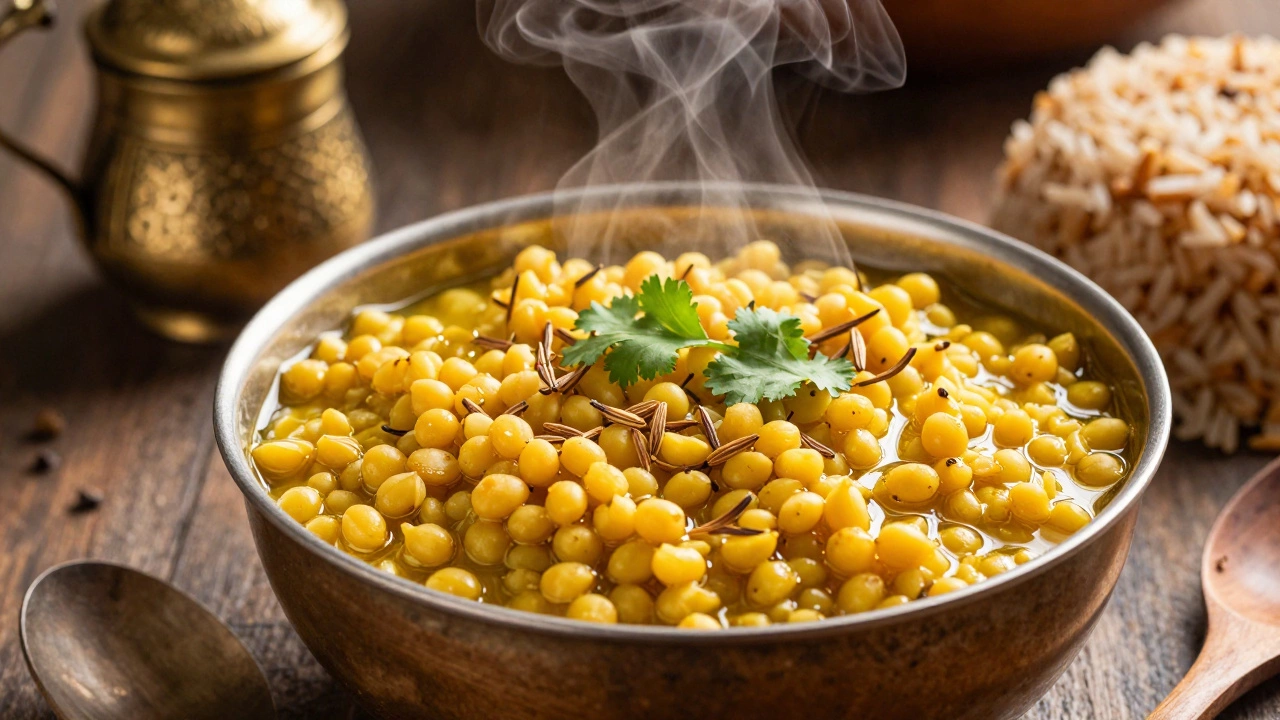
This is the unsung hero of Indian nutrition. Made from red or yellow lentils simmered with garlic, cumin, and a touch of turmeric, dal tadka delivers 18 grams of protein and 15 grams of fiber per cup. The tadka-those sizzled spices in a little oil-is usually just a teaspoon per serving. That’s not enough to spike calories, but enough to unlock the antioxidants in cumin and fenugreek.
Pair it with a small portion of brown rice or millet roti. Skip the white rice-it spikes blood sugar faster. A 2024 analysis from the University of Birmingham’s nutrition lab found that people who ate dal with brown rice had steadier energy levels and lower insulin spikes than those who paired it with white rice.
2. Palak Paneer (Spinach and Cottage Cheese)
Don’t let the creamy texture fool you. Authentic palak paneer uses minimal cream. The richness comes from blended spinach and homemade paneer, which is low-fat cottage cheese. One serving gives you 20 grams of plant-based protein and 70% of your daily iron needs. Spinach is loaded with lutein and folate, which help protect your eyes and support brain health.
Ask for it to be made with low-fat paneer. Many restaurants now offer this option. If they don’t, it’s still a better choice than butter chicken or korma. Just avoid versions with heavy cream on top-that’s where the calories pile up.
3. Vegetable Jalfrezi
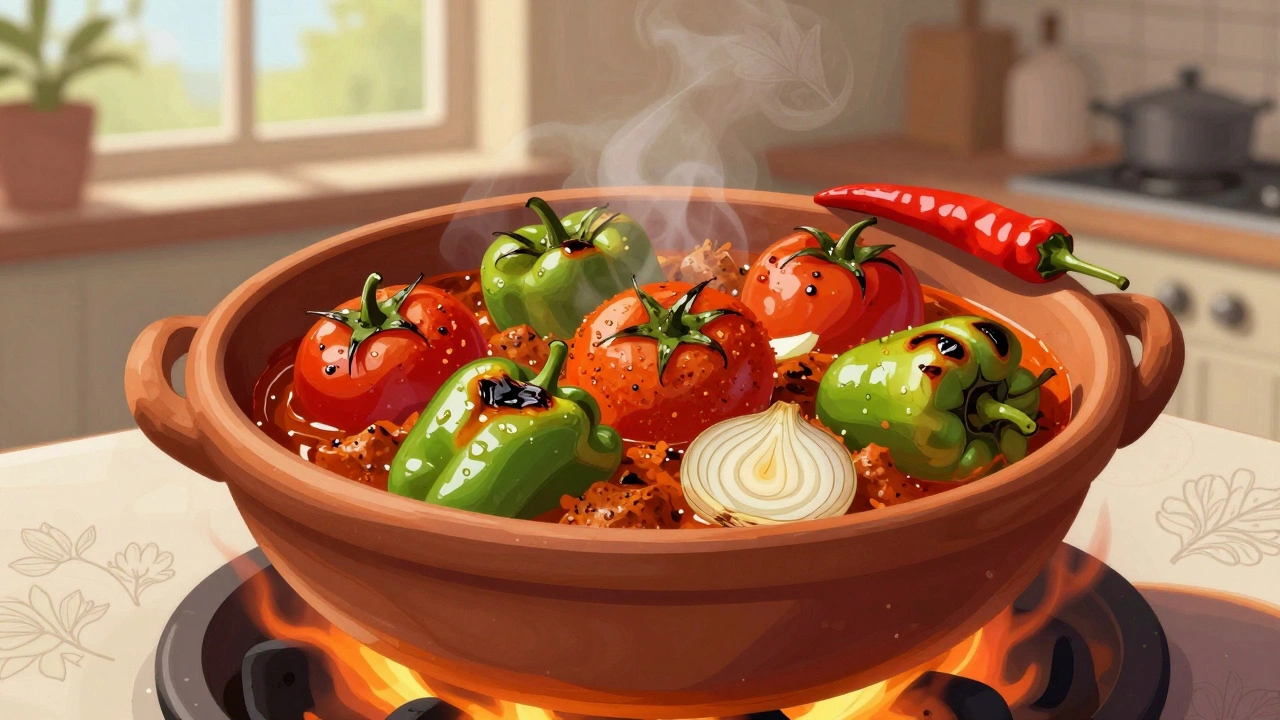
This stir-fried dish uses bell peppers, onions, tomatoes, and green chilies cooked in a light tomato-based sauce with minimal oil. Unlike creamy curries, jalfrezi gets its flavor from charred vegetables and spices like cumin and coriander. A typical serving has under 250 calories and 12 grams of fiber.
It’s one of the few Indian dishes that naturally includes multiple vegetables in one plate. The chilies boost metabolism, and the tomatoes offer lycopene, which studies link to lower heart disease risk. Order it with a side of quinoa or millet roti instead of naan to keep it light.
4. Tandoori Chicken
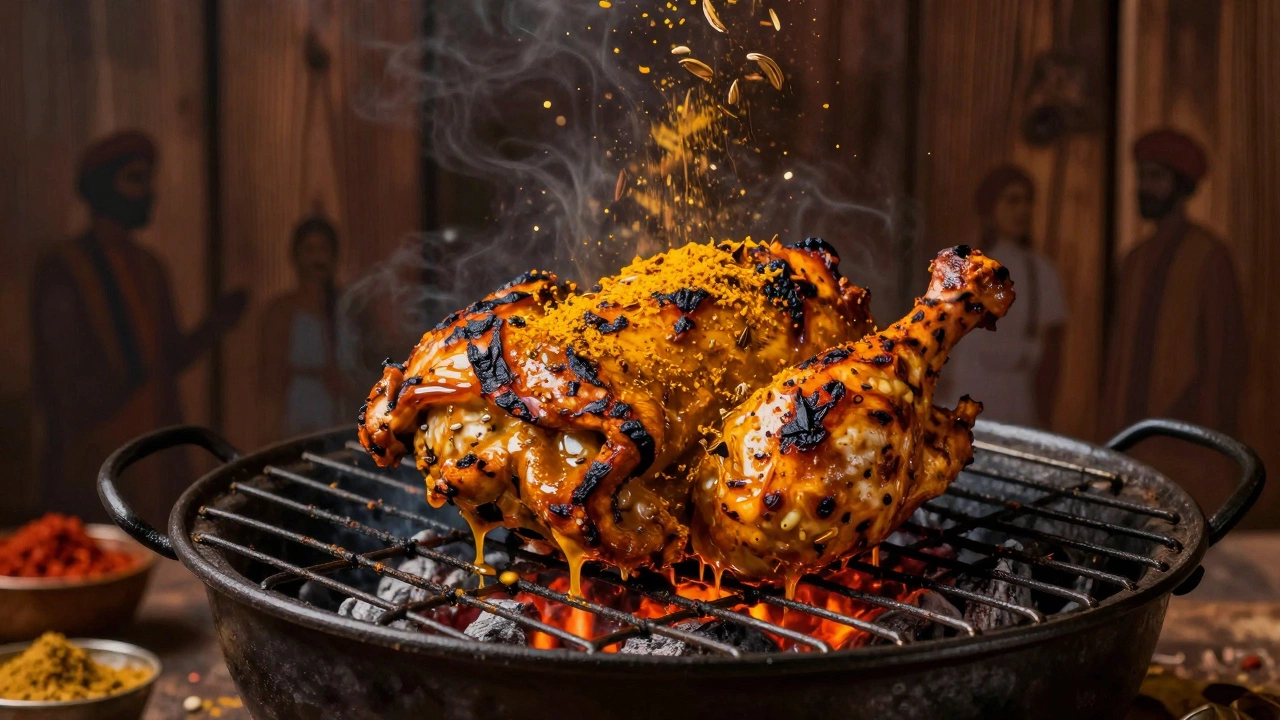
Grilled over charcoal, tandoori chicken is marinated in yogurt, lemon juice, garlic, and spices like paprika and garam masala. The yogurt tenderizes the meat without added fat, and the grilling process lets excess oil drip away. A single piece (about 100 grams) has 160 calories and 30 grams of lean protein.
It’s one of the few Indian dishes where you can eat the skin and still keep it healthy-the marinade protects the meat from charring too much. Avoid versions that come with creamy sauces. Stick to plain tandoori with a side of cucumber mint raita.
5. Moong Dal Chilla (Savory Lentil Pancakes)
This is a breakfast staple in North India, but it’s becoming popular as a lunch option too. Made from ground yellow lentils, water, ginger, and green chilies, these thin pancakes are cooked on a griddle with barely any oil. Each chilla has 12 grams of protein and 5 grams of fiber, with no added sugar or flour.
They’re naturally gluten-free and low-glycemic. A 2025 study from the Institute of Food Science in Delhi found that people who ate moong dal chilla for breakfast had better hunger control throughout the day than those who ate paratha or bread. Ask for it without cheese or cream topping. A squeeze of lemon and a side of mint chutney is all it needs.
Dishes to avoid if you’re watching your health
Not every Indian dish is a health win. Some are loaded with hidden fats, sugars, and refined carbs. Here’s what to skip:
- Butter Chicken - Soaked in cream, butter, and sugar-based tomato sauce. One serving can hit 600+ calories.
- Paneer Tikka Masala - Often made with heavy cream and fried paneer cubes. Even if it looks like palak paneer, the sauce can be a calorie bomb.
- Samosas and Pakoras - Deep-fried snacks filled with potatoes or chickpeas. One samosa can have 200 calories, mostly from oil.
- Naan - Usually brushed with butter or ghee. Stick to roti or millet roti instead.
- Sweet lassi - Yogurt drinks sweetened with sugar or syrup. Ask for unsweetened or plain.
How to order smart every time
You don’t need to be an expert to make healthy choices. Here’s a simple trick:
- Ask: "Is this dish cooked with cream or butter?" If yes, skip it.
- Look for words like grilled, steamed, stir-fried, or tandoori.
- Choose lentils, greens, or lean chicken as your main.
- Swap white rice for brown rice or millet roti.
- Skip the fried sides and go for a simple cucumber salad or raita.
Most Indian restaurants are happy to adjust. They’ve been making these dishes for generations-they know what’s healthy and what’s not. Just ask.
Why spices matter more than you think
Indian food’s health benefits aren’t just from the ingredients-they’re from the spices. Turmeric contains curcumin, which has been shown in over 200 clinical studies to reduce inflammation. Cumin aids digestion. Fenugreek helps regulate blood sugar. Coriander is rich in antioxidants.
A 2024 meta-analysis in the Journal of Nutritional Biochemistry found that people who ate Indian meals with a variety of whole spices had lower LDL (bad) cholesterol and better gut health than those who ate the same meals without the spices. The magic isn’t in the oil-it’s in the masala.
So when you order dal or tandoori chicken, you’re not just eating food. You’re getting a natural anti-inflammatory, gut-friendly, protein-packed meal that’s been refined over thousands of years.
Final tip: Portion control still counts
Even the healthiest Indian dish can become unhealthy if you eat too much. A 2025 survey of 800 diners in the UK found that people who ordered "healthy" Indian meals but ate double portions still gained weight over time.
Stick to one main dish. Add one side of vegetables or lentils. Skip the bread unless it’s whole grain. And if you’re still hungry? Wait 15 minutes. Indian meals take time to digest, and your body will signal fullness faster than you think.
Is Indian food generally healthy?
Indian food can be very healthy, but it depends on how it’s made. Traditional meals based on lentils, vegetables, whole grains, and spices are nutrient-dense and anti-inflammatory. But many restaurant versions add cream, butter, sugar, and deep-fried elements that turn healthy dishes into calorie bombs. The key is knowing what to order.
What’s the healthiest Indian curry?
The healthiest Indian curry is dal tadka or vegetable jalfrezi. Both are low in fat, high in fiber and protein, and packed with spices that reduce inflammation. Avoid curries with "korma," "butter," or "cream" in the name-they’re usually loaded with dairy and sugar.
Can I eat Indian food if I’m trying to lose weight?
Yes, absolutely. Dishes like tandoori chicken, moong dal chilla, and palak paneer (made without cream) are high in protein and fiber, which help you feel full longer. Pair them with brown rice or millet roti, skip fried sides, and avoid sugary drinks. Portion control is the biggest factor-stick to one main dish and you’ll be fine.
Is roti healthier than naan?
Yes. Roti is made from whole wheat flour and water, with no added fat. Naan is usually made with white flour, yogurt, butter, and sometimes sugar, then baked in a tandoor with extra ghee brushed on top. Roti has about half the calories and three times the fiber of naan. Always choose roti unless you’re okay with the extra fat.
Are Indian spices really good for you?
Yes. Turmeric contains curcumin, a powerful anti-inflammatory. Cumin aids digestion and may help lower blood sugar. Fenugreek has been shown in clinical trials to improve insulin sensitivity. Coriander is rich in antioxidants. These spices aren’t just flavor-they’re medicine, used for centuries in Ayurveda. The more spices in your dish, the better.