Indian Food Glycemic Calculator
How to Use
Select a dish from the article and your portion size. The calculator shows the estimated glycemic load and whether it's safe for diabetics.
Select dish and portion to see results
If you have diabetes, eating Indian food doesn’t mean giving up flavor or tradition. Many classic Indian dishes are naturally low in sugar and high in fiber, protein, and healthy fats-just as long as you know what to choose and what to skip. The key isn’t avoiding Indian cuisine altogether; it’s making smart swaps and focusing on ingredients that keep blood sugar steady.
Why Some Indian Food Raises Blood Sugar
Not all Indian food is bad for diabetics, but some popular versions are loaded with hidden sugars and refined carbs. Take naan: most restaurant versions are made with white flour, ghee, and sometimes a touch of sugar to help browning. Same with samosas-fried in oil, stuffed with mashed potatoes and peas, and often served with sweet chutney. Even rice, especially white basmati, can spike glucose if eaten in large portions without fiber or protein to slow absorption.
Many home cooks also add sugar to curries for balance-just a teaspoon here or there-and that adds up. A 2023 study from the Indian Council of Medical Research found that nearly 60% of home-cooked North Indian meals contained added sugar, often disguised as "balancing flavor."
The Best Indian Dishes for Diabetics
Here’s what actually works:
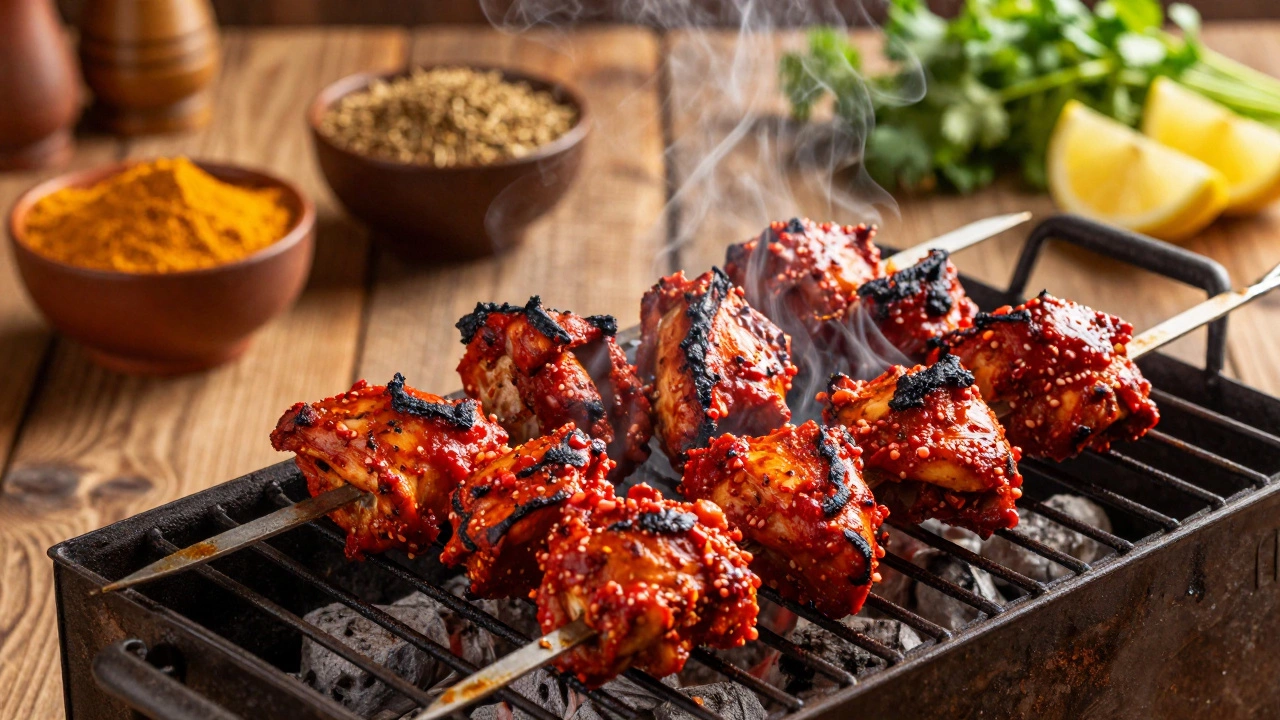
- Tandoori chicken-marinated in yogurt, lemon, garlic, and spices like turmeric and cumin, then grilled. No sugar in the marinade, no frying, and the protein helps stabilize blood sugar. Skip the sauce on the side unless it’s plain yogurt-based.
- Chana masala-chickpeas cooked with tomatoes, onions, and spices. Chickpeas are packed with fiber and have a low glycemic index. One cup has 12 grams of fiber and only 4 grams of natural sugar.
- Palak paneer (with whole milk paneer)-spinach and cottage cheese. Spinach is low-carb and rich in magnesium, which helps insulin function. Choose paneer made from full-fat milk; low-fat versions often have added starches.
- Moong dal khichdi-a simple one-pot dish of mung beans and brown rice (or just mung beans if you’re cutting carbs). It’s easy to digest and has a slow-release carb profile.
- Grilled fish tikka-similar to tandoori chicken but with salmon or pomfret. Omega-3s reduce inflammation, which is key for managing insulin resistance.
- Vegetable curry with lentils-use cauliflower, eggplant, green beans, and lentils. Skip the coconut milk or use light coconut milk sparingly.
Tandoori Chicken: The Diabetes-Friendly Star
Tandoori chicken is one of the most reliable choices for diabetics. The marinade-yogurt, lemon juice, ginger-garlic paste, paprika, cumin, coriander, and turmeric-is naturally low in carbs and sugar. The yogurt provides probiotics and protein, while the spices like turmeric have anti-inflammatory properties that help with insulin sensitivity.
What to avoid: pre-made tandoori mixes from the store. Many contain added sugar or maltodextrin. Always make your own. A simple homemade version uses:
- 500g bone-in chicken thighs (skin removed)
- 1 cup plain full-fat yogurt
- 1 tbsp lemon juice
- 1 tsp each: ground cumin, coriander, turmeric, paprika
- 1 tbsp grated ginger and 2 minced garlic cloves
- 1/2 tsp black pepper
- Salt to taste
Marinate for at least 4 hours, then grill or bake at 200°C for 25-30 minutes. No oil needed. One serving (about 150g) has 220 calories, 3g carbs, 0g sugar, and 32g protein. That’s a win for blood sugar control.
What to Avoid Completely
Some dishes, even if they sound healthy, are traps:
- White rice-even basmati spikes glucose quickly. Swap for brown rice, quinoa, or cauliflower rice.
- Poori and bhatura-deep-fried and made with refined flour. They’re pure carbs with no fiber.
- Sweet lassi-yogurt drinks with sugar or condensed milk. Try unsweetened buttermilk with a pinch of cumin instead.
- Halwa-whether made from carrots, semolina, or pumpkin, it’s sugar and ghee in a bowl.
- Chutneys with added sugar-mint, tamarind, and date chutneys often contain sugar. Make your own with vinegar, fresh herbs, and a touch of stevia if needed.
Portion Control and Pairing
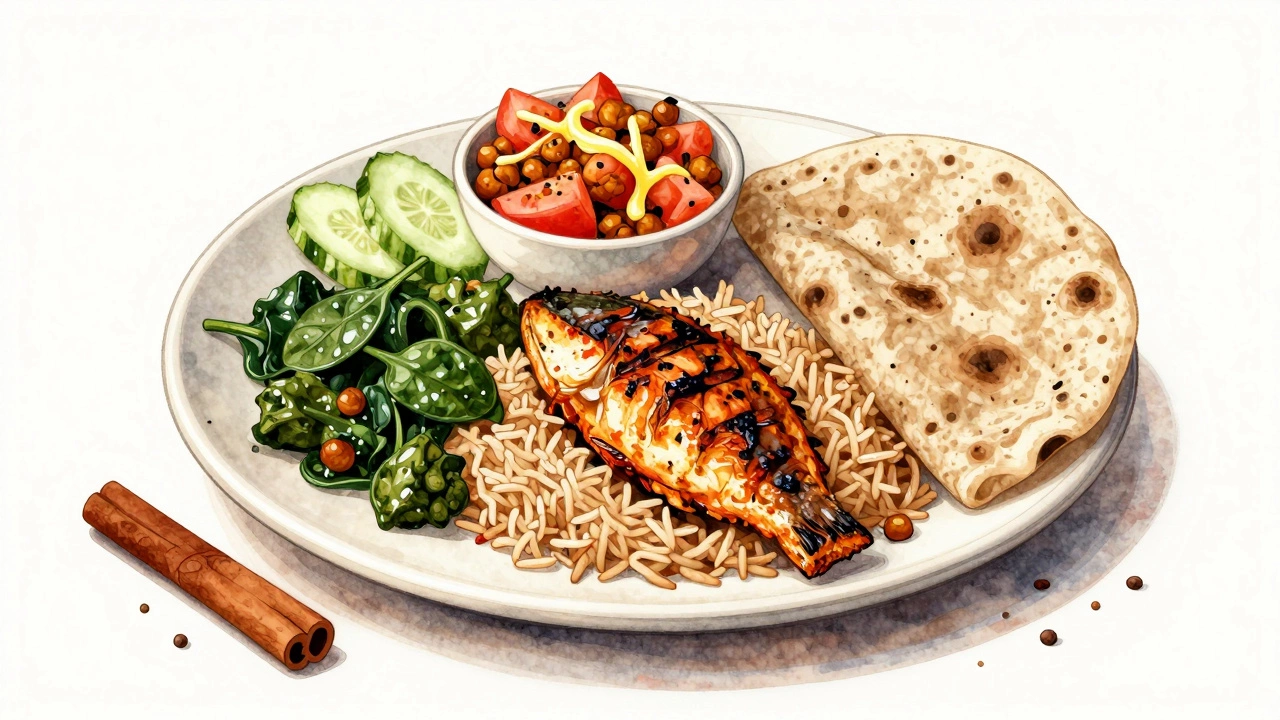
Even healthy Indian food can raise blood sugar if portions are too big. A serving of tandoori chicken should be about the size of your palm. Pair it with:
- Half a cup of dal or lentils
- One cup of steamed or roasted vegetables
- A small side of cucumber and onion salad with lemon
- One small whole wheat roti (no ghee)
Studies show that eating protein and fiber before carbs helps blunt glucose spikes. So start your meal with the chicken and vegetables, then have your roti last.
Spices That Help, Not Hurt
Indian spices aren’t just for flavor-they’re medicine in a pinch.
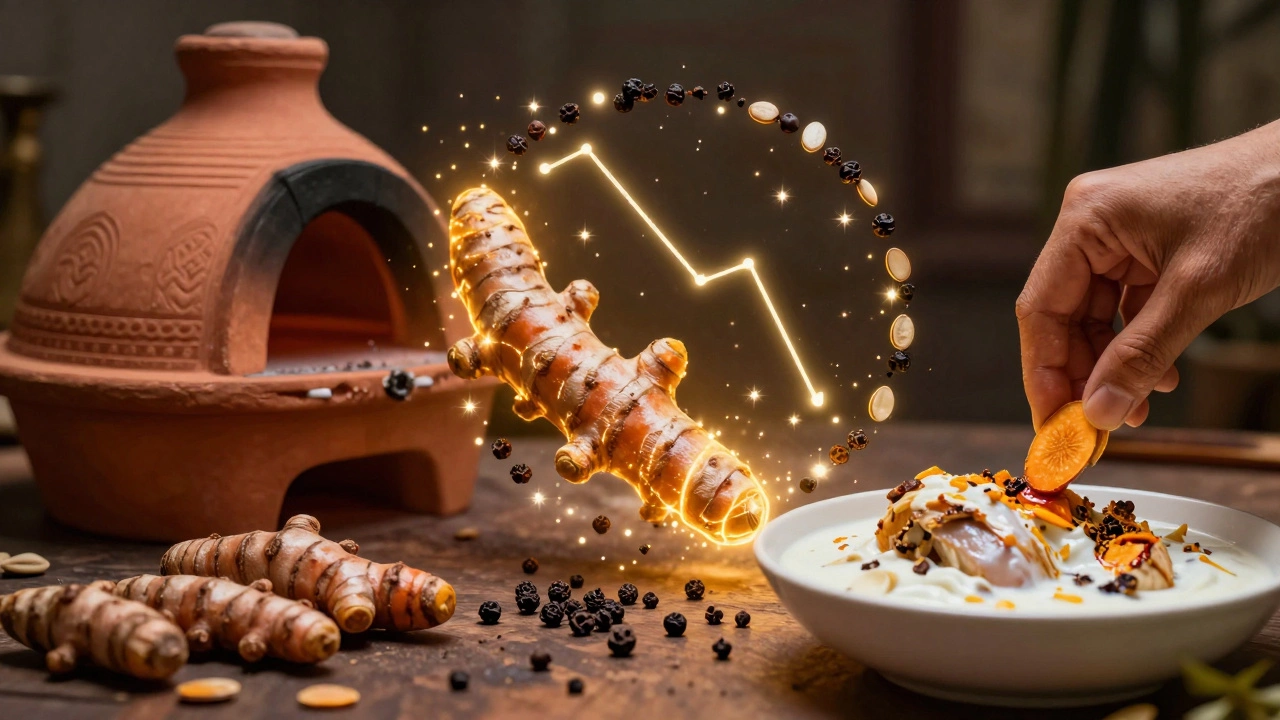
- Turmeric-curcumin improves insulin sensitivity. One teaspoon daily has been shown to lower fasting glucose in prediabetics.
- Cinnamon-adds sweetness without sugar. Studies show it can reduce post-meal glucose by up to 29%.
- Fenugreek seeds-soak 1 tsp overnight and eat with water in the morning. Shown in trials to reduce fasting blood sugar by 10-15%.
- Black pepper-boosts absorption of turmeric. Always pair the two.
These aren’t just traditional remedies-they’re backed by clinical trials from institutions like the All India Institute of Medical Sciences.
Real-Life Example: A Diabetic-Friendly Indian Meal Plan
Here’s what a day looks like for someone managing diabetes with Indian food:
- Breakfast: Moong dal cheela (mung bean pancakes) with mint chutney (no sugar)
- Lunch: Tandoori chicken, half a cup of brown rice, sautéed spinach with garlic
- Snack: Roasted chana (chickpeas) with a handful of almonds
- Dinner: Palak paneer, one small whole wheat roti, cucumber-tomato salad
- Drink: Jeera water (cumin seeds boiled in water) or unsweetened green tea
This meal plan averages 45g net carbs per day, 30g fiber, and 70g protein-perfect for insulin control.
Common Myths Debunked
Myth: "Indian food is too carb-heavy for diabetics."
Truth: It’s the processed versions that are the problem. Traditional Indian meals were built on legumes, vegetables, and whole grains long before white flour and sugar became common.
Myth: "You can’t eat rice at all."
Truth: Brown rice, red rice, or wild rice in small portions (1/2 cup) is fine, especially when paired with protein and fiber.
Myth: "Yogurt is too sugary."
Truth: Plain, full-fat yogurt has no added sugar. The sugar in yogurt is lactose, which is low-glycemic and doesn’t spike blood sugar like table sugar.
Final Tip: Cook at Home
Restaurant Indian food-even "healthy" ones-often hides sugar in sauces, marinades, and garnishes. A 2024 survey of 200 Indian restaurants in the UK found that 87% used sugar in their tandoori marinades, and 92% served chutneys with added sugar.
Learning to cook at home gives you full control. Start with one dish: tandoori chicken. Once you master the marinade, you’ll realize how easy it is to eat well without sacrificing taste.
Can diabetics eat tandoori chicken?
Yes, tandoori chicken is one of the best Indian dishes for diabetics. Made with yogurt, spices, and grilled chicken, it’s low in carbs and sugar, high in protein, and contains no fried elements. Just avoid store-bought marinades that may contain added sugar or corn syrup.
Is Indian curry good for diabetics?
It depends on the curry. Tomato-based curries with lentils, chickpeas, or lean meat (like chicken or fish) are excellent. Avoid curries made with coconut milk, cream, or sugar. Always check for hidden sugars in pre-made pastes or sauces.
What Indian bread is best for diabetics?
Whole wheat roti is the best choice. Avoid naan, paratha, and poori-they’re made with refined flour and often fried or slathered in ghee. For extra fiber, try multigrain roti with oats or flaxseed added to the dough.
Can diabetics eat dal?
Yes, dal is excellent. Lentils like moong, masoor, and chana are high in fiber and protein, and have a low glycemic index. Cook them with turmeric and cumin for added benefits. Avoid adding sugar or cream.
Is ghee okay for diabetics?
In moderation, yes. Ghee is mostly fat with no sugar or carbs. It can help slow down glucose absorption when eaten with carbs. Use 1-2 teaspoons per meal, not more. Avoid using it to fry foods.
What’s the best Indian drink for diabetics?
Jeera water, unsweetened buttermilk, or green tea. Avoid sugary lassis, fruit juices, and packaged masala chai. Make your own chai with cinnamon, ginger, and black tea, sweetened with a pinch of stevia if needed.
Managing diabetes doesn’t mean giving up your favorite foods. It means choosing wisely. Indian cuisine, at its core, is built on spices, legumes, vegetables, and lean proteins-ingredients that support healthy blood sugar. Start with tandoori chicken, swap out the white rice, and cook at home. You’ll eat better, feel better, and still taste the flavors you love.