Lentil Prep Timer & Guide
Preparation Status
Select a lentil type and start the timer to begin your gas-free prep.
You know the feeling. You’ve just finished a hearty bowl of dal, and an hour later, your stomach starts making sounds that could rival a thunderstorm. It’s uncomfortable, it’s distracting, and honestly, it can make you hesitant to eat one of the most nutritious foods on the planet. But here is the truth: you don’t have to give up lentils. The issue isn’t the lentil itself; it’s how you’re preparing it. With a few specific tweaks to your routine, you can turn those gassy legumes into a gentle, easy-to-digest staple.
Why Do Lentils Cause Gas?
Before we fix the problem, let’s understand what’s actually happening inside your gut. Lentils are packed with complex sugars called oligosaccharides, specifically raffinose and stachyose. Humans lack the enzyme alpha-galactosidase needed to break these down in the small intestine. So, they travel intact to the large intestine, where your gut bacteria go to town on them. This fermentation process produces hydrogen, methane, and carbon dioxide-aka gas.
It’s not just about sugar content, though. Lentils also contain phytic acid, which binds to minerals like iron and zinc, making them harder to absorb and potentially irritating to some digestive systems. The good news? Both the sugars and the phytic acid are water-soluble or can be broken down by time and heat. You aren’t allergic to lentils; you’re just missing a step in the preparation.
The Power of Soaking
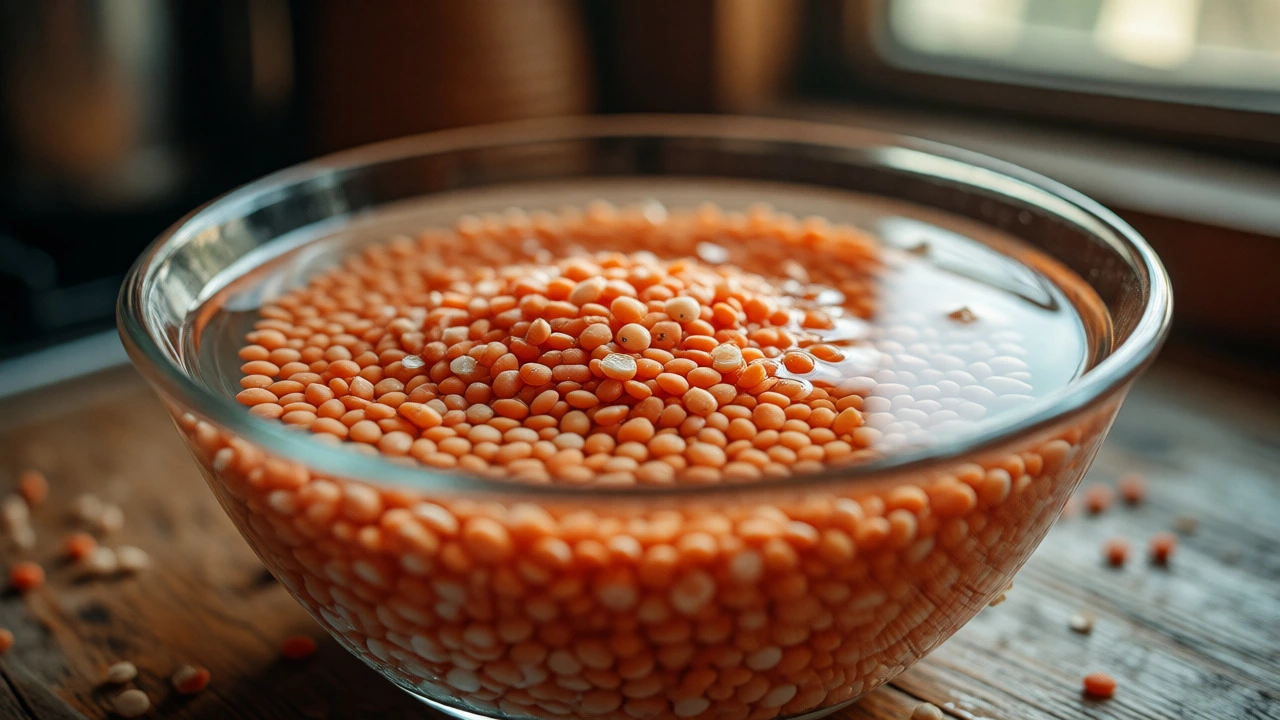
If you do only one thing to reduce bloating, make it this: soak your lentils. This is non-negotiable if you want a tummy-friendly result. Soaking does two critical jobs. First, it activates enzymes within the seed that start breaking down those troublesome oligosaccharides. Second, it leaches out a significant portion of the phytic acid and other anti-nutrients directly into the water.
Here is the method that works best. Rinse your lentils thoroughly until the water runs clear. Then, cover them with plenty of fresh water. For smaller lentils like red masoor dal, 30 minutes to an hour is often enough because they cook quickly anyway. For larger varieties like whole moong, chana (chickpeas), or rajma (kidney beans), aim for 8 to 12 hours, or overnight.
Crucial Step: Never cook in the soaking water. That water is now full of the dissolved sugars and acids you are trying to get rid of. Dump it out, rinse the lentils again under cold running water, and then add fresh water for cooking. Skipping this rinse is the number one reason people still feel bloated after soaking.

Cooking Techniques That Break Down Bloat
Once your lentils are soaked and rinsed, how you cook them matters just as much as the prep work. Undercooked lentils are hard to digest because their cell walls remain intact. Overcooked mushy lentils are easier to digest but might lose texture. The sweet spot is fully cooked but distinct.
Add aromatics that aid digestion. In Indian cooking, we call these "digestive spices." Asafoetida (hing) is the MVP here. Just a pinch added to hot oil before adding onions or garlic helps neutralize the gas-causing properties of legumes. Cumin seeds, ginger, and black pepper are also excellent allies. They stimulate digestive enzymes and help move food through the GI tract more efficiently.
Another trick is adding a strip of kombu seaweed or a bay leaf to the pot while the lentils simmer. These contain natural enzymes that further break down the complex sugars. If you don’t have kombu, a teaspoon of apple cider vinegar added near the end of cooking can also help soften the skins and improve digestibility without altering the taste significantly.
Portion Control and Pairing
Even perfectly prepared lentils can cause issues if you eat too many at once. Your gut bacteria need time to adapt to high-fiber loads. If you are new to eating lentils regularly, start with half a cup of cooked dal and gradually increase the amount over a few weeks. This allows your microbiome to adjust its population of beneficial bacteria.
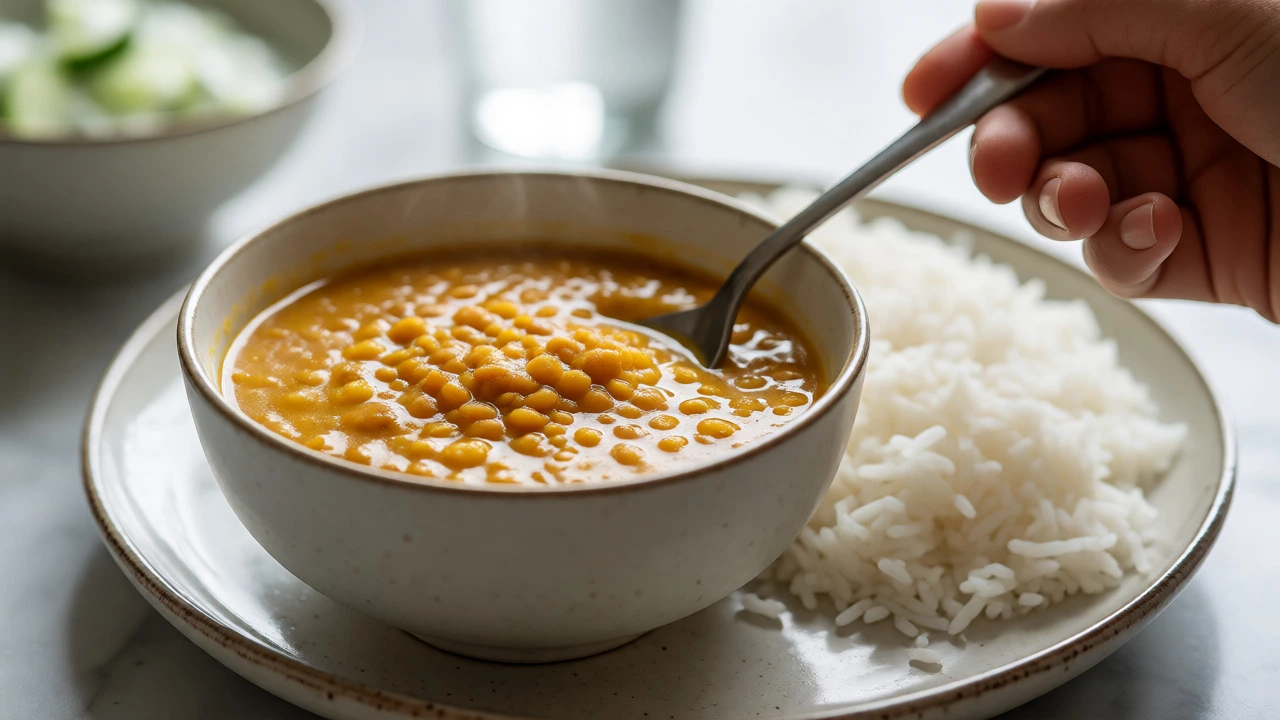
Pairing matters, too. Eating lentils with plain white rice is traditional for a reason. Rice is low-fiber and easy to digest, providing a buffer for the heavier lentils. Avoid pairing lentils with other high-gas foods like cruciferous vegetables (broccoli, cauliflower) or dairy in the same meal if you are particularly sensitive. Instead, pair with lighter sides like cucumber raita or a simple green salad.
Quick Prep Cheat Sheet
To make this practical, here is a quick reference guide for common lentil types found in UK supermarkets.
| Lentil Type | Soak Time | Cooking Tip | Digestive Aid |
|---|---|---|---|
| Red Masoor (Split) | 30-60 mins | Cooks fast; watch for burning | Add turmeric & cumin |
| Yellow Moong (Split) | 1-2 hours | Becomes creamy easily | Ginger paste |
| Chana (Chickpeas) | 8-12 hours | Needs pressure cooker or long simmer | Asafoetida (Hing) |
| Rajma (Kidney Beans) | 8-12 hours | Must be fully cooked (toxicity risk) | Kombu seaweed |
Troubleshooting Persistent Bloating
If you are soaking, rinsing, and spicing correctly but still feel gassy, look at your overall diet. Are you drinking enough water? Fiber needs water to move smoothly through your system. Without hydration, fiber creates a blockage-like sensation. Aim for at least 2 liters of water daily when increasing legume intake.
Also, consider chewing more thoroughly. Digestion begins in the mouth. Swallowing large chunks of lentils forces your stomach to work harder. Chew until the food is almost liquid before swallowing. It sounds tedious, but it makes a massive difference in how your body processes the starches.
Does soaking remove all the gas-causing sugars?
No, soaking reduces them significantly but doesn't eliminate them entirely. However, combined with proper cooking and digestive spices, the remaining amount is usually manageable for most people.
Can I use baking soda to speed up cooking?
Yes, a tiny pinch can soften lentils faster, but use it sparingly. Too much baking soda destroys vitamin B1 and can give the dal a soapy taste. It's better to rely on soaking and pressure cooking instead.
Is canned lentils as bad for gas as dried ones?
Canned lentils are pre-cooked and often lower in oligosaccharides because they've been processed. Rinsing them well removes excess sodium and any residual sugars. They are generally easier to digest than improperly prepared dried lentils.
Which spice is most effective against lentil gas?
Asafoetida (hing) is widely considered the most effective traditional remedy. Even a quarter teaspoon in a large pot can make a noticeable difference in reducing bloating.
Should I avoid lentils if I have IBS?
Not necessarily. Many people with IBS tolerate red split lentils better than whole chickpeas or kidney beans due to their lower FODMAP content when properly soaked and cooked. Start with small portions to test tolerance.