Indian Dinner Time Calculator
Indian Dinner Time Estimator
Select your profile below to find out when locals typically eat dinner in your specific situation.
Estimated Dinner Window
Explanation goes here.
Tip goes here.
Have you ever invited an Indian friend over for dinner at 7 PM, only to find out they haven't eaten yet? Or maybe you visited a restaurant in Mumbai and noticed the dining room was empty until 9 PM? If you are planning a trip to India or just curious about daily life there, understanding dinner time in India is crucial. It’s not just about hunger; it’s about culture, climate, and the rhythm of daily life.
In India, dinner isn’t a fixed event like lunch might be. The clock shifts depending on where you are, what your job is, and even the season. So, what is the actual answer? Generally, people in India eat dinner between 8:00 PM and 10:30 PM. But that’s just the average. Let’s dig into why this happens and how it varies across the country.
The Standard Dinner Window: 8 PM to 10 PM
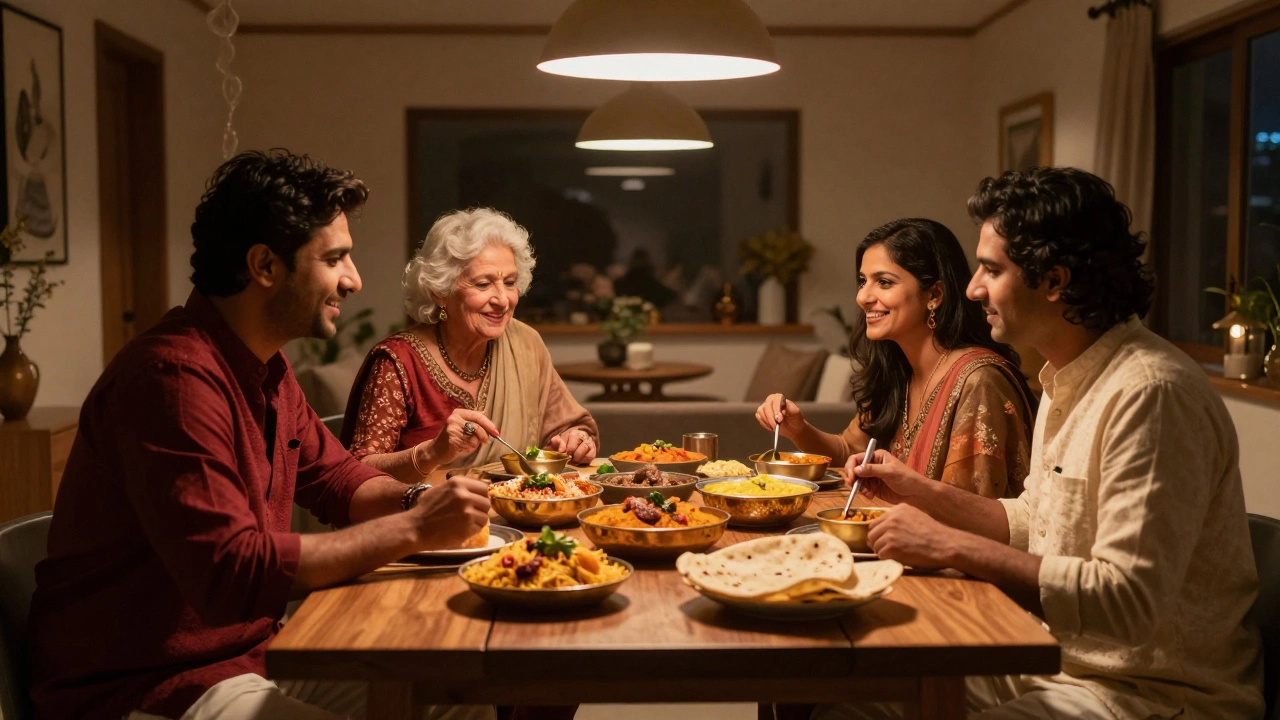
For most urban families, especially those with working parents, dinner falls squarely in the late evening slot. Why so late? Well, think about the typical day. Most office jobs run from 9 AM to 6 PM. Add in commute times, which can be brutal in cities like Delhi or Bangalore, and you’re home by 7:30 PM at the earliest. By then, everyone is tired, hungry, and ready to relax. Cooking a full meal takes time, so eating by 8:30 PM or 9:00 PM is the norm.
This timing also aligns with family bonding. In Indian households, dinner is often the only time the whole family sits together without distractions. It’s a chance to catch up on the day’s events. Rushing through dinner at 6 PM would cut into this valuable social time. Plus, many people prefer to have a light snack or tea around 4 PM, which keeps them going until the main evening meal.
Regional Differences: North vs. South India
India is vast, and eating habits change significantly as you travel from north to south. In Northern states like Punjab, Haryana, and Uttar Pradesh, dinner tends to be slightly earlier, often starting around 7:30 PM. This region has a strong agricultural background, and while modern life has shifted schedules, the tradition of an earlier evening meal persists in rural areas and smaller towns.
In contrast, Southern states like Tamil Nadu, Kerala, Karnataka, and Andhra Pradesh often see dinner served later, closer to 9:00 PM or even 10:00 PM. The warmer climate plays a role here. Heavy meals are harder to digest in humid weather, so people tend to eat lighter during the day and save the substantial meal for cooler nighttime hours. Additionally, the work culture in IT hubs like Bangalore and Hyderabad often involves longer hours, pushing dinner times further back.
| Region | Typical Start Time | Key Influences |
|---|---|---|
| Northern India | 7:30 PM - 8:30 PM | Agricultural roots, cooler nights |
| Southern India | 8:30 PM - 10:00 PM | Humid climate, IT work culture |
| Western India (Mumbai) | 9:00 PM - 10:30 PM | Long commutes, fast-paced life |
| Eastern India (Kolkata) | 8:00 PM - 9:30 PM | Bengali culinary traditions |
The Impact of Work Culture and Lifestyle
Your profession dictates your plate. For students and school-going children, dinner might be earlier, around 7:30 PM, to allow for study time before bed. However, for corporate professionals, especially in metropolitan cities, the 9:30 PM mark is common. Many offices encourage late stays, and team dinners or client meetings can push personal meal times even later.
Freelancers and remote workers have more flexibility. They might choose to eat earlier to maintain a healthier routine or later if they are working through the night. The rise of food delivery apps like Zomato and Swiggy has also changed habits. You don’t need to cook immediately after coming home; you can order food and eat whenever you feel ready, often leading to later consumption.
Seasonal Shifts: Summer vs. Winter
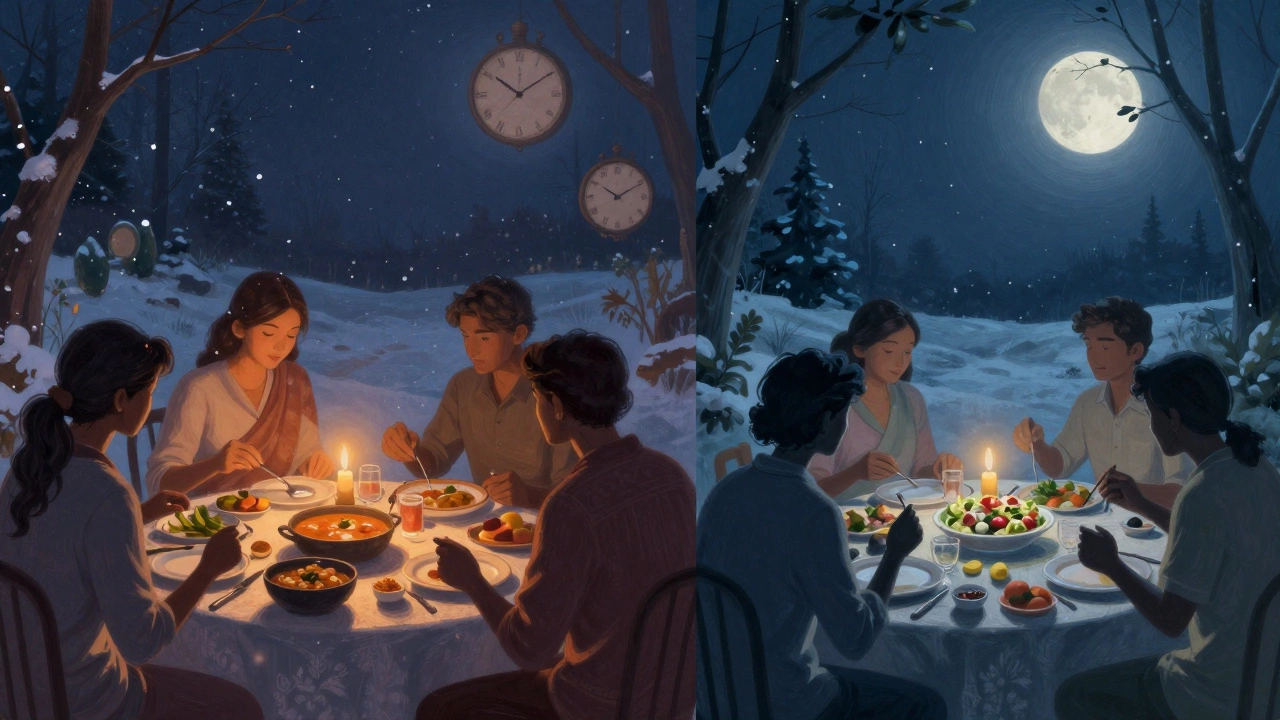
Did you know that Indians adjust their dinner times based on the season? During the scorching summer months (March to June), appetite drops, and heavy digestion is uncomfortable. People tend to eat lighter lunches and delay dinner until it’s cooler outside, often around 9:00 PM or later. In some regions, families might skip a heavy dinner altogether and opt for a light soup or salad.
In winter (November to February), the pattern flips. Cold evenings make people crave warm, hearty meals. Dinner might start earlier, around 7:30 PM, to keep warm. Festive seasons like Diwali, which usually fall in October or November, bring elaborate feasts that can stretch dinner into the early morning hours. During these times, the concept of "dinner" blurs into a continuous celebration of food.
Street Food and Late-Night Eats
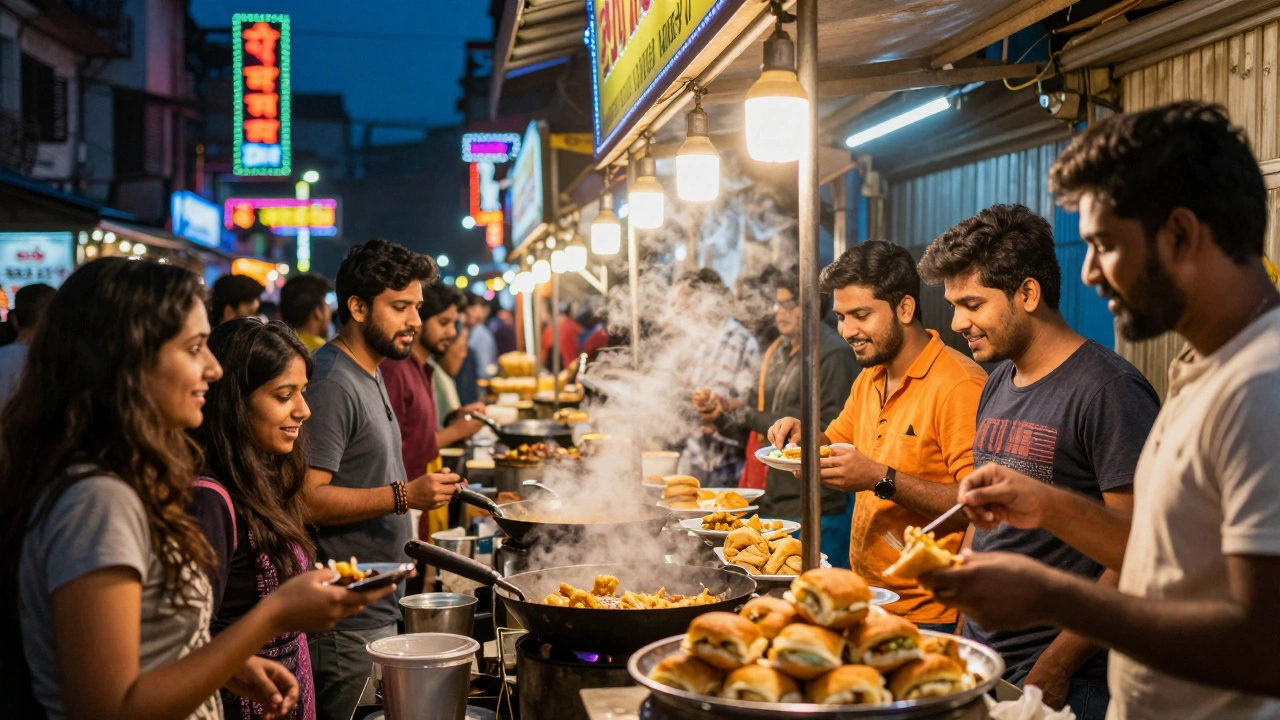
If you think dinner ends at 10 PM, you haven’t experienced Indian street food culture. Cities like Mumbai, Delhi, and Chennai come alive at night. Street vendors set up stalls serving everything from Vada Pav, a spicy potato fritter sandwich popular in Maharashtra to Pani Puri, crispy hollow shells filled with spiced water and chutneys. These snacks are often consumed as a late-night dinner replacement, especially by young adults and college students.
Many people finish their official dinner at 9 PM but head out for street food at 11 PM or midnight. This "second dinner" is a social activity. Friends gather at popular food streets, enjoying the vibrant atmosphere. It’s not uncommon to see families eating at outdoor cafes well past midnight. This habit highlights the flexible nature of Indian eating schedules-there’s always room for another bite.
Religious and Cultural Considerations
Religion plays a subtle but significant role in meal timing. For Hindu families, cooking and eating often involve rituals. Some households wait for specific auspicious times (muhurat) to start cooking or eating, though this is less common in urban settings. Fasting periods, such as Ekadashi or Ramadan for Muslim communities, drastically alter meal times. During Ramadan, Muslims break their fast with Iftar at sunset, which can be as early as 5:30 PM in winter or as late as 7:30 PM in summer. Suhoor, the pre-dawn meal, is eaten before sunrise.
Jain communities, known for their strict vegetarianism and non-violence principles, often eat earlier to ensure all food is prepared and consumed before dark, adhering to ancient traditions. This means dinner might be served by 7:00 PM in Jain households. Understanding these nuances helps in respecting diverse cultural practices when interacting with different communities.
How to Plan Your Meals When Visiting India
If you are traveling to India, here’s a quick guide to avoid missing out on good food:
- Don’t expect dinner at 6 PM: Most restaurants will be quiet. Save your energy for later.
- Book reservations for 8:30 PM: This ensures you get a table before the rush hits at 9:30 PM.
- Explore street food after 9 PM: This is when the best stalls are fully stocked and lively.
- Ask locals: Timing varies by neighborhood. A local can point you to places that serve food earlier if needed.
- Stay hydrated: Late dinners mean long gaps between meals. Keep drinking water throughout the evening.
Remember, flexibility is key. Indian hospitality is legendary, and hosts will often accommodate guests’ schedules. If you arrive early, you’ll likely be offered snacks or tea until dinner is ready.
Is it rude to ask for dinner earlier than 8 PM in India?
Not at all. While 8 PM is standard, many families are happy to prepare food earlier if asked in advance. Just communicate your needs clearly. Hosts appreciate consideration and will try to accommodate you.
Do Indians eat breakfast late too?
Breakfast is usually eaten between 7 AM and 9 AM. It’s generally earlier than dinner because people need energy for the day. However, on weekends, breakfast might extend to 10 AM or 11 AM.
Why do some restaurants close early in India?
Some traditional or family-run restaurants may close by 10 PM due to staff availability or local regulations. Larger chains and hotels often stay open until 11 PM or midnight. Always check operating hours before visiting.
Can I find healthy dinner options late at night?
Yes, many health-conscious eateries and cloud kitchens operate late. Look for options like grilled vegetables, salads, or soups. Street food can be heavy, so balance it with lighter choices if possible.
How does festival timing affect dinner?
During festivals like Diwali or Eid, dinner times become fluid. Feasts may start in the evening and continue into the night. Social gatherings prioritize connection over strict schedules, so expect flexibility.