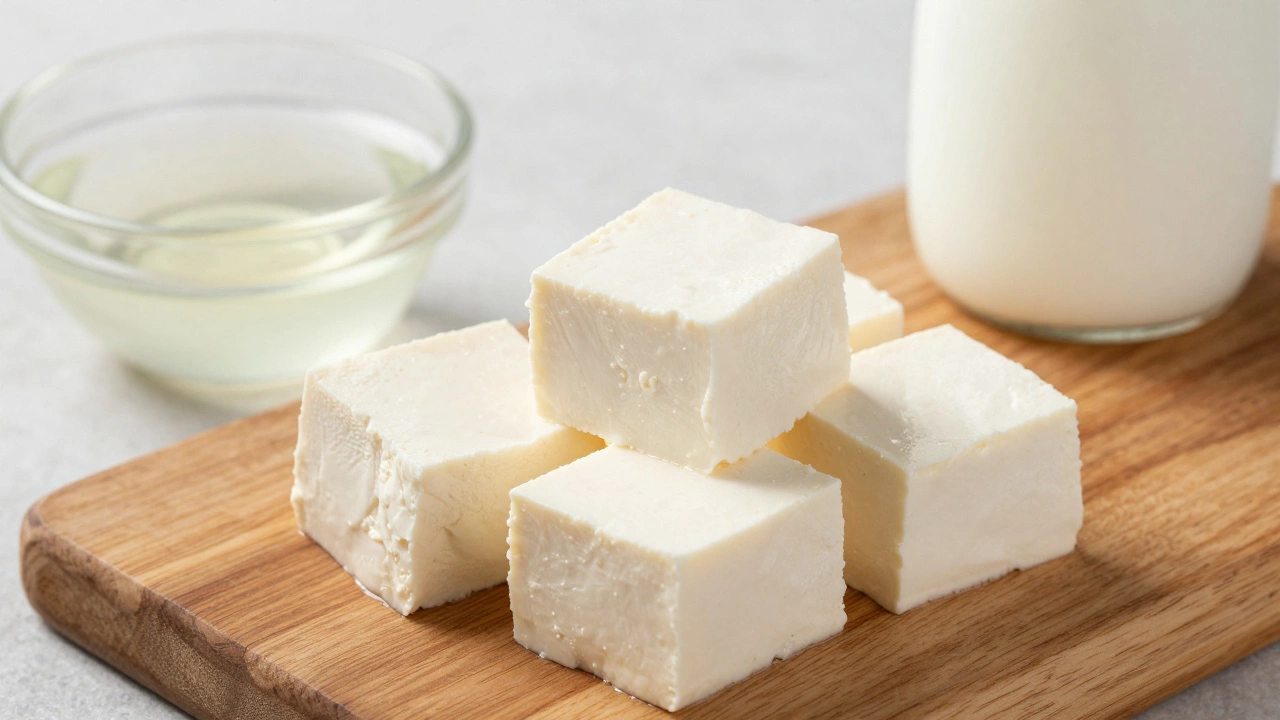
Homemade Paneer Cost Calculator
Your Usage & Prices
Homemade Cost Assumptions:
- Milk Yield: ~115g per liter
- Milk Price: £2.00 / 4L carton
- Acid/Utilities: Included
Walking down the dairy aisle in a supermarket here in Birmingham, you’ve probably noticed that paneer isn’t exactly cheap. A standard 200g pack often costs between £1.50 and £2.50, depending on the brand and whether it’s organic or imported. For someone who loves paneer butter masala or palak paneer as much as I do, those prices add up fast. The big question is: does making it yourself actually save money?
The short answer is yes, but only if you buy your ingredients wisely. If you’re buying full-fat milk from a convenience store and using branded lemon juice, you might break even. But if you shop smart-buying larger quantities of milk and using vinegar or plain yogurt as curdles-the savings can be significant. Let’s look at the numbers.
The Real Cost of Store-Bought Paneer
To understand if homemade is cheaper, we first need a baseline. In the UK, paneer is often considered a specialty item. While major supermarkets like Tesco, Sainsbury's, and Asda stock it, smaller shops or Indian grocery stores charge a premium for freshness and authenticity.
- Standard Supermarket Brand: ~£1.80 for 200g (approx. £9 per kg)
- Indian Grocery Store Brand: ~£2.50 for 200g (approx. £12.50 per kg)
- Organic/Premium Brands: Up to £3.50 for 200g (approx. £17.50 per kg)
So, if you are cooking for a family of four and need 400g of paneer for a weekend curry, you are looking at spending anywhere from £3.60 to £7.00 just on the cheese. That’s before you add the spices, cream, or vegetables. Over a month, that’s a noticeable chunk of your grocery bill.
Calculating the Homemade Paneer Price
Making paneer is essentially turning milk into solid curds and whey. The ratio is roughly 1 liter of full-fat milk yielding about 100-120g of paneer. This yield can vary slightly based on the fat content of the milk and how thoroughly you drain the curds.
Let’s break down the cost of making 400g of paneer at home, which is what most families use for a standard batch of curry.
| Ingredient | Quantity Needed | Estimated Cost (UK) |
|---|---|---|
| Full-Fat Milk | 3.5 Liters | £1.75 (if bought in 4L carton @ £2.00) |
| White Vinegar | 2-3 Tablespoons | £0.10 (from a large bottle) |
| Electricity/Gas | 15 mins boiling | £0.05 |
| Total Cost | 400g Paneer | ~£1.90 |
Compare that £1.90 to the £3.60-£7.00 you’d pay at the store. You are saving nearly 50% to 70% by making it yourself. Even if you buy expensive organic milk, the math still favors homemade because you aren’t paying for packaging, branding, or import logistics.
Why Yield Matters More Than You Think
The biggest variable in this equation is the yield. Not all milk creates the same amount of paneer. In India, where milk is often richer and sourced directly from farms, yields can be higher. In the UK, standardized pasteurized milk has a consistent fat content, usually around 3.5% for whole milk.
If you use semi-skimmed milk (1.5% fat), you will get significantly less paneer, and it will be drier and harder. Don’t do it. Stick to full-fat milk. Some people swear by adding a pinch of salt to the milk before heating, which helps tighten the curds and reduces moisture loss during draining. This small trick can bump your yield from 100g per liter to closer to 120g, further lowering your cost per gram.
Another factor is the whey. Many beginners throw away the leftover liquid, but whey is packed with protein and calcium. You can drink it, use it to cook rice (it makes it fluffier), or freeze it for soups. Using every drop ensures you aren’t wasting any of the money you spent on the milk.
Vinegar vs. Lemon Juice vs. Yogurt
You need an acid to curdle the milk. The three most common options are white vinegar, lemon juice, and plain yogurt. Each has different cost implications.
- White Vinegar: This is the cheapest option. A large bottle lasts forever. It produces a neutral-tasting paneer, which is ideal for savory dishes. However, some people detect a slight vinegar aftertaste if they use too much. Use sparingly.
- Lemon Juice: Fresh lemons are more expensive than vinegar. Bottled lemon juice is cheaper but contains preservatives that can affect the texture. Lemon juice gives a softer, slightly tangier paneer. Good for salads or raita, but pricier for bulk cooking.
- Plain Yogurt (Dahi): If you already keep yogurt in your fridge, this is free. Adding a few tablespoons of thick, plain yogurt to hot milk works beautifully. It produces a very soft, fresh paneer. This is the best method if you want maximum flavor without extra cost.
For pure cost-saving, vinegar wins. For flavor and texture, yogurt is hard to beat. Choose based on what you already have in your kitchen.
Time vs. Money: Is It Worth the Effort?
Money isn’t the only resource. Time matters too. Making paneer takes about 30 minutes from start to finish. Most of that time is passive-boiling the milk and letting the curds drain under pressure.
Here’s a pro tip: Make double or triple batches. Once you’ve heated the stove and washed the pot, there’s no reason to stop at 400g. Make 1kg of paneer. It freezes incredibly well. Cut it into cubes, lay them flat on a tray, freeze until solid, then transfer to a bag. Frozen paneer holds its shape better in curries than fresh paneer, which can sometimes become rubbery if overcooked.
By making a large batch once a week, you spend less active time in the kitchen and lock in those savings. Plus, having frozen paneer ready means you can whip up a quick dinner on a busy Tuesday night without running to the store.
Quality Control: Why Homemade Tastes Better
Beyond cost, there’s the quality argument. Store-bought paneer often contains stabilizers or preservatives to extend shelf life. These additives can give it a slightly waxy texture or a bland taste. Homemade paneer is pure milk solids. It’s fresher, creamier, and absorbs spices better.
When you cook with homemade paneer, you notice the difference immediately. It soaks up the gravy in butter masala instead of sitting on top of it. It melts slightly in tikka marinades. This superior performance means you might even use less paneer to achieve the same satisfaction, indirectly saving more money.
Troubleshooting Common Mistakes
If your first attempt fails, don’t worry. Here are the most common pitfalls and how to fix them:
- Curdles didn’t form: Your milk wasn’t hot enough, or the acid was weak. Ensure the milk reaches a rolling boil before adding the acid. Add the acid slowly while stirring gently.
- Paneer is too crumbly: You added too much acid, or the milk was low in fat. Next time, use full-fat milk and reduce the vinegar/lemon juice. Also, press the curds gently; don’t squeeze them aggressively.
- Paneer is too hard/rubbery: You pressed it too long or used water that was too cold when washing the curds. Rinse the curds with cool (not ice-cold) water to stop the cooking process, then press lightly for 30 minutes.
Experimentation is key. Every brand of milk behaves slightly differently. Keep notes on which milk brands give you the best yield in your local supermarket.
Final Verdict: Should You Switch?
If you eat paneer more than twice a month, making it at home is a no-brainer. The savings are real, the quality is superior, and the process is simpler than it looks. Start with one batch this weekend. Use the whey to cook your dal or rice, and enjoy the freshest paneer you’ve ever tasted. Your wallet-and your tastebuds-will thank you.
Can I use skimmed milk to make paneer?
Technically yes, but it’s not recommended. Skimmed milk has very little fat, resulting in a dry, crumbly, and small yield of paneer. Full-fat milk (3.5% fat or higher) is essential for creamy, cohesive paneer that holds together in curries.
How long does homemade paneer last in the fridge?
Homemade paneer stays fresh in the refrigerator for 3 to 4 days if stored in an airtight container submerged in cold water. Change the water daily to keep it fresh. For longer storage, freeze it for up to 3 months.
Does homemade paneer freeze well?
Yes, it freezes excellently. Cut the paneer into cubes, freeze them individually on a tray, then pack them into a freezer bag. When cooked, frozen paneer becomes slightly spongier, which actually helps it absorb curry flavors better than fresh paneer.
What is the best acid to use for curdling milk?
White vinegar is the most cost-effective and reliable option. Lemon juice works well but is more expensive. Plain yogurt is great for flavor but requires careful temperature control. Avoid citric acid powder unless you are experienced, as it’s easy to over-acidify.
Why is my paneer yellow instead of white?
Yellowish paneer is normal if you use milk from grass-fed cows or certain UK brands that contain beta-carotene. It doesn’t affect taste or safety. If you prefer pure white paneer, choose milk labeled "non-yellow" or from Jersey/Guernsey cows, though this may cost slightly more.