Tandoori Chicken Safety & Readiness Checker
Safety Protocol Checklist
Click items to mark as completed-
Inspected Visuals
No slime, gray/green spots, or ammonia smell.
-
Did Not Wash Chicken
Avoided rinsing raw meat to prevent splash contamination.
-
Used Dedicated Board
Kept raw chicken separate from salads/fruits.
-
Sanitized Hands/Tools
Washed hands (20s) and cleaned surfaces after handling.
-
Marinated in Fridge
Yogurt marinade kept cold, not on the counter.
Cooking Temperature Check
Complete the checklist and enter a temperature to see your safety status.
Did You Know?
While yogurt marinades help tenderize meat due to lactic acid, they do not kill bacteria like Salmonella. Only reaching an internal temperature of 165°F guarantees pathogen destruction.
You’ve just bought a pack of fresh chicken legs for that classic tandoori chicken. The spices are ready, the marinade is smelling divine, and you’re imagining the smoky, charred exterior. But then, a nagging thought pops into your head: "Are there parasites in those chicken legs?" It’s a valid question, especially when handling raw poultry at home. The short answer is yes, pathogens like Salmonella and Campylobacter can be present, but with proper handling and cooking, they become harmless. Let’s break down what’s actually inside that bird, how it gets there, and exactly how to cook your tandoori chicken so it’s safe, juicy, and delicious.
The Real Culprits: Bacteria vs. Parasites
When people ask about "parasites" in chicken, they often mean any harmful microorganism. Technically, true parasitic worms (like nematodes) are rare in commercially raised chickens in the UK and US due to strict farming regulations. The real danger comes from bacteria. Salmonella and Campylobacter jejuni are the two most common bacterial threats found in raw poultry. According to the Food Standards Agency in the UK, these bacteria can cause food poisoning, leading to symptoms like diarrhea, vomiting, and fever if the meat isn’t cooked properly.
It’s important to distinguish between contamination and infection. These bacteria don’t live *inside* the muscle tissue of a healthy chicken; they live on the surface of the skin and in the gut. When the chicken is processed, these bacteria can transfer to the meat. This is why washing chicken is a big no-no-it spreads the bacteria around your kitchen via water droplets. Instead, focus on containment and heat.
- Salmonella: Found in the intestines of birds. Can contaminate meat during slaughter.
- Campylobacter: The most common cause of bacterial gastroenteritis in humans. Highly sensitive to heat.
- Avian Influenza: A viral threat, not a parasite, but worth noting. Proper cooking destroys the virus completely.
Why Tandoori Chicken Requires Extra Care
Tandoori chicken is unique because it’s often cooked at extremely high temperatures in a clay oven (tandoor) or under a broiler/grill. While this method is fantastic for flavor, it can sometimes lead to uneven cooking if not managed correctly. Thick cuts like chicken legs have bone-in joints that insulate the meat, meaning the center might stay cool while the outside chars quickly.
If you’re making tandoori chicken at home using an oven or grill, you need to ensure the internal temperature reaches a safe level throughout. The USDA recommends cooking all poultry to an internal temperature of 165°F (74°C). At this temperature, Salmonella and Campylobacter are killed instantly. If you’re using a tandoor, the intense radiant heat usually achieves this, but visual cues alone aren’t enough. Always use a meat thermometer.
Signs of Contamination: What to Look For
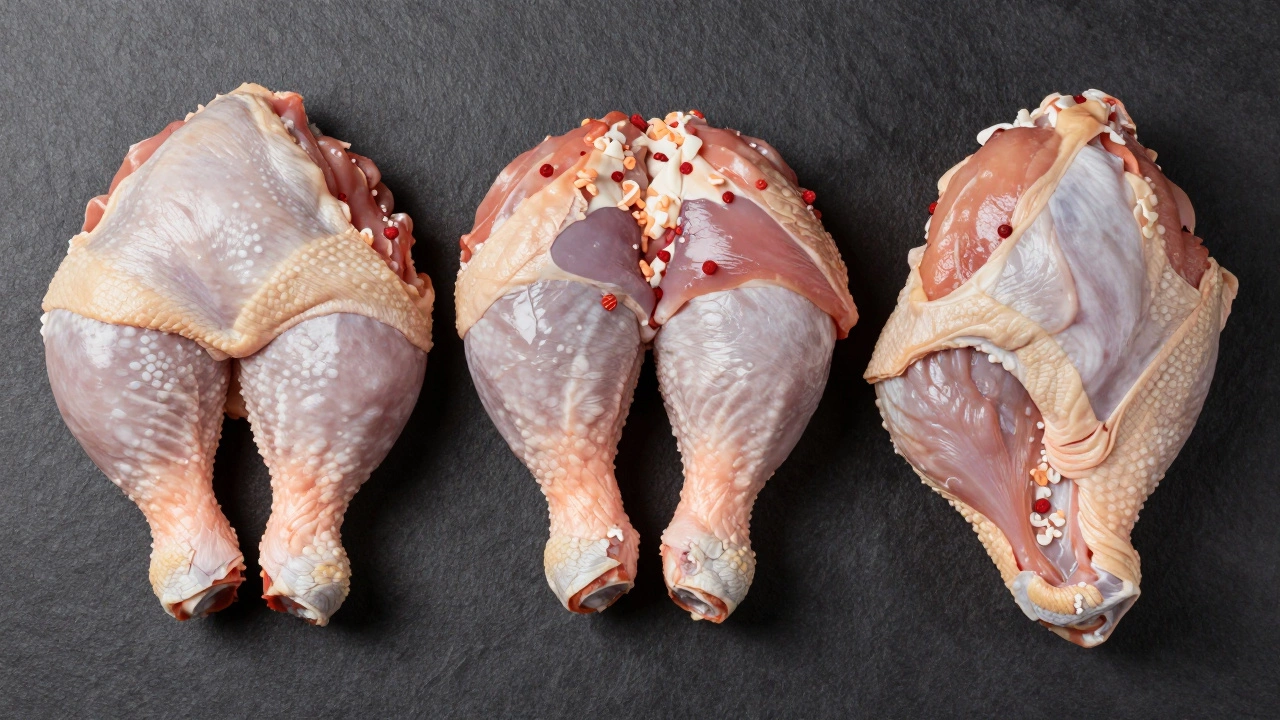
Before you even start marinating, inspect your chicken legs. Fresh, safe chicken should look and smell specific ways. If you notice any of the following, do not cook it:
- Slime: A slimy film on the skin indicates bacterial growth. This is a sign the chicken has been stored too long or at incorrect temperatures.
- Off Smell: Raw chicken should have a mild, slightly metallic scent. If it smells sour, rotten, or like ammonia, discard it immediately.
- Discoloration: Pinkish-red is normal. Gray, green, or black spots indicate spoilage.
Remember, parasites like Toxoplasma gondii are more commonly associated with undercooked pork or lamb, but cross-contamination is always a risk. Keeping your kitchen clean is your first line of defense.
Safe Handling Practices for Home Cooks
Handling raw chicken doesn’t have to be scary, but it does require discipline. Here’s how to keep your kitchen parasite-free and your family safe:
- Separate: Keep raw chicken away from other foods, especially salads, fruits, and cooked items. Use a dedicated cutting board for poultry.
- Sanitize: Wash your hands with soap and warm water for at least 20 seconds after touching raw chicken. Clean countertops and utensils with hot, soapy water or a disinfectant.
- No Washing: As mentioned, never rinse raw chicken. The splash zone can spread bacteria up to three feet away.
- Marinate Safely: Marinate chicken in the refrigerator, not on the counter. If you want to use the marinade as a sauce, boil it first to kill any bacteria picked up from the raw meat.
For tandoori chicken, the marinade often includes yogurt, which contains lactic acid. This acidity can help tenderize the meat and inhibit some bacterial growth on the surface, but it does not replace the need for thorough cooking.
Cooking to Perfection: Temperature and Time
To make sure your tandoori chicken is both safe and tasty, follow these cooking guidelines:
| Meat Type | Target Internal Temp (°F) | Target Internal Temp (°C) |
|---|---|---|
| Chicken Legs (Bone-In) | 165°F | 74°C |
| Chicken Thighs | 165°F | 74°C |
| Chicken Breast | 165°F | 74°C |
Insert a digital meat thermometer into the thickest part of the leg, avoiding the bone. If the reading is 165°F, you’re good to go. If you don’t have a thermometer, cut into the meat: the juices should run clear, not pink, and the meat should be opaque throughout.
Frequently Asked Questions
Can you see parasites in raw chicken?
True parasites like worms are rarely visible in commercial chicken. However, you might see small white cysts, which are often just fat deposits or connective tissue, not parasites. If you see anything unusual like moving larvae or distinct worm-like structures, discard the meat immediately and report it to the retailer.
Does marinating chicken kill bacteria?
No, marinating does not kill bacteria. While acidic ingredients like lemon juice or yogurt can reduce surface bacteria slightly, they do not penetrate deep enough to eliminate pathogens like Salmonella. Only thorough cooking to 165°F (74°C) will destroy harmful microbes.
Is it safe to eat chicken that still looks slightly pink?
Color is not a reliable indicator of safety. Chicken can remain pink near the bones even when fully cooked due to myoglobin reactions. Always rely on a meat thermometer reaching 165°F (74°C) rather than color alone.
How long can raw chicken sit out before it becomes unsafe?
Raw chicken should not sit out at room temperature for more than two hours. If the ambient temperature is above 90°F (32°C), this window shrinks to one hour. Bacteria multiply rapidly in the "danger zone" between 40°F and 140°F (4°C - 60°C).
Can freezing chicken kill parasites and bacteria?
Freezing can kill some parasites, but it does not reliably kill bacteria like Salmonella. When the chicken thaws, these bacteria can become active again. Freezing preserves quality but does not sanitize the meat. Cooking remains essential for safety.