Dosa Fermentation Troubleshooter
Analyze Your Situation
Diagnosis
Complete the form and click "Diagnose" to get personalized solutions for your dosa fermentation issues.
There is nothing quite as frustrating as spending hours grinding rice and urad dal, only to open the jar the next morning and find a dense, flat lump instead of a bubbly, airy batter. You expect that light, spongy texture that makes dosas crisp on the outside and soft on the inside. Instead, you get something closer to a pancake or even a brick. If you are wondering why your dosa batter is not fermenting, you are not alone. This is one of the most common hurdles for home cooks, especially if you live in cooler climates like Birmingham or are experimenting with new ingredients.
Fermentation is a biological process driven by wild yeast and bacteria naturally present in the grains and water. When these microbes multiply, they produce carbon dioxide gas, which creates bubbles in the batter. These bubbles expand during cooking, giving the dosa its signature puffiness. When fermentation fails, it is usually due to temperature, ingredient ratios, or hygiene issues. Let’s break down exactly what might be going wrong and how to fix it immediately.
The Temperature Trap: Why Cold Kills Bubbles
The single biggest reason for failed fermentation is temperature. The wild yeast responsible for leavening dosa batter thrives in warmth, ideally between 25°C and 30°C (77°F-86°F). If your kitchen is cooler than this, the microbes go dormant. In many parts of India, ambient temperatures naturally support this. However, if you are living in the UK, Europe, or any region with mild winters, your kitchen might be sitting at 18°C or lower. At this temperature, fermentation slows down drastically or stops entirely.
You do not need an oven to fix this. Here are practical ways to create a warm environment:
- The Oven Light Trick: Turn off your oven completely, but turn on the interior light. Close the door. The bulb generates just enough heat to keep the batter warm without cooking it. Place the batter bowl inside.
- The Rice Cooker Method: Fill a pot with hot water and place it inside the inner pot of your rice cooker. Set the cooker to 'warm' mode. Place your batter bowl on top of the hot water pot. The steam and warmth will circulate around the batter.
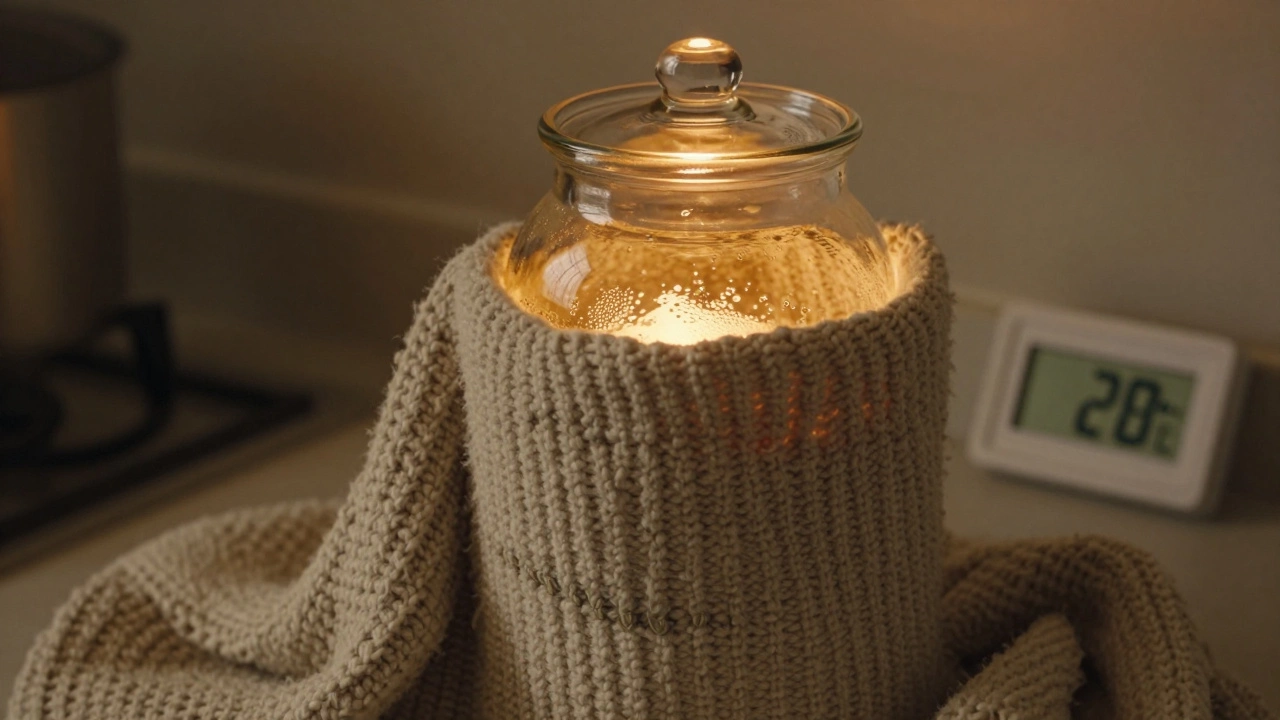
- Insulation: Wrap the batter container in a thick towel or blanket. Then, place it in a cupboard away from drafts. This traps body heat and ambient warmth effectively.
If you try these methods and still see no change after 12-14 hours, move to the next section. Sometimes, the issue isn't just cold; it's the starter culture itself.
The Urad Dal Ratio: The Engine of Fermentation
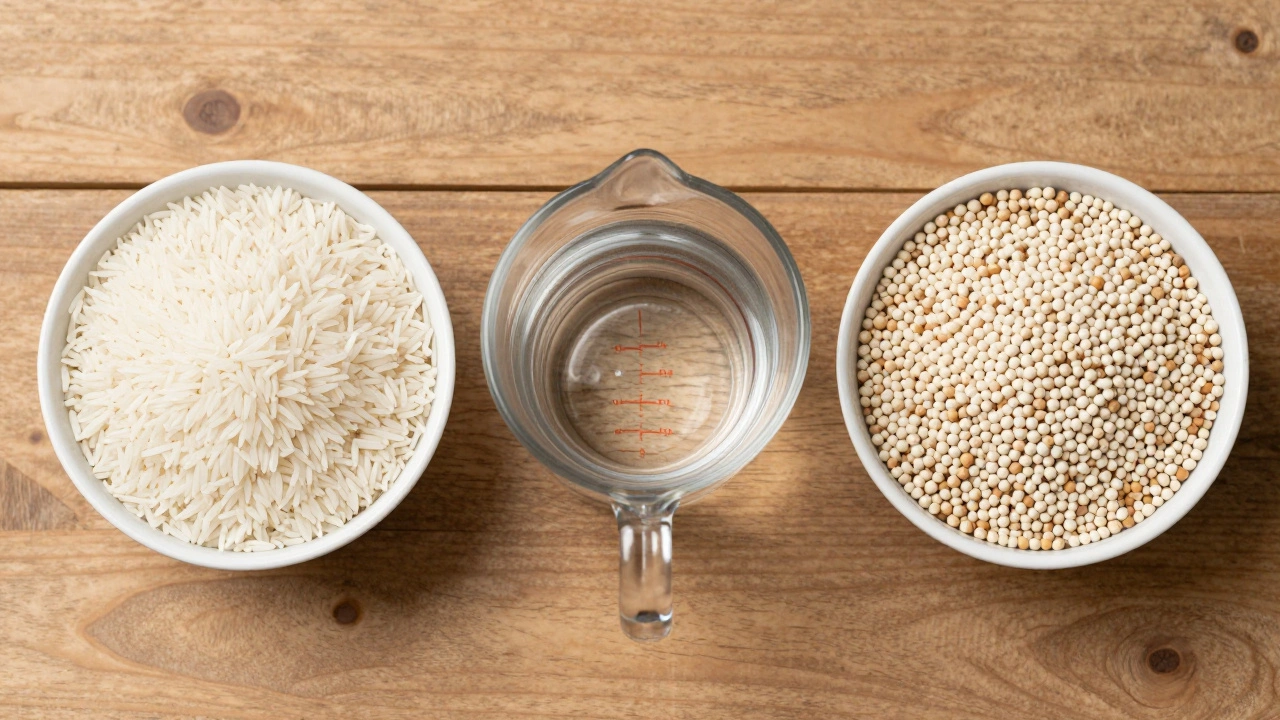
Rice provides the structure, but urad dal (black gram) provides the lift. Urad dal contains higher levels of protein and starches that wild yeast loves to feed on. It is the primary driver of fermentation. A common mistake beginners make is using too much rice relative to the dal. The standard ratio for traditional thin, crispy dosas is 4 parts rice to 1 part urad dal. If you increase the rice to 5 or 6 parts, you dilute the bacterial population needed to start the reaction.
Another critical factor is the type of urad dal. Skinless white urad dal ferments faster and produces more gas than whole black urad dal because the bran layer in whole dal can inhibit microbial activity slightly. If you are struggling with fermentation, switch to skinless white urad dal. Also, ensure the dal is soaked separately from the rice. Soaking urad dal until it splits easily between your fingers (about 4-6 hours) ensures it grinds into a smooth, fluffy paste. A coarse grind holds less air and ferments poorly.
Water Quality and Quantity Matter More Than You Think
We often overlook water, but it is the medium where fermentation happens. Hard water, high in minerals like calcium and magnesium, can sometimes hinder yeast activity. If you have very hard tap water, consider using filtered or bottled water for soaking and grinding. Soft water allows the enzymes in the grains to work more efficiently.
Consistency is also key. The batter should be pourable, similar to heavy cream or pancake batter. If it is too thick, the gas bubbles cannot expand freely, leading to a dense final product. If it is too thin, the structure collapses. Aim for a consistency that coats the back of a spoon but drips off slowly. Adjust with water *after* grinding, not before, to maintain control over the hydration level.
Hygiene and Contamination: The Silent Saboteurs
Fermentation requires a clean environment for the good bacteria to thrive. If your grinding jar, bowls, or utensils have traces of soap, oil, or detergent, you can kill the wild yeast before it starts. Oil inhibits fermentation significantly. Ensure all equipment is washed thoroughly with plain water and dried completely. Do not use oily hands when handling the batter.
Also, check your storage container. Glass jars are ideal because they are non-porous and easy to clean. Plastic containers can harbor odors and bacteria from previous uses that might interfere with the delicate balance of the dosa ecosystem. Always cover the jar with a lid that is not airtight, or use a muslin cloth secured with a rubber band. Yeast needs oxygen to reproduce initially. An airtight seal can trap gases prematurely and stop the process.
Ingredient Freshness and Grain Type
Old rice and old lentils have lost their enzymatic vitality. Stale urad dal may not contain enough active wild yeast to kickstart fermentation. Buy fresh pulses from a reputable store. For rice, parboiled rice (like Ponni or Sona Masoori) is preferred for dosas because it has been treated to retain nutrients and has a better fermentation profile than raw basmati or long-grain varieties. Avoid using broken rice unless it is specifically labeled for idli/dosa, as some broken rice types are overly polished and lack the necessary surface area for microbial attachment.
If you are using poha (flattened rice) to make the dosa softer, remember that poha does not ferment well on its own. It acts as a filler. Keep the poha quantity low (no more than 1/4 cup per 4 cups of rice) so it doesn't disrupt the fermentation balance.
Emergency Fix: Instant Yeast as a Backup
If you have tried all the above and your batter still refuses to rise, or if you simply don't have 24 hours to wait, you can cheat. Adding a small amount of commercial yeast guarantees fermentation. While purists argue this changes the flavor profile slightly, it saves the meal.
Add 1/2 teaspoon of instant dry yeast and 1 tablespoon of sugar to the ground batter. Mix well and let it sit in a warm place for 4-6 hours. The sugar feeds the yeast, causing rapid gas production. The result will be a fluffy batter ready for dosas. Note that yeast-fermented dosas may taste slightly different-less tangy and more bread-like-but they will certainly puff up.
| Problem | Symptom | Solution |
|---|---|---|
| Cold Environment | No bubbles, batter stays flat after 24h | Use oven light trick or wrap in towels |
| Low Urad Dal | Batter rises slightly but lacks volume | Stick to 4:1 rice-to-dal ratio |
| Hard Water | Slow fermentation, dense texture | Use filtered or bottled water |
| Oil Contamination | Batter smells sour but doesn't rise | Ensure zero oil contact during prep |
| Stale Ingredients | Inconsistent results, weak rise | Buy fresh urad dal and parboiled rice |
How to Tell If Your Batter Has Over-Fermented
While we are focused on under-fermentation, it is worth noting the opposite problem. If your batter smells excessively sour, alcoholic, or unpleasant, and looks separated with liquid on top, it has over-fermented. This happens if left too long in warm conditions. You can salvage this by adding a little baking soda (bicarbonate of soda) and mixing in fresh rice flour or grated potato to neutralize the acidity and add bulk. However, prevention is easier: monitor the batter every 6 hours in warm weather.
Troubleshooting Checklist Before You Start
To avoid future failures, run through this quick checklist before you begin your next batch:
- Check the Date: Are your rice and urad dal fresh?
- Measure Ratios: Did you use 4 cups rice to 1 cup urad dal?
- Soak Separately: Was the dal soaked until it split easily?
- Grind Smoothly: Is the dal paste fluffy and holding peaks?
- Combine Gently: Did you mix the rice and dal pastes without adding extra water unnecessarily?
- Warm Spot: Is there a dedicated warm spot (25°C+) for the jar?
- Clean Gear: Are all utensils free of soap and oil?
Fermentation is part science, part art. It takes patience and observation. Once you understand how your specific kitchen environment affects the batter, you will develop an intuition for timing and texture. Don't get discouraged by a flat batch. Use it for thick, savory pancakes (uttapam) or mix it with vegetables for a hearty breakfast. With these adjustments, your next batch will likely rise beautifully, giving you those perfect, lacy-edged dosas you crave.
Can I use eno fruit salt if my dosa batter didn't ferment?
Yes, Eno fruit salt is a chemical leavener that works instantly. Add 1/2 teaspoon per cup of batter just before cooking. Mix gently and cook immediately. This will give you puffy dosas, but they will lack the distinct sour taste of fermented batter. It is a great emergency fix for unfermented batter.
How long should dosa batter ferment in winter?
In cold weather (below 20°C), natural fermentation can take 24 to 36 hours. If it hasn't risen after 24 hours, move it to a warmer location. If it still shows no signs of life after 36 hours, it is best to add yeast or discard it to avoid spoilage.
Does washing rice affect fermentation?
Washing rice removes excess starch, which can help prevent the batter from becoming too sticky. However, do not soak the rice for more than 4-6 hours, as prolonged soaking can wash away some of the natural yeasts on the grain surface. A quick rinse followed by proper soaking is ideal.
Can I refrigerate unfermented dosa batter?
Refrigeration stops fermentation. If your batter is unfermented, putting it in the fridge will pause the process, not fix it. Once you take it out, it will need to return to room temperature or a warm spot to ferment. It is better to keep it in a warm place continuously until it rises.
Why is my dosa batter turning grey?
Grey discoloration usually indicates oxidation or the presence of iron from metal utensils. Always use plastic or glass bowls for fermentation. If the batter smells okay, it is safe to eat, but the color might look unappetizing. To prevent this, ensure tight coverage and use non-metallic containers.