Curry Onion Method Selector
Select your preferred method below to see how it affects your cooking time, texture, and which dishes are best suited.
Chopped & Fried
Traditional slow-frying for a rustic texture.
Blended Paste
Modern shortcut for a silky, restaurant-style sauce.
Analysis Result
Best Suited Dishes:
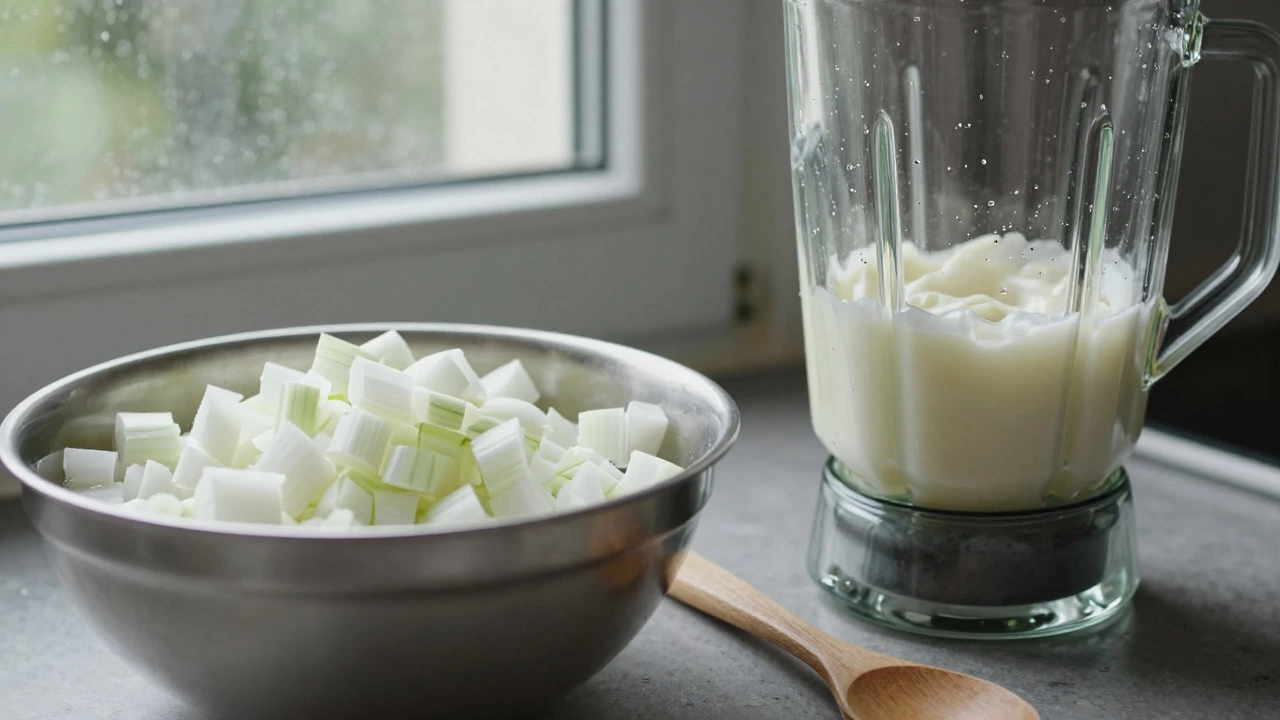
There is a quiet war happening in kitchens across the UK. On one side, you have the traditionalists who swear by slow-frying chopped onions until they are dark brown and caramelized. On the other, there is the modern shortcut crowd blending raw onions into a smooth purée to save time. If you are standing in your kitchen in Birmingham, staring at a bowl of sliced onions while the rain hits the window, you might be asking yourself: should I blend onions for curry?
The answer isn't just yes or no. It depends entirely on what kind of curry you are making and how much patience you have. Blending changes the chemistry of the dish. It alters the texture, the color, and even the way spices release their oils. Let’s break down why this matters, especially if you are aiming for that rich, restaurant-style chicken curry.
The Texture Game: Smooth Sauce vs. Chunky Base
When you chop an onion, you leave behind fibrous bits. Even if you dice them finely, those strands remain. When you fry them, they soften, but they never fully disappear. This gives your curry a rustic, textured mouthfeel. Many people love this. It feels homemade. It feels honest.
Blended onions tell a different story. When you process onions into a fine paste, you break down the cell walls completely. As this paste cooks, it melts into the oil and other ingredients. The result is a silky, velvety sauce that coats every piece of chicken. If you want a curry that looks like it came from a high-end restaurant in London-thick, glossy, and uniform-you need blended onions. For a quick weeknight dinner where you want a spoonable sauce rather than a stir-fry with chunks, blending is the superior choice.
Does blending onions make the curry too thin?
Not necessarily. While raw onion paste has high water content, the key is how you cook it. If you fry the blended onion paste long enough to remove all moisture and let it darken, it thickens significantly. The natural sugars caramelize and bind with the oil, creating a heavy, rich base that reduces nicely when tomatoes or yogurt are added.
The Color Factor: Why Your Curry Might Look Grey
Here is the biggest risk with blending onions. If you rush the cooking process, your curry can turn a dull grey or muddy brown instead of a vibrant red or golden orange. This happens because blended onions contain more surface area exposed to heat. They burn faster than chopped onions.
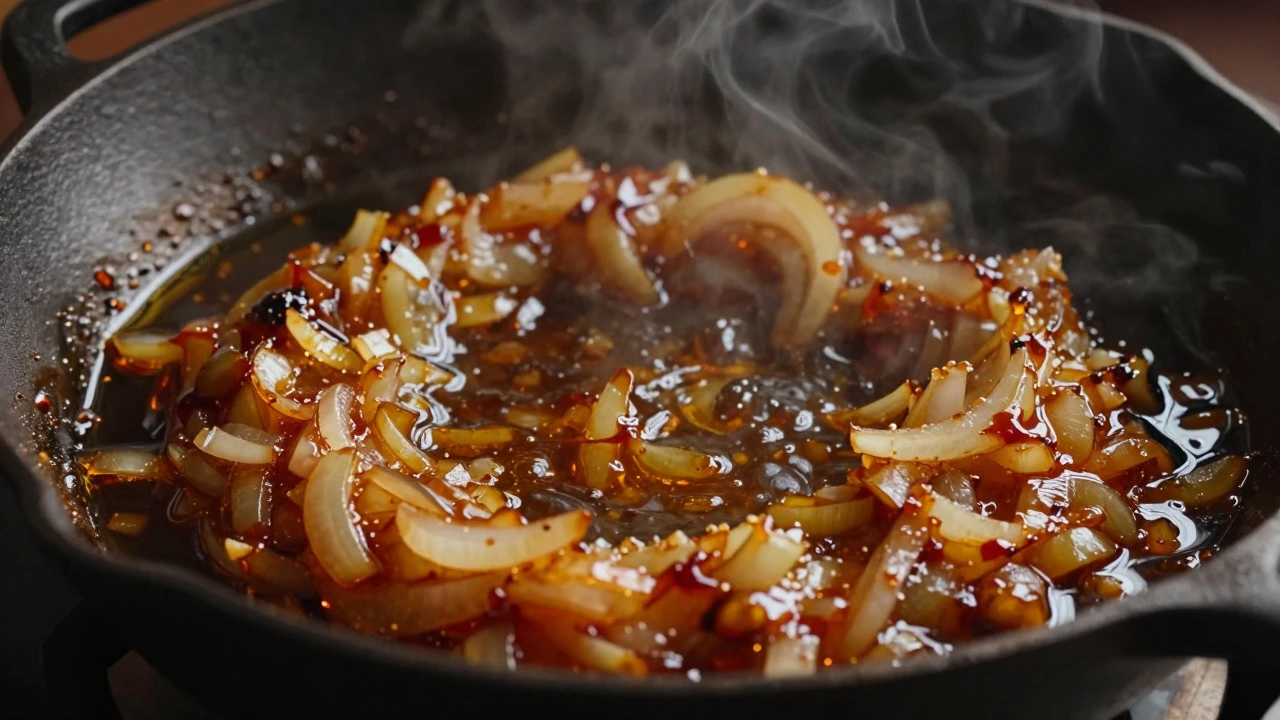
Chopped onions give you visual cues. You see the edges turning brown, then the center softening. With a blended paste, it looks wet and white initially. As it cooks, it turns translucent, then pale gold, then deep amber. If you take it off the heat too early, you miss that critical Maillard reaction-the chemical process that creates complex flavors and rich colors. To get that deep red hue in a chicken curry, you must cook the blended onion paste until it is almost black before adding your spices. Yes, almost black. It will look scary, but it will turn a beautiful rust-red once tomatoes or tomato puree are introduced.
Flavor Release: Speed vs. Depth
Onions are the backbone of Indian cooking. They provide sweetness, pungency, and body. Chopped onions release their flavor slowly over 15-20 minutes of frying. This gradual release allows the layers of flavor to build up gently. Blended onions release their juices immediately. This means the flavor profile hits harder and faster.
For a spicy chicken curry, this intensity is desirable. The sharpness of the raw onion blends well with strong spices like garam masala, turmeric, and chili powder. However, because the flavor is so concentrated, you have less room for error. If you over-salt the base, the whole dish suffers. With chopped onions, the volume is higher, diluting the salt slightly. With blended onions, everything is concentrated. Taste your base before adding the chicken. Adjust salt and acidity (a squeeze of lemon or a dash of vinegar) at the end, not the beginning.
Time Management: The Real Reason People Blend
Let’s be honest. Most people ask "should I blend onions" because they are tired. Frying two large onions until they are perfectly caramelized takes time and attention. You have to stand there, stirring constantly, watching for smoke. One minute away, and they burn. Blending takes thirty seconds. You throw the onions in a blender, hit pulse, and dump the paste into the pan.
In a busy household, this is a game-changer. You can prep the onion paste ahead of time. Store it in the fridge for up to three days or freeze it in ice cube trays. When you’re ready to cook chicken curry, you just drop a few cubes into hot oil. It cuts active cooking time by half. For students in Birmingham or working parents, this efficiency is worth the slight trade-off in texture.
Which Curry Style Needs Which Method?
Not all curries are created equal. The method you choose should match the style of the dish.
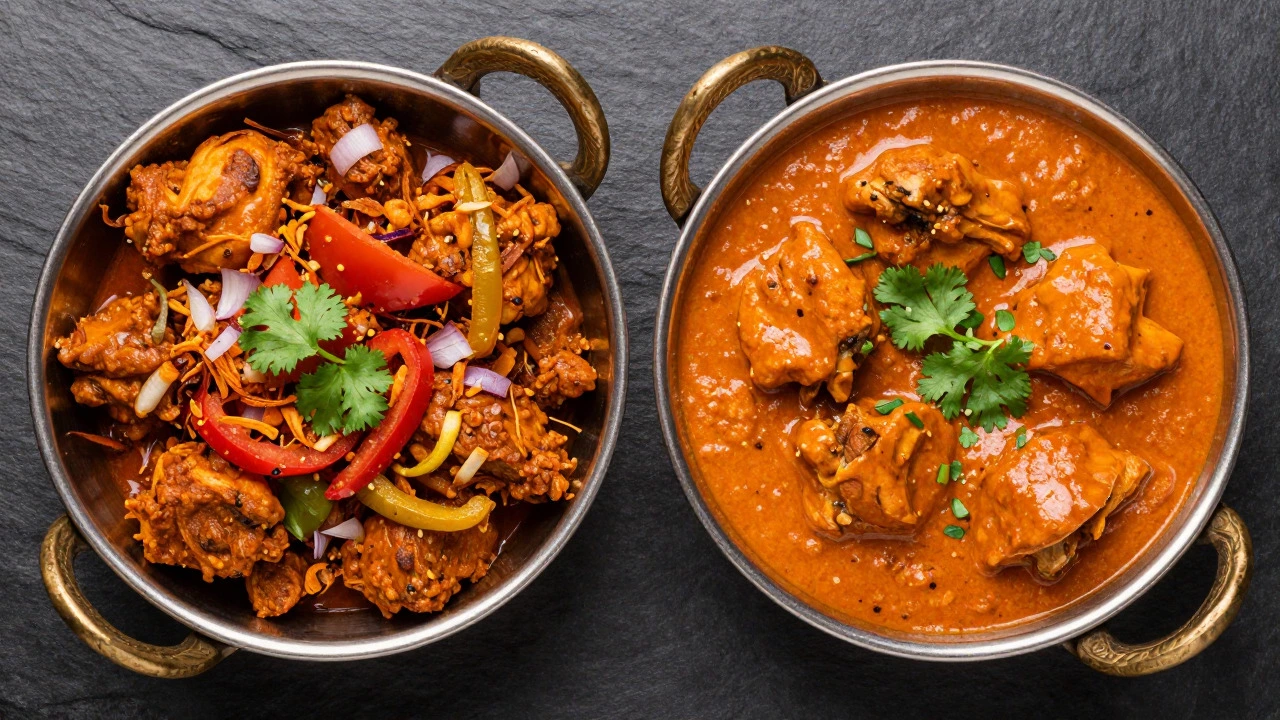
- Hyderabadi Chicken Curry: Use blended onions. This dish requires a thick, gravy-heavy consistency that clings to the meat. The smooth base allows the aromatic spices to shine without distraction.
- Kadai Chicken: Use chopped onions. Kadai is a dry-ish curry with visible chunks of bell peppers and tomatoes. A rough onion base complements the rustic texture.
- Murgh Makhani (Butter Chicken): Use blended onions. The sauce needs to be incredibly smooth to blend with cream and butter. Any onion fibers would ruin the luxurious mouthfeel.
- Chicken Jalfrezi: Use chopped onions. This is a stir-fry style dish. Texture is king here. You want to feel the crunch of vegetables and the bite of the onion.
| Factor | Chopped & Fried Onions | Blended Onion Paste |
|---|---|---|
| Cooking Time | 15-20 minutes (active stirring) | 8-12 minutes (less stirring needed) |
| Texture Result | Rustic, chunky, fibrous | Smooth, velvety, creamy |
| Color Potential | Golden brown, consistent | Deep red/rust (if cooked correctly), risk of grey if undercooked |
| Flavor Profile | Sweet, caramelized, subtle | Pungent, intense, sharp |
| Best For | Dry curries, stir-fries, rustic dishes | Gravy-heavy dishes, restaurant-style sauces |
Pro Tips for Blending Onions Successfully
If you decide to go the blended route, follow these steps to avoid common pitfalls.
- Use Cold Water Sparingly: Onions don’t always blend smoothly on their own. Add a tablespoon of cold water to help the blades catch. Don’t add too much, or you’ll have to evaporate excess liquid later, which defeats the purpose of saving time.
- Fry in Oil, Not Butter: Start with neutral oil like sunflower or vegetable oil. Butter burns at lower temperatures. Once the onion paste is cooked and colored, you can add ghee or butter for finish.
- Watch the Smoke: Blended onions burn quickly. Keep the heat medium-low. You want a gentle sizzle, not a roar. If you see black specks forming rapidly, lower the heat immediately.
- Add Acid Early: A splash of vinegar or lemon juice during the frying stage helps balance the sharpness of the raw onion paste and prevents discoloration.
The Verdict: Should You Blend?
Yes, you should blend onions for curry if you want a rich, glossy, restaurant-quality sauce with minimal effort. It is the secret weapon for achieving that thick, clinging gravy that makes chicken curry irresistible. Just remember to cook the paste longer than you think you need to. Patience during the frying stage ensures depth of flavor and beautiful color.
If you prefer a hearty, rustic meal with distinct textures and don’t mind spending extra time at the stove, stick to chopping. There is no wrong answer, only different outcomes. Experiment with both methods. Make one batch with chopped onions and another with blended. Taste the difference. Your palate will tell you which one suits your mood today.
Troubleshooting Common Issues
Even experienced cooks run into problems. Here is how to fix them.
- Curry tastes bitter: You likely burned the onion paste. Next time, reduce the heat. If it’s already happened, try balancing it with a pinch of sugar or a dollop of yogurt.
- Sauce is too watery: You didn’t cook out the moisture from the blended onions. Simmer the curry uncovered for an extra 10 minutes to reduce the liquid.
- Onion taste is too sharp: Raw onion flavor remains if the paste isn’t cooked thoroughly. Ensure the paste turns golden brown and smells sweet, not pungent, before adding spices.
Next Steps for Your Kitchen
Start small. Try blending half the onions and chopping the other half for your next chicken curry. This hybrid approach gives you some body and some smoothness. It’s a great middle ground for beginners. As you gain confidence, you’ll develop a preference based on the specific dish you’re making. Remember, cooking is about adaptation. Whether you are in a tiny flat in Birmingham or a large family home, the goal is delicious food that brings people together. Choose the method that fits your life.
Can I use a food processor instead of a blender for onions?
Yes, a food processor works well, but it may leave small chunks unless you pulse it many times. A blender typically produces a finer, smoother purée. If using a food processor, scrape down the sides frequently and pulse until the mixture looks like a thick paste, not a coarse mince.
How long can I store blended onion paste?
You can store fresh blended onion paste in an airtight container in the refrigerator for up to 3 days. For longer storage, freeze it in ice cube trays or small silicone molds. Frozen onion paste lasts up to 3 months. Thaw it in the fridge overnight before using, or drop frozen cubes directly into hot oil.
Does blending onions affect the nutritional value?
Blending breaks down cell walls, which can actually make certain nutrients more bioavailable. However, prolonged high-heat cooking can degrade some vitamins like Vitamin C. The difference is minimal in the context of a full meal. The primary benefit is culinary, not nutritional.
Why does my blended onion curry smell raw?
This usually means the onion paste wasn’t cooked long enough. Raw onion has a sharp, sulfurous smell. Cooked onion smells sweet and earthy. If your curry still smells raw after adding spices, simmer it uncovered for another 10-15 minutes to allow the volatile compounds to evaporate.
Should I peel the onions before blending?
Always peel the outer papery skin. You can leave the root end intact to hold the layers together while peeling, but remove it before blending. The root can be tough and fibrous, potentially damaging your blender blades or leaving unpleasant bits in your sauce.