Paneer vs. Cheese Nutrition Calculator
Homemade Paneer
Cheddar Cheese
Quick Verdict
Adjust the inputs above to see a personalized comparison.
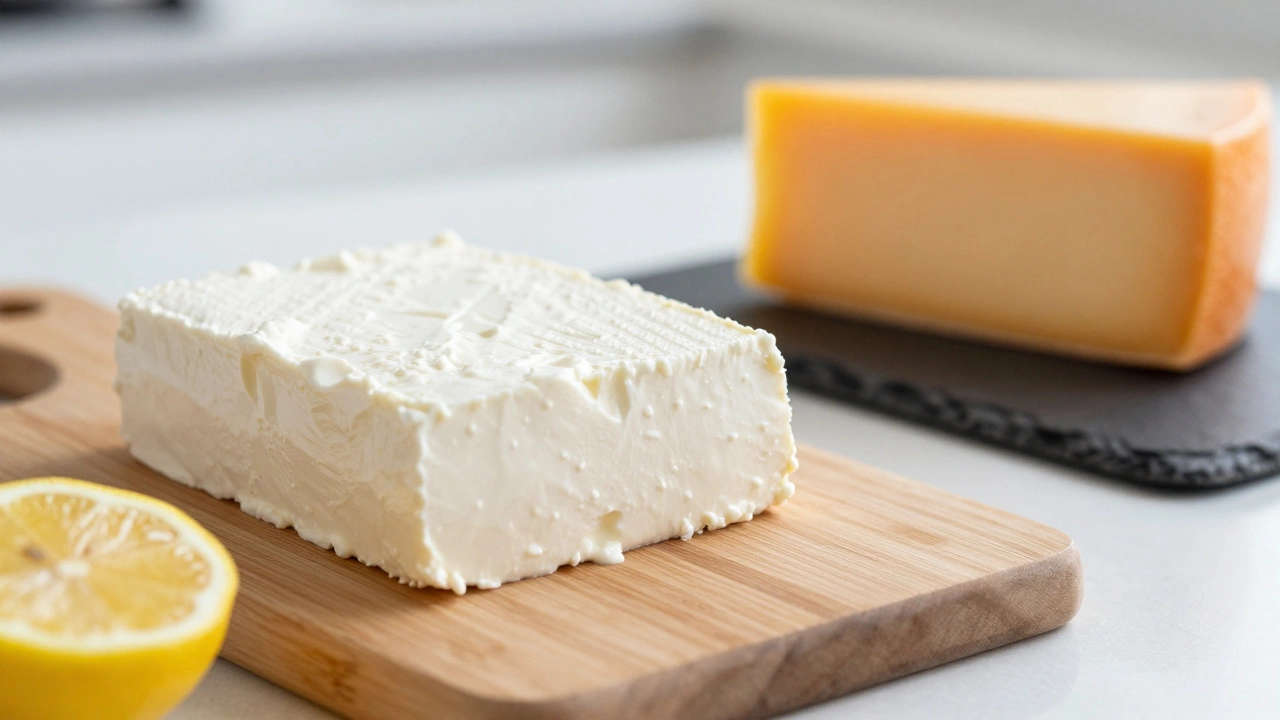
You stand in the grocery aisle, staring at two blocks of white dairy. On one side, you have a block of cheddar or mozzarella. On the other, a fresh, soft block of paneer, a fresh, non-melting Indian cottage cheese made by curdling milk with an acid like lemon juice or vinegar. Both look similar. Both are rich and creamy. But which one is actually better for your waistline and your heart?
The short answer? It depends on how you make it and what kind of cheese you compare it to. If you’re looking for lower sodium and no preservatives, homemade paneer usually wins. If you want high protein density per bite, processed cheeses might edge out standard paneer. Let’s break down the numbers, the science, and the cooking realities so you can decide which white block belongs in your fridge.
The Nutritional Face-Off: What’s Inside?
To understand if paneer is healthier than cheese, we need to look at the macronutrients. We’ll compare homemade paneer, fresh cheese made from whole cow's milk without rennet or aging against a standard cheddar cheese, a hard, aged cheese known for its sharp flavor and high fat content, as cheddar is the most common global benchmark for "cheese."
| Nutrient | Homemade Paneer (Whole Milk) | Cheddar Cheese | Winner for Health |
|---|---|---|---|
| Calories | ~265 kcal | ~403 kcal | Paneer |
| Protein | 18g | 25g | Cheddar (Density) |
| Fat | 21g | 33g | Paneer |
| Saturated Fat | 13g | 21g | Paneer |
| Sodium | ~10mg | ~621mg | Paneer (by far) |
| Calcium | 200mg | 721mg | Cheddar |
As you can see, cheddar is more nutrient-dense because it is aged and pressed, removing water. Paneer is a fresh cheese, meaning it retains more moisture. This makes paneer lighter in calories per gram but less potent in calcium. However, the sodium difference is staggering. Cheddar contains over 60 times more salt than homemade paneer. For anyone watching their blood pressure, this is a game-changer.
The Sodium Trap: Why Store-Bought Paneer Loses
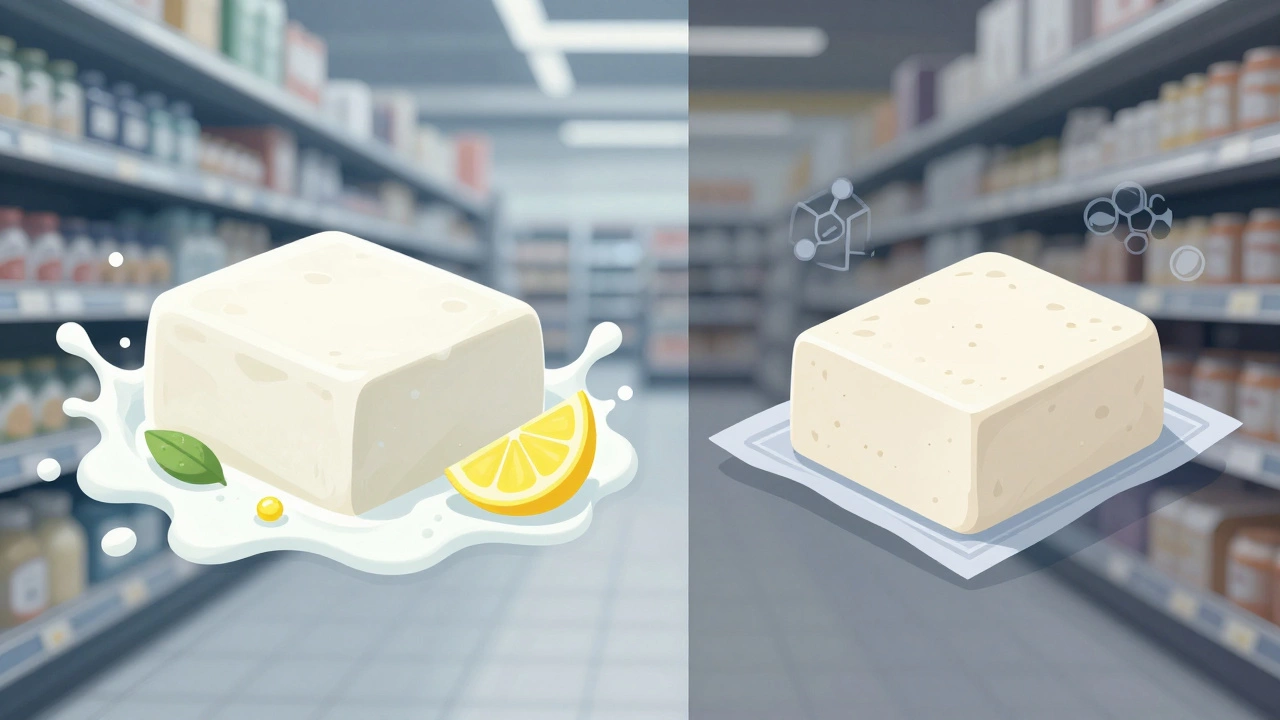
Here is where the plot twists. The comparison above assumes you are eating homemade paneer. If you buy paneer from a supermarket, the nutritional profile changes drastically. Commercial paneer often contains preservatives, gums, and significantly higher sodium levels to extend shelf life.
Store-bought paneer can sometimes contain up to 300-400mg of sodium per 100g, depending on the brand. While still lower than cheddar, it narrows the gap. More importantly, commercial paneer may use stabilizers like carrageenan or guar gum. These aren’t inherently toxic, but they add unnecessary processed ingredients that your body has to process. Homemade paneer consists of just three things: milk, an acid (lemon juice, vinegar, or citric acid), and heat. That simplicity is its biggest health advantage.
Protein Power: Quantity vs. Quality
If you are hitting the gym and tracking macros, you might prefer cheddar. Because cheddar is dehydrated during aging, every bite packs more protein. You get 25g of protein in 100g of cheddar compared to 18g in paneer. To match the protein in a slice of cheddar toast, you’d need to eat more paneer, which also means consuming more calories and fat.
However, paneer offers a different benefit: digestibility. Paneer is made without rennet (the enzyme used in many Western cheeses to coagulate milk). Instead, it uses acid coagulation. This makes it easier to digest for people who have mild sensitivities to aged cheeses. Additionally, paneer does not undergo fermentation, so it lacks the histamines found in aged cheeses like cheddar, gouda, or parmesan. Histamines can trigger headaches or digestive issues in sensitive individuals. So, while cheddar has more protein, paneer might sit better in your stomach.
Fat Content: Can You Make Low-Fat Paneer?
One of the biggest misconceptions about paneer is that it is always high-fat. Traditional paneer is made with full-fat milk, resulting in a rich, fatty product. But here is the hack: you can control the fat content of paneer at home. You cannot do this with cheddar.
If you make paneer using skimmed milk or low-fat milk, you drastically reduce the calorie count. Low-fat paneer can drop to around 150-180 calories per 100g, with only 5-8g of fat. This makes it a superior option for weight loss diets compared to almost any natural cheese. Even part-skim mozzarella, often touted as a healthy cheese, usually sits around 280 calories per 100g. Low-fat homemade paneer beats it on calories, fat, and sodium simultaneously.
Cooking Methods Matter More Than the Cheese
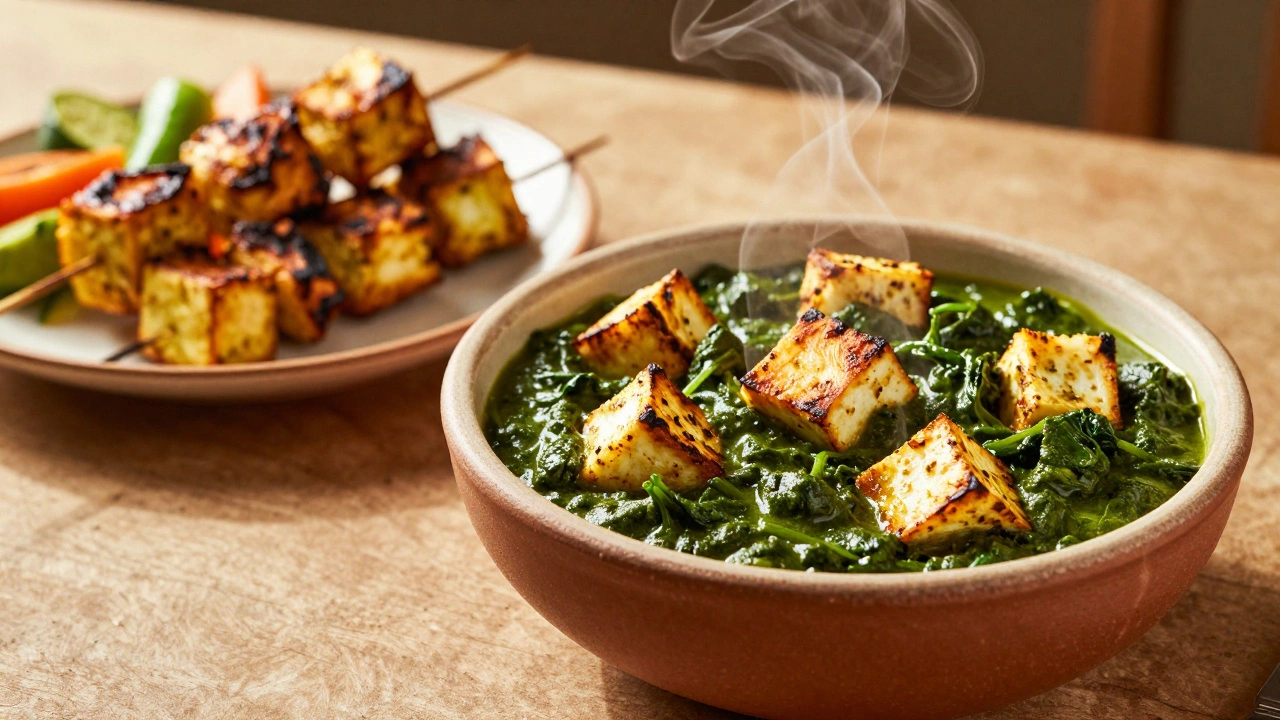
Let’s be real: the healthiest cheese becomes unhealthy if you deep-fry it. In Indian cuisine, paneer is often fried before being added to dishes like Palak Paneer, a popular dish consisting of cubes of paneer cooked in a pureed spinach gravy or Shahi Paneer, a rich, creamy tomato-based curry with paneer cubes. Frying paneer absorbs oil, spiking the calorie count well beyond that of baked cheddar.
However, paneer is versatile. You can grill it, bake it, or steam it. Grilled paneer skewers with vegetables offer a high-protein, low-carb meal that rivals chicken breast in terms of satiety. Cheddar, on the other hand, is often consumed as a topping-on pizza, burgers, or fries-which adds hidden calories. When eaten as a standalone snack, paneer tends to be more filling due to its higher water content and softer texture, preventing you from overeating.
Who Should Choose Which?
So, is paneer healthier than cheese? Here is how to decide based on your specific goals:
- For Weight Loss: Choose homemade low-fat paneer. You control the milk fat, and the low sodium prevents water retention. Cheddar is too calorie-dense for large portions.
- For Muscle Building: Cheddar or cottage cheese might be slightly better due to higher protein density per calorie. However, if digestion is an issue, stick to paneer and increase portion size slightly.
- For Heart Health: Paneer wins hands down. Lower saturated fat and negligible sodium make it a safer bet for cardiovascular health compared to aged cheeses.
- For Bone Health: Cheddar provides more calcium per gram. If you don’t consume enough dairy elsewhere, cheddar is a efficient calcium source. Paneer requires larger portions to match this mineral intake.
- For Digestive Sensitivity: Paneer is the clear winner. No rennet, no fermentation, no histamines. It is gentle on the gut.
The Verdict: Fresh Beats Processed
In the battle of paneer vs cheese, the fresher option generally wins. Homemade paneer is a clean, simple food with minimal processing. Most Western cheeses involve complex aging processes, additives, and high salt content. While cheddar and other aged cheeses offer unique flavors and higher calcium density, they come with trade-offs in sodium and saturated fat.
If you love the taste of cheddar, enjoy it in moderation-as a condiment rather than a main ingredient. But if you want a daily dairy staple that supports weight management, heart health, and easy digestion, making your own paneer is one of the smartest dietary swaps you can make. It takes 20 minutes, costs less than premium cheese, and gives you total control over what goes into your body.
Is store-bought paneer as healthy as homemade?
Not necessarily. Store-bought paneer often contains preservatives, gums, and higher sodium levels to maintain shelf stability. Homemade paneer is made with just milk and an acid, ensuring no hidden additives and lower sodium content. Always check the label for added salts or stabilizers in commercial brands.
Can I lose weight by eating paneer instead of cheese?
Yes, especially if you make low-fat paneer at home. Paneer has fewer calories per gram than cheddar or gouda. By using skimmed milk, you can create a high-protein, low-calorie alternative that keeps you full longer without the heavy saturated fat load of aged cheeses.
Does paneer have more protein than cheese?
Generally, no. Aged cheeses like cheddar have higher protein density because water is removed during aging. Paneer retains more moisture, so it has less protein per 100 grams. However, paneer is easier to digest, so you might tolerate larger portions comfortably.
Why is paneer considered good for digestion?
Paneer is made using acid coagulation (like lemon or vinegar) rather than rennet enzymes. It is also unfermented, meaning it lacks the histamines found in aged cheeses. This makes it gentler on the stomach and less likely to cause bloating or headaches in sensitive individuals.
Is paneer high in sodium?
Homemade paneer is extremely low in sodium, often containing less than 10mg per 100g. This is significantly lower than most commercial cheeses, which can contain over 600mg of sodium per 100g. However, store-bought paneer may have added salt, so check labels carefully.