Vegetarian Diet Compatibility Checker
Select ingredients from your shopping list or recipe below to see which vegetarian traditions accept them.
Select Ingredients:
Results
You might walk into a supermarket in Birmingham and grab a jar of ready-made curry labeled as vegetarian. You get home, open it, and suddenly you see chopped garlic hiding among the lentils. If you follow a traditional path, this meal feels wrong. But why? In the West, being a vegetarian usually just means avoiding meat. Here in India, and for communities keeping those traditions alive globally, the definition runs much deeper.
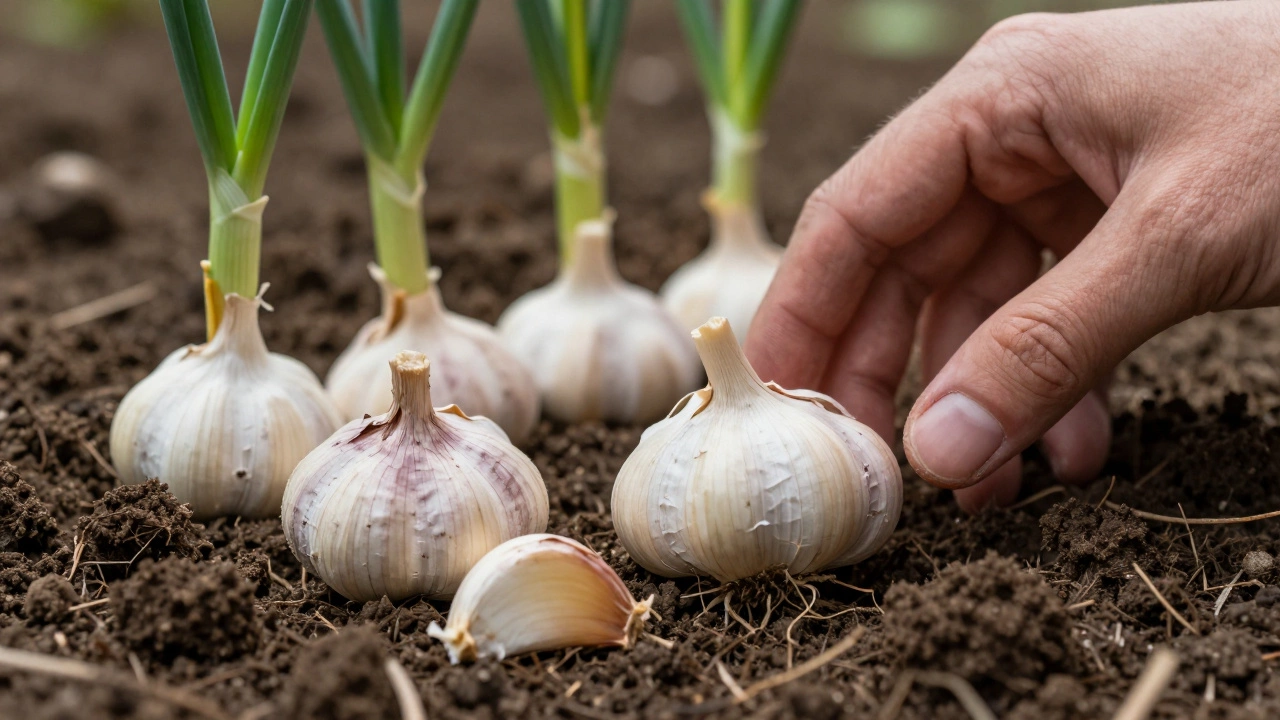
The short answer is religion and health systems. It isn’t always about ethics regarding animals. For many strict vegetarians, particularly those following Jain followers of Jainism who practice non-violence (Ahimsa) towards all living beings , eating garlic contradicts the very core of their spiritual practice. Garlic belongs to a family of plants called Alliums bulbous plants including onions, leeks, chives, and garlic . These grow underground. When you harvest them, the entire life of the plant often dies, which violates the principle of taking minimal life.
The Jain Philosophy of Root Vegetables
To understand the prohibition, you have to look at the lifecycle of a bulb. When you pull a potato or a garlic bulb from the soil, you kill the main organism so you can eat it. Many seeds or leaves can be eaten while leaving the plant alive to regrow. A bulb cannot regenerate easily once removed. This act of killing triggers the concept of non-violence known as Ahimsa the vow to cause no harm to any living creature through thought, word, or deed .
This is why traditional Jain food excludes not just garlic and onions, but also potatoes and carrots in certain interpretations. It goes beyond just the root. There are also concerns about insects hiding in the soil around these bulbs. Even if they aren’t visible, disturbing the earth disturbs microscopic life forms. This level of detail defines what we call “garam masala without onion or garlic” (kanda kela masala) in regional Gujarati cooking. It forces cooks to rely on alternative flavor profiles to create complex curries.
Ayurveda and the Heating Nature of Garlic
Beyond the religious aspect, there is a strong physical argument found in Ayurveda an ancient Indian system of medicine focusing on balance of bodily humors or Doshas . In this medical framework, food is classified by its effect on the mind and body after consumption. Garlic and onions are considered heavy, tamasic foods. They are believed to stimulate the senses aggressively and increase internal heat.
Imagine eating a spicy chili pepper. Your body heats up, sweat forms, and energy spikes. Garlic acts similarly but subtly. Traditional healers suggest that this stimulation leads to mental agitation. If your goal is peace, clarity, or deep meditation, such foods are seen as counterproductive. Instead, the diet encourages Sattvic foods that promote purity, calmness, and clarity of mind . Examples include fresh fruits, milk, nuts, and grains. By removing pungent spices, the practitioner aims to keep the digestive fire, or Agni the metabolic force responsible for digestion and transformation , balanced without over-firing.
Hindu Temple Rules and Dietary Purity
This restriction extends into ritual purity within Hinduism. Many temples in India refuse entry to people who have consumed alcohol or onion-garlic mixtures recently. The priest performing the puja must strictly follow these guidelines before offering prasad. Prasad is sanctified food distributed after worship. If garlic were involved in the cooking process, the offering would be considered ritually impure.
This creates a ripple effect in daily life. Even if someone isn’t a monk, they might avoid these ingredients to maintain personal purity for specific festivals like Diwali or Navratri. It becomes a social marker. In a community gathering, serving onionless food signals respect for everyone’s boundaries. You serve one pot for the mixed crowd to ensure no one feels excluded from the celebration.
Differences Between Lacto and Jain Vegetarianism
Confusion arises because terms get mixed up when moving between regions. A standard lacto-vegetarian diet includes dairy but excludes meat, eggs, fish, and poultry. They eat everything else. However, the Kutchi a term referring to style of cooking originating from Kutch region known for garlic-onion free dishes or strict vegetarian style removes the alliums entirely. This distinction is crucial when buying pre-packaged meals in the UK. If you buy a "vegan" packet, it almost certainly has garlic powder unless specified otherwise. You must check labels carefully.
| Diet Type | Meat/Fish | Eggs | Dairy | Onions/Garlic |
|---|---|---|---|---|
| Lacto-Ovo | No | Yes | Yes | Yes |
| Lacto-Vegetarian | No | No | Yes | Yes |
| Jain Vegetarian | No | No | Usually Yes | No |
| Vegan | No | No | No | Yes (usually) |
Cooking Flavor Without Garlic
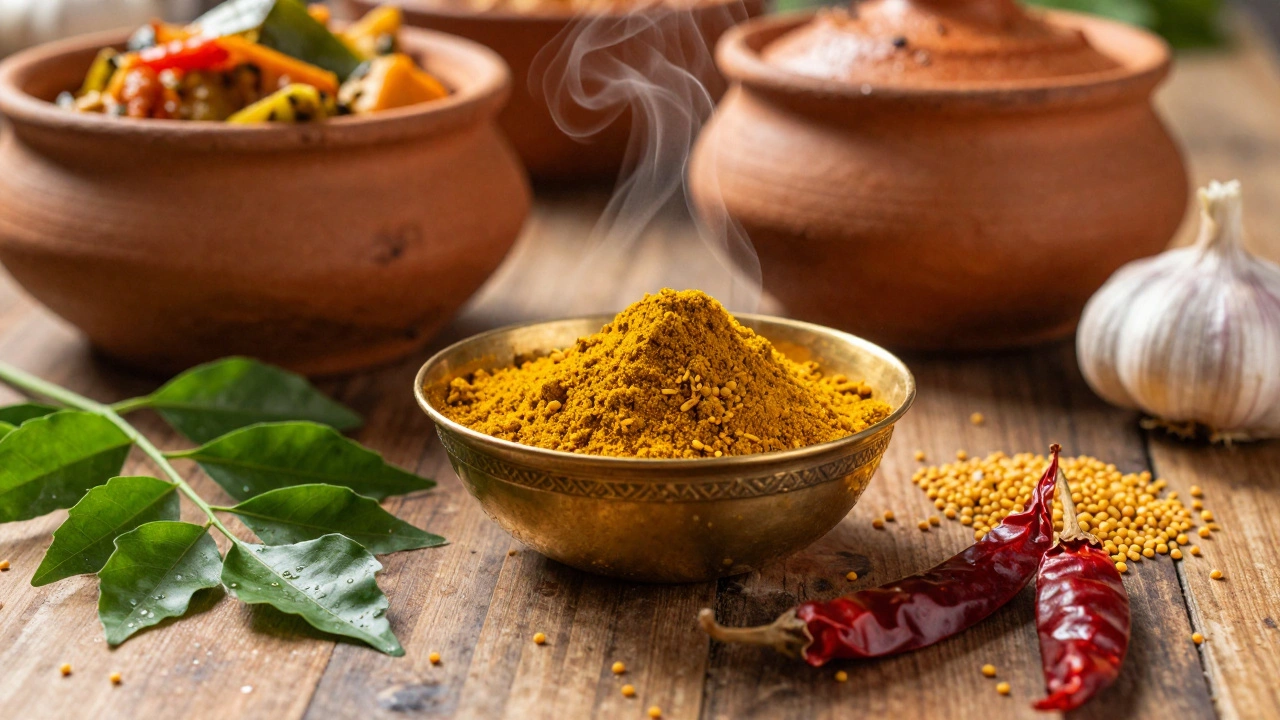
So how do you make flavorful vegetarian Indian dishes without garlic? It requires swapping ingredients that carry similar aromatic weight. In North India, cooks often use asafoetida, commonly known as hing. This resin comes from wild ferula plants. When you fry it in hot oil, it releases a sulfurous smell remarkably similar to cooked onions or garlic. It bridges the flavor gap instantly.
South Indian kitchens take a different route. They rely on mustard seeds, curry leaves, dried red chilies, and coconut. Roasting cumin and coriander seeds whole before grinding them releases oils that add depth. Ginger adds a sharp bite, though purists sometimes exclude it too. Lemongrass provides a citrusy brightness that cuts through rich gravies. If you live in Birmingham, finding ginger paste or lemongrass is easy at local Asian grocers, making substitution practical.

Health Considerations and Modern Science
While the bans come from tradition, do they have scientific backing? Some studies indicate that alliums contain sulfur compounds which help lower blood pressure and support immune function. So avoiding them doesn’t necessarily mean you lose out on vital nutrients. Other sources like leafy greens provide antioxidants. However, people with acid reflux or heartburn issues might notice relief by cutting out raw onions and garlic. These can trigger inflammation in sensitive stomachs. For them, the restriction is purely symptomatic relief.
Navigating Labels in the UK Market
Living in the West means navigating tricky packaging. A label saying “Vegan” is safe for animal products but rarely indicates missing garlic. In 2026, allergen laws in the UK require clear lists. Garlic is often listed under “mustard seed” sections due to cross-contamination risks in factories. If you are adhering to strict rules, look for the green dot logo or specific temple-certified brands available online or in specialized stores. Reading every ingredient line is still the safest bet against hidden powders like onion granules or yeast extract derived from garlic.
Transitioning Your Kitchen Habits
If you wish to adopt this lifestyle, don’t panic about losing taste. Experiment with toasted fennel seeds for sweetness. Use roasted cashews for creaminess without onion base. Green peas and paneer absorb spices well on their own. The trick is layering aromatics early in the process. Fry whole spices before adding water so flavors infuse the liquid. Over time, your palate adjusts. You stop craving the heavy pungency and start appreciating the light, nutty notes of saffron and turmeric. It changes the texture of the meal experience.
Ultimately, the decision rests on where you find meaning. Whether for spiritual discipline, digestive ease, or family tradition, understanding the root helps you respect the choice. It turns a confusing restriction into a deliberate practice of wellness.
Is avoiding garlic part of veganism?
No, standard veganism does not prohibit garlic. It only excludes animal products. Garlic avoidance is specific to Jain or Ayurvedic vegetarian styles.
Can I eat potatoes if I am avoiding garlic?
In strict Jain diets, root vegetables like potatoes are also avoided. However, in simple garlic-free diets, potatoes are often permitted unless stated otherwise.
What causes the bad breath associated with garlic?
Allicin, a compound released when crushing garlic, enters the bloodstream and is expelled through lungs and pores, causing odor for hours.
Are there health benefits to avoiding garlic?
Some individuals find relief from acid reflux and bloating by avoiding alliums, although garlic generally has positive health properties.
Is asafoetida really a good substitute?
Yes, when fried in ghee or oil, asafoetida mimics the savory umami of onions and garlic effectively in curries.