Paneer Freshness Checker
Assess Your Paneer
Select the characteristics that best describe your current block of paneer.
Quick Storage Tips
- Keep submerged in fresh water in an airtight container.
- Change the water daily to prevent bacterial growth.
- Store at the back of the fridge (below 4°C), not in the door.
- If left out >2 hours, discard regardless of smell.
You’ve just pulled a block of paneer from the fridge, ready to toss into your evening curry. But something feels off. Maybe it’s slimy, or maybe it smells slightly sour in a way that isn’t quite right. In Indian kitchens, whether you’re making homemade paneer or buying it from a local grocer, wasting good cheese hurts. But eating spoiled dairy can hurt more. So, how do you tell the difference between cheese that’s just aged and cheese that’s gone bad?
Unlike hard cheeses like Cheddar, which can develop mold on the surface but stay safe underneath, paneer is a fresh, unaged acid-set cheese. This means it has high moisture content and no protective rind. It spoils faster and more unpredictably. If you live in a warm climate like Birmingham, where heating systems run half the year, or if you’ve left your grocery bag on the counter too long, your paneer might be turning. Here is exactly what to look for, smell for, and feel before you cook.
The Sniff Test: Identifying Off Odors
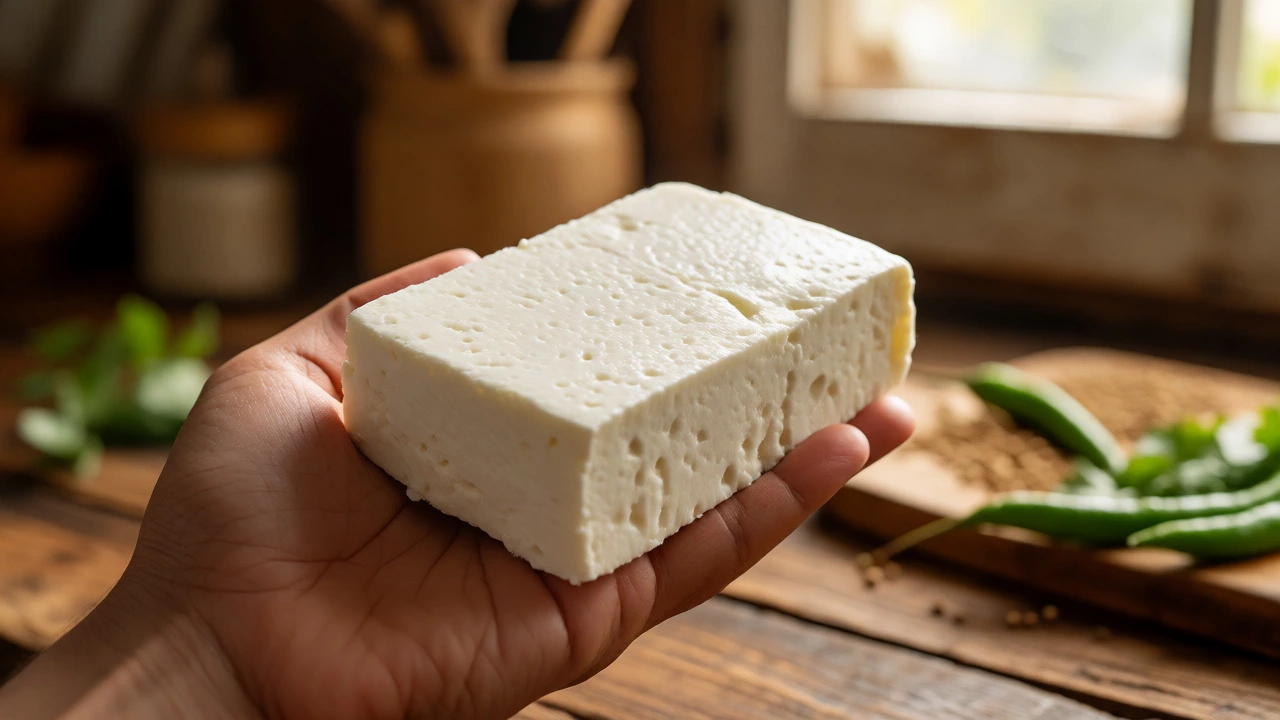
Your nose is your first line of defense. Fresh paneer should smell mild, milky, and clean. Think of the scent of fresh milk or unsweetened yogurt. If you open the pack and hit yourself with a sharp, acidic tang, that’s a red flag. While some fermentation produces pleasant aromas (like in idli batter), paneer shouldn’t smell like vinegar or old socks.
Here’s a breakdown of common smells:
- Fresh/Milky: Safe to eat. This is the neutral, clean scent of curdled milk.
- Slightly Sour/Yogurty: Borderline. If it’s very faint, you might still use it in heavily spiced dishes like Palak Paneer, but taste a tiny piece first. If you made it at home, this might just mean it over-curdled.
- Vinegar/Acidic: Spoiled. The bacteria have started breaking down the lactose aggressively. Toss it.
- Rotten/Eggy: Definitely spoiled. This indicates sulfur compounds developing due to bacterial growth. Do not risk it.
Visual Cues: Color and Surface Texture
Pick up the block. What does it look like? Fresh paneer is stark white or slightly creamy yellow, depending on the milk used. As it ages, two visual things happen: discoloration and slime.
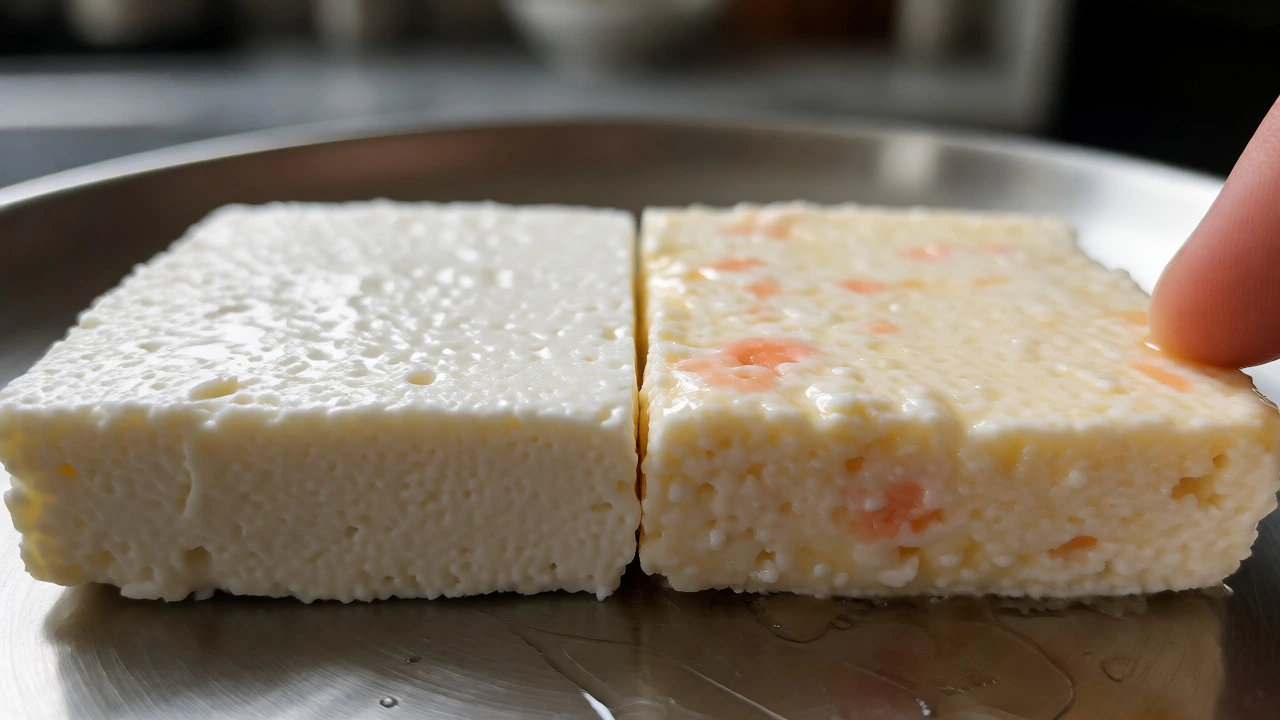
Discoloration: Look for yellowing or pinkish/orange spots. A slight cream tint is normal for full-fat buffalo milk paneer. However, distinct yellow patches usually indicate oxidation or bacterial activity. Pink or orange hues are particularly concerning as they suggest specific types of spoilage bacteria or mold beginning to colonize the surface.
Slime Factor: Run your finger over the surface. Fresh paneer feels smooth, firm, and dry to the touch. If your finger glides over a slick, sticky film, the cheese is decomposing. This slime is a biofilm created by bacteria multiplying on the moist surface. Once you see or feel this, cooking won’t fix the texture; it will likely turn mushy and rubbery simultaneously.
| Feature | Fresh Paneer | Spoiled Paneer |
|---|---|---|
| Smell | Mild, milky, neutral | Sour, vinegar-like, rotten eggs |
| Color | White or creamy yellow | Yellow patches, pink/orange spots, greyish hue |
| Texture | Firm, crumbly, dry surface | Sticky, slimy, mushy, disintegrating |
| Taste | Bland, milky | Bitter, excessively sour, metallic |
The Touch and Taste Test
If the smell and sight are ambiguous, press the paneer gently. Good paneer has structural integrity. It should spring back slightly or hold its shape when pressed. Spoiled paneer often becomes brittle (crumbling apart instantly) or conversely, turns into a paste that sticks to your fingers. The protein structure breaks down as enzymes go rogue.
Still unsure? Cut a small cube and fry it in a little ghee or oil. Heat amplifies flavors. If it tastes bitter, it’s done. Bitterness in paneer is almost always a sign of spoilage or poor-quality milk used during preparation. If it tastes fine but looks weird, trust your gut-literally. When in doubt, throw it out. A block of paneer costs a few pounds; food poisoning doesn’t pay well.
Homemade vs. Store-Bought: Different Lifespans
If you make your own Indian cottage cheese, you control the clock. Homemade paneer lacks preservatives like potassium sorbate found in commercial packs. Therefore, it spoils faster.
- Homemade Paneer: Lasts 3-5 days in the fridge if stored correctly. Always store it submerged in water inside an airtight container. Change the water daily. If you don’t change the water, the stagnant liquid becomes a breeding ground for bacteria, accelerating spoilage.
- Store-Bought Paneer: Check the "Use By" date, but treat it as a suggestion, not a law. Unopened vacuum-packed paneer can sometimes last a week past the date if kept cold. Once opened, it behaves like homemade: 2-3 days max. Note that some brands add citric acid or calcium chloride, which can alter the shelf life and taste profile.
Proper Storage to Prevent Early Spoilage
Most spoilage happens because of improper storage, not just time. Paneer is hygroscopic-it absorbs moisture and odors from its environment.
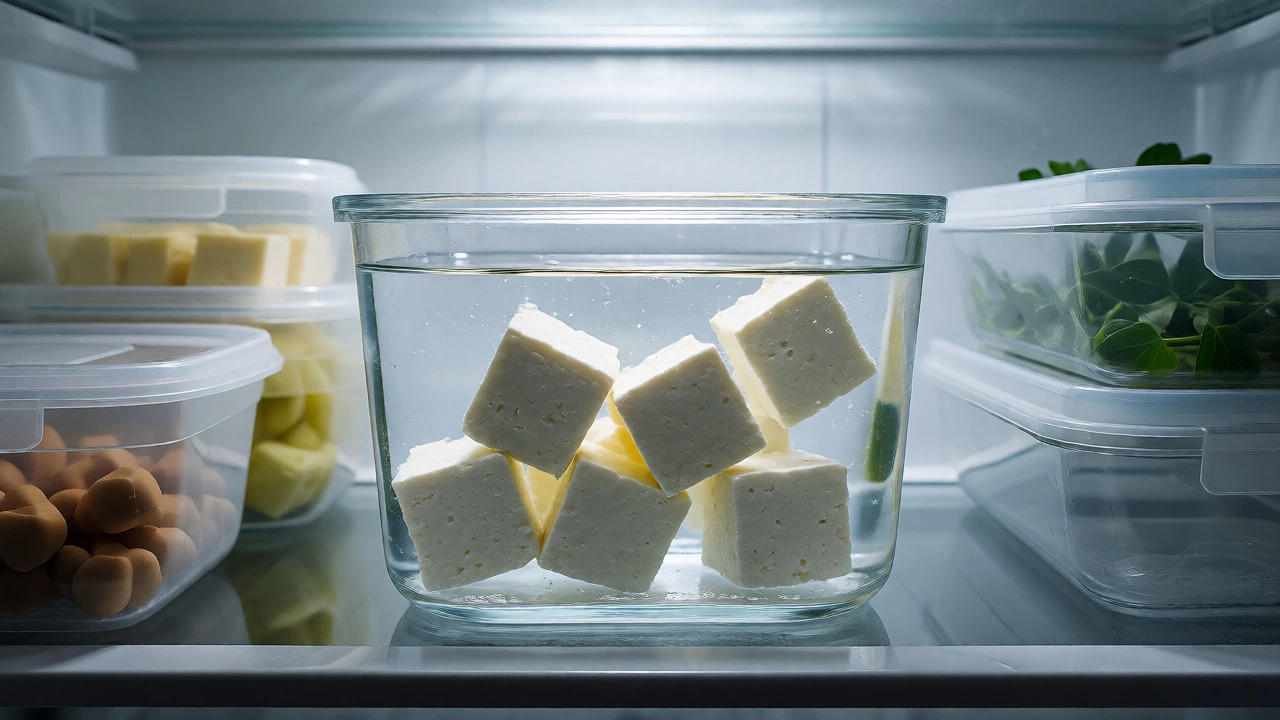
- Keep it Submerged: Place the block in a container and fill it with fresh, cold water. This prevents the surface from drying out and forming a crust, which cracks and lets air (and bacteria) in.
- Airtight Container: Don’t leave it in the original plastic wrap once opened. Transfer it to glass or BPA-free plastic with a tight lid. This stops it from absorbing fridge odors (like leftover onion or fish).
- Temperature Control: Keep your fridge below 4°C (39°F). In warmer months, place the container at the back of the fridge, not in the door, where temperatures fluctuate every time you open it.
- Freezing Option: If you can’t use it within 3 days, freeze it. Slice it first, wrap tightly in cling film, then foil. Frozen paneer lasts up to 60 days. Note: Freezing changes the texture, making it spongier. It’s best for curries, not for grilling or raw salads.
What Happens If You Eat Slightly Spoiled Paneer?
Eating paneer that is one day past its prime might give you a stomach ache. Eating truly spoiled paneer can lead to foodborne illness. Symptoms include nausea, vomiting, diarrhea, and abdominal cramps, typically appearing within 1-6 hours. Because paneer is dairy, lactose-intolerant individuals might mistake mild digestive upset for spoilage, so always check the sensory cues first. If the paneer was left out at room temperature for more than two hours, assume it’s unsafe regardless of how it smells, as bacteria multiply rapidly in the "danger zone" (4°C-60°C).
Common Myths About Paneer Quality
Myth 1: Yellow paneer is always spoiled. Not necessarily. If you used rich, full-fat buffalo milk, natural carotene pigments can give a creamy yellow tint. This is actually a sign of high fat content, not spoilage. Only worry about yellow if it’s patchy or accompanied by a sour smell.
Myth 2: You can cut off the moldy part. For hard cheeses, yes. For soft, high-moisture cheeses like paneer, no. Mold roots (hyphae) penetrate deep into the porous structure. Even if you cut away the visible spot, invisible toxins may remain throughout the block.
Myth 3: Boiling fixes everything. Cooking kills bacteria, but it doesn’t remove heat-stable toxins produced by those bacteria. Plus, the flavor of bitter, spoiled paneer won’t improve with spices. You’ll just end up with a gritty, unpleasant curry.
Can I eat paneer if it smells slightly sour?
It depends on the intensity. A very faint, yogurt-like tang might be acceptable in heavily spiced dishes, especially if the texture is still firm and dry. However, if the smell is sharp, vinegary, or unpleasant, discard it. When in doubt, throw it out.
How long does homemade paneer last in the fridge?
Homemade paneer typically lasts 3 to 5 days when stored properly. To maximize freshness, keep it submerged in fresh water in an airtight container and change the water every 24 hours.
Why did my paneer turn yellow?
A uniform creamy yellow color is often natural, resulting from using full-fat buffalo or cow milk with high beta-carotene content. However, patchy yellowing combined with a sour smell or slimy texture indicates spoilage.
Is it safe to eat paneer with black spots?
No. Black spots usually indicate mold growth. Since paneer is a soft cheese, mold spores can penetrate deeper than they appear. It is safest to discard the entire block rather than trying to cut around the spots.
Can I freeze paneer to extend its life?
Yes, freezing extends the life of paneer up to 60 days. However, the texture becomes spongy and less creamy upon thawing. It is best suited for cooked dishes like curries rather than raw applications or grilling.