Curry Thickener Selector
Select your constraints below to find the perfect thickening method for your current dish.
Recommended Method:
Why?Instructions
Pro Tips & Warnings
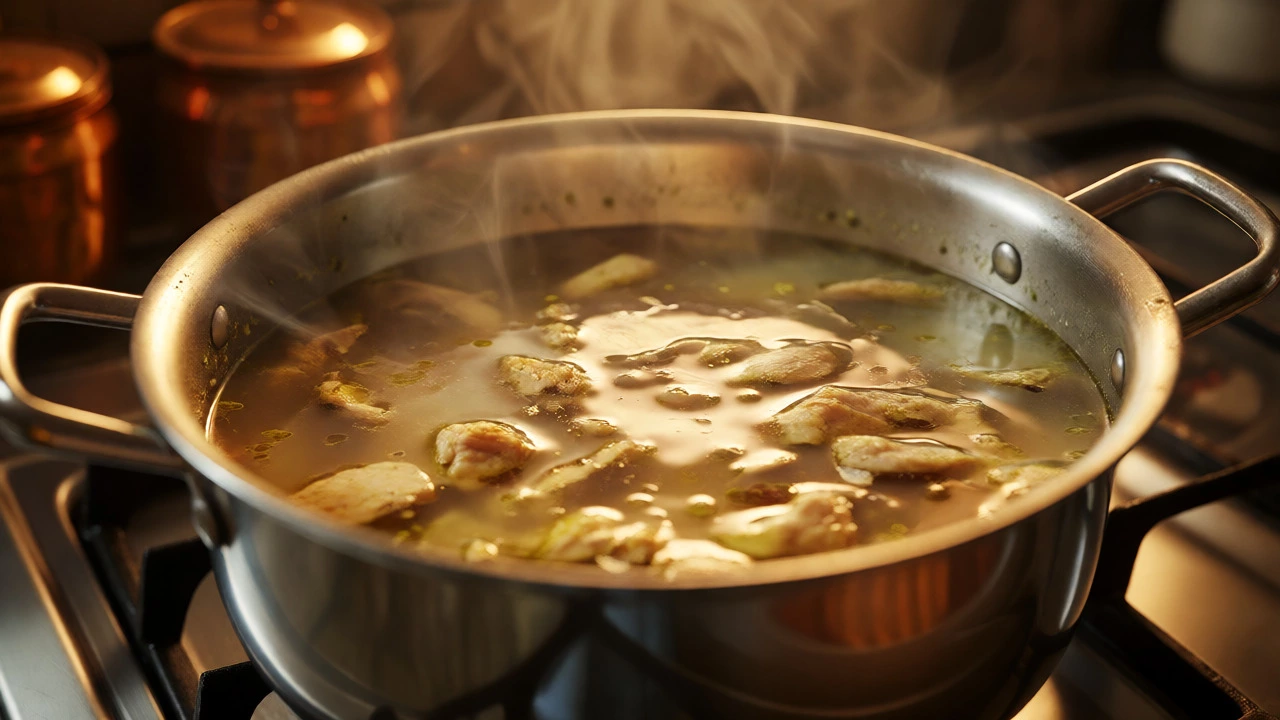
You know that feeling? You’ve spent hours simmering your Chicken Curry is a staple dish in many households, known for its rich spices and tender meat., the aroma is perfect, but when you ladle it onto your plate, it looks like soup. Not the luxurious, coat-the-rice gravy you wanted. It’s frustrating, especially when guests are arriving or you’re just craving comfort food. The good news? You can fix this without starting over. Whether you want a velvety North Indian style or a lighter South Indian consistency, there are simple ways to get that body back into your sauce.
Why Your Curry Might Be Too Thin
Before we fix it, let’s look at why it happened. Usually, it comes down to water content or lack of binding agents. Did you add too much stock? Did you skip the step where onions caramelize properly? Onions are natural thickeners because their sugars break down and create viscosity. If you rushed that step, your base lacks structure. Also, some curries rely on coconut milk or yogurt, which can separate if heated too aggressively, turning your rich sauce into a watery mess with floating bits. Understanding the root cause helps you pick the right thickener. If it’s just too much liquid, reduction is best. If it lacks body, you need a starch or puree.
Method 1: Simmer and Reduce
The most traditional way to thicken a curry is patience. Just let it cook longer. Uncover the pot and let the steam escape. This concentrates the flavors and evaporates excess water. It sounds obvious, but many people cover the lid, trapping moisture inside. For a standard chicken curry, simmering uncovered for another 10-15 minutes on low heat can make a huge difference. Stir occasionally so nothing sticks to the bottom. This method doesn’t change the flavor profile; it just intensifies it. It’s ideal if you’ve already balanced your spices perfectly and don’t want to introduce new ingredients that might alter the taste. However, be careful not to burn the garlic or ginger paste at the bottom. If the oil starts separating too much, add a splash of hot water and continue simmering gently.
Method 2: The Cornstarch Slurry
If you’re in a hurry, cornstarch is your best friend. But here’s the trick: never dump dry powder directly into hot curry. It will clump instantly, leaving you with lumpy disasters. Instead, mix one tablespoon of cornstarch with two tablespoons of cold water until smooth. This is called a slurry. Slowly stir this mixture into your simmering curry. Let it cook for another 2-3 minutes. The heat activates the starch, creating a glossy, thick texture. This works well for restaurant-style gravies that have that specific sheen. Keep in mind that cornstarch can make the curry look slightly translucent. If you prefer an opaque, matte finish, this might not be your first choice. Also, avoid boiling vigorously after adding the slurry, as high heat can break down the starch bonds, making the curry thin again later.
Method 3: Use Coconut Milk or Cream
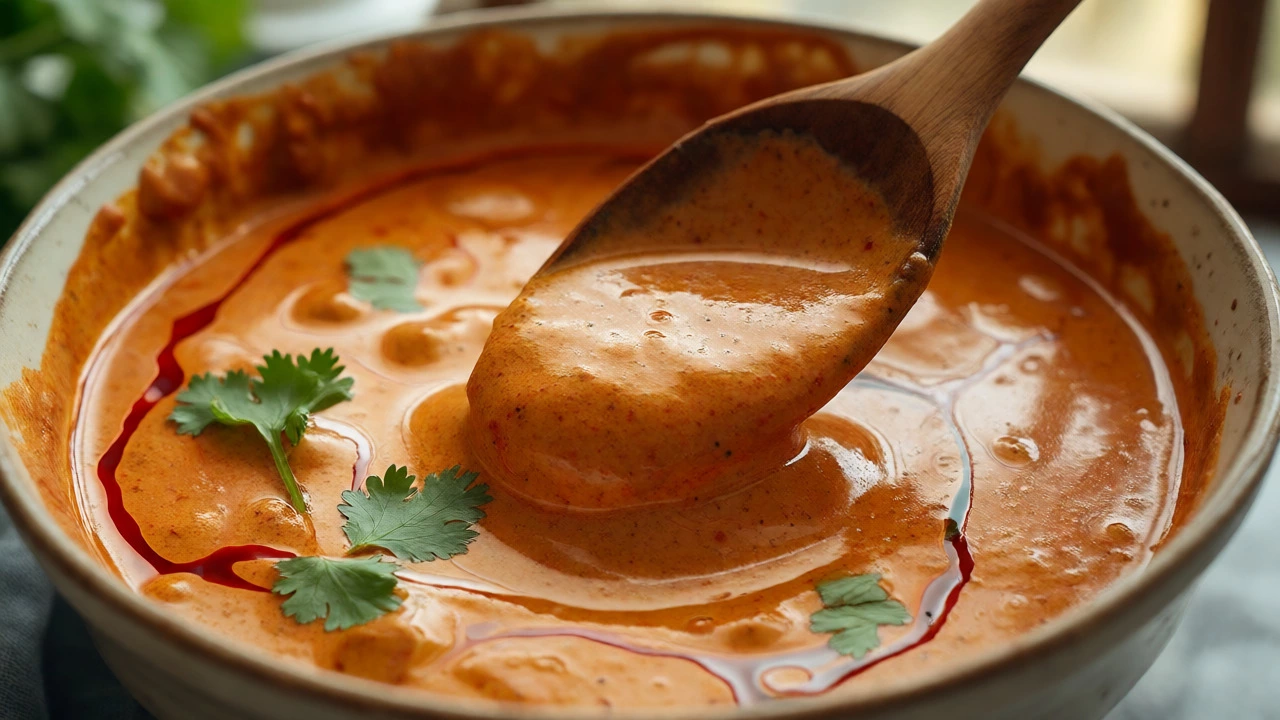
For richer, creamier curries, fat is a fantastic thickener. Full-fat coconut milk adds both body and a subtle sweetness that pairs beautifully with spicy dishes. Heavy cream does something similar, giving you a luxurious mouthfeel. Add half a cup of coconut milk or a few tablespoons of heavy cream during the last five minutes of cooking. Stir gently. Do not boil hard, or the dairy might split. This method is perfect for Korma or Butter Chicken styles. It also mellows out excessive heat from chili peppers, so if your curry is too spicy, this helps balance it. Note that using dairy or coconut changes the calorie count and flavor profile, so adjust your salt and spice levels accordingly after adding these fats.
Method 4: Ground Nut Paste
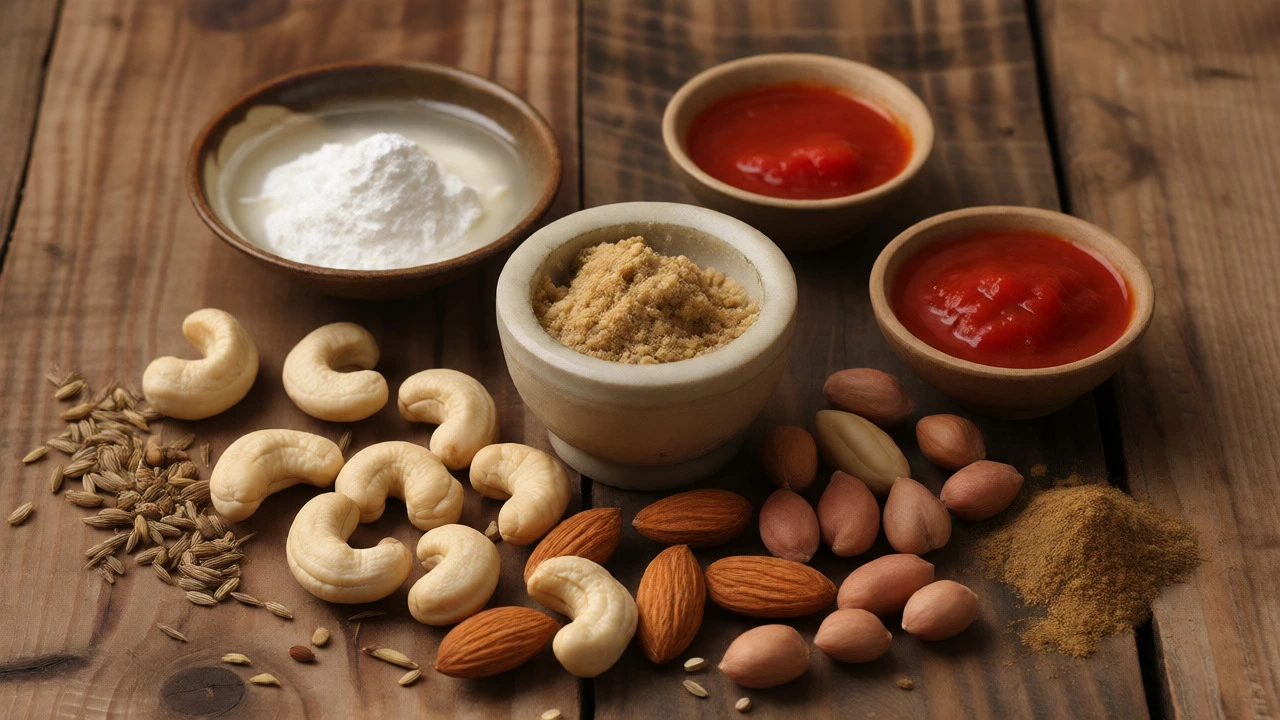
This is a secret weapon in many authentic recipes. Cashews, almonds, or peanuts can be ground into a fine paste and stirred into the curry. Soak raw cashews in warm water for 15 minutes, then blend them with a little water until smooth. Stir this paste into your simmering curry. It thickens the gravy while adding a nutty richness and protein. This technique is common in Mughlai cuisine. It creates a velvety texture that feels indulgent without being overly heavy like cream. If you use peanuts, ensure they are roasted and skinned for a deeper flavor. This method requires a blender, so plan ahead. It’s excellent for those who want to avoid processed starches like cornflour but still want a thick, hearty sauce.
Method 5: Tomato Puree or Paste
Tomatoes contain pectin, a natural gelling agent. If your curry has a tomato base, you can leverage this. Blend fresh tomatoes into a smooth puree or use store-bought tomato paste. Stir it into your curry and let it cook down. As the water evaporates, the pectin helps bind the sauce, making it thicker and more cohesive. This works particularly well for Rogan Josh or Vindaloo styles. Using tomato paste is faster because most of the water is already removed. Just add a couple of tablespoons and simmer for ten minutes. Be aware that this increases acidity. You might need to add a pinch of sugar to balance the tartness. This method keeps the dish relatively light compared to cream-based options, making it a healthier choice for many.
Comparison of Thickening Agents
| Agent | Effect on Texture | Flavor Impact | Best For |
|---|---|---|---|
| Cornstarch | Glossy, clear thickness | Neutral | Restaurant-style gravies |
| Coconut Milk | Creamy, opaque | Sweet, tropical | Korma, Thai-inspired curries |
| Ground Nuts | Velvety, rich | Nutty, earthy | Mughlai dishes, Shahi Paneer |
| Tomato Paste | Body-building, acidic | Tangy, savory | Rogan Josh, Chettinad |
| Reduction | Concentrated, intense | Intensified existing flavors | Any curry with time to spare |
Avoiding Common Mistakes
One big mistake is adding flour directly to the hot pan. Raw flour tastes chalky and won’t dissolve properly unless cooked in fat first (a roux). Another error is adding cold liquids to a boiling curry, which shocks the emulsion and causes separation. Always temper your additions. If you’re using yogurt, whisk it smooth before adding, and take the pot off the heat briefly to cool it slightly before stirring in the yogurt. This prevents curdling. Also, remember that curries often thicken as they cool. If it looks slightly loose in the pot, it might be perfect once it sits for a few minutes off the flame. Don’t over-thicken it in a panic, or you’ll end up with a glue-like consistency.
Final Thoughts on Texture
Getting the right consistency is part art, part science. There is no single "correct" thickness for all curries. A Punjabi butter chicken should be lush and creamy, while a Goan fish curry might be thinner and broth-like. Trust your palate and your visual cues. Start with small adjustments. You can always add more thickener, but you can’t easily remove it. Experiment with these methods in your kitchen in Birmingham, maybe try a batch of chicken curry this weekend. See which method fits your lifestyle and taste preferences best. Once you master these techniques, you’ll never serve a watery curry again.
Can I use plain flour to thicken curry?
Yes, but you must cook it first. Mix equal parts flour and oil or ghee in a small pan, cook for 1-2 minutes to remove the raw taste, then stir this roux into your curry. Adding raw flour directly leads to a pasty, undercooked flavor.
Why did my curry become watery after adding yogurt?
This usually happens due to curdling caused by high heat. Yogurt separates when boiled rapidly. To prevent this, whisk the yogurt smooth, remove the curry from heat, let it cool slightly, then stir in the yogurt gradually. Reheat gently afterwards.
Does cornstarch change the taste of curry?
Cornstarch itself is flavorless, so it won't alter the taste significantly. However, it can give the gravy a slightly glossy, artificial appearance compared to natural thickeners like nuts or reduced onions. Use sparingly to maintain authenticity.
How long does it take to thicken curry by reduction?
It depends on the volume and heat, but typically 10-20 minutes of simmering uncovered on medium-low heat is enough to reduce excess liquid noticeably. Stir frequently to prevent sticking.
Is it better to thicken curry before or after adding chicken?
Ideally, thicken the gravy base before adding the chicken if you are using starchy thickeners like cornstarch, as prolonged boiling can break them down. If using reduction or nut pastes, you can do it either way, but ensuring the chicken is cooked through is priority.