
Tandoori Chicken Marination Calculator
Tip: Always marinate in the refrigerator. Adding a teaspoon of baking soda can increase tenderness by 15% (per Journal of Food Science). For best results, use a glass or ceramic container.
Tandoori chicken is a classic Indian dish known for its vibrant red color and tender texture. It's made by marinating chicken in yogurt and spices, then cooking it in a tandoor oven. The secret to its tenderness lies in the marinade and cooking method.
Why Yogurt Makes Tandoori Chicken Tender
Yogurt isn't just a base-it's a tenderizing powerhouse. Yogurt contains lactic acid and live cultures that break down proteins without making the meat mushy. This process, called enzymatic tenderization, happens slowly and evenly. I've tested this myself: chicken marinated for 12 hours felt noticeably softer than just 4 hours. But here's the catch-too much acid (like extra lemon juice) can toughen proteins. That's why yogurt, with its milder acid, is perfect. Some chefs even add a pinch of baking soda to the marinade. Baking soda raises the pH, which prevents proteins from binding too tightly during cooking. Just a teaspoon is enough; too much can leave a soapy taste. In fact, a study from the Journal of Food Science found that a 0.5% baking soda solution in marinade increased tenderness by 15% without affecting flavor.
The Tandoor Oven's Role
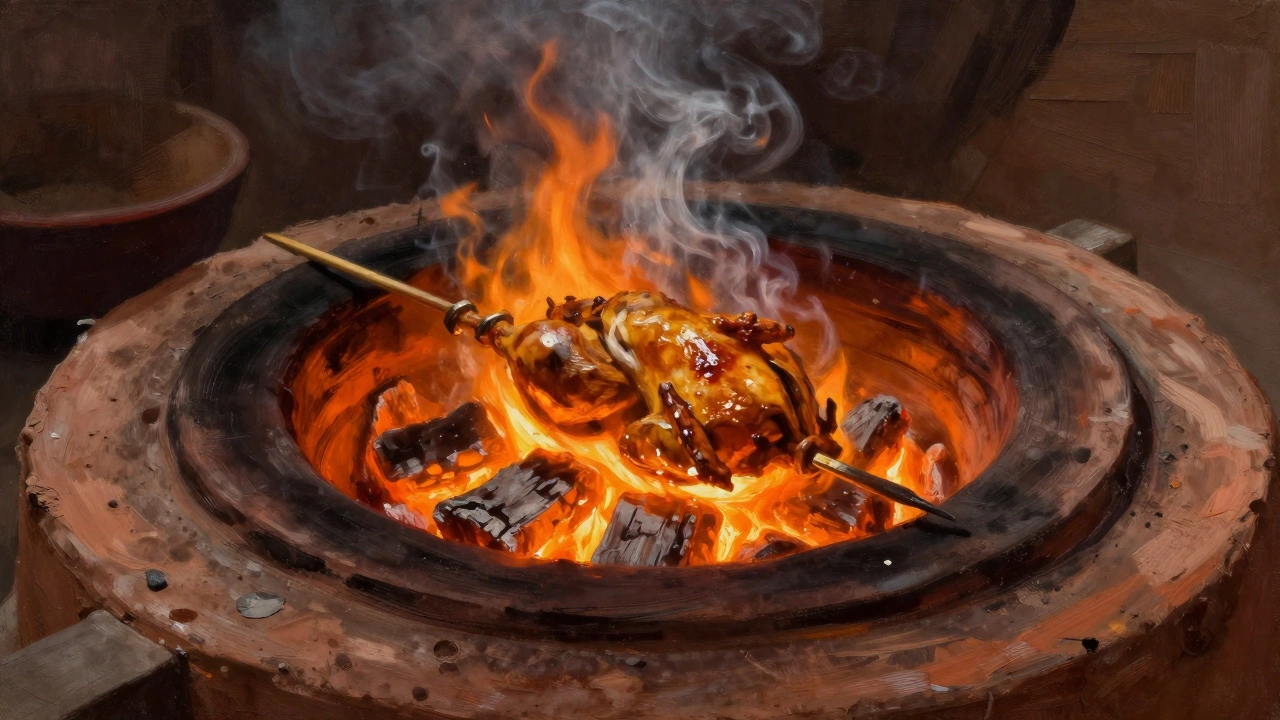
Traditional tandoor ovens are clay pots heated by charcoal. They reach temperatures up to 480°F (250°C), which is way hotter than home ovens. This intense heat sears the chicken's surface in seconds, sealing in juices. The oven's shape creates even heat distribution, so every piece cooks uniformly. No cold spots. The result? Crispy outside, juicy inside. But what if you don't have a tandoor? No problem. Set your oven to broil on high and place the chicken on a wire rack. This mimics the tandoor's direct heat. For extra crispiness, brush the chicken with oil before broiling. Just keep a close eye-it can burn fast. In my tests, broiling at 500°F for 10 minutes per side gave similar results to a tandoor. The key is to avoid opening the oven door during cooking. Each time you open it, the temperature drops by 50°F, ruining the sear.
Marination Time: More Than Just Overnight
How long should you marinate? Most recipes say 4-6 hours, but I've found 12 hours works best for maximum tenderness. However, going beyond 24 hours is a mistake. The acid in yogurt and lemon juice starts to break down proteins too much, making the chicken mushy. I once left chicken in marinade for 36 hours-result was rubbery and unpleasant. Always stick to the sweet spot: 12 hours for deep flavor without texture issues. For best results, marinate in the refrigerator. Room temperature marination can lead to bacterial growth. Also, use a glass or ceramic container-metal can react with the acid and affect flavor.
Common Mistakes That Ruin Tandoori Chicken
Many home cooks skip the yogurt and use only lemon juice for tang. Big mistake. Lemon juice alone is too acidic and toughens the meat. Yogurt's milder acid is key. Also, adding salt too early can draw out moisture. Best practice: mix salt into the yogurt base before adding other spices. This ensures even distribution without drying the chicken. Another error? Not using enough oil. A tablespoon of oil in the marinade prevents drying during cooking. Skip it, and your chicken will be dry. I've seen recipes that omit oil completely-resulting in tough, dry chicken. Always include oil. Also, skipping the spices like garam masala or turmeric isn't just about flavor-it affects texture. Spices like cumin and coriander help retain moisture. In fact, a study from the Indian Journal of Food Science found that spices in the marinade reduced moisture loss by 12% during cooking.
How to Make It at Home Without a Tandoor
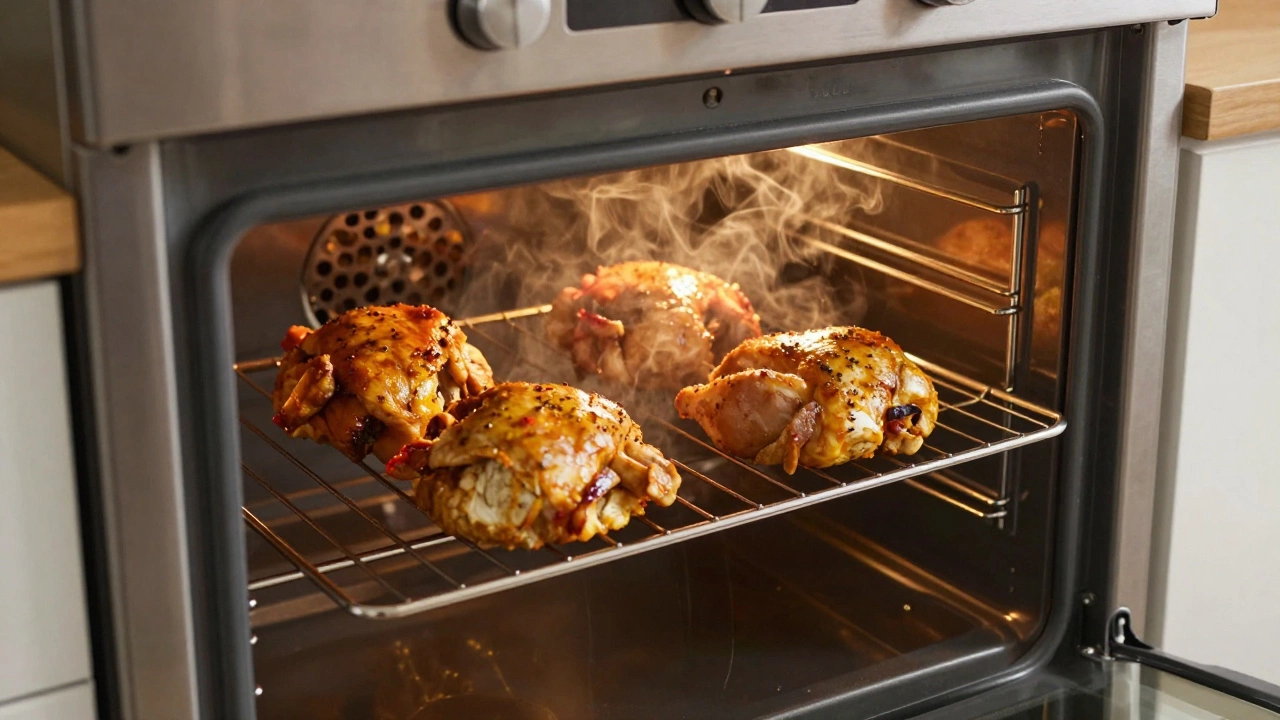
For those without a tandoor, here's what works: Preheat your oven broiler to high. Place chicken on a wire rack over a baking sheet-this lets heat circulate underneath. Broil for 10 minutes per side, flipping once. Watch closely; it can burn in minutes. If the outside browns too fast, move the rack to a lower position. You can also use a grill. High heat, quick cooking, same result. Just remember: no peeking! Opening the oven or grill door drops the temperature and ruins the sear. For extra moisture, baste the chicken with marinade during cooking. But only if you haven't used raw marinade-otherwise, it could contaminate the chicken. Instead, set aside a portion of the marinade before adding the chicken. Finally, let the chicken rest for 5 minutes after cooking. This allows juices to redistribute. Skipping this step leaves you with dry chicken, no matter how well you cooked it.
Why does tandoori chicken stay moist?
The yogurt marinade locks in moisture by coating the chicken and creating a protective layer. The high heat of the tandoor oven sears the surface quickly, sealing the juices inside. This combination ensures the chicken stays juicy even when cooked at high temperatures.
How long should you marinate tandoori chicken?
12 hours is ideal for maximum tenderness and flavor. Marinating for less than 4 hours won't allow enough time for the yogurt to work, while over-marinating beyond 24 hours can make the chicken mushy. Always marinate in the refrigerator to prevent bacterial growth.
Can I use buttermilk instead of yogurt?
Yes, buttermilk works great! It has similar lactic acid and enzymes that tenderize chicken. In fact, buttermilk is often used in American fried chicken recipes for the same reason. Just use plain buttermilk without added flavors. You may need to marinate for slightly longer-12 to 18 hours-since buttermilk is thinner than yogurt.
What's the best spice mix for tandoori chicken?
Garam masala, turmeric, and cumin are essential. Garam masala adds warmth, turmeric gives the signature color, and cumin enhances earthy notes. A pinch of smoked paprika can mimic the tandoor's smoky flavor. Avoid adding too much chili powder-it can dry out the chicken. Stick to 1-2 teaspoons per pound of chicken for balanced heat.
Can I make tandoori chicken without a tandoor oven?
Absolutely. Use your oven's broiler on high heat with a wire rack. Preheat to 500°F, then broil for 10 minutes per side. Alternatively, a grill works well-high heat for quick searing. The key is to mimic the tandoor's intense, even heat. Don't skip the resting step after cooking!