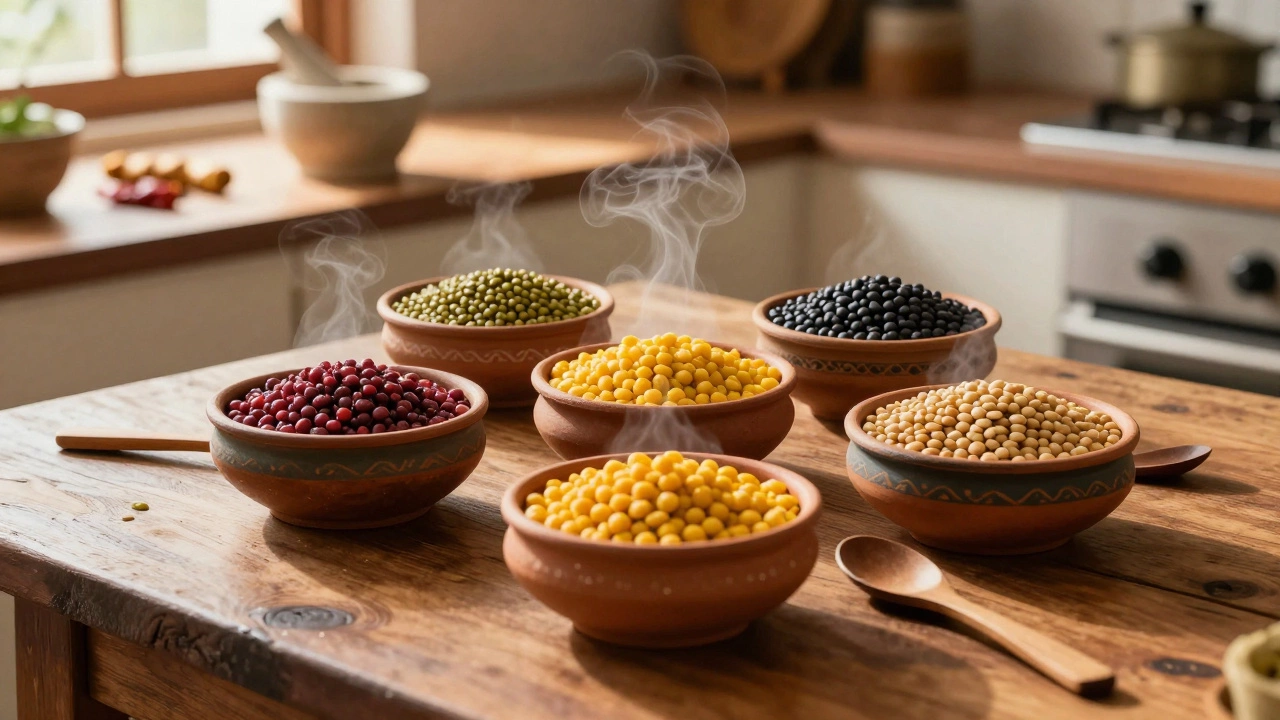
Dal Health Selector
Find your perfect dal match based on your health goals and dietary preferences. This tool uses scientific data from the article to recommend which lentil would be most beneficial for you.
Note: This tool is designed to help you make informed choices about dals based on nutritional profiles. It doesn't replace medical advice.
When you think of dal, you probably picture a warm, comforting bowl of lentils served with rice or roti. But not all dals are created equal. Some pack more protein, fiber, and micronutrients than others. If you’re trying to eat healthier without giving up traditional flavors, choosing the right dal makes a real difference.
What Makes a Dal Healthy?
A healthy dal isn’t just about calories. It’s about what’s inside: protein, fiber, iron, folate, magnesium, and antioxidants. The best dals are minimally processed, cooked simply, and eaten with whole grains or vegetables to boost absorption. Many people assume all lentils are the same, but the differences matter.
For example, masoor dal (red lentils) cooks fast and is rich in folate, while chana dal (split chickpeas) has more fiber and a lower glycemic index. Urad dal (black gram) is high in iron and protein, but it’s also harder to digest if not soaked well. The healthiest dal for you depends on your goals-whether you need more energy, better digestion, or stronger blood health.
Top 5 Healthiest Dals Ranked by Nutrition
Based on USDA data and traditional Ayurvedic wisdom, here are the five most nutritious dals you can easily find in any Indian grocery store.
- Masoor dal (red lentils) - 18g protein, 15g fiber per cooked cup. High in folate and potassium. Cooks in under 20 minutes. Great for heart health and pregnancy.
- Chana dal (split chickpeas) - 15g protein, 12g fiber per cup. Low glycemic index. Rich in calcium and zinc. Helps control blood sugar.
- Moong dal (green gram) - 14g protein, 8g fiber per cup. Easy to digest. Contains antioxidants like vitexin and isovitexin. Often used in detox diets.
- Urad dal (black gram) - 18g protein, 8g fiber per cup. Highest iron content among common dals. Good for anemia and bone health. Needs soaking overnight.
- Toor dal (pigeon pea) - 15g protein, 10g fiber per cup. High in magnesium and B vitamins. A staple in South Indian sambar.
These numbers come from cooked, unsalted, unseasoned portions. Add salt, oil, or cream, and the health benefits drop. Keep it simple: one tablespoon of ghee, a pinch of turmeric, and garlic is enough.
Why Masoor Dal Wins for Most People
If you’re looking for one dal to make your default, go with masoor dal. It’s the most balanced. It’s not too heavy on the stomach, cooks fast, and delivers more protein and fiber than most grains. A 2023 study from the Indian Council of Medical Research found that people who ate masoor dal four times a week had 17% lower LDL cholesterol than those who didn’t.
It’s also the easiest to digest. Unlike urad or chana dal, masoor dal doesn’t cause bloating in most people. That’s why it’s often the first dal introduced to babies and seniors. It’s gentle, nutrient-dense, and versatile.
Try this simple recipe: Rinse 1 cup masoor dal, boil with water and a pinch of turmeric until soft (15-20 mins). Temper with mustard seeds, cumin, dried red chilies, and a teaspoon of ghee. Serve with brown rice. That’s it. No cream. No sugar. No fancy spices.
Chana Dal for Blood Sugar Control
If you’re managing prediabetes or insulin resistance, chana dal is your best bet. It has a slower digestion rate because of its high fiber and resistant starch content. One study in the Journal of Nutrition and Metabolism showed that replacing white rice with chana dal in meals lowered post-meal glucose spikes by 32%.
It’s also packed with zinc, which helps with immune function, and calcium, which many Indian diets lack. Most people skip chana dal because it takes longer to cook-up to 45 minutes. But if you soak it overnight, it cuts cooking time in half.
Make a chana dal khichdi: combine equal parts chana dal and brown rice, add turmeric, ginger, and cumin. Simmer until soft. Top with a spoon of yogurt. It’s a complete meal that keeps you full for hours.
Moong Dal: The Digestive Powerhouse
Moong dal is often used in Ayurveda for cleansing the body. It’s light, cooling, and easy on the gut. Unlike other dals, it doesn’t cause gas or bloating even in sensitive stomachs. That’s because it contains fewer raffinose sugars-the type that feed gut bacteria and cause flatulence.
It’s also rich in polyphenols, which fight inflammation. A 2024 trial from the University of Delhi found that people who ate moong dal daily for six weeks had lower markers of inflammation than those who ate only rice and roti.
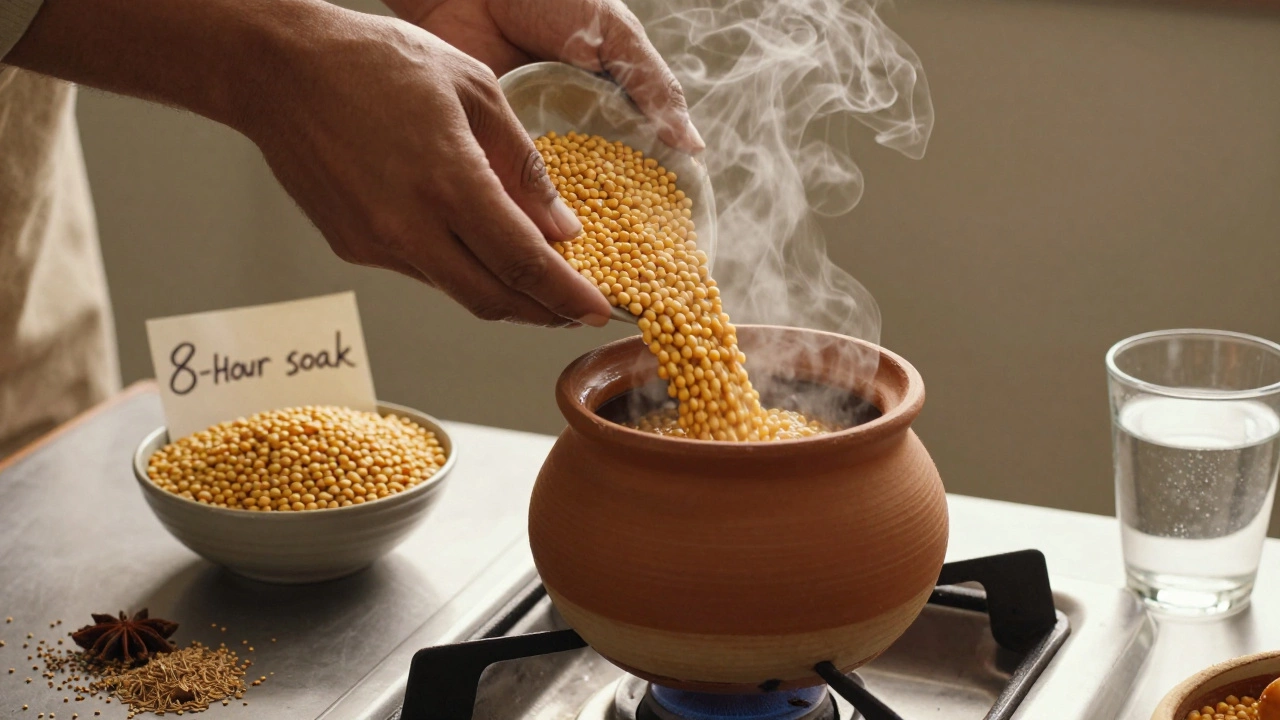
Make moong dal sprouts: soak for 8 hours, then leave in a dark, damp cloth for 2 days. Eat raw in salads or lightly sauté with cumin and onion. You’ll get a protein boost without cooking.
Urad Dal: Iron and Strength
Urad dal is the most iron-rich lentil you can buy-about 3.5mg per half cup cooked. That’s nearly 20% of your daily need. It’s also high in protein and magnesium, which helps with muscle function and sleep.
But here’s the catch: urad dal is dense. It’s harder to digest. If you have IBS, acid reflux, or slow digestion, eat it sparingly. Always soak it for 8-12 hours, then discard the water. This removes phytic acid, which blocks mineral absorption.
Traditional use: urad dal batter for dosas and idlis. Fermentation breaks down anti-nutrients and boosts B vitamins. If you make your own idli batter, you’re getting a probiotic-rich, high-protein meal.
Toor Dal: The South Indian Workhorse
Toor dal is the backbone of sambar. It’s not as high in protein as urad or masoor, but it’s rich in magnesium, which many people in India are deficient in. Magnesium helps with muscle cramps, anxiety, and blood pressure.
It’s also a good source of thiamine (B1), which supports nerve function. In rural Tamil Nadu, families eat toor dal with rice and vegetables every day. No fancy supplements needed.
For best results, cook toor dal with tamarind, drumstick, and tomatoes. The vitamin C in tomatoes helps your body absorb the iron in the dal.
What to Avoid
Not all dals are healthy when prepared wrong. Avoid:
- Dals cooked with excessive oil or cream (like dal makhani)
- Instant dal packets with added MSG or preservatives
- Dal fried as snacks (like bhujia or papad)
- Dal served with white rice and no vegetables
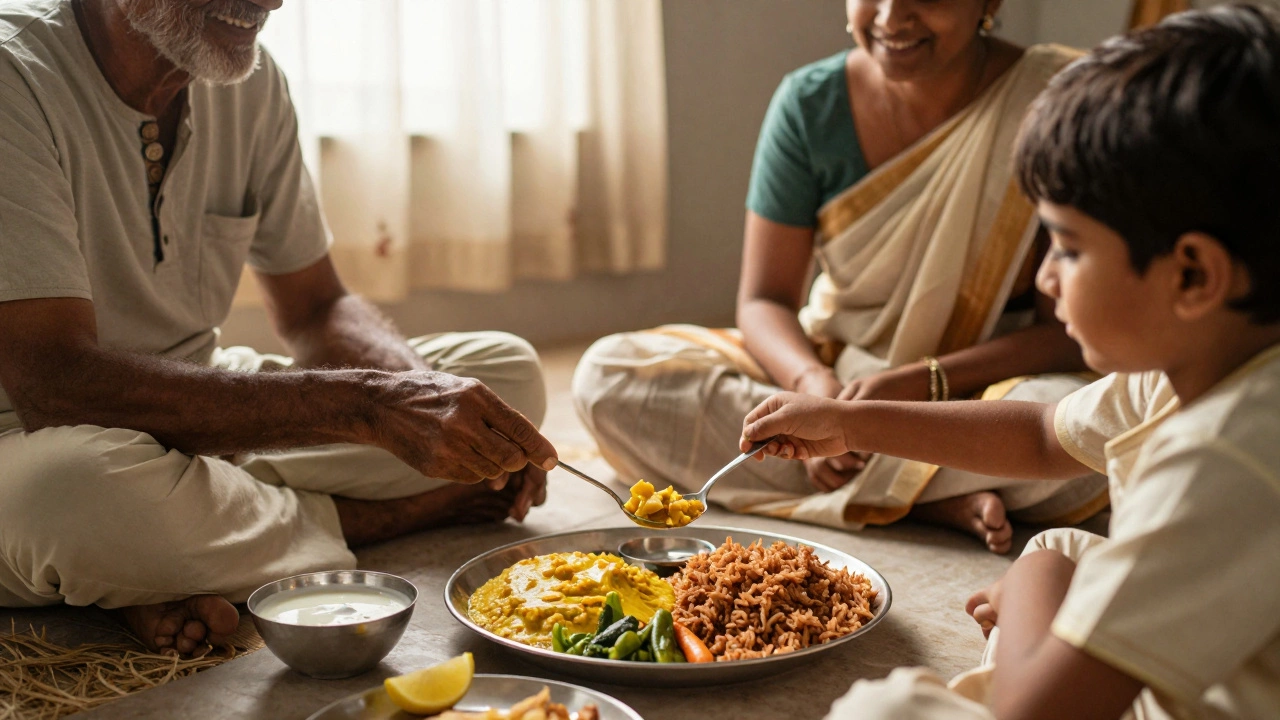
White rice spikes blood sugar fast. Pair your dal with brown rice, quinoa, or millet instead. Add spinach, carrots, or bottle gourd to your dal for extra fiber and vitamins.
Simple Rules for Eating Dal Every Day
You don’t need to be an expert to eat dal healthily. Just follow these:
- Use whole, unprocessed dals-not powdered or instant mixes.
- Soak hard dals (urad, chana) overnight to reduce bloating.
- Always cook with turmeric and cumin-they aid digestion and reduce inflammation.
- Pair with vitamin C-rich foods (tomatoes, lemon, bell peppers) to boost iron absorption.
- Keep the ghee to a teaspoon per serving. More isn’t better.
Even if you eat dal just three times a week, switching to the right kind can improve your energy, digestion, and long-term health.
Frequently Asked Questions
Is dal better than meat for protein?
For most people, yes. A cup of cooked masoor dal has 18g of protein-similar to a chicken breast. But unlike meat, dal comes with fiber, antioxidants, and zero cholesterol. It’s also cheaper and more sustainable. If you’re vegetarian or want to reduce meat, dal is a complete plant-based protein source.
Can I eat dal every day?
Absolutely. In fact, traditional Indian households eat dal daily. The key is variety. Rotate between masoor, moong, toor, and chana dal to get a full range of nutrients. Don’t eat only one type all week. Also, make sure you’re drinking enough water-fiber needs hydration to work properly.
Which dal is best for weight loss?
Moong dal and masoor dal are top choices. Both are high in protein and fiber, which keep you full longer. They’re also low in fat and calories. Skip the cream, butter, and fried toppings. Eat them with vegetables and millet for a filling, low-calorie meal.
Does dal cause gas?
Some dals can, especially urad and chana. But soaking them overnight and discarding the water cuts down on gas-causing sugars. Adding asafoetida (hing) while cooking also helps. If you’re new to eating lentils, start with moong or masoor dal-they’re gentler on the stomach.
Is packaged dal healthy?
Most aren’t. Packaged dals often contain added salt, preservatives, or flavor enhancers. Some even have maida (refined flour) mixed in. Always check the label. If the ingredient list is longer than five items, avoid it. Buy whole dals in bulk instead-they’re cheaper and healthier.