Curry Flavor Balance Analyzer
Flavor Profile Visualization
The ideal curry has a balanced distribution across all layers.
Analysis:
Adjust the sliders on the left to see how your recipe stacks up.
Ever eaten a curry that tasted like warm comfort, then tried to recreate it only to end up with something flat and one-dimensional? You aren't alone. The difference between a good curry and a great one isn't usually the exotic spice you bought from a specialty shop. It's the technique.
We often think Curry is a complex dish defined by its sauce and spice blend is just about throwing ingredients into a pot. But real depth comes from chemistry. Specifically, how heat transforms raw aromatics and how fats carry flavor molecules to your tongue. If you want to master the art of the perfect Indian curry, you need to understand the layers of flavor building.
The Foundation: Maillard Reaction and Caramelization
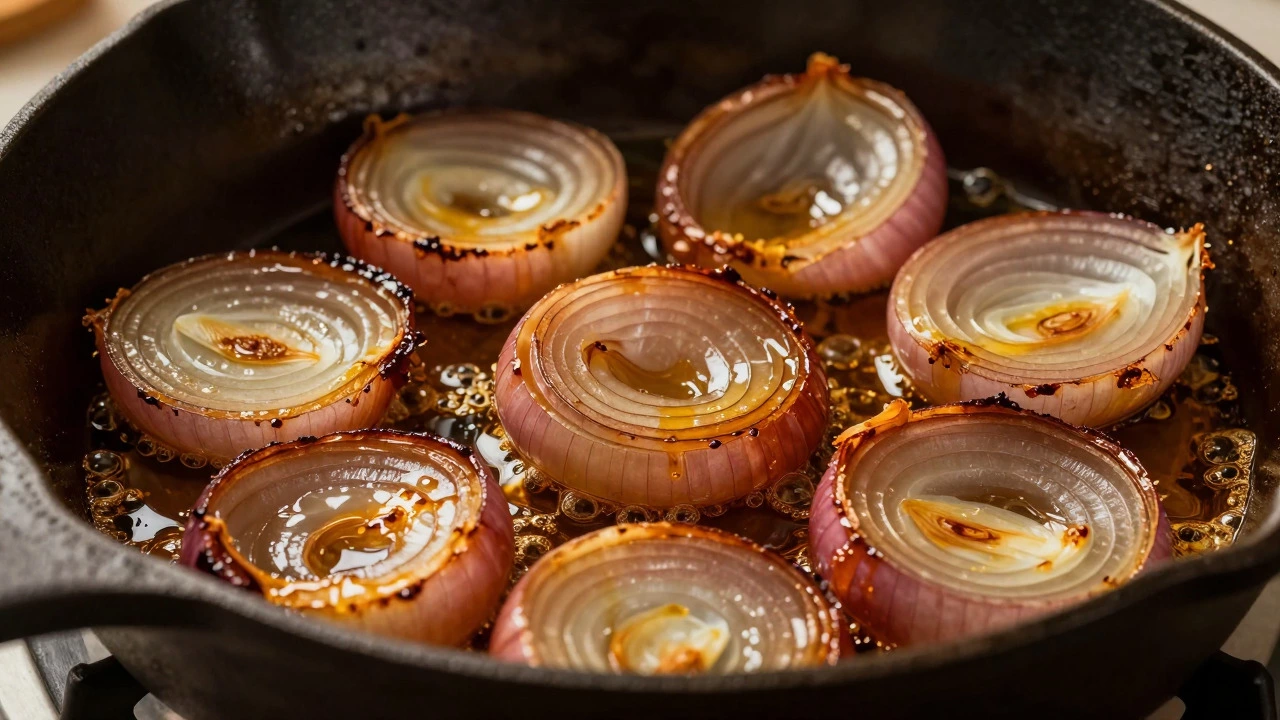
Most home cooks skip this step because it takes time. They sauté onions until they are translucent and move on. That’s where the magic dies. To get that deep, brown, savory base that defines restaurant-quality curries, you need to cook your onions until they are dark brown.
This process involves two chemical reactions. First, there is caramelization, which breaks down the natural sugars in the onion, creating sweetness. Second, and more importantly for savory dishes, is the Maillard reaction. This happens when amino acids and reducing sugars react under heat, producing hundreds of new flavor compounds. These compounds provide the 'umami' backbone of your dish.
- Patience is key: Cook sliced onions over medium-low heat for 15-20 minutes. Stir frequently to prevent burning, but don't rush.
- Look for color: You want them dark golden brown, almost mahogany. If they look pale yellow, keep going.
- Fat matters: Use enough oil or ghee. The fat helps conduct heat evenly and carries the flavor compounds created during browning.
Without this foundation, your curry will taste thin. With it, even a simple tomato-onion base becomes rich and complex.
Blooming Spices: Releasing Essential Oils
Have you ever added whole spices to boiling water and wondered why they didn't taste very strong? That’s because essential oils-the compounds that give spices their aroma and flavor-are fat-soluble, not water-soluble. Water alone cannot extract the full potential of cumin, coriander, or cardamom.
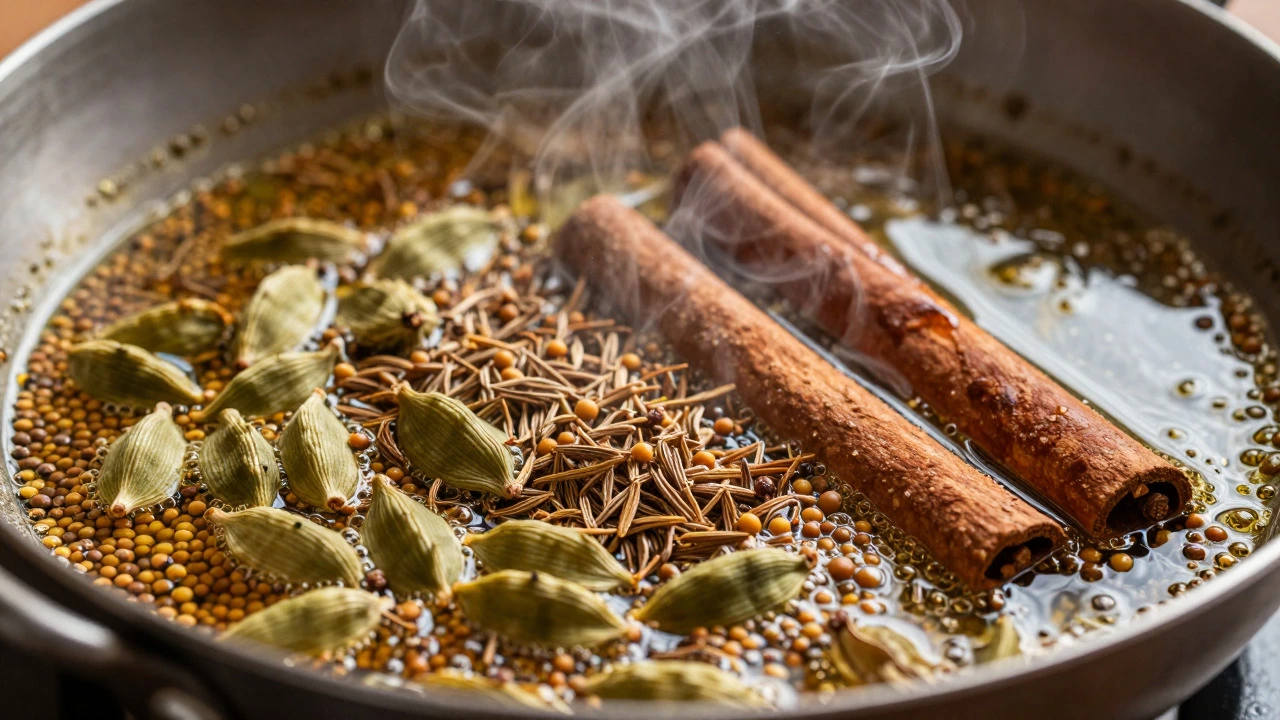
This is why we 'bloom' spices. By frying ground or whole spices in hot oil or ghee for 30-60 seconds before adding liquids, you release these volatile oils. The heat acts as a solvent, pulling the flavors out of the plant material and into the fat, which then coats every ingredient in the pot.
| Spice | Primary Flavor Note | Best Used In |
|---|---|---|
| Cumin Seeds | Earthy, nutty | Base layer for most North Indian curries |
| Mustard Seeds | Pungent, peppery | South Indian dishes and tempering (tadka) |
| Cardamom (Green) | Sweet, floral | Biryani, Korma, and aromatic rice dishes |
| Cinnamon Stick | Warm, woody | Lamb and chicken stews |
| Bay Leaf | Subtle, herbal | Long-simmering gravies |
If you add spices to cold oil, they can burn before they bloom. If you add them to boiling liquid, they remain dormant. Hot fat is the sweet spot.
The Role of Acid: Brightening the Palate
A common mistake is thinking that salt is the only seasoning you need. While salt enhances flavor, acid provides contrast. A curry without acid feels heavy and muddy on the palate. Acid cuts through the richness of the cream, yogurt, or coconut milk, making the other flavors pop.
You have several options for adding acidity:
- Tamarind paste: Adds a sour, fruity note common in South Indian and street food curries.
- Lemon or lime juice: Best added at the very end of cooking to preserve the fresh, bright citrus notes.
- Tomatoes: Provide a gentle, cooked acidity that integrates well into the gravy structure.
- Yogurt: Adds tanginess along with creaminess, but must be tempered to avoid curdling.
Think of acid as the volume knob for your spices. Without it, everything sounds muffled. With it, the cumin sings and the turmeric glows.
Layering Umami: The Secret Ingredient
Umami is the fifth taste, often described as savory or meaty. In Western cooking, we use soy sauce or parmesan. In Indian cooking, umami comes from unexpected places. Fermented pastes, dried fish powder (in coastal regions), and simply long simmering times concentrate glutamates naturally present in tomatoes and meats.
To boost umami in your Chicken Curry, try these tricks:
- Use bone-in chicken: Bones release collagen and gelatin during slow cooking, giving the sauce body and a richer mouthfeel.
- Add a pinch of MSG: Monosodium glutamate is safe and effective. A tiny amount (1/8 teaspoon) can elevate the savory profile significantly.
- Incorporate roasted garlic: Roasting garlic mellows its sharpness and intensifies its savory sweetness.
- Simmer longer: Time allows flavors to meld and proteins to break down, releasing more savory compounds.
Don't underestimate the power of patience here. A curry that simmers gently for 45 minutes will taste infinitely better than one rushed in 15.
Texture and Mouthfeel: Cream, Coconut, and Yogurt
Flavor isn't just about taste buds; it's also about texture. The mouthfeel of a curry affects how we perceive its intensity. Fat coats the tongue, slowing down the release of flavors and making them last longer. This is why a dry, lean curry might taste intense initially but fade quickly, while a creamy curry sustains its flavor profile throughout the meal.
Choose your fat source based on the region you're emulating:
- North India: Uses dairy heavily. Heavy cream, butter (ghee), and yogurt are standard. These create a rich, velvety texture ideal for Makhani or Korma styles.
- South India: Relies on coconut milk and oil. Coconut adds a distinct sweetness and fragrance that pairs beautifully with spicy chilies and mustard seeds.
- Goa/Kerala: Combines coconut with vinegar or tamarind for a sharp, tangy profile.
If you're using yogurt, always bring it to room temperature first. Cold yogurt hitting hot oil will curdle instantly, breaking the smooth emulsion of your sauce. Whisk it with a little flour or cornstarch before adding to stabilize it further.
Fresh Herbs: The Final Touch
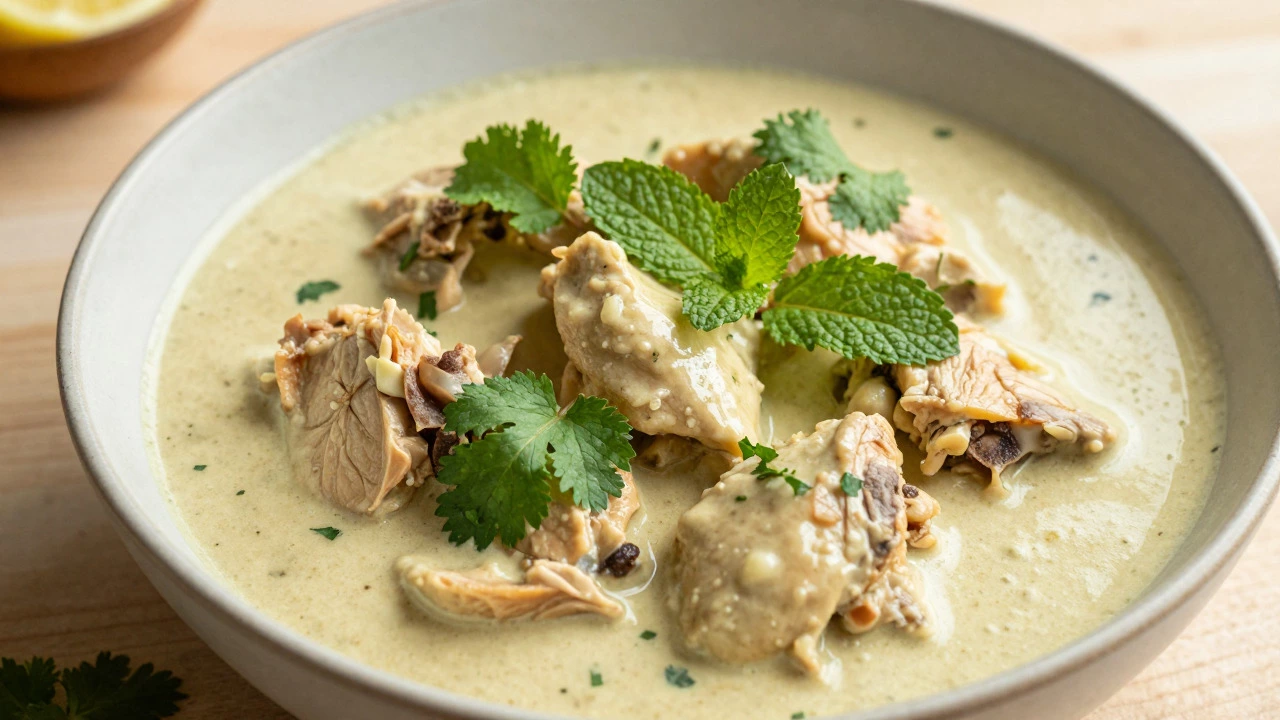
Dried herbs have their place, but fresh herbs add life. Cilantro (coriander leaves) and mint are the dynamic duo of Indian cuisine. They shouldn't be cooked into the dish for long periods, as heat destroys their delicate volatile oils.
Add chopped cilantro and mint in the last minute of cooking, or better yet, garnish generously after turning off the heat. The residual warmth will release their aroma without cooking them into submission. This final burst of freshness balances the heavy, spiced base, leaving you with a balanced, harmonious dish.
Practical Checklist for Your Next Curry
Before you start cooking, run through this mental checklist to ensure you're covering all bases:
- Onions: Are they browned deeply?
- Spices: Did I bloom them in hot fat?
- Acid: Have I added lemon, tamarind, or tomatoes?
- Umami: Is there enough savory depth (bones, MSG, long simmer)?
- Texture: Is the sauce creamy enough (cream, coconut, yogurt)?
- Freshness: Did I add fresh herbs at the end?
If you answer yes to all of these, you’re on your way to a truly delicious curry.
Why does my curry taste bland even though I used lots of spices?
This usually happens because the spices weren't bloomed properly or the onions weren't browned enough. Raw spices don't release their full flavor potential unless heated in fat. Additionally, if the base lacks umami or acid, the spices won't stand out. Try browning your onions darker and frying your spices in hot oil for at least 30 seconds before adding liquids.
Can I make a delicious curry without meat?
Absolutely. Vegetarian curries can be incredibly flavorful. Focus on building umami through mushrooms, soy sauce, nutritional yeast, or fermented pastes like miso. Long-cooked lentils and beans also provide a rich, satisfying texture. Don't skimp on the onion-tomato base, as it provides the primary flavor vehicle.
How do I stop yogurt from curdling in my curry?
First, ensure your yogurt is at room temperature. Second, lower the heat of your pan before adding it. Third, whisk the yogurt thoroughly before incorporating it. Finally, adding a tablespoon of flour or cornstarch to the yogurt can help stabilize it against the heat and acidity of the dish.
Is it better to use fresh or dried spices?
For root spices like ginger, garlic, and turmeric, fresh is generally superior due to higher moisture content and brighter flavor. For seeds and pods like cumin, coriander, and cardamom, whole dried spices toasted and ground fresh offer the best aroma. Pre-ground spices lose potency quickly. Aim for a mix: fresh aromatics for brightness, dried whole spices for depth.
Why does curry taste better the next day?
Over time, the flavors continue to meld and diffuse. Salt penetrates deeper into ingredients, and acidic components soften harsh edges. The starches in vegetables and meats absorb the surrounding liquid, becoming infused with the spice profile. This resting period allows for a more unified and complex taste experience.